
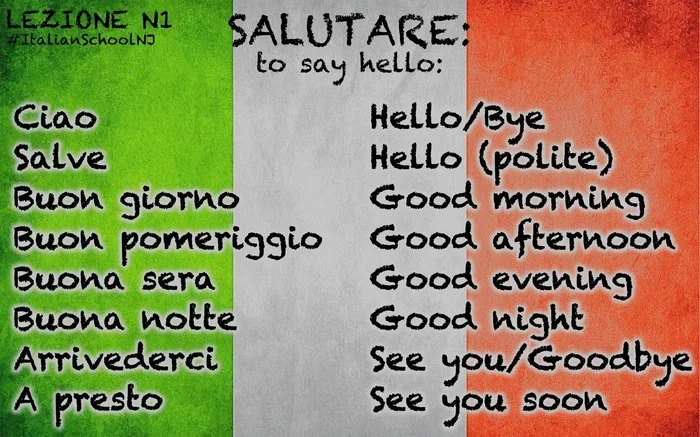

Knowing how to say you’re welcome in Italian opens doors to real conversations and deeper connections with native speakers. The most common reply is prego, but Italians use many other expressions depending on the situation. This guide covers formal and casual options, pronunciation tips, and cultural insights so you can respond naturally and confidently.
Key Takeaways
- Prego is the most common and versatile way to say you’re welcome in Italian.
- There are distinct formal and casual phrases that match different social situations.
- Pronunciation matters — getting the rhythm right makes you sound more natural.
- Italians often respond to thanks with phrases that go beyond a simple translation.
- Understanding the cultural context helps you choose the right response every time.
- Learning these phrases builds confidence and shows respect for Italian culture.
- Practice with real-life examples to internalize how each phrase feels in conversation.
📑 Table of Contents
How to Say Youre Welcome in Italian Like a Local
So you just learned how to say thank you in Italian. Maybe you said grazie to a barista, a shopkeeper, or a new friend. But then comes the moment of truth — they respond, and you have no idea what they said. Sound familiar?
That is exactly why knowing how to say you’re welcome in italian matters so much. It is not just about translating a phrase. It is about fitting into real conversations the way locals do. The good news? You only need a handful of expressions to sound natural and confident.
In this guide, we walk you through every common way Italians reply to thanks. We cover pronunciation, context, and even cultural tips that most textbooks skip. By the end, you will know exactly what to say — and when to say it.
Why Prego Is the Go-To Response
Let us start with the big one. Prego is the standard way to say you are welcome in Italian. It works in almost every situation. Whether someone thanks you for holding a door or for giving them directions, prego fits right in.
But here is something most learners miss. Prego actually has multiple meanings in Italian. It can mean “you are welcome,” “please,” or even “after you.” That is what makes it so powerful. One word, many uses.
When you hear prego, the speaker is usually saying one of three things:
- You are welcome — the most common use.
- Please — as in, “please, go ahead.”
- After you — when letting someone pass through a door.
The meaning depends entirely on the context. This is a great example of how understanding the in situ meaning of a word matters more than a direct translation. The same word shifts its role based on the situation around it.
Formal Ways to Say You’re Welcome in Italian
Italian has a formal register that you should know about, especially if you are talking to someone older or in a professional setting. Using the right level of politeness shows respect and awareness.
Here are the top formal phrases Italians use when someone says grazie:
- Grazie a te — “Thanks to you.” A polite and balanced response.
- Di niente — “It was nothing.” Very common in formal and semi-formal settings.
- Mi fa piacere — “I am glad (to help).” Warm and gracious.
- Prego — Yes, prego works formally too. It is universal.
Each of these phrases carries a slightly different tone. Di niente is humble and understated. Mi fa piacere feels warmer and more personal. Choose based on how you want to come across.
Casual and Friendly Ways to Respond
Now let us switch gears. In casual settings — with friends, family, or people your age — Italians use lighter, more relaxed expressions. These are the phrases that make conversations feel easy and natural.
Here is what you will hear in everyday Italian:
- Figurati — “Don’t even mention it.” Super casual and warm.
- Ma di nulla — “But of nothing.” A playful, informal reply.
- Non c’è problema — “No problem.” Works in both casual and semi-formal settings.
- Prego — Still works here, just said with a relaxed tone.
Figurati is probably the most fun one to say. It literally means “imagine” but Italians use it to brush off thanks. Think of it as the Italian version of “no worries.” It instantly makes the other person feel at ease.
If you want to sound like a local in a café or at a dinner with friends, figurati and ma di nulla are your best bets. They are short, natural, and full of charm.
Pronunciation Tips That Make a Big Difference
Italian pronunciation is more consistent than English. Once you learn the basic sounds, you can read almost any word correctly. That is a huge advantage for language learners.
Here are quick tips for saying the most common welcome phrases:
- Prego — Say “PREH-go.” The “preh” rhymes with “get,” and the “go” is a soft, open vowel. Do not rush it.
- Di niente — Say “dee nee-EN-teh.” The stress falls on the third syllable. Let the last part flow smoothly.
- Figurati — Say “fee-goo-RAH-tee.” Roll the “r” lightly if you can. The stress is on the third syllable.
- Mi fa piacere — Say “mee fah pyah-CHEH-reh.” Break it into small chunks and practice slowly at first.
The key is rhythm. Italian words flow together like music. Each syllable gets equal weight, and the stress usually lands on the penultimate syllable. Practice saying these phrases out loud. Even five minutes a day will sharpen your accent fast.
Common Mistakes to Avoid
Every language learner makes slip-ups. But some mistakes stand out when it comes to Italian gratitude responses. Here are the ones to watch out for:
- Using “you’re welcome” directly. Italian does not have a direct one-word equivalent. Always reach for prego or another phrase instead.
- Confusing prego with grazie. Prego means you are welcome. Grazie means thank you. Mixing them up changes the whole meaning.
- Being too stiff in casual settings. If your friend thanks you for dinner, saying “grazie a te” might feel too formal. Go with figurati instead.
- Ignoring body language. Italians pair phrases with hand gestures and facial expressions. A smile and a small wave go a long way.
Avoiding these mistakes keeps your conversations smooth and natural. You will sound less like a textbook and more like someone who actually lives there.
Quick Tips for Real-Life Practice
Want to level up your Italian fast? Try these practical tips:
- Watch Italian shows with subtitles. Pay attention to how characters respond when someone thanks them. You will pick up natural phrasing quickly.
- Practice with a language partner. Apps like Tandem or HelloTalk connect you with native Italian speakers who can correct your responses.
- Role-play common scenarios. Pretend you are at a restaurant, a market, or a dinner party. Say grazie, then respond with prego or figurati.
- Record yourself. Listen back and compare your pronunciation to native speakers online.
- Use these phrases every day. Even if you are alone, say prego out loud. Muscle memory builds fluency.
The more you use these phrases in real or imagined situations, the more automatic they become. Within a few weeks, responding to thanks in Italian will feel second nature.
How Italians Show Welcome Beyond Words
Here is something fascinating about Italian culture. Saying you are welcome is not just about the words. Italians express warmth through gestures, eye contact, and tone of voice.
A simple prego said with a smile and a slight head nod carries far more weight than the phrase alone. Italians often combine their words with a hand gesture — an open palm, a small wave, or a gentle tap on the chest.
This holistic approach to communication is part of what makes Italian so beautiful and expressive. When you learn the phrases, also pay attention to how Italians deliver them. The delivery is just as important as the words themselves.
Frequently Asked Questions
What is the most common way to say you’re welcome in Italian?
The most common response is prego. It works in nearly every situation, from formal to casual. Italians of all ages and regions understand and use it daily. It is the first phrase you should learn as a beginner.
Is there a difference between formal and casual ways to say you’re welcome?
Yes, there is a clear difference. Formal responses like di niente and mi fa piacere suit professional or respectful settings. Casual options like figurati and ma di nulla work best with friends and peers. Matching the tone to the situation shows social awareness.
Can I just say “prego” all the time?
Absolutely. Prego is universal and appropriate almost everywhere. However, mixing in a few other phrases like figurati or di niente makes your Italian sound more varied and natural. Think of prego as your reliable default, then build from there.
Do Italians use hand gestures when saying you’re welcome?
Yes, hand gestures are a big part of Italian communication. A common gesture is the open palm facing outward, sometimes accompanied by a small wave. These gestures add warmth and emphasis that words alone cannot fully capture.
How do I pronounce “prego” correctly?
Say it as “PREH-go.” The first syllable sounds like the English word “get,” and the second syllable is a soft “go.” Keep the vowels open and clear. Practice slowly at first, then speed up as you gain confidence.
What does “figurati” mean in Italian?
Figurati literally means “imagine” or “picture yourself.” Italians use it as a casual way to say “don’t mention it” or “you’re welcome.” It is friendly, warm, and perfect for everyday conversations with people you know well.
Conclusion
Learning how to say you’re welcome in italian is one of the most practical steps you can take as a language learner. It is simple, useful, and opens the door to more meaningful conversations with Italian speakers. From the universal prego to the warm and casual figurati, you now have a toolkit of expressions that cover every situation.
Remember, it is not just about the words. It is about the tone, the gestures, and the cultural awareness behind them. Practice these phrases daily, pay attention to how native speakers use them, and do not be afraid to make mistakes. Every conversation is a chance to improve.
Start using these responses today. The more you practice, the more natural they will feel. And before you know it, you will be responding to thanks like a true Italian — with warmth, confidence, and a touch of charm.



