

Mastering how to say acacia is easier than you think. This complete guide walks you through the correct pronunciation, common mistakes, and helpful tips so you can speak the word confidently. Whether you are talking about the tree, the wood, or the honey, you will sound like a pro in no time.
If you have ever stumbled over the word acacia in a conversation, you are not alone. Many people wonder about the right way to say it. This guide will show you exactly how to say acacia with confidence and clarity.
The word acacia refers to a large group of trees and shrubs found in warm regions around the world. People also use the name when talking about acacia wood, acacia honey, and acacia bark. No matter the context, saying the word the right way matters. It shows you know what you are talking about and helps you communicate more clearly.
In this article, you will learn the correct acacia pronunciation step by step. We will break the word into simple parts. We will also cover common mistakes, the origin of the word, and practical tips you can use right away. By the end, you will never second-guess yourself again.
Key Takeaways
- Correct Pronunciation: Acacia is pronounced uh-KAY-see-uh, with the emphasis on the second syllable.
- Phonetic Spelling Helps: Breaking the word into syllables makes it much easier to say correctly every time.
- Common Mistakes Exist: Many people mispronounce the word by stressing the wrong syllable or skipping sounds.
- Origin Matters: Understanding where the word comes from gives you a deeper connection to its pronunciation.
- Practice Makes Perfect: Listening to native speakers and repeating the word builds confidence fast.
- Multiple Contexts: The pronunciation stays the same whether you are referring to the tree, the wood, or other products made from it.
📑 Table of Contents
- What Does Acacia Mean?
- The Correct Pronunciation of Acacia
- Common Mistakes When Saying Acacia
- The Origin and History of the Word Acacia
- How to Say Acacia in Different Contexts
- Practical Exercises to Master the Pronunciation
- Why Pronunciation Matters for Words Like Acacia
- Expert Insights on Mastering Difficult Word Pronunciations
- Key Takeaways
- Conclusion
What Does Acacia Mean?
Before we dive into pronunciation, it helps to understand what the word means. The name acacia comes from the Greek word “akakia.” This Greek root referred to a thorny tree found in Egypt and the Middle East. Over time, the word traveled through Latin and into English with its current spelling.
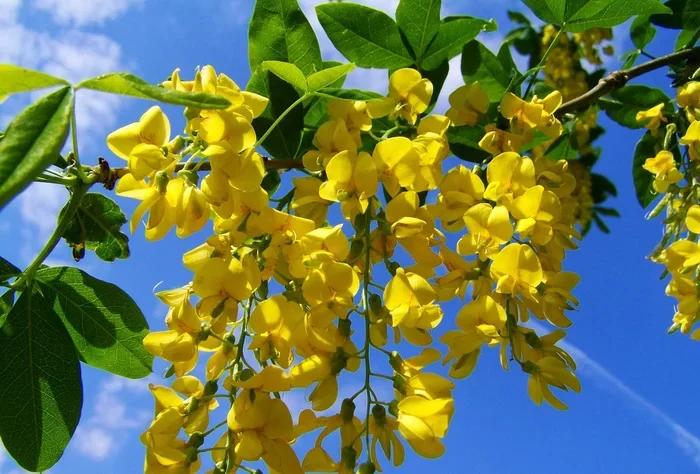
Acacia trees belong to the family Fabaceae. There are over 1,000 species of acacia plants around the world. They grow in Africa, Australia, Asia, and the Americas. The trees are known for their flat-topped shapes, small yellow or white flowers, and tough bark.
People use acacia in many ways. Acacia wood is popular for furniture and flooring. Acacia honey is a beloved natural sweetener. The bark of some species produces gum arabic, which is used in food and medicine. So, whether you are a gardener, a woodworker, or a foodie, knowing how to say acacia correctly is a great skill to have.
The Correct Pronunciation of Acacia
Now let us get to the heart of the matter. The correct way to say acacia is uh-KAY-see-uh. That is four syllables, and the stress falls on the second syllable: KAY.
Here is a simple breakdown:
- Uh — like the “a” in “about”
- KAY — like the word “kay” or the letter “K”
- See — like the word “see”
- Uh — like the “a” in “about” again
When you put it all together, it sounds like “uh-KAY-see-uh.” Try saying it slowly a few times. Speed will come naturally once you feel comfortable with each part.
Phonetic Spelling for Clarity
If you prefer a phonetic spelling, acacia is written as /uh-KEE-see-uh/ or /ə-ˈkā-shə/ in the International Phonetic Alphabet. The IPA version is especially useful if you want to look up the word in a dictionary or pronunciation app.
The key thing to remember is that the second syllable carries the weight. Do not say “AK-ay-see-uh” or “uh-keh-SEE-uh.” Both of those are incorrect and can make the word sound awkward.
Listening and Repeating
One of the best ways to learn how to say acacia is to listen to someone who already says it correctly. You can find audio clips online, in pronunciation dictionaries, or even in nature documentaries. Pay close attention to the rhythm and stress of the word.
After listening, repeat the word out loud. Record yourself if you can. Compare your version to the original. You will likely notice small differences right away. Keep practicing until your version matches the correct one.
Common Mistakes When Saying Acacia
Even smart, well-educated people sometimes mispronounce acacia. The most common errors come from misplacing the stress or blending syllables incorrectly. Let us look at these mistakes so you can avoid them.
Mistake 1: Stressing the Wrong Syllable
This is the number one error. Some people say “AK-ay-see-uh,” putting the stress on the first syllable instead of the second. This makes the word sound unnatural and can be distracting in conversation.
Remember: the stress always goes on KAY — the second syllable. Think of it like this: “uh-KAY-see-uh.” Say it with a slight emphasis on that middle part.
Mistake 2: Skipping the “C” Sound
Another common error is dropping the “k” sound entirely. Some people say “uh-AY-see-uh” or even “uh-ah-see-uh.” The “k” sound is essential. It gives the word its crisp, clear middle section.
To fix this, practice saying “KAY” on its own a few times. Feel where your tongue touches the back of your mouth for that hard “K” sound. Then weave it back into the full word.
Mistake 3: Adding an Extra Syllable
Some speakers add a fifth syllable by saying “uh-KAY-see-uh-uh” or stretching the word too long. Acacia has exactly four syllables. Keep it tight and clean. Do not add any extra sounds at the beginning or end.
The Origin and History of the Word Acacia
Understanding where a word comes from can make it much easier to pronounce. The word acacia has deep roots in ancient languages, and its journey into English is fascinating.
The Greek word “akakia” was the starting point. It described a thorny tree that grew along the Nile River in Egypt. The Greeks valued this tree for its medicinal properties and its gum resin. When the Romans adopted the Greek word, it became “acacia” in Latin.
From Latin, the word passed directly into English. The spelling has stayed mostly the same for centuries, but the pronunciation has evolved. Today, English speakers use the four-syllable version we covered earlier. Knowing this history gives you a mental anchor that helps you remember the correct way to say the word.
The name also connects to the broader world of botany and natural history. When you say acacia, you are echoing thousands of years of human interaction with this remarkable tree. That is a powerful thought the next time you use the word.
How to Say Acacia in Different Contexts
The pronunciation of acacia does not change based on what you are referring to. Whether you are talking about the tree itself, the wood, the honey, or the gum, the word sounds the same every time. This consistency makes things simple for you.
When Talking About the Tree
If you are discussing the acacia tree, you might say something like, “The acacia tree in my backyard is blooming.” The word acacia sits in the middle of the sentence, and you pronounce it exactly as we covered: uh-KAY-see-uh.
When Referring to Acacia Wood
Acacia wood is widely used in furniture making. You might say, “I bought a beautiful acacia wood dining table.” The pronunciation remains unchanged. The word “wood” comes right after it, and that does not affect how you say acacia.
When Discussing Acacia Honey
Acacia honey is a light, sweet variety that many people enjoy. A natural sentence would be, “I drizzle acacia honey on my toast every morning.” Again, the word acacia keeps its standard pronunciation regardless of what follows it.
Quick Tips for Any Context
- Always use four syllables: uh-KAY-see-uh
- Stress the second syllable every time
- Do not change the pronunciation based on what word comes before or after it
- If you are unsure, break the word into its parts and say each one slowly
Practical Exercises to Master the Pronunciation
Theory is great, but practice is what really locks in the correct pronunciation. Here are some simple exercises you can do every day to perfect how you say acacia.
Exercise 1: Syllable Clapping
Clap your hands as you say the word. You should clap four times — once for each syllable. This physical rhythm helps your brain and mouth work together. After a few rounds, the word will start to feel natural.
Exercise 2: Slow-Motion Practice
Say the word as slowly as you possibly can. Stretch out each syllable: “uhhhhh-KAAAAY-seeeee-uhhhh.” Then gradually speed up until you reach a normal speaking pace. This exercise trains your mouth muscles to hit each sound correctly.
Exercise 3: Sentence Integration
Practice saying acacia inside full sentences. This helps you transition from isolated word practice to real conversation. Try these examples:
- “The acacia tree provides shade in the desert.”
- “Acacia wood has a beautiful golden color.”
- “I added a spoonful of acacia honey to my tea.”
- “She planted an acacia tree in her garden last spring.”
Exercise 4: Record and Compare
Use your phone to record yourself saying acacia. Then play it back and compare it to a native pronunciation online. You will hear gaps quickly, and you can fix them on the spot. Do this a few times a week, and your progress will be remarkable.
Why Pronunciation Matters for Words Like Acacia
You might wonder why it matters so much to get the pronunciation right. The truth is, words like acacia carry a lot of weight in conversations about nature, gardening, woodworking, and food. When you say them correctly, you earn credibility and respect.
Correct pronunciation also helps with clear communication. If you mispronounce acacia, your listener might not understand what you are talking about. They might picture a completely different thing. This is especially true in professional settings where precision matters.
Beyond communication, there is a personal benefit. Knowing how to say tricky words like acacia builds your confidence. You feel smarter and more prepared in discussions. That confidence carries over into other areas of your life, too.
Expert Insights on Mastering Difficult Word Pronunciations
Language experts agree that the best way to master any tricky word is through a combination of listening, repetition, and self-correction. Here is what they recommend:
- Start with the stress: Always identify which syllable gets the emphasis before worrying about individual sounds.
- Use visual aids: Look up the word in a dictionary that includes phonetic symbols. Seeing the breakdown helps a lot.
- Practice in context: Saying the word in sentences is more effective than repeating it in isolation.
- Be patient with yourself: It takes time for new sounds to feel natural. Give yourself grace and keep practicing.
- Use technology: Pronunciation apps and online dictionaries with audio clips are incredibly helpful tools.
These expert tips apply to acacia and to any other word you want to pronounce correctly. The same principles work across the board.
Key Takeaways
- The correct pronunciation is uh-KAY-see-uh, with four syllables and stress on the second one.
- Common mistakes include stressing the wrong syllable, dropping the K sound, and adding extra syllables.
- The word comes from Greek and Latin roots, which gives you a helpful mental anchor for remembering it.
- The pronunciation does not change regardless of whether you are talking about the tree, the wood, the honey, or the gum.
- Practice with clapping, slow-motion speaking, and sentence integration to build muscle memory.
- Recording yourself and comparing to native audio is one of the fastest ways to improve.
- Correct pronunciation builds confidence and credibility in conversations about nature, gardening, and more.
Conclusion
Learning how to say acacia with perfect pronunciation is a simple but rewarding skill. You now know the correct way to break the word into four clear syllables: uh-KAY-see-uh. You understand the common mistakes to avoid, and you have practical exercises to sharpen your skills every day.
The next time you encounter the word acacia — whether in a conversation, a book, or a nature documentary — you will say it with ease and confidence. The correct acacia pronunciation is well within your reach, and with a little daily practice, it will become second nature.
Do not let uncertainty hold you back. Use the tips in this guide, practice consistently, and soon you will be saying acacia like a seasoned expert. Share what you have learned with friends and family, and help them master the pronunciation too. Words are powerful tools, and saying them correctly is a small effort that makes a big difference.
Frequently Asked Questions
What is the phonetic spelling of acacia?
The phonetic spelling of acacia is /uh-KEE-see-uh/ or /ə-ˈkā-shə/ in the International Phonetic Alphabet. The stress falls on the second syllable, which is KAY. This spelling helps you break the word into manageable parts for easier learning.
Is acacia pronounced differently in British and American English?
No, the pronunciation of acacia is essentially the same in both British and American English. Both dialects use the four-syllable version: uh-KAY-see-uh. Minor variations in accent may slightly shift the vowel sounds, but the overall pronunciation remains consistent.
How many syllables does acacia have?
Acacia has exactly four syllables: uh, KAY, see, and uh. Counting the syllables out loud is one of the best ways to ensure you are saying the word correctly. Breaking it into parts prevents you from rushing or blending the sounds together.
Does the pronunciation of acacia change when it is used in compound words like acacia wood or acacia honey?
No, the pronunciation stays the same no matter what word comes before or after it. Whether you say acacia tree, acacia wood, acacia honey, or acacia bark, the word is always pronounced uh-KAY-see-uh. The surrounding words do not change how you say it.
What is the most common mistake people make when saying acacia?
The most common mistake is putting the stress on the first syllable instead of the second. People say “AK-ay-see-uh” when it should be “uh-KAY-see-uh.” Focusing on the second syllable and giving it extra emphasis is the easiest fix for this error.
Can listening to audio help me learn how to say acacia?
Absolutely. Listening to audio clips of native speakers is one of the most effective ways to learn any new pronunciation. You can find audio for acacia on online dictionaries, pronunciation apps, and educational websites. Repeating what you hear and recording yourself creates a powerful feedback loop that speeds up your progress.



