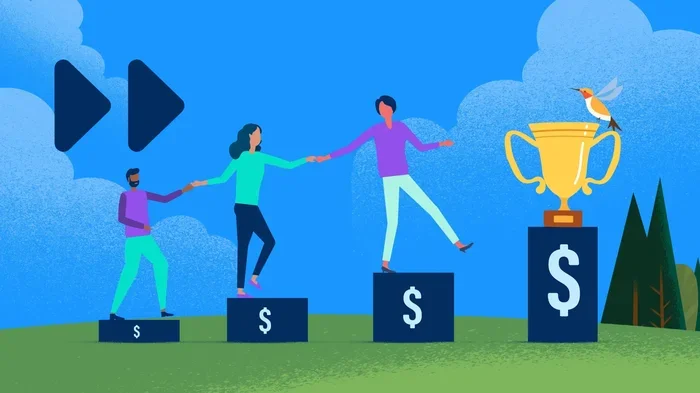

The spiff meaning is simple: it is a short-term bonus or reward given to salespeople for selling a specific product or hitting a target. Spiff programs are a popular sales incentive tool used by companies to motivate their teams, push product promotion, and drive quick results. Understanding spiff meaning helps both business owners and sales reps make the most of these sales reward programs.
Have you ever heard someone say “that deal has a spiff” and wondered what they meant? You are not alone. The spiff meaning confuses a lot of people, especially those new to sales or business. But once you understand it, you will see why it is such a powerful tool for driving sales and keeping teams motivated.
A spiff is a short-term bonus or reward given to a salesperson for selling a particular product or reaching a quick target. Companies use spiff programs to push certain products, clear out inventory, or give their sales team an extra push during slow periods. It is a simple idea with a big impact.
In this article, we will break down the spiff meaning in plain language. We will look at how spiff programs work, the different types you can use, and why they are so effective for sales performance. Whether you are a business owner, a sales manager, or a curious sales rep, you will find practical tips and real examples to help you make the most of spiffs.
Key Takeaways
- Spiff means a quick cash reward or bonus for salespeople: It is a short-term incentive designed to boost sales of a specific product or service.
- Spiff programs are flexible and easy to set up: Businesses can tailor them to fit any product, season, or sales goal.
- Spiffs differ from commissions and bonuses: They are instant, targeted, and often tied to a single product or promotion.
- Spiffs boost sales motivation and team morale: They create excitement and urgency among sales reps and retailer teams.
- Clear rules and fair tracking are essential: A well-run spiff program avoids confusion and keeps everyone engaged.
- Spiffs work across many industries: From retail to insurance, any business with a sales team can benefit.
📑 Table of Contents
What Does Spiff Mean?
The spiff meaning is straightforward. A spiff is a cash reward or instant reward given to a salesperson the moment they complete a sale of a specific product. Unlike a regular commission, which is built into the pay structure, a spiff is extra. It is a bonus on top of the normal pay.
The word “spiff” has been around for a long time. It first appeared in the late 1800s in British slang. Back then, it meant to dress up or make something look better. Over time, it made its way into the sales world, where it took on its current meaning. Today, spiffing a sale means earning a quick bonus for pushing a specific product.
Where Did the Word Spiff Come From?
The origin of the word is a bit fuzzy, but most experts agree it started in the 1800s. Some say it came from the phrase “spiffing,” which was British slang for something excellent or stylish. Others believe it came from the name of a person or a company. No matter where it came from, the word stuck in the sales world because it perfectly describes a quick, extra reward for a job well done.
Today, the spiff meaning is widely understood in the business world. It is used in retail, insurance, tech, automotive, and many other industries. If you hear a sales manager talk about spiffs, they are referring to these short-term, targeted sales incentives.
How Does a Spiff Program Work?
A spiff program is a structured plan where a company offers a reward for selling a specific product or reaching a sales goal within a set time frame. The rules are usually simple and easy to understand. Here is how a typical spiff program works:
- The company picks a product or service to promote.
- They set a sales quota or target for the promotion period.
- They define the reward amount or type for each sale.
- Sales reps earn the spiff when they meet the criteria.
- The company tracks sales and pays out the rewards.
The beauty of a spiff program is its simplicity. There is no complex formula or long waiting period. A sales rep makes a qualifying sale, and they get paid. This instant feedback loop is what makes spiffs so effective for sales motivation.
Example of a Spiff Program in Action
Let us say a electronics store wants to push a new brand of headphones. They set up a spiff program that pays $20 for every pair sold during the month of March. A sales rep who sells 10 pairs earns $200 in spiffs on top of their regular pay. This simple setup creates a clear incentive to push that specific product.
Who Can Run a Spiff Program?
Any business with a sales team can run a spiff program. It does not matter if you are a small retailer or a large corporation. Here are some examples of businesses that use spiffs regularly:
- Retail stores pushing seasonal products or new arrivals.
- Insurance companies offering spiffs for selling specific policies.
- Tech companies rewarding reps for selling a new software product.
- Automotive dealerships using spiffs to move slow-selling models.
- Telecom companies promoting new phone plans or devices.
Types of Spiff Programs
Not all spiff programs look the same. Companies can get creative with how they structure their sales incentive programs. Here are the most common types of spiff programs you will see in the real world.
Product-Specific Spiffs
This is the most common type. A company offers a cash reward for selling a specific product. The product is usually one that needs a boost, whether it is a new launch, a slow mover, or a high-margin item. The spiff meaning in this context is very direct: sell this product, get paid extra.
Volume-Based Spiffs
In a volume-based spiff, the reward increases as the sales rep sells more. For example, selling 5 units might earn $10 per unit, but selling 10 units earns $15 per unit. This type of spiff pushes sales performance and encourages reps to go above and beyond.
Time-Limited Spiffs
These spiffs run for a short period, like a week or a month. The time limit creates urgency. Sales reps know they have a small window to earn the reward, which pushes them to act fast. This is a great way to boost sales strategy during slow seasons or product launches.
Team Spiffs
Instead of rewarding individuals, some companies offer spiffs to entire teams. This builds collaboration and keeps everyone working toward the same goal. Team spiffs are especially popular in sales contest settings where group effort matters most.
SPIF vs SPIFF — What’s the Difference?
You may also see the terms SPIF or SPIFF used in sales circles. These are just variations of the same concept. SPIF stands for “Sales Performance Incentive Fund.” SPIFF is a similar acronym. In practice, they all mean the same thing: a short-term sales reward for hitting a target. The spiff meaning covers all of these variations.
Spiff vs. Bonus vs. Commission — What’s the Difference?
It is easy to mix up spiffs, bonuses, and commissions. They all involve paying people extra for good work, but they work very differently. Understanding these differences is key to using each tool effectively.
| Feature | Spiff | Bonus | Commission |
|---|---|---|---|
| Duration | Short-term (days to weeks) | Long-term (quarterly or yearly) | Ongoing |
| Target | Specific product or goal | Overall performance | Every sale |
| Payout Timing | Instant or quick | Delayed (end of period) | With each sale |
| Structure | Simple and flexible | Complex, often formula-based | Percentage of sale |
| Purpose | Push a specific product | Reward long-term achievement | Compensate for sales work |
The spiff meaning is distinct because of its speed and focus. A spiff is not a long-term reward. It is not built into the base pay. It is a quick, targeted promotional incentive designed to create immediate action. This is what sets it apart from a bonus program or a standard commission structure.
Benefits of Spiff Programs for Businesses and Sales Teams
Spiff programs offer a lot of benefits for both the business and the sales team. Here is why so many companies use them as part of their sales strategy.
They Boost Sales Motivation
Nothing fires up a sales rep like the chance to earn extra money fast. A well-designed spiff program creates excitement and urgency. Reps are more likely to push hard on the promoted product when they know a cash reward is waiting for them.
They Help Clear Inventory
Businesses often struggle with slow-moving stock. A spiff program can help move that inventory quickly. By offering a retailer incentive to sell a specific product, companies can clear out warehouse space and make room for new products.
They Are Easy to Set Up
Unlike complex incentive compensation plans, spiff programs are simple to design and launch. You do not need a big team or expensive software. A clear goal, a reward amount, and a tracking method are all you need to get started.
They Support New Product Launches
When a company launches a new product, they need buzz. A spiff program creates that buzz by giving sales reps a reason to focus on the new item. This is a proven product promotion strategy that works across many industries.
They Improve Team Morale
Everyone likes to be rewarded for hard work. Spiff programs give sales teams a tangible way to see the results of their effort. This boosts morale and keeps people engaged, especially during tough sales periods.
Quick Tips for Running a Successful Spiff Program
- Keep the rules simple and transparent.
- Set a clear timeline for the promotion.
- Choose products that genuinely need a push.
- Make the reward amount attractive enough to motivate action.
- Track sales closely and pay out rewards quickly.
- Communicate the program clearly to all sales team members.
- Gather feedback after the program ends to improve future spiffs.
Common Mistakes to Avoid With Spiff Programs
While spiff programs are powerful, they can backfire if not handled well. Here are some common mistakes businesses make when setting up a spiff program.
Making the Rules Too Complicated
If the rules are confusing, sales reps will not participate. Keep the spiff meaning clear and the criteria simple. Everyone should know exactly what they need to do to earn the reward.
Setting the Reward Too Low
A tiny reward will not motivate anyone. The cash reward needs to be meaningful enough to make the effort worth it. Think about what would actually excite your sales team.
Not Tracking Results
Without proper tracking, you will not know if the program is working. Use a simple spreadsheet or a sales tool to monitor sales during the spiff period. This data helps you measure success and make improvements.
Running Spiffs Too Often
If every product has a spiff, the spiffs lose their value. Use them strategically for specific products, seasons, or goals. Overuse dilutes the impact and can lead to fatigue among sales reps.
Ignoring Fairness
Make sure the spiff program is fair to everyone on the team. If only certain reps have access to the promoted product, others will feel left out. Fair access to spiff opportunities keeps the whole team engaged.
Expert Insights on Spiff Programs
Sales leaders and business experts agree that spiff programs are one of the most effective tools in a sales incentive toolkit. According to industry reports, companies that use short-term sales incentives like spiffs see a noticeable lift in sales performance during the promotion period.
Experts also point out that the key to a successful spiff program is communication. When sales reps understand the spiff meaning and the rules, they are far more likely to participate actively. Transparency and simplicity go a long way in making any spiff program a success.
Another expert tip is to tie spiffs to products that align with the company’s broader goals. For example, if a company wants to grow its market share in a specific category, the spiff should target products in that category. This ensures the spiff program supports the overall sales strategy rather than working against it.
Key Takeaways
- Spiff means a quick cash reward or bonus for salespeople: It is a short-term incentive designed to boost sales of a specific product or service.
- Spiff programs are flexible and easy to set up: Businesses can tailor them to fit any product, season, or sales goal.
- Spiffs differ from commissions and bonuses: They are instant, targeted, and often tied to a single product or promotion.
- Spiffs boost sales motivation and team morale: They create excitement and urgency among sales reps and retailer teams.
- Clear rules and fair tracking are essential: A well-run spiff program avoids confusion and keeps everyone engaged.
- Spiffs work across many industries: From retail to insurance, any business with a sales team can benefit.
Conclusion
The spiff meaning is clear and powerful. A spiff is a short-term bonus that gives sales reps an extra reason to push a specific product. It is simple, flexible, and incredibly effective when done right.
Whether you are a business owner looking to boost a product launch or a sales rep hoping to earn extra cash, understanding spiff meaning gives you a real edge. Spiff programs are a proven way to drive sales performance, clear inventory, and keep teams motivated.
The best part? You do not need a huge budget or a complex system to make it work. A clear goal, a fair reward, and good communication are all it takes. So the next time you hear someone talk about a spiff, you will know exactly what they mean. And better yet, you will know how to use it to your advantage.
Start small, keep it simple, and watch the results roll in. A well-designed spiff program can transform the way your sales team approaches product promotion and goal hitting. Give it a try and see the difference for yourself.
Frequently Asked Questions
What is the spiff meaning in sales?
In sales, a spiff is a short-term bonus or cash reward given to a sales rep for selling a specific product or hitting a quick target. It is an extra payment on top of regular commission or salary, designed to create urgency and boost sales performance.
How is a spiff different from a commission?
A commission is a regular part of a sales rep’s pay based on every sale they make. A spiff is a one-time bonus for selling a specific product during a set period. Commissions are ongoing, while spiffs are short-term and targeted.
Can small businesses use spiff programs?
Absolutely. Spiff programs are simple and flexible, making them perfect for small businesses. You do not need a large budget or complex systems. A clear goal, a fair reward, and basic tracking are all you need to run an effective spiff program.
What types of products work best for spiff programs?
Products that need a push work best. This includes new launches, slow-moving inventory, high-margin items, or products the company wants to promote heavily. The key is to choose products where an extra sales incentive will make a real difference in sales volume.
How do you track spiff sales?
You can track spiff sales using a simple spreadsheet, your CRM system, or a sales tracking tool. The important thing is to monitor which reps are hitting the target and pay out rewards quickly. Fast and transparent tracking keeps sales teams motivated and trusting the process.
Are spiff programs legal?
Yes, spiff programs are legal and widely used across many industries. As long as the program is transparent, fair, and clearly communicated to all participants, it is a legitimate sales strategy. Make sure to follow any local labor laws regarding bonus payments and incentive compensation.