
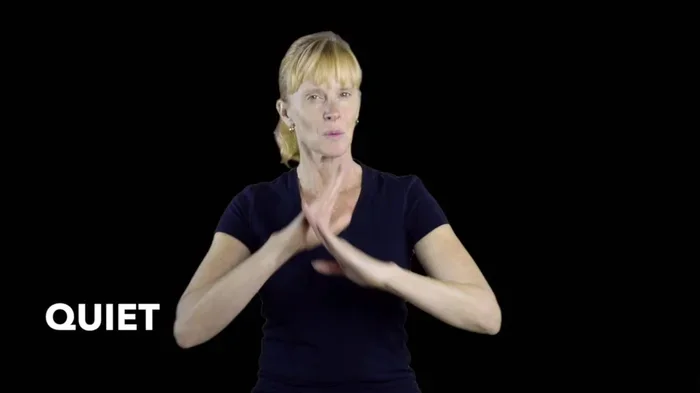

Learning how to say be quiet in sign language is easier than you think. With the right hand shapes, facial expressions, and body language, you can communicate this essential phrase in ASL. This guide walks you through every step, from basic gestures to real-life practice tips.
Have you ever wondered how to say be quiet in sign language? Maybe you are teaching a child, preparing for a conversation with someone in the deaf community, or simply curious about American Sign Language. Whatever your reason, you have come to the right place.
Sign language is a beautiful and expressive way to communicate without speaking. It relies on hand shapes, movements, facial expressions, and body language to convey meaning. And just like spoken language, it has specific signs for common words and phrases. The sign for “quiet” is one of the most useful ones you can learn early on.
In this guide, we will break down everything you need to know. From the basic hand gesture to common mistakes beginners make, you will find clear and practical steps. By the end, you will feel confident signing “be quiet” in any setting. Let us dive in.
Key Takeaways
- Simple Hand Motion: The sign for “quiet” uses a flat hand moving across your lips, making it easy to remember.
- Facial Expressions Matter: Your face plays a big role in sign language, adding meaning and clarity to every gesture.
- Context Is Key: Understanding the in situ meaning of signs helps you use them correctly in real conversations.
- Practice Makes Perfect: Daily repetition and real-world practice will build your confidence fast.
- Deaf Culture Respect: Learning sign language is about more than words — it is about connecting with a rich culture.
- Beginner-Friendly: No prior experience needed. Anyone can start learning these basic signs today.
📑 Table of Contents
What Does “Be Quiet” Mean in Sign Language?
The sign for “quiet” in ASL is straightforward and visual. You use one hand, typically your dominant hand, and move it across your lips. The movement is smooth and gentle, like you are placing a finger over your mouth to signal silence.
Here is a step-by-step breakdown of the basic gesture:
- Hand Shape: Hold your hand open with fingers together and your thumb tucked lightly against your palm.
- Starting Position: Bring your hand up to your mouth area, about two inches away from your lips.
- Movement: Slide your hand forward and slightly downward, as if brushing your lips gently.
- Facial Expression: Pair the gesture with a soft, calm expression. Your eyebrows should be slightly raised, and your eyes should look peaceful.
This combination of hand motion and facial expression is what makes sign language so powerful. The gesture alone tells the story, but your face adds emotion and emphasis. Think of it as the difference between whispering and shouting — both are quiet, but they feel different.
Why Facial Expressions Are Essential
Many beginners focus only on hand shapes and forget about their face. But in nonverbal communication, your expressions carry a lot of weight. When you sign “quiet,” a relaxed face shows calmness. A more intense expression can show urgency.
Try this exercise. Sign “quiet” with a big smile on your face. Now sign it again with a serious, focused look. Notice how the meaning shifts slightly? This is what makes visual language so rich and layered. Your face is not just an add-on — it is a core part of the message.
Step-by-Step Guide to Signing “Be Quiet”
Now let us walk through the process in detail. Follow along slowly, and do not worry about getting it perfect on the first try. Like any new skill, signing takes time and patience.
Step 1: Get Into the Right Position
Stand or sit comfortably. Keep your shoulders relaxed and your signing space in front of you. Your “signing space” is the area from your waist to your forehead. This is where most ASL signs happen.
Make sure your body faces the person you are communicating with. Eye contact is important in deaf culture. It shows respect and keeps the connection strong.
Step 2: Form the Correct Hand Shape
Your hand should be open but not stiff. Think of holding a small ball of paper gently. Your fingers are together, and your thumb rests lightly against the side of your index finger. This is called a “flat hand” or “B-hand” in sign language basics.
Keep your wrist straight but not locked. A slight natural curve feels more comfortable and looks more natural.
Step 3: Move Your Hand Across Your Lips
Bring your hand up to your mouth. Now, slowly slide it forward — about three to four inches — while keeping your fingers together. The motion should feel smooth, like you are wiping something gently off your lips.
Do not snap your hand back. The movement is soft and deliberate. Speed is not the goal here. Clarity is.
Step 4: Add the Right Facial Expression
As your hand moves, soften your face. Slightly raise your eyebrows and relax your jaw. This tells the other person that you are requesting silence in a calm, respectful way.
If you want to emphasize urgency, you can lower your eyebrows slightly and lean forward a bit. This adds weight to your body language and makes your meaning crystal clear.
Common Mistakes Beginners Make
Everyone makes mistakes when learning a new language. The good news is that most of them are easy to fix. Here are some common errors to watch out for when learning how to say be quiet in sign language.
Mistake 1: Using Both Hands
Some beginners use both hands to sign “quiet.” While this is not wrong in every context, the standard ASL sign uses only one hand. Using both can make the sign look cluttered and confusing to native signers.
Quick Tip: Stick with one hand until you feel very comfortable. Then you can explore variations later.
Mistake 2: Forgetting the Facial Expression
This is the number one mistake new signers make. A hand gesture without the right face feels incomplete. In ASL, the face is like the punctuation in a written sentence. It tells the reader how to “read” the message.
Mistake 3: Moving Too Fast
Speed does not equal skill. Rushing through the sign can make it unclear. Slow down, focus on clean movements, and let the gesture breathe.
Mistake 4: Ignoring Context
Signs can mean different things depending on the situation. The same “quiet” gesture might be used to ask a room to be silent, or it might be part of a longer sentence. Understanding the in situ meaning of signs helps you use them correctly and naturally.
How to Practice “Be Quiet” in Real Life
Knowing the sign is only half the battle. The real magic happens when you use it in real conversations. Here are some practical ways to build your sign language skills every day.
Practice with a Partner
Find a friend or family member who also wants to learn. Take turns signing “be quiet” and other basic phrases. Practicing with someone else makes the process fun and keeps you motivated.
If you do not have a partner, you can practice in front of a mirror. Watch your hand shape, your movement, and your face. Does it look natural? Make adjustments as needed.
Use Online Resources
The internet is full of great sign language dictionary sites and video tutorials. Watching native signers in action helps you pick up the rhythm and flow of visual language. Look for videos that show the sign from multiple angles.
Start a Daily Routine
Consistency beats intensity. Spend just five to ten minutes each day practicing your signs. Review old signs and add new ones gradually. Over time, your muscle memory will kick in, and the gestures will start to feel natural.
Immerse Yourself in Deaf Culture
Learning how to say be quiet in sign language is not just about the gesture itself. It is about understanding the community that uses it. Deaf culture is rich, vibrant, and full of history. When you learn ASL, you are gaining access to a whole new world of connection and expression.
Attend local deaf events, watch deaf-created videos, or follow deaf influencers on social media. The more you expose yourself to the language in its natural setting, the faster you will grow.
Why Learning Basic Signs Like “Quiet” Matters
You might be thinking, “Why does a simple word like ‘quiet’ matter so much?” The answer is that basic signs are the building blocks of communication methods with deaf and hard-of-hearing individuals.
When you know how to sign common words, you can have real, meaningful conversations. You can comfort someone, get someone’s attention, or create a calm environment — all without saying a single word.
Plus, learning even a few signs shows respect. It tells the deaf community that you care enough to meet them where they are. That small effort can go a long way in building trust and connection.
Think about it this way. Imagine you are in a library, and someone needs you to lower your voice. You could shout “SHHH!” or you could simply make the quiet sign with a gentle expression. Which approach feels better? The second one, right? It is polite, clear, and inclusive.
Quick Tips for Remembering the Sign
- Think of a “Shushing” Motion: The sign looks like you are gently telling someone to be quiet with your hand. Visualize the classic “shh” gesture.
- Use a Mnemonic: “My hand goes over my mouth when I want quiet.” Simple and memorable.
- Practice in Front of a Mirror Daily: Seeing yourself sign helps reinforce the muscle memory.
- Sign It Before You Speak It: Try signing “quiet” every time you want silence in your daily life. This real-world practice is incredibly effective.
- Watch Native Signers: Pay attention to how they move their hands and faces. Mimic their style to improve your own.
Expanding Your Sign Language Vocabulary
Once you feel comfortable with the “quiet” sign, you can start building on it. ASL has thousands of signs, and each one adds to your ability to communicate more complex ideas.
Here are a few related signs that pair well with “quiet”:
- Listen: Point your index finger toward your ear. This is the perfect follow-up to “quiet” — ask someone to listen.
- Please: Circle your open hand on your chest. Adding “please” before “quiet” makes your request even more polite.
- Thank You: Touch your chin with your fingers and move your hand forward. A great way to show gratitude after someone goes quiet.
- Sleep: Place your hand on your cheek and close your fingers. Related to quiet time and rest.
The more signs you learn, the more natural your conversations will feel. And remember, sign language is not just about individual words. It is about combining them into fluid, expressive sentences that flow like poetry.
Final Thoughts
Learning how to say be quiet in sign language is a small but meaningful step into the world of ASL. The gesture is simple, the practice is fun, and the impact is real. Whether you are communicating with a deaf friend, teaching a child, or just expanding your skills, this sign will serve you well.
Remember to focus on your hand shape, your movement, and your facial expression. Avoid the common beginner mistakes, practice daily, and immerse yourself in deaf culture. Every sign you learn brings you closer to meaningful connection.
So go ahead. Try the “quiet” sign right now. Bring your hand to your lips, slide it forward gently, and soften your face. Feel the rhythm of the language. You are signing. You are connecting. And that is something truly special.
Frequently Asked Questions
Is the sign for “quiet” the same in all types of sign language?
No, different countries use different sign languages. The sign described here is for American Sign Language (ASL). British Sign Language (BSL) and other sign languages have their own versions of “quiet.” Always learn from resources specific to the sign language used in your region.
Can children learn the “quiet” sign easily?
Absolutely. The “quiet” sign is one of the simplest signs in ASL, making it perfect for young learners. Many parents teach it to toddlers as a gentle way to encourage calm behavior without raising their voice.
Do I need to use facial expressions every time I sign “quiet”?
Yes, facial expressions are a core part of sign language. They add meaning, emotion, and clarity. Without the right face, your sign may be understood, but it will lack the full depth and nuance that native signers expect.
How long does it take to learn basic signs like “quiet”?
Most beginners can learn the “quiet” sign within a few minutes of practice. However, building fluency takes time. Consistent daily practice, even just five to ten minutes, will help you retain and expand your skills quickly.
What if I get the hand shape wrong?
Do not worry. Hand shapes can feel awkward at first, especially if you are used to using your hands differently. Keep practicing, and over time, your hand will adjust. The key is to stay relaxed and focus on the overall movement and expression rather than perfect form right away.
Where can I find more beginner sign language lessons?
There are many free online resources available, including YouTube channels, apps, and websites dedicated to teaching ASL. Look for content created by deaf instructors for the most authentic and accurate learning experience. Practice regularly and do not be afraid to make mistakes — they are part of the learning journey.



