
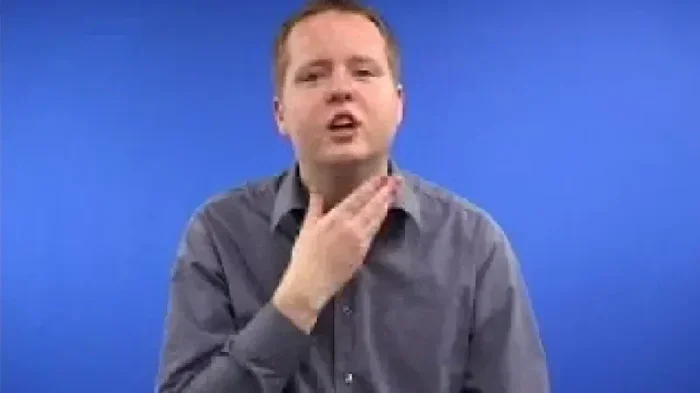

Knowing how to say thirsty in sign language is a simple yet essential skill for anyone learning ASL. The thirst sign uses a straightforward hand gesture near your mouth, making it one of the easiest basic signs to learn. This guide walks you through every step, from hand placement to facial expressions, so you can communicate needs clearly and confidently.
Have you ever found yourself in a situation where you needed to communicate something basic but did not know how? Maybe you were around someone who uses sign language, or perhaps you are just curious about nonverbal communication. Either way, learning how to say thirsty in sign language is a great place to start. It is simple, practical, and something you can use right away. In this guide, we break down every detail so you can sign with confidence in no time.
ASL, or American Sign Language, is a rich and expressive communication method used by millions of people. It relies on hand gestures, body language, and facial expressions in sign language to convey meaning. The good news is that many basic signs, including the thirst sign, are easy to pick up. You do not need years of practice to get started. A few minutes of focused effort can make a real difference.
Whether you are a parent teaching a child, a student exploring sign language for beginners, or someone who wants to connect with the deaf community, this article has you covered. We will walk you through the exact hand movements, common errors to avoid, and tips that speed up your learning. By the end, you will know exactly how to sign thirsty and use it naturally in conversation.
Key Takeaways
- Easy Hand Movement: The thirsty sign uses a simple C-shaped hand moving from your chin downward, making it beginner-friendly.
- Facial Expressions Matter: Adding a sincere expression helps convey the feeling of thirst more clearly in nonverbal communication.
- Context Changes Meaning: The in situ meaning of the sign can shift depending on your setting, much like how words carry different weight depending on context, as explored in our in situ meaning guide.
- Common Mistakes Are Easy to Fix: Issues like wrong hand shape or missing facial cues are simple to correct with practice.
- Useful in Real Life: This basic sign is practical for everyday communication with deaf friends, children, or learners.
- Part of a Larger System: The thirsty sign connects to broader sign language basics that open doors to deeper learning.
📑 Table of Contents
What Does Thirsty Look Like in Sign Language?
The thirst sign in ASL is one of the most intuitive gestures in the entire sign language basics toolkit. It mimics the action of drinking from a cup or bottle. Your hand starts near your mouth and moves downward, as if you are taking a sip. The movement is smooth and deliberate, which helps convey the message clearly.
Here is what makes the thirst sign so effective:
- Simple hand shape: You form a C-shape with your dominant hand, as if holding a cup.
- Clear movement: The hand travels from your chin down toward your chest in one fluid motion.
- Natural expression: Pairing the gesture with a slight pucker or concerned look adds clarity.
- Universal recognition: Even people who do not know ASL often understand the meaning right away.
One thing to keep in mind is that sign language is not just about hand movements. The in situ meaning of any sign, including the thirst sign, depends on your body position, facial expression, and the situation around you. Just like the in situ meaning of words changes based on context, your sign gains its full impact from how and where you use it. This is a key part of expressive signing that separates basic gestures from true communication.
The Role of Context in Signing
When you learn how to say thirsty in sign language, context plays a big role. Imagine you are at a table and you sign the thirst gesture. The in situ meaning here is straightforward, you want a drink. But now imagine you are in a classroom and you use the same sign while pointing at a water fountain. The meaning shifts slightly because of your surroundings. This is why understanding contextual meaning is so important in deaf communication. The same hand shape can carry different weight depending on where and when you use it.
Think of it this way. When you speak, the word “water” means something different in a desert compared to a swimming pool. The sign language dictionary lists the basic form of each sign, but real communication adds layers. Your eyes, your eyebrows, your body angle, and even the space around you all contribute to the full message. This is what makes ASL so powerful and expressive.
How to Form the Thirsty Sign Step by Step
Now let us get into the actual steps. Learning how to sign thirsty takes just a few minutes. Follow along and practice each movement slowly at first. Speed will come with time.
Step 1: Shape Your Hand
Start with your dominant hand. Keep your fingers together and curl them slightly inward, forming a loose C-shape. Your thumb should rest against the side of your index finger. This shape represents a cup or container. Do not squeeze too tight. Keep it relaxed and natural.
Step 2: Position Your Hand
Bring your hand up to your chin. The open side of your C-shape should face your body. Your fingertips should be just below your lower lip. This is your starting position. Keep your elbow relaxed and close to your body.
Step 3: Move Your Hand Downward
Now, move your hand in a smooth arc from your chin down toward your upper chest. The motion should look like you are bringing a cup to your lips and then tilting it back. Do not rush this. A slow, controlled movement looks more natural and is easier for others to read.
Step 4: Add a Facial Expression
This is where many beginners miss the mark. To truly communicate thirsty in sign language, pair the hand movement with a genuine expression. Slightly purse your lips or furrow your brow just a little. This shows that the feeling is real and not just a mechanical gesture. Facial expressions in sign language are not optional, they are essential.
Step 5: Practice the Full Sequence
Put it all together. C-shape at the chin, smooth downward motion, and a natural expression. Repeat this five to ten times in a row. Then pause and try it again. Over a few days, the movement will feel automatic. The goal is to make the sign look effortless and fluid.
Quick Tips for Perfecting the Sign
- Keep your wrist loose: A stiff wrist makes the movement look robotic and hard to read.
- Use your whole hand: Do not just move your fingers. The full C-shape should travel together.
- Match your expression to the emotion: If you are genuinely thirsty, let your face show it.
- Practice in front of a mirror: This helps you see whether your hand shape and expression look natural.
- Sign slowly at first: Speed comes later. Clarity always comes first in basic signs.
Common Mistakes When Signing Thirsty
Even easy signs have pitfalls. Here are the most common mistakes people make when learning how to say thirsty in sign language, and how to fix them.
| Mistake | Why It Happens | How to Fix It |
|---|---|---|
| Using a flat hand instead of a C-shape | Confusion with other drinking-related signs | Curl your fingers into a loose C and keep them together |
| Starting the movement too low | Not bringing the hand up to the chin first | Always begin at the chin and move downward |
| Forgetting facial expressions | Focusing only on the hand movement | Practice the sign in front of a mirror with your face |
| Moving the hand sideways instead of down | Misremembering the direction | Think of sipping from a cup and the natural downward arc |
| Signing too fast | Trying to keep up with fluent signers | Slow down and focus on clarity before speed |
Another mistake is mixing up the thirst sign with the water sign. In ASL, the water sign uses an open hand that taps the chin a few times. The thirst sign, on the other hand, uses the C-shape and moves downward in one smooth arc. They are related but different. If you mix them up, it can cause confusion. Practice them separately until you feel confident in each one.
One more thing to watch out for is overthinking the movement. Sign language is meant to feel natural. If you tense up your hand or shoulder, the sign becomes harder to read. Relax your muscles and let the gesture flow. The deaf community values clear and relaxed signing over perfection. A slightly imperfect sign that looks natural is better than a stiff, overthought one.
Thirsty Sign Language in Different Contexts
The way you use the thirst sign can vary depending on the situation. Understanding these variations helps you communicate more effectively in deaf communication settings.
Signing Thirsty as a Child
Parents often teach young children the thirst sign before they can speak. Babies and toddlers can learn basic hand gestures as early as six to eight months old. The thirst sign is a perfect starting point because the movement is simple and the need is frequent. When your child signs thirsty, respond right away by offering a drink. This positive reinforcement helps them connect the sign to the action and builds confidence in their nonverbal communication skills.
Using the Sign in Group Settings
In a classroom or group setting, you might need to sign thirsty from a distance. In these cases, make your movements a bit larger and more exaggerated. This ensures that others can see your hand gestures clearly. Also, try to catch the attention of the person you are signing to before you begin. A quick wave or gentle tap on the shoulder works well.
Combining Signs for Complex Messages
Once you know the thirst sign, you can combine it with other basic signs to build fuller sentences. For example, you can sign “water” followed by “thirsty” to say “I want water because I am thirsty.” This kind of expressive signing is how sign language for beginners starts to feel like real conversation. The more signs you know, the more you can express about your needs, feelings, and daily life.
Tips for Learning Sign Language Fast
Learning sign language basics does not have to be slow or frustrating. Here are some practical strategies that help you pick up new signs quickly and retain them longer.
- Practice for just five minutes a day. Short, consistent sessions beat long, infrequent ones. Your muscle memory builds faster this way.
- Use a sign language dictionary app. Many free apps let you search for signs and watch slow-motion videos. This is a great supplement to hands-on practice.
- Find a signing partner. Practicing with someone else gives you real-time feedback. Even a friend who is also a beginner helps.
- Watch ASL videos online. Exposure to fluent signers helps you pick up rhythm, speed, and natural expression. Focus on how they use body language alongside hand signs.
- Label objects and actions around you. Point to things and sign the word. This builds a strong association between the gesture and the meaning.
- Be patient with yourself. Every fluent signer started as a beginner. Progress comes with repetition, not perfection.
One of the best ways to internalize how to say thirsty in sign language is to use it in real life. The next time you are around someone who signs, try the thirst sign. Even if you feel awkward at first, the act of using it in a real conversation will cement the movement in your memory. Over time, it will feel as natural as speaking.
Why Learning Basic Signs Like Thirsty Matters
You might wonder why learning a single sign matters so much. The answer is simple. Basic signs like the thirst sign open the door to meaningful connection. When you can communicate a fundamental need, you show respect and care for the people around you. This is especially true in the deaf community, where small efforts in communication methods are deeply appreciated.
Learning sign language also benefits your brain. Studies show that using hand gestures alongside spoken words improves memory and cognitive flexibility. Even if you are not deaf or hard of hearing, picking up basic signs like how to sign thirsty gives you a new way to express yourself and understand others. It builds empathy, sharpens your nonverbal communication skills, and expands your worldview.
Moreover, the thirst sign is just the beginning. Once you master it, you will find that other basic signs follow a similar logic. Many signs in ASL are visual and intuitive. The sign language alphabet gives you the tools to spell out words, but the real beauty of deaf communication lies in the expressive, flowing signs that paint pictures in the air. The thirst sign is a perfect example of this visual storytelling at its finest.
As you continue your journey, remember that every sign you learn adds to your ability to connect. Whether you are helping a child, making a new friend, or simply expanding your own skills, the effort matters. Learn sign language one sign at a time, and you will be surprised how far a single gesture can take you.
Final Thoughts
How to say thirsty in sign language is a question with a simple and satisfying answer. You now know the exact hand shape, the movement, the facial expression, and the common mistakes to avoid. The thirst sign is one of the most useful and beginner-friendly gestures in ASL. With a little daily practice, you will sign it confidently and naturally.
Remember that sign language is more than a set of hand shapes. It is a living, expressive system of nonverbal communication that connects people in powerful ways. Every time you use the thirst sign, you are participating in a rich tradition of visual storytelling and human connection. Keep practicing, stay curious, and enjoy the journey of learning this beautiful language.
Frequently Asked Questions
Is the thirsty sign the same in all types of sign language?
The basic concept of the thirst sign is similar across many sign languages, but the exact hand shape and movement can vary. This guide focuses on ASL, which is the most widely used sign language in the United States. If you are learning a different sign language, such as BSL or Auslan, the gesture may look slightly different. Always check with a local sign language dictionary or instructor for the specific version used in your region.
How long does it take to learn the thirsty sign?
Most people can learn the thirst sign in just a few minutes of practice. The hand movement is simple and intuitive. However, to make it look natural and fluid in real conversations, you should practice for a few days. Consistent, short practice sessions are much more effective than long, infrequent ones. Within a week of regular practice, the sign will start to feel automatic.
Can children learn how to say thirsty in sign language easily?
Absolutely. In fact, the thirst sign is one of the first signs parents teach babies and toddlers. The hand shape is easy to form, and the need to express thirst comes up frequently throughout the day. Young children often pick up this sign within days. Using it during meal and snack times gives them plenty of opportunities to practice and feel successful.
Do I need to use facial expressions when signing thirsty?
Yes, facial expressions are a crucial part of sign language. They add emotional context and help the viewer understand the feeling behind the sign. When signing thirsty, a slightly concerned or eager expression makes the sign clearer and more natural. Think of your face as a second hand, adding another layer of meaning to your nonverbal communication.
What is the difference between the thirsty sign and the water sign in ASL?
The thirst sign uses a C-shaped hand that moves from the chin down to the chest in one smooth motion, as if drinking from a cup. The water sign uses an open hand that taps the chin a few times, as if splashing water. They are related but distinct. Mixing them up can cause confusion, so practice them separately until you can tell them apart easily.
Where can I find more basic signs to learn?
There are many great resources for learning sign language basics. Free apps, online video tutorials, and local community classes are all excellent starting points. You can also find a sign language dictionary online that lets you search for specific words and watch the signs in slow motion. Practicing with a signing partner or joining a local deaf community group can also accelerate your learning and help you build real-world confidence.
=== CONCLUSION ===
Learning how to say thirsty in sign language is a quick win that opens up a world of connection and communication. The sign is simple, visual, and easy to remember. With the C-shaped hand, the smooth downward motion, and a genuine facial expression, you can express a basic need clearly and confidently. Practice a few minutes each day, avoid the common mistakes we covered, and combine this sign with others to build your skills. Every new basic sign you learn brings you closer to fluent and meaningful deaf communication. Start today, stay consistent, and enjoy the journey of learning this beautiful and expressive language.



