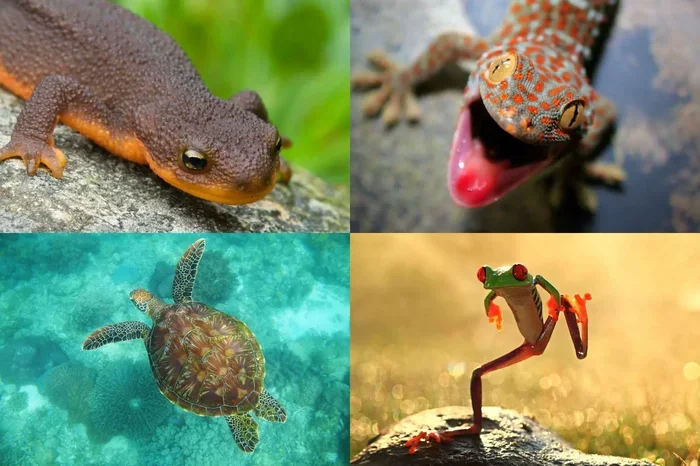

Herpetofauna meaning refers to the collective term for all reptiles and amphibians in a specific region. It comes from the Greek words for “creeping things” and covers animals like frogs, snakes, lizards, and turtles. Understanding this term helps us appreciate biodiversity and the role these species play in healthy ecosystems.
Have you ever stopped to think about herpetofauna meaning? It’s a simple term that covers all the reptiles and amphibians in a given area. These animals form a crucial part of our natural world. From tiny tree frogs to massive sea turtles, they shape the ecosystems we depend on. Understanding herpetofauna meaning helps us appreciate the creatures that share our planet. It also reveals why their protection matters so much. In this guide, we’ll break down the term and explore its real-world importance.
Key Takeaways
- Herpetofauna meaning covers all reptiles and amphibians in a given area.
- These animals act as vital ecological indicators for environmental health.
- Reptiles and amphibians face serious threats like habitat loss and disease.
- You can contribute to conservation through citizen science and habitat protection.
- Learning the herpetofauna meaning deepens your connection to local wildlife.
- Conservation efforts help maintain biodiversity and ecosystem balance.
📑 Table of Contents
- What Does Herpetofauna Meaning Actually Mean?
- Reptiles vs. Amphibians: The Two Core Groups
- Why Herpetofauna Are Ecological Indicators
- Common Species and Where to Find Them
- Threats Facing Herpetofauna Today
- How You Can Help Conserve Herpetofauna
- Conclusion: Why Understanding Herpetofauna Meaning Matters
What Does Herpetofauna Meaning Actually Mean?
The word herpetofauna combines two parts. “Herpeto” comes from the Greek word for creeping things. “Fauna” means the animals of a particular region. Put them together and you get the total collection of reptiles and amphibians in a place. This term is used by scientists, conservationists, and nature lovers every day.
People often use the shorthand “herps” to refer to these animals. A herp is any reptile or amphibian. When you talk about herpetofauna, you are describing the full community of these creatures in a habitat. This includes frogs, toads, salamanders, newts, snakes, lizards, turtles, and crocodilians. The term helps us study them as a group rather than one by one.
Why does this grouping matter? Reptiles and amphibians share some key traits. They are cold-blooded vertebrates. They rely on their environment to regulate body heat. Many have moist, permeable skin. These shared traits make them sensitive to environmental changes. That sensitivity is exactly why learning herpetofauna meaning is so valuable.
The History Behind the Term
The study of reptiles and amphibians is called herpetology. Scientists who work in this field are herpetologists. They have used the term herpetofauna for centuries to describe local animal communities. Early naturalists noticed that these creatures often lived in similar habitats. They grouped them together to better understand their ecology.
Today, the term is central to wildlife surveys and biodiversity studies. When researchers assess a wetland or a forest, they often start by cataloging the herpetofauna. This gives a quick snapshot of ecosystem health. The meaning of the term has evolved, but its practical value remains strong.
Reptiles vs. Amphibians: The Two Core Groups
To fully grasp herpetofauna meaning, you need to know the two main groups. Reptiles and amphibians are distinct classes of animals. They share some features but differ in many ways. A comparison table can help clarify these differences.
| Feature | Reptiles | Amphibians |
|---|---|---|
| Skin | Dry, scaly, waterproof | Moist, smooth, permeable |
| Eggs | Leathery or hard-shelled | Jelly-like, laid in water |
| Habitat | Mostly terrestrial | Often tied to water or moist areas |
| Respiration | Lungs only | Gills as larvae, lungs as adults |
| Examples | Snakes, lizards, turtles, crocodiles | Frogs, toads, salamanders, newts |
Both groups belong to the larger group of vertebrates. They are ectothermic, meaning they depend on external heat. This is why you see snakes basking on rocks and frogs near ponds. Their body temperature matches their surroundings. This trait links them closely to their environment.
Common Reptiles in Herpetofauna
Reptiles are often the most visible members of herpetofauna. Snakes slither through grasslands and forests. Lizards sunbathe on fences and rocks. Turtles move slowly through wetlands and oceans. Crocodilians live in tropical rivers and lakes. Each species fills a unique niche in the food web.
Some reptiles are excellent swimmers. Sea turtles spend most of their lives in the ocean. Others, like desert geckos, survive extreme heat. The diversity within reptiles is vast. This variety makes the study of herpetofauna meaning so rich and rewarding.
Common Amphibians in Herpetofauna
Amphibians usually start life in water. Most frogs and salamanders lay eggs in ponds or streams. The larvae, often called tadpoles, breathe through gills. As they grow, they develop lungs and move onto land. This dual life is a hallmark of amphibians.
Frogs and toads are the most familiar amphibians. They come in many colors and sizes. Some are tiny enough to sit on a dime. Others, like the American bullfrog, can be several inches long. Salamanders and newts often live under logs and rocks. They are secretive but incredibly important.
Why Herpetofauna Are Ecological Indicators
One of the most powerful reasons to learn herpetofauna meaning is their role as ecological indicators. Because their skin is thin and permeable, they absorb toxins from the environment easily. This makes them very sensitive to pollution and habitat changes. When herpetofauna populations decline, it often signals a problem in the ecosystem.
Scientists use amphibians and reptiles to monitor water quality and soil health. A healthy wetland will support a wide variety of frogs and turtles. If those species disappear, the wetland may be in trouble. This makes herpetofauna a frontline tool for conservation.
Biodiversity Signals
Biodiversity refers to the variety of life in an area. High biodiversity means a resilient ecosystem. Herpetofauna contribute greatly to this variety. They serve as both predators and prey. They control insect populations and feed birds, mammals, and fish. Without them, food webs would collapse.
When you understand herpetofauna meaning, you see how these animals connect to everything else. A single pond might host six species of frogs, three snakes, and two turtle species. Each one plays a role. Together, they keep the ecosystem in balance.
Food Web Roles
Reptiles and amphibians are key players in the food web. Tadpoles eat algae and help keep water clean. Adult frogs consume vast numbers of insects, including mosquitoes. Snakes control rodent populations. Turtles help spread seeds and clean up carrion.
At the same time, herpetofauna are food for many other animals. Hawks, raccoons, and large fish rely on frogs and lizards for meals. Removing herpetofauna from the equation would cause a ripple effect throughout the entire ecosystem. This is why conservation efforts focus so heavily on these species.
Common Species and Where to Find Them
Every region has its own set of herpetofauna. Learning the herpetofauna meaning in your area can be a fun adventure. You might spot a garden snake in your backyard or a chorus frog near a local pond. Many species are easier to find than you think.
Familiar Frogs and Toads
Frogs and toads are often the first herps people notice. The American toad is common in eastern North America. It has bumpy skin and makes a long trilling call. The spring peeper is a tiny frog with a loud peep. You can hear them in wetlands on spring evenings.
Tree frogs, like the green tree frog, are excellent climbers. They often live in gardens and bushes. Toads prefer drier areas and hide under rocks or logs. All of these species are part of the herpetofauna in their native range.
Lizards and Snakes
Lizards are common in warm climates. Geckos live in houses in tropical areas. Fence lizards and skinks are frequent visitors to yards. Some lizards, like the blue-tongued skink, are quite large and friendly.
Snakes often get a bad reputation, but most are harmless. Garter snakes are common across North America. They eat insects and small rodents. King snakes are known for eating other snakes, including venomous ones. Learning herpetofauna meaning helps you see snakes as helpful neighbors, not threats.
Turtles and Tortoises
Turtles are ancient reptiles that have survived for millions of years. Sea turtles glide through oceans and come ashore to nest. Freshwater turtles bask on logs in lakes and rivers. Tortoises are land-dwelling turtles with heavy, dome-shaped shells.
Many turtle species face serious threats. Habitat loss, road traffic, and poaching all take a toll. Conservation programs work to protect nesting sites and reduce bycatch in fishing gear. You can help by keeping an eye out for turtles on roads during spring rains.
Threats Facing Herpetofauna Today
Understanding herpetofauna meaning also means understanding the dangers these animals face. Herpetofauna populations are declining worldwide. Scientists call this the global amphibian crisis. Reptiles are also in trouble. Habitat destruction is the biggest threat, but others play a role too.
Habitat Loss and Fragmentation
When forests are cleared or wetlands are drained, herpetofauna lose their homes. Many species cannot travel far across open land. Roads and cities break up their habitats into small, isolated patches. This fragmentation makes it hard for populations to find mates and food.
Even small changes can have big impacts. A single pond filled in for development can wipe out a local frog population. Protecting wetlands, forests, and grasslands is essential. Conservation easements and wildlife corridors help connect fragmented habitats.
Climate Change and Disease
Rising temperatures and shifting weather patterns affect herpetofauna deeply. Amphibians are especially vulnerable because they depend on moisture. Droughts can dry up breeding ponds. Unusual cold snaps can kill cold-blooded animals that are not prepared.
Disease is another major threat. Chytrid fungus has wiped out amphibian populations around the world. It attacks the skin, which disrupts breathing and water absorption. Ranavirus is another deadly pathogen that affects frogs and turtles. Scientists are working hard to track and combat these diseases.
Pollution and Pesticides
Because their skin absorbs chemicals easily, herpetofauna are highly sensitive to pollution. Pesticides from farms can seep into wetlands and harm frogs. Herbicides can destroy the insects that amphibians eat. Heavy metals and plastics in water also pose risks.
Reducing chemical use in gardens and farms helps protect these animals. Choosing organic products and supporting clean water initiatives are simple steps. Every action counts when you understand the real meaning of herpetofauna in your ecosystem.
How You Can Help Conserve Herpetofauna
Conservation does not have to be complicated. Anyone can take steps to support herpetofauna meaning in their own community. Small actions add up to big changes. Here are some practical ways to get involved.
Create Wildlife-Friendly Habitats
You can turn your yard into a haven for reptiles and amphibians. Leave some leaf litter and logs in a corner. This provides hiding spots for frogs and salamanders. A small garden pond with shallow edges can be a breeding site for tree frogs. Avoid using pesticides and herbicides in your garden.
Native plants are a great choice. They attract the insects that herps eat. They also provide cover and shade. A simple rock pile can become a basking spot for lizards and snakes. These small habitat features make a big difference.
Join Citizen Science Projects
Citizen science allows ordinary people to help scientists collect data. Programs like FrogWatch USA and ReptileWatch invite volunteers to report sightings. You can learn to identify local species and record their calls or tracks.
This data helps researchers track population trends and detect early warning signs of decline. It is a hands-on way to connect with herpetofauna meaning in your area. You do not need to be an expert. A willingness to observe and report is all you need.
Quick Tips for Herpetofauna Watching
- Go out at dusk or after rain when amphibians are most active.
- Use a red-filtered flashlight at night to avoid disturbing animals.
- Move slowly and quietly to avoid scaring away reptiles.
- Look under logs, rocks, and leaf litter carefully and replace them gently.
- Photograph sightings and share them with local wildlife groups.
- Keep a field guide or a nature app handy for identification.
Common Mistakes to Avoid
Many well-meaning people accidentally harm herpetofauna. One common mistake is moving a turtle across a road in the wrong direction. Always move it to the side it was heading toward. Another mistake is handling amphibians with bare hands. Lotions and oils on your skin can damage their permeable skin. Use wet gloves if you must handle them.
Do not release pet reptiles or amphibians into the wild. Non-native species can become invasive and disrupt local ecosystems. If you can no longer care for a pet, contact a local wildlife rescue. Learning herpetofauna meaning includes learning how to interact with these animals responsibly.
Expert Insights
Dr. Jane Goodall once noted that understanding a species is the first step toward protecting it. The same holds true for herpetofauna. When you know what herpetofauna meaning represents, you start to see the bigger picture. Each frog, snake, and turtle is a thread in the web of life.
Herpetologists often say that saving these animals saves entire ecosystems. Protecting a wetland for frogs also protects fish, birds, and clean water for people. This ripple effect is one of the most compelling reasons to care about herpetofauna. Their fate is deeply tied to our own.
Conclusion: Why Understanding Herpetofauna Meaning Matters
Herpetofauna meaning is more than a dictionary definition. It is a gateway to understanding the health of our natural world. Reptiles and amphibians are ancient, diverse, and ecologically essential. They serve as indicators, predators, and prey in nearly every habitat on Earth.
When we learn what herpetofauna means, we gain a deeper respect for these creatures. We see the threats they face and the simple actions we can take to help. Whether you create a garden pond, join a citizen science project, or simply share what you have learned, you make a difference. The next time you hear a frog call or spot a snake in the grass, remember the rich meaning behind that moment.
Protecting herpetofauna is not just about saving individual species. It is about preserving the intricate balance of life that sustains us all. Start today. Look closely at the reptiles and amphibians in your area. Learn their names. Understand their needs. And become a champion for herpetofauna meaning in your own community.
Frequently Asked Questions
What is the simple herpetofauna meaning?
Herpetofauna means the complete group of reptiles and amphibians found in a specific region. It comes from Greek words and is used by scientists and nature lovers to describe these cold-blooded vertebrates.
Why are reptiles and amphibians grouped together?
They share key traits like being cold-blooded and having permeable skin. Many species depend on water or moist habitats. Grouping them together helps researchers study their ecology and conservation needs as a unified community.
How can I find herpetofauna in my area?
Look near ponds, wetlands, forests, and even garden beds. Go out at dusk or after rain. Use a field guide or a nature app to identify species. You can also join local wildlife groups or attend guided night walks.
What are the biggest threats to herpetofauna?
Habitat loss, climate change, pollution, and disease are the main threats. Wetland drainage, pesticide use, and the spread of chytrid fungus are particularly damaging. Protecting natural habitats is the most effective way to help.
Can I help herpetofauna without being a scientist?
Absolutely. You can create wildlife-friendly gardens, reduce pesticide use, and participate in citizen science projects. Reporting sightings and keeping pets indoors also helps. Every small action supports the health of local herpetofauna.
What is the difference between a frog and a toad?
Frogs usually have smooth, moist skin and long legs for jumping. Toads have drier, bumpy skin and shorter legs. Both are amphibians and part of herpetofauna. The terms are often used loosely, but true toads belong to the Bufonidae family.