
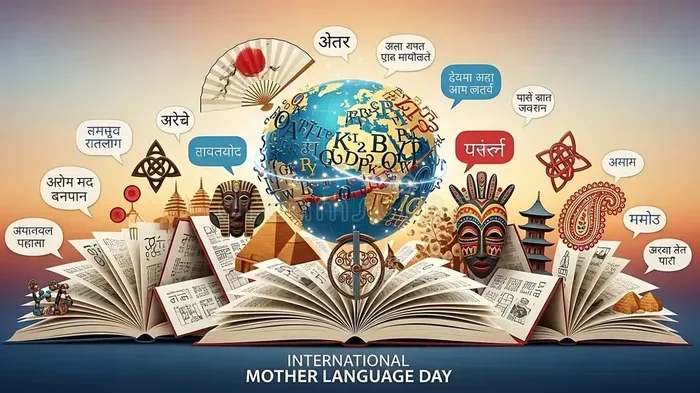

Learning how to say yes in different languages opens doors to new cultures and connections. From the cheerful “si” in Spanish to the soft “hai” in Japanese, every language has its own unique way of expressing agreement. This guide covers yes translations across continents, shares cultural insights, and gives you practical tips to sound natural wherever you go.
Imagine you are traveling through a busy market in Marrakech. A friendly shopkeeper asks if you want to see more items. You smile and say the word for yes in their language. Suddenly, the conversation flows. You feel more connected. That is the power of knowing how to say yes in different languages.
Yes is one of the first words we learn as children. Yet when you step into a new language, the simple word “yes” can take on surprising forms. Some languages use one syllable. Others use two or three. And in some cultures, saying yes means something very different than you might expect. This guide will walk you through the many ways people around the world express agreement.
Whether you are planning your next trip, studying a new language, or just curious about how people communicate, you will find plenty of useful information here. Let us dive in and explore how to say yes in different languages across the globe.
Key Takeaways
- Global Reach: You can say yes in over 100 languages, each with its own flavor and cultural weight.
- Cultural Context Matters: The way you say yes can change meaning depending on the region and situation.
- Easy Starter Words: Common yes words like “si,” “oui,” and “ja” are simple to learn and use right away.
- Non-Verbal Yes: Nodding, hand gestures, and even silence can mean yes in some cultures.
- Travel Ready: Knowing how to say yes in different languages boosts your confidence when exploring new places.
📑 Table of Contents
- Why Learning How to Say Yes in Different Languages Matters
- How to Say Yes in European Languages
- How to Say Yes in Asian Languages
- How to Say Yes in African and Middle Eastern Languages
- How to Say Yes in South American and Oceanian Languages
- Cultural Nuances Behind Saying Yes in Different Languages
- Quick Tips for Remembering Yes Words in Different Languages
- Key Takeaways
- Conclusion
Why Learning How to Say Yes in Different Languages Matters
Saying yes might seem like a small thing. But in language learning, small words carry big weight. When you use a local word for yes, people notice. It shows respect. It shows effort. And it often leads to warmer conversations.
Think about it this way. If you visit a country and speak even a few words in their language, people respond differently. They smile more. They help you more. Saying yes in their language is a quick win that builds rapport fast. It also helps you understand the in situ meaning of conversations, because you are engaging with the language as it is actually used in daily life. For more on how context shapes word meaning, check out the in situ meaning of words in different cultures.
Beyond social benefits, knowing how to say yes in different languages strengthens your overall language skills. It trains your ear for pronunciation. It builds your confidence. And it gives you a foundation for learning more complex phrases later on.
Yes Words Are Not Always the Same
Here is something interesting. In many languages, the word for yes is not a direct translation of the English word “yes.” Instead, it often comes from the verb “to agree” or “to be so.” For example, in French, “oui” comes from the Latin “oï.” In German, “ja” is similar to the English “yea.” Understanding the roots of these words makes them easier to remember.
Also, some languages do not have a single word for yes at all. In Thai, you might repeat the verb from the question to show agreement. In Chinese, “shi” or “dui” can both mean yes depending on the context. These differences make learning how to say yes in different languages a fascinating journey.
How to Say Yes in European Languages
Europe is a treasure trove of languages. Each country has its own way of saying yes. Let us tour through some of the most spoken European languages and their affirmative words.
Yes in Romance Languages
Romance languages share Latin roots, so their yes words often sound similar. Here are some common ones:
- Spanish: “Sí” — This is one of the most recognizable yes words in the world. It is easy to say and works in every Spanish-speaking country.
- French: “Oui” — The French yes is soft and musical. Pronounce it like “wee” with rounded lips.
- Italian: “Sì” — Very similar to Spanish, Italian uses “sì” with a slight accent on the vowel.
- Portuguese: “Sim” — Used in both Portugal and Brazil, “sim” is straightforward and clear.
- Romanian: “Da” — Romanian keeps it simple with a short, punchy “da.”
Yes in Germanic Languages
Germanic languages span from Western Europe to Northern Europe. Their yes words are short and strong:
- German: “Ja” — Pronounced like “yah,” this is one of the easiest yes words to learn.
- Dutch: “Ja” — Same spelling as German, but the Dutch pronunciation is a bit softer.
- Swedish: “Ja” — Swedes also use “ja,” said with a light, friendly tone.
- Norwegian: “Ja” — Nearly identical to Swedish and Dutch.
- Danish: “Ja” — Danish yes sounds a bit more like “ya” with a soft ending.
Yes in Slavic and Other European Languages
Slavic languages bring a different flavor to the word yes:
- Polish: “Tak” — Pronounced “tahk,” this is the standard Polish yes.
- Russian: “Da” — Written the same as Romanian, but pronounced with a soft “d” and a short “a.”
- Czech: “Ano” — A clear and formal way to say yes in Czech.
- Greek: “Nai” — The Greek yes has a distinctive rolling sound.
- Hungarian: “Igen” — A two-syllable yes that is easy to remember.
As you can see, Europe alone offers dozens of ways to say yes. Each one carries the rhythm and sound of its language. Mastering even a few of these will help you connect with locals during your travels.
How to Say Yes in Asian Languages
Asia is the largest and most diverse continent. Its languages offer some of the most unique ways to express agreement. Let us explore how to say yes in several major Asian languages.
Yes in East Asian Languages
- Mandarin Chinese: “Shì” or “Duì” — Both words mean yes, but they are used in different situations. “Shì” means “it is” and “duì” means “correct.”
- Japanese: “Hai” — The Japanese yes is polite and versatile. It can mean yes, I understand, or even just a way to show you are listening.
- Korean: “Ne” — Pronounced like “neh,” this is the standard Korean yes. It is casual and friendly.
- Cantonese: “Hai” — Similar to the Japanese “hai” but with a Cantonese tone.
Yes in South and Southeast Asian Languages
- Hindi: “Haan” — The Hindi yes is warm and widely used across India.
- Thai: “Chai” — Thai people also use “chai” to mean yes, though repeating the verb from a question is common too.
- Vietnamese: “Vâng” or “Dạ” — Both are polite ways to say yes in Vietnamese. “Dạ” is especially common when speaking to elders.
- Malay/Indonesian: “Ya” — Simple and easy to say, “ya” works in both Malay and Indonesian.
- Filipino: “Oo” — The Filipino yes is short and clear. It is one of the first words travelers learn.
Asian yes words often carry subtle layers of politeness and respect. In Japanese culture, “hai” does not always mean agreement. It can simply mean “I hear you.” Understanding these nuances is key to communicating well in any language.
How to Say Yes in African and Middle Eastern Languages
Africa and the Middle East are home to thousands of languages and dialects. Each region has its own way of saying yes. Here are some highlights.
Yes in African Languages
- Swahili: “Ndiyo” — This is the standard Swahili yes, used across East Africa.
- Amharic: “Aye” — Spoken in Ethiopia, “aye” is a clear and simple yes.
- Yoruba: “Bẹẹ ni” — This Yoruba phrase means “that is correct” and serves as a yes.
- Zulu: “Yebo” — A warm and emphatic yes in South African Zulu.
Yes in Middle Eastern Languages
- Arabic: “Naam” — Pronounced “nahm,” this is the standard Arabic yes used across the Middle East and North Africa.
- Hebrew: “Ken” — The Hebrew yes is short and direct. It sounds like “kenn.”
- Persian (Farsi): “Balae” — Meaning “yes” in Persian, this word is polite and commonly used in Iran.
- Turkish: “Evet” — A clear and distinct yes word in Turkish.
The diversity of yes words in Africa and the Middle East reflects the richness of these regions. Each word carries history, culture, and local identity. When you learn how to say yes in different languages from these areas, you gain a deeper appreciation for the people and their traditions.
How to Say Yes in South American and Oceanian Languages
South America and Oceania add even more variety to the global yes. Let us look at some key languages from these regions.
Yes in South American Languages
- Spanish (Latin America): “Sí” — The same as European Spanish but with regional pronunciation differences.
- Portuguese (Brazil): “Sim” — The Brazilian way to say yes, widely understood across the country.
- Quechua: “Arí” — An indigenous South American language spoken in the Andes, “arí” means yes.
- Guaraní: “Yvy” — Used in Paraguay, this is one of the unique indigenous yes words of South America.
Yes in Oceanian Languages
- Maori (New Zealand): “Āe” — A strong and clear yes in the Maori language.
- Hawaiian: “Ae” — Very similar to Maori, “ae” is the Hawaiian yes.
- Samoan: “Ioe” — A melodic yes word used in Samoan communities.
- Tongan: “ʻIo” — This Tongan yes carries a definitive tone of agreement.
Oceanian languages are some of the most unique in the world. Their yes words often carry a musical quality that reflects the rhythm of island life. Learning even one of these words can make your visit to the Pacific Islands unforgettable.
Cultural Nuances Behind Saying Yes in Different Languages
Now that you know how to say yes in many languages, it is important to understand the cultural context. In some cultures, saying yes does not always mean full agreement. Let us explore some of these fascinating differences.
The Japanese “Hai” Is Not Always Agreement
In Japan, “hai” is used constantly. It means “I am listening” or “I understand.” It does not always mean “I agree.” This is a common mistake that travelers make. They hear “hai” and assume full agreement, only to find out later that the person had a different opinion. Understanding the in situ meaning of “hai” is essential for anyone spending time in Japan. To learn more about how context shapes meaning, you can explore the in situ meaning concept in greater depth.
The Indian “Yes” Can Mean Maybe or I Hear You
In India, people often say “yes” even when they mean “I hear you” or “maybe.” A direct “no” can feel too blunt in Indian culture. So if someone says yes to your request, it might not mean they will do exactly what you asked. Pay attention to tone and follow-up conversations to understand the real meaning.
Bulgarian and Serbian Nodding Is the Opposite
In Bulgaria and parts of Serbia, nodding your head up and down means “no,” while shaking your head side to side means “yes.” It is the opposite of most Western cultures. If you are not aware of this, you could easily misunderstand someone. This is a perfect example of how yes and no work differently across cultures.
The Power of Silence
In some cultures, silence is a form of yes. In Finland, for example, long pauses in conversation are normal and comfortable. Silence does not mean disagreement. It means thoughtfulness. Understanding these non-verbal cues is just as important as knowing the word for yes.
These cultural nuances remind us that language is more than words. It is about context, respect, and understanding. When you travel or talk to people from different backgrounds, keep an open mind. Listen carefully. And remember that yes can mean many things depending on where you are.
Quick Tips for Remembering Yes Words in Different Languages
Learning how to say yes in different languages does not have to be hard. Here are some quick tips to help you remember these words faster:
- Use flashcards. Write the yes word on one side and the language on the other. Review them daily.
- Listen to native speakers. Apps and videos can help you hear the correct pronunciation.
- Practice with a partner. Say the yes words out loud. Repetition builds memory.
- Group similar words. Notice that “si,” “sì,” and “sim” all sound alike. Grouping them makes them easier to recall.
- Use them in real life. Practice with friends, language partners, or even by yourself in front of a mirror.
Common Mistakes to Avoid
- Assuming all yes words sound the same. They do not. Each language has its own pronunciation rules.
- Ignoring tone and context. A yes word can mean different things depending on how it is said.
- Overlooking non-verbal yes signals. Nodding, hand gestures, and silence all play a role.
- Skipping cultural research. Always learn about the culture behind the language. It makes your yes words more meaningful.
Key Takeaways
- Global Diversity: How to say yes in different languages reflects the incredible diversity of human communication.
- Easy to Start: Even learning a few yes words can transform your travel experiences and language skills.
- Cultural Awareness: Yes does not always mean agreement. Context, tone, and culture all matter.
- Regular Practice: Consistent practice with flashcards and real conversations helps you retain these words.
- Respect Goes a Long Way: Using local yes words shows respect and builds stronger connections with people.
- Non-Verbal Counts: Sometimes a nod or a gesture says yes louder than any word ever could.
Conclusion
Learning how to say yes in different languages is one of the simplest yet most rewarding things you can do as a language learner or traveler. From the cheerful “sí” in Spanish to the polite “hai” in Japanese, each yes word carries its own story. It carries the history, culture, and spirit of the people who use it.
We have covered yes words across Europe, Asia, Africa, the Middle East, South America, and Oceania. We have explored cultural nuances that go far beyond simple translation. And we have shared practical tips to help you remember and use these words effectively.
The next time you hear someone say yes in a language you do not know, smile. Ask them what it means. Share your own yes word in return. Language is a bridge. And the word yes is one of the strongest supports of that bridge. So go out there, learn a few new yes words, and connect with the world in a whole new way.
Frequently Asked Questions
What is the easiest yes word to learn in a foreign language?
Most learners find “ja” (German), “si” (Spanish), and “oui” (French) among the easiest yes words to start with. They are short, phonetically simple, and widely recognized.
Does every language have a word for yes?
Not exactly. Some languages, like Thai and certain Chinese dialects, repeat the verb from a question to show agreement instead of using a standalone yes word. This is a fascinating aspect of how different languages handle affirmation.
Why does the Japanese “hai” not always mean yes?
In Japanese culture, “hai” is primarily a listening cue. It shows that you are paying attention and understand what is being said. It does not always signal full agreement, which is a common point of confusion for non-native speakers.
Can nodding mean no in some countries?
Yes, in Bulgaria and parts of Serbia, nodding up and down means no, while shaking your head side to side means yes. Always be aware of local body language customs when traveling.
How many languages are there where you can say yes?
There are over 7,000 languages spoken worldwide, and virtually all of them have some form of affirmative response. The exact word varies widely, reflecting the beauty of linguistic diversity.
What is the best way to practice saying yes in new languages?
The best approach is consistent, active practice. Use language apps, watch native speakers on video, and try saying yes words out loud every day. Practicing with a language partner or tutor is even more effective for building confidence and correct pronunciation.



