
RMA stands for Return Merchandise Authorization, a process that lets customers return defective or unwanted products for a refund, replacement, or repair. Understanding the RMA meaning helps both shoppers and businesses handle returns smoothly and confidently. This guide covers every step of the RMA process, common mistakes to avoid, and expert tips for a hassle-free experience.
Have you ever bought something online, opened the box, and immediately knew it was not right? Maybe the item arrived broken, or it simply was not what you expected. In moments like these, you need a clear path to get your money back or a working replacement. That is where the RMA meaning comes into play.
RMA stands for Return Merchandise Authorization. It is the official process that allows a customer to return a product to the seller or manufacturer. Whether you are a frustrated shopper or a business owner managing product quality, understanding the RMA process can save you time, money, and a lot of stress. In this guide, we will break down everything you need to know about RMA in plain, simple language.
Key Takeaways
- RMA stands for Return Merchandise Authorization: It is a standard process used by retailers and manufacturers to approve product returns.
- The RMA process is simple: You request authorization, receive an RMA number, ship the item back, and get your refund or replacement.
- RMA matters for both businesses and consumers: It protects buyer rights and helps companies manage product quality and warranty claims.
- Common RMA mistakes include missing deadlines and poor documentation: Avoiding these saves time and frustration.
- Following RMA best practices ensures a smooth return: Keep records, read the return policy, and act within the return window.
📑 Table of Contents
- What Does RMA Stand For and What Is the RMA Meaning?
- How the RMA Process Works Step by Step
- Why RMA Matters for Both Businesses and Consumers
- Common RMA Mistakes and How to Avoid Them
- RMA Best Practices for a Smooth Return Experience
- RMA vs. Other Return Methods: A Comparison
- Expert Insights on the RMA Process
- Frequently Asked Questions About RMA
- Final Thoughts on Understanding RMA
What Does RMA Stand For and What Is the RMA Meaning?
The RMA meaning is straightforward. RMA stands for Return Merchandise Authorization. It is a system that gives customers permission to send back a product. Without this authorization, most retailers and manufacturers will not accept a return. Think of an RMA number as a golden ticket. It proves that your return has been approved and is being tracked properly.
The RMA process is used across many industries. Electronics stores, clothing brands, software companies, and even hardware manufacturers all rely on it. When you hear someone talk about an RMA request, they are simply referring to the act of asking for permission to return an item. The term return authorization is often used interchangeably with RMA.
Here is why the RMA meaning matters so much. Imagine you buy a laptop online. After a week, the screen starts flickering. You want to return it, but the website has a strict return policy. By following the RMA process, you get a structured way to communicate with the seller. You receive an official RMA number, which proves you followed the rules. This protects both you and the company.
The History of RMA and How It Evolved
The concept of return merchandise authorization has been around for decades. In the early days of retail, returns were handled informally. A customer would walk into a store with a broken item, and the clerk would decide on the spot whether to accept it. As shopping moved online, the need for a formal system grew. Companies needed a way to track returns at scale. That is when the RMA system was born.
Today, the RMA process is digital and automated. Most companies use software to generate RMA numbers instantly. Customers fill out an online form, receive an authorization code, and print a return shipping label. The entire process takes just a few minutes. This evolution has made product returns faster, fairer, and more transparent for everyone involved.
How the RMA Process Works Step by Step
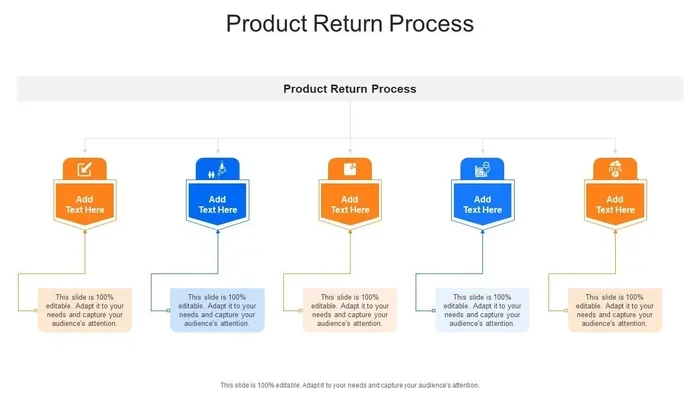
The RMA process follows a clear sequence of steps. While every company may have slight variations, the general flow remains the same. Let us walk through each step so you know exactly what to expect.
Step One: Identify the Problem and Gather Your Information
Before you start the RMA request, gather all relevant information. You will need your order number, the product model, and a clear description of the issue. If the product is defective, take photos or videos as evidence. This documentation strengthens your warranty claim and speeds up the approval process.
Also, check the return window. Most companies give you a specific number of days to request an RMA. For example, a store might allow returns within 30 days of delivery. If you miss this deadline, your RMA request may be denied. Always check the return policy before you reach out to customer service.
Step Two: Submit Your RMA Request
Once you have your information ready, submit the RMA request. Most companies offer an online portal for this. You will fill out a form that asks for details about the product and the reason for the return. Some companies also let you call or email to start the process.
After you submit, the company reviews your request. If approved, you receive an RMA number. This number is crucial. You must include it on the outside of your return package. Without it, the return authorization may not be processed, and your refund or replacement could be delayed.
Step Three: Package and Ship the Product
With your RMA number in hand, it is time to package the product. Use the original box if possible. Wrap fragile items in bubble wrap. Include all accessories, manuals, and packaging materials that came with the product. Many companies reject returns that are missing parts or original packaging.
Next, attach the return shipping label. Some companies provide a prepaid label, while others ask you to pay for shipping upfront. Keep a copy of your shipping receipt. This serves as proof that you sent the item back within the return window.
Step Four: Wait for Processing and Receive Your Resolution
Once the company receives your returned item, they inspect it. If the product matches the reason you gave for the return, they process your warranty claim or product return. You will typically receive one of three outcomes: a full refund, a replacement item, or a repair. The timeline varies by company but usually ranges from a few days to a few weeks.
Throughout this process, keep all communication records. Save emails, tracking numbers, and confirmation receipts. These documents are your safety net if anything goes wrong with the RMA process.
Why RMA Matters for Both Businesses and Consumers
The RMA meaning goes beyond just returning a product. It is a system that benefits both sides of the transaction. For businesses, it helps maintain quality control and customer satisfaction. For consumers, it provides a clear, fair path to resolve product issues.
How RMA Protects Consumers
As a consumer, the RMA process gives you power. It ensures that you are not stuck with a defective product. The return authorization system means the company must acknowledge your complaint and take action. This is especially important when dealing with product defects or items that fail within the product warranty period.
Here are key ways the RMA process protects you:
- Clear timelines: You know exactly how long the return process will take.
- Documented proof: The RMA number serves as evidence of your approved return.
- Consumer rights: The RMA system supports your right to a refund, replacement, or repair.
- No guesswork: You follow a defined return policy instead of hoping for the best.
How RMA Benefits Businesses
For businesses, the RMA process is a vital part of quality assurance. It helps companies track which products are failing and why. This data drives improvements in manufacturing and design. A well-managed RMA system also reduces costs associated with returns and exchanges.
Additionally, a smooth RMA process builds customer loyalty. When shoppers know they can return a product easily, they trust the brand more. This trust leads to repeat purchases and positive word-of-mouth. In today’s competitive market, a strong return policy backed by a clear RMA meaning is a genuine competitive advantage.
Common RMA Mistakes and How to Avoid Them
Even when you understand the RMA meaning, mistakes can happen. Many customers run into problems because they skip steps or miss deadlines. Here are the most common errors and how to avoid them.
Missing the Return Window
The most frequent mistake is waiting too long to start the RMA request. Every product has a return window, and once it closes, you lose your right to a return. To avoid this, check the return policy the moment you receive your item. Set a reminder on your phone if needed.
Forgetting the RMA Number
Shipping a return without an RMA number is like sending a letter without a stamp. The package may be refused or delayed. Always write or print the RMA number clearly on the outside of the box. Keep a copy of it in your records as well.
Not Including All Original Items
Many companies require the product to be returned in its original condition. This means including all accessories, cables, manuals, and packaging. Leaving out a single item can result in a rejected RMA request or a partial refund. Before you ship, double-check the list of items that must be included.
Poor Documentation of the Issue
Vague descriptions slow down the RMA process. When you submit your request, be specific. Instead of writing “the item does not work,” write “the power button does not respond when pressed.” Photos and videos are incredibly helpful. The better your documentation, the faster your warranty claim will be resolved.
Choosing the Wrong Shipping Method
Some return shipping labels require specific carriers or shipping methods. Using an unauthorized courier can delay processing. Always follow the shipping instructions provided with your RMA number. If you are unsure, contact customer service before shipping.
RMA Best Practices for a Smooth Return Experience
Following best practices makes the RMA process faster and less stressful. Whether you are a first-time returner or a frequent shopper, these tips will help you get the best results.
Read the Return Policy Before You Buy
This is the single most important tip. Before you click “Add to Cart,” read the return policy. Look for the return window, restocking fees, and any conditions that apply. Understanding the RMA meaning in the context of a specific store’s policy prevents surprises later.
Keep All Original Packaging
Do not throw away boxes, bubble wrap, or packing peanuts. Many companies require the original packaging for a successful product return. Keeping it also protects the item during shipping, reducing the risk of additional damage.
Act Quickly
The moment you notice a problem, start the RMA request. Delays can weaken your position, especially if the issue is time-sensitive. Quick action shows the company that you are serious and organized, which often leads to a faster resolution.
Keep Records of Everything
Save every email, tracking number, and confirmation. Create a folder in your email or on your computer dedicated to return records. If a dispute arises, these records are your strongest evidence. They prove that you followed the RMA process correctly.
Be Polite and Patient with Customer Service
Customer service agents handle hundreds of RMA requests every day. Being polite and patient goes a long way. Clearly explain your issue, provide all requested details, and follow up respectfully if you do not hear back within the expected timeframe. A positive attitude often leads to better outcomes.
RMA vs. Other Return Methods: A Comparison
Not all returns work the same way. While the RMA process is the most common formal return method, other approaches exist. Understanding the differences helps you choose the right path for your situation.
| Feature | RMA Process | Direct Store Return | Warranty Claim |
|---|---|---|---|
| Authorization Required | Yes, an RMA number is needed | No, return at point of sale | Yes, proof of purchase required |
| Return Window | Varies by company policy | Usually within 30 days | Matches warranty period |
| Resolution Options | Refund, replacement, or repair | Refund or exchange | Repair or replacement |
| Documentation | RMA number, photos, description | Receipt or order confirmation | Proof of purchase and defect |
| Best For | Online purchases and defective items | In-store purchases | Items under active warranty |
The RMA process is the most structured and widely used method for online returns. It provides a clear paper trail and ensures that both the customer and the company are protected. Direct store returns are simpler but limited to physical retail. Warranty claims focus specifically on product defects covered by the manufacturer.
Expert Insights on the RMA Process
Industry experts agree that the RMA process is one of the most overlooked yet critical parts of the customer experience. A smooth return authorization process can turn a negative experience into a positive one. According to retail analysts, companies that invest in a clear and simple RMA system see higher customer satisfaction and lower return-related costs.
From a quality assurance perspective, the data collected through RMA requests is invaluable. Companies use it to identify recurring product defects and improve their offerings. This means that every time you complete an RMA request, you are not just solving your own problem. You are also helping the company make better products for everyone.
For consumers, the key takeaway is simple. Treat the RMA process with the same care you would treat any important transaction. Read the rules, keep your records, and act promptly. Doing so ensures that you get the resolution you deserve, whether that is a refund, a replacement item, or a repair.
Frequently Asked Questions About RMA
What does RMA stand for in simple terms?
RMA stands for Return Merchandise Authorization. It is a process that gives you permission to return a product to the seller or manufacturer. Once approved, you receive an RMA number that tracks your return. This number is essential for getting your refund, replacement, or repair processed correctly.
How long does the RMA process usually take?
The timeline varies by company and the type of resolution you are seeking. Most companies process RMA requests within 5 to 10 business days. After the returned item is received and inspected, refunds typically take an additional 3 to 7 business days to appear in your account. Replacements may take longer depending on shipping and availability.
Can I return a product without an RMA number?
Most retailers and manufacturers will not accept a return without an approved RMA number. The RMA number proves that your return was authorized and tracked. Without it, your package may be refused or held indefinitely. Always complete the RMA request before shipping anything back.
Is there a cost associated with the RMA process?
It depends on the reason for the return and the company’s return policy. If the product is defective, the company usually covers return shipping costs. If you are returning an item simply because you changed your mind, you may need to pay for return shipping. Some companies also charge a restocking fee, so always check the details before starting the RMA process.
What is the difference between an RMA and a warranty claim?
An RMA is the authorization process for any type of return, including defective items, wrong products, or customer dissatisfaction. A warranty claim is specifically for products that fail due to defects within the warranty period. While all warranty claims go through an RMA process, not all RMA requests are warranty claims. Some are simple exchanges or refunds outside the warranty scope.
What should I do if my RMA request is denied?
If your RMA request is denied, first review the company’s return policy to understand why. Common reasons include missing the return window, incomplete documentation, or the product not qualifying for a return. You can contact customer service to appeal the decision. Providing additional evidence, such as photos or videos of the defect, can often change the outcome.
Final Thoughts on Understanding RMA
The RMA meaning is simpler than it might seem at first glance. RMA stands for Return Merchandise Authorization, and it is the backbone of the modern product return system. Whether you are returning a faulty gadget, exchanging the wrong size shirt, or filing a warranty claim, the RMA process gives you a clear, structured path to resolution.
Understanding the RMA meaning empowers you as a consumer. You know what to expect, how to prepare, and what to avoid. For businesses, a well-run RMA system means better quality assurance, happier customers, and fewer headaches. The return authorization process is not just a formality. It is a bridge between a problem and its solution.
So the next time you need to return a product, do not panic. Follow the steps outlined in this guide. Gather your information, submit your RMA request, and track your progress. With the right knowledge and a little patience, the RMA process becomes something you can handle with confidence. And that confidence makes all the difference.
Remember, a smooth return starts with understanding the process. Keep your RMA number safe, follow the return policy, and always act within the return window. These small habits protect your consumer rights and ensure you get the outcome you deserve. The RMA meaning is really about fairness, transparency, and giving both buyers and sellers a clear way forward.