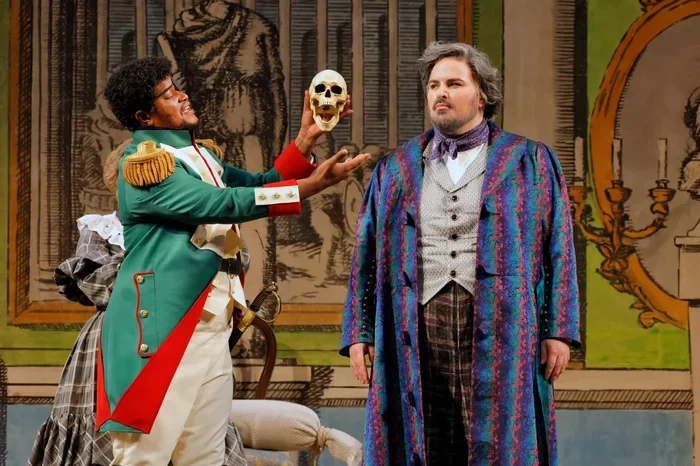

The figaro meaning traces back to Italian and Spanish origins, often linked to “son of the father” or a barber. The name gained worldwide fame through Mozart’s opera The Marriage of Figaro, the Cartier Figaro necklace, and the French newspaper Le Figaro. Whether you are exploring the name for a baby, jewelry, or cultural curiosity, this guide covers every angle of what figaro really means.
Have you ever wondered about the figaro meaning? Maybe you saw someone wearing a Figaro necklace and got curious. Or perhaps you are thinking about naming a child Figaro and want to know what you are getting into. Either way, you are in the right place. This guide breaks down everything about the name Figaro in simple, easy-to-understand terms. We will cover its origins, its role in opera, its place in jewelry, and much more. By the end, you will know the figaro meaning inside and out.
The name Figaro carries a lot of history. It is not just a random name. It has deep roots in language, culture, and art. From Italian barbers to French newspapers, Figaro shows up in surprising places. People have used this name for centuries, and it still feels fresh and interesting today. Let us dive in and explore what makes this name so special.
Key Takeaways
- Italian and Spanish Roots: The figaro meaning connects to the word for “barber” and the idea of “son of the father” in Mediterranean languages.
- Famous Opera Connection: Mozart’s The Marriage of Figaro made the name legendary in music and theater worldwide.
- Iconic Jewelry: The Cartier Figaro chain is one of the most recognized men’s necklaces, named after the character from the opera.
- French Newspaper: Le Figaro is a major French publication that carries the name with prestige and history.
- Cultural Symbol: Figaro represents cleverness, independence, and wit across art, literature, and pop culture.
- Naming Consideration: Parents choosing the name Figaro should understand its rich history, pronunciation, and cultural weight.
📑 Table of Contents
What Does Figaro Mean?
The figaro meaning is not always clear-cut. Different sources give different answers. But most experts agree on a few key interpretations. Let us look at where the name comes from and what it stands for.
Figaro Name Origin
The name Figaro has roots in Italian and Spanish. Many linguists believe it comes from the word “barbiere,” which means “barber” in Italian. In old Mediterranean towns, barbers did more than just haircuts. They also performed small surgeries and pulled teeth. So the name Figaro was sometimes linked to these skilled tradespeople.
Another theory connects Figaro to the Spanish word “hijo del barba,” meaning “son of the beard.” Over time, this phrase may have been shortened and changed into Figaro. Some scholars also point to the word “fils de Caron,” a French phrase that could have morphed into Figaro through slang and wordplay.
No matter which origin story you prefer, one thing is clear. The figaro meaning is tied to craftsmanship, skill, and everyday working people. That gives the name a down-to-earth charm that many people find appealing.
Figaro Meaning in Italian and Spanish
In Italian, the name Figaro does not have a direct dictionary translation. But it is strongly associated with the idea of a barber or a clever craftsman. In Spanish, similar roots connect to the concept of facial hair and the trades that grew around it.
Here are some key points about the figaro meaning in these languages:
- Italian: Linked to “barbiere” (barber) and skilled trades.
- Spanish: Connected to “hijo del barba” (son of the beard).
- French Influence: Possibly derived from slang phrases that evolved over centuries.
- General Symbolism: Cleverness, resourcefulness, and a touch of mischief.
These meanings paint a picture of someone who is smart, handy, and a little bit rebellious. That is a pretty cool combination for a name, right?
Figaro in Opera and Literature
If you know anything about Figaro, chances are you know it from opera. The name became world-famous thanks to a few key works of art. Let us look at how Figaro made its mark in the world of music and theater.
The Marriage of Figaro by Mozart
The most famous use of the name Figaro comes from Wolfgang Amadeus Mozart’s opera Le Nozze di Figaro, or The Marriage of Figaro. This opera premiered in Vienna in 1786. It is based on a play by Pierre Beaumarchais, a French playwright who created the character Figaro.
In the opera, Figaro is a clever valet who outsmarts his master, Count Almaviva. The story is full of humor, romance, and social commentary. Mozart’s music brought Figaro to life in a way that audiences still love today. The opera is considered one of the greatest works in the Western canon.
The figaro meaning in this context is all about wit and resilience. Figaro is a character who uses his brain to overcome challenges. He stands up to authority without being violent. That made him a symbol of cleverness and independence.
Beaumarchais and the Figaro Plays
Before Mozart, there was Beaumarchais. Pierre Augustin Caron de Beaumarchais wrote the play Le Barbier de Séville (The Barber of Seville) in 1775. He followed it up with Le Mariage de Figaro in 1778.
These plays introduced the world to Figaro as a fictional character. Beaumarchais based Figaro on his own experiences and observations of society. The character was bold, funny, and sharp-tongued. He spoke truth to power, which was quite radical for the time.
Beaumarchais’s Figaro became a symbol of the common man. He represented people who were clever enough to beat the system without picking up a sword. That is a big part of the figaro meaning that still resonates today.
Figaro as a Jewelry Brand
You have probably seen a Figaro chain before. It is one of the most popular men’s necklaces in the world. But did you know the name comes from the same Figaro we have been talking about? Let us break down the jewelry side of things.
The Famous Figaro Chain
The Cartier Figaro chain was created by the luxury brand Cartier in 1970. It was designed specifically for men and quickly became a fashion icon. The chain features a unique pattern of flat links that alternate in size. It is simple, elegant, and instantly recognizable.
Cartier named the chain after the character Figaro from Mozart’s opera. The idea was to capture the charm and cleverness of the character in a piece of jewelry. And it worked. The Figaro chain became a must-have accessory for men around the world.
Here are some reasons the Figaro chain is so popular:
- Classic Design: The pattern never goes out of style.
- Versatile Length: It comes in multiple lengths to suit any outfit.
- Luxury Brand: Cartier gives it instant prestige.
- Male-Friendly: It was one of the first luxury chains designed specifically for men.
- Cultural Cachet: Wearing a Figaro chain signals an appreciation for art and history.
Why the Figaro Necklace Is So Popular
The figaro meaning in jewelry is tied to creativity and individuality. When you wear a Figaro chain, you are not just wearing a piece of metal. You are carrying a piece of cultural history with you.
Many people choose the Figaro necklace because it stands out. It is not flashy like some other luxury chains. Instead, it has a quiet confidence. That appeals to men who want to look refined without trying too hard.
The Figaro chain also has a practical advantage. The alternating link pattern makes it very durable. It can handle everyday wear without losing its shape. That combination of style and durability is hard to beat.
Figaro the French Newspaper
Another major use of the name Figaro is in French journalism. Le Figaro is one of France’s most respected newspapers. It has a long and interesting history that is worth knowing about.
Le Figaro’s History and Influence
Le Figaro was founded in 1826. It is named after the character Figaro from Beaumarchais’s plays. The founders wanted the newspaper to embody the same spirit of independence and sharp thinking that the character represented.
Over the years, Le Figaro has been a voice of the French establishment. It is known for its center-right editorial stance and its high-quality journalism. Many of France’s most important writers and thinkers have contributed to the paper.
The newspaper’s name is a perfect fit. Figaro has always been about speaking your mind and challenging the status quo. Le Figaro carries that same energy into the world of news and opinion.
Cultural Impact of the Name Figaro
The figaro meaning goes beyond just language and jewelry. The name has left a deep mark on culture as a whole. Let us look at some of the ways Figaro shows up in the world around us.
Figaro in Art and Pop Culture
Figaro appears in more places than you might think. In addition to the opera and the newspaper, the name shows up in films, TV shows, and even video games. Each time, it carries some of the same energy that Beaumarchais gave the character centuries ago.
In popular culture, Figaro is often portrayed as a clever underdog. He is the person who outsmarts the rich and powerful. That archetype resonates with people across different cultures and time periods. It is one reason the name has stayed relevant for so long.
Disney fans might also recognize Figaro as the name of Geppetto’s kitten in the animated film Pinocchio. While this Figaro is a cat and not a human character, the name still carries the same sense of charm and personality.
The figaro meaning in pop culture is all about resourcefulness and charm. Whether it is a valet, a journalist, or a cartoon cat, the name always brings a sense of wit and warmth.
Figaro as a Baby Name
More and more parents are considering Figaro as a name for their children. It is unusual, which is part of its appeal. A child named Figaro is likely to stand out in a crowd. And the name comes with a built-in story full of art, music, and history.
Parents who choose the name Figaro often love its connection to creativity. They want their child to have a name that sparks curiosity and conversation. The figaro meaning of cleverness and independence fits that vision perfectly.
Of course, there are things to consider. The name is uncommon, which means your child may have to spell it out or explain it often. Some people might also associate it with the opera or the newspaper without knowing the full story. But for those who embrace its history, Figaro is a name full of character.
How to Choose the Name Figaro
If you are thinking about using the name Figaro, there are a few things worth keeping in mind. Let us walk through some practical tips to help you make the best decision.
Things to Consider Before Naming
First, think about the cultural weight of the name. Figaro is not just any name. It comes with a lot of history and associations. Make sure you are comfortable with those connections.
Second, consider the pronunciation. In most languages, Figaro is pronounced “fi-GAR-oh.” It is straightforward, but people from different regions may put the emphasis on different syllables. That is worth thinking about if you live in a multilingual community.
Third, consider the nickname potential. Figaro does not lend itself to many short forms. Some people might call the child “Fig” or “Fico,” but these are informal and not official. If you want a name with easy nickname options, Figaro might feel a bit limiting.
Finally, think about the long-term. A child named Figaro will grow up with a name that carries a lot of cultural references. That can be a great conversation starter and a source of pride. But it also means the name will always invite questions and curiosity.
Pronunciation and Spelling Tips
The standard pronunciation of Figaro is “fi-GAR-oh.” The stress falls on the second syllable. The “fi” is soft, like “fee.” The “gar” is hard, like in “garage.” And the “o” at the end is a clear, open vowel.
Spelling is straightforward: F-I-G-A-R-O. There are no silent letters or tricky combinations. That makes it easy for people to write the name correctly once they have seen it a few times.
Some parents choose to spell it slightly differently, like “Figaro” with a different ending, but the classic spelling is the most recognized and respected version.
Key Takeaways
- Italian and Spanish Roots: The figaro meaning connects to the word for “barber” and the idea of “son of the father” in Mediterranean languages.
- Famous Opera Connection: Mozart’s The Marriage of Figaro made the name legendary in music and theater worldwide.
- Iconic Jewelry: The Cartier Figaro chain is one of the most recognized men’s necklaces, named after the character from the opera.
- French Newspaper: Le Figaro is a major French publication that carries the name with prestige and history.
- Cultural Symbol: Figaro represents cleverness, independence, and wit across art, literature, and pop culture.
- Naming Consideration: Parents choosing the name Figaro should understand its rich history, pronunciation, and cultural weight.
Frequently Asked Questions
What is the original meaning of the name Figaro?
The original figaro meaning is tied to the Italian word for “barber” and the Spanish phrase “hijo del barba,” meaning “son of the beard.” Over time, the name evolved to symbolize cleverness, craftsmanship, and resourcefulness. Most experts agree that Figaro is a name rooted in the working-class trades of the Mediterranean region.
Why is Figaro so famous in opera?
Figaro became famous through Mozart’s opera The Marriage of Figaro, which premiered in 1786. The character is a witty and resourceful valet who outsmarts his wealthy master. The opera was groundbreaking for its time and is still performed worldwide today. It cemented Figaro as a cultural icon of cleverness and independence.
What is the Cartier Figaro chain?
The Cartier Figaro chain is a luxury men’s necklace created by Cartier in 1970. It features a unique alternating pattern of flat links and was named after the character Figaro from Mozart’s opera. The chain is known for its classic, elegant design and has become one of the most iconic men’s accessories in the world.
Is Figaro a good name for a baby?
Figaro can be a wonderful name for a baby if you love its rich history and cultural connections. It is unusual, which gives it a distinctive feel. The name carries meanings of cleverness, independence, and charm. However, parents should be prepared for questions about the name and its origins, as it is not a common choice in most countries.
What does Le Figaro mean?
Le Figaro is one of France’s most prominent newspapers, founded in 1826. It is named after the character Figaro from Beaumarchais’s plays, symbolizing independence and sharp thinking. The newspaper has a long tradition of quality journalism and is considered a voice of the French establishment.
How do you pronounce Figaro?
Figaro is pronounced “fi-GAR-oh,” with the stress on the second syllable. The “fi” sounds like “fee,” the “gar” is a hard “g” as in “garage,” and the final “o” is a clear, open vowel. The spelling is straightforward with no silent letters, making it easy to read once you know the pronunciation.
Conclusion
The figaro meaning is richer than most people realize. What starts as a simple name with roots in Italian and Spanish trades turns out to be a symbol of cleverness, independence, and cultural significance. From Mozart’s opera to Cartier’s iconic necklace to France’s leading newspaper, Figaro has left its mark on the world in big ways.
Whether you are exploring the name for a baby, considering a Figaro chain as a gift, or just curious about where the name comes from, there is a lot to appreciate. The figaro meaning is a blend of history, art, and everyday charm. It is a name that invites conversation and sparks curiosity.
If you take anything away from this guide, let it be this. Figaro is more than just a name. It is a story that spans centuries and continents. It is a reminder that even the simplest names can carry the deepest meanings. So the next time you hear the word Figaro, you will know exactly what it stands for.