

Learning how to say thank you in Japanese language opens doors to deeper cultural connections and respectful communication. The most common phrase is “arigato,” but Japanese has many levels of gratitude depending on formality and situation. This guide covers everything from casual thanks to formal expressions, pronunciation tips, and cultural context.
Key Takeaways
- Multiple Ways to Say Thank You: Japanese has several thank you phrases ranging from casual to highly formal, each fitting different social situations.
- Pronunciation Matters: Getting the tones and syllable stress right helps you sound natural and respectful when you say thank you in Japanese.
- Cultural Context Is Key: Understanding when to use each phrase shows respect for Japanese social norms and etiquette.
- Written and Spoken Forms: Japanese thank you expressions appear differently in writing (kanji and hiragana) compared to spoken conversation.
- Body Language Adds Meaning: Bowing and gestures complement your verbal thank you in Japanese and deepen the gesture.
- Practice Makes Perfect: Using these phrases in real conversations builds confidence and fluency faster than memorization alone.
📑 Table of Contents
- How to Say Thank You in Japanese Language Like a Local
- The Most Common Way: “Arigato”
- Formal and Polite Expressions of Gratitude
- Other Ways to Say Thank You in Japanese Language
- Cultural Context Behind Thank You in Japanese
- Common Mistakes When Saying Thank You in Japanese
- Quick Tips for Practicing Thank You in Japanese
- Comparing Thank You Expressions in Japanese
- Why Learning Gratitude Phrases Matters
- Final Thoughts
How to Say Thank You in Japanese Language Like a Local
Gratitude is a big deal in Japan. When you learn how to say thank you in Japanese language, you are not just memorizing words. You are stepping into a culture that values respect, humility, and thoughtfulness. The Japanese language has many ways to express gratitude, and each one fits a different situation. Some phrases work with friends. Others are perfect for business settings or meeting someone for the first time.
This guide breaks down every major way to express thanks in Japanese. You will learn the phrases, how to pronounce them, when to use them, and the cultural meaning behind each one. Whether you are planning a trip to Tokyo or just curious about Japanese culture, this article has you covered.
The Most Common Way: “Arigato”
The word arigato is the go-to thank you in Japanese for most everyday situations. You will hear it everywhere, from shops to restaurants to casual conversations with friends. It is simple, warm, and widely understood.
Here is how it breaks down:
- Arigato (ありがとう) — casual thank you
- Arigato gozaimasu (ありがとうございます) — polite thank you
- Arigato gozaimashita (ありがとうございました) — past tense thank you
Each version carries a slightly different level of formality. The base word “arigato” is perfect for friends and family. Adding “gozaimasu” makes it respectful and suitable for strangers, elders, or professional settings. The past tense “gozaimashita” is used after someone has already helped you.
Pronouncing Arigato Correctly
Pronunciation matters a lot in Japanese. Each syllable gets equal weight, unlike English where some syllables are stressed more. Here is a simple breakdown:
- A-ri-ga-to — four equal syllables
- Say each part clearly
- Do not rush through the word
- The “g” is a soft sound, not hard like in “go”
When you add “gozaimasu,” it becomes a-ri-ga-to go-za-i-ma-su. Six syllables, each one clear and distinct. Practice saying it slowly at first. Speed will come naturally over time.
Formal and Polite Expressions of Gratitude
Japanese culture places a high value on politeness. This is why the language has built-in levels of formality. Knowing when to switch from casual to formal thank you in Japanese shows that you understand and respect these social norms.
When to Use Polite Gratitude
Use polite expressions in these situations:
- Talking to someone older than you
- Interacting with coworkers or clients
- Visiting someone’s home
- Shopping at formal stores or restaurants
- Meeting someone for the first time
In these settings, arigato gozaimasu is your safest choice. It works almost everywhere and never sounds too stiff or too casual.
Super Formal Gratitude
For very formal situations, you can go even further. Phrases like “osaki ni shitsurei shimasu” express deep gratitude before leaving a gathering. Another option is “kansha shiteimasu”, which means “I am grateful.” These are less common in daily life but very important in business or ceremonial settings.
Think of it like this. Casual thank you in Japanese is like saying “thanks” in English. Polite thank you is like saying “thank you very much.” Super formal gratitude is like writing a formal thank you letter. Each level has its place.
Other Ways to Say Thank You in Japanese Language
Beyond “arigato,” Japanese offers several other expressions of gratitude. Each one carries its own nuance and fits specific situations. Let us explore them.
Sumimasen — Thank You with an Apology
Sumimasen (すみません) is a unique word. It can mean “excuse me,” “I am sorry,” and “thank you” all at once. This might sound confusing, but it makes perfect sense in Japanese culture.
When someone does something small for you, saying sumimasen shows that you appreciate their effort while also acknowledging that you are causing them a slight inconvenience. It is humble and considerate.
You might hear this when:
- Someone holds the door open for you
- A coworker picks up your slack
- A stranger gives you directions
Kansha — Deep, Heartfelt Gratitude
Kansha (感謝) means gratitude or appreciation. It is a deeper, more emotional way to express thanks. You might use it when someone has gone far above and beyond to help you.
In everyday conversation, you could say “kansha shiteimasu” to mean “I am truly grateful.” This phrase carries weight and sincerity. It is not something you would say for small favors, but it works beautifully for life-changing acts of kindness.
Sayshuku — Casual and Friendly Thanks
Sayshuku (さっすが) is a more modern and casual way to say thank you. It is often used among younger people and close friends. It carries a tone of “you really delivered” or “well done.” It is less about formal gratitude and more about admiration and appreciation.
Use this one with friends or in relaxed settings. It would not be appropriate in a business meeting or when speaking to an elder.
Cultural Context Behind Thank You in Japanese
Understanding why Japanese people express gratitude the way they do helps you use the phrases more naturally. The culture of omotenashi — wholehearted hospitality — shapes how people give and receive thanks in Japan.
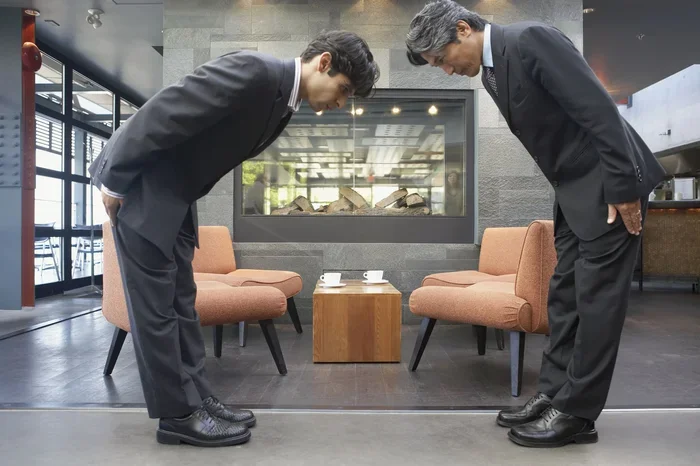
In Japanese culture, gratitude is not just a word. It is an action. When someone thanks you, they might bow. The depth of the bow shows the level of appreciation. A slight nod works for casual thanks. A deeper bow shows deep respect and gratitude.
Similarly, when you say thank you in Japanese, pairing it with a small bow makes the gesture complete. You do not need to bow deeply every time. Even a slight incline of the head shows sincerity.
The Japanese also value the idea of reading the air (kuuki wo yomu). This means understanding the social situation and responding appropriately. Using the right level of gratitude shows that you can read the room. It shows emotional intelligence and cultural awareness.
In Japanese culture, animals also carry deep symbolic meaning. For example, foxes are seen as messengers of the gods in Shinto tradition. If you are exploring Japanese symbolism further, you might enjoy learning about Japanese Fox Names to understand this cultural connection better. Similarly, cats hold a special place in Japanese folklore — the famous Maneki-neko (beckoning cat) is a symbol of good fortune and gratitude. You can explore more about cats in Japanese culture through Japanese Cat Names. Even ferrets have a place in Japanese naming traditions, which you can discover through Japanese Ferret Names. These cultural connections help paint a fuller picture of how gratitude and symbolism intertwine in Japanese life.
There is also the concept of understanding things in their original and proper context. When you learn how to say thank you in Japanese language, it helps to understand the deeper cultural meaning behind each phrase. This idea of grasping something in its true setting is something you can explore further through our article on In Situ Meaning, which explains how context shapes understanding across cultures and languages.
Common Mistakes When Saying Thank You in Japanese
Learning a new language comes with mistakes. Here are some common ones to avoid when expressing gratitude in Japanese.
Using Casual Language in Formal Settings
This is the most common mistake. Saying “arigato” to a boss or an elder can come across as too casual and even disrespectful. Always default to “arigato gozaimasu” when you are unsure of the situation.
Overusing Formal Expressions
On the flip side, using super formal gratitude with close friends can feel awkward and distant. Match the level of formality to the relationship. Friends and family expect casual warmth, not stiff politeness.
Ignoring Pronunciation
Japanese has clear syllable boundaries. Each sound is pronounced fully. Skipping syllables or adding English-style stress makes words harder to understand. Take your time and pronounce each part clearly.
Forgetting Non-Verbal Cues
Saying thank you without a bow or a smile feels incomplete in Japanese culture. Your body language carries as much meaning as your words. Add a nod or a small bow to show genuine appreciation.
Quick Tips for Practicing Thank You in Japanese
Here are some practical ways to build your gratitude vocabulary and use it with confidence:
- Practice out loud every day. Saying “arigato gozaimasu” five times a morning builds muscle memory.
- Watch Japanese shows and movies. Pay attention to how characters thank each other in different situations.
- Use language apps. Apps like Duolingo or Busuu offer pronunciation practice for Japanese phrases.
- Find a language partner. Practicing with a native speaker gives you real-time feedback on tone and formality.
- Write thank you notes in Japanese. Even short notes reinforce the phrases and show cultural effort.
- Start with one phrase. Master “arigato gozaimasu” first, then slowly add more expressions to your toolkit.
Comparing Thank You Expressions in Japanese
Here is a quick comparison of the main thank you phrases in Japanese:
| Phrase | Level | When to Use | Romanization |
|---|---|---|---|
| Arigato | Casual | Friends, family, peers | a-ri-ga-to |
| Arigato gozaimasu | Polite | Strangers, work, formal settings | a-ri-ga-to go-za-i-ma-su |
| Arigato gozaimashita | Polite (past) | After someone has helped you | a-ri-ga-to go-za-i-ma-shi-ta |
| Sumimasen | Casual/Polite | Small favors, apologetic thanks | su-mi-ma-sen |
| Kansha shiteimasu | Formal | Deep gratitude, heartfelt thanks | kan-sha-shi-te-i-ma-su |
| Sayshuku | Very Casual | Close friends, admiration | sa-suku |
This table gives you a quick reference. Keep it handy as you practice and explore the different ways to say thank you in Japanese language.
Why Learning Gratitude Phrases Matters
Learning how to say thank you in Japanese language does more than help you order food or navigate a trip. It shows respect for the people you meet and the culture you are visiting. Japanese people deeply appreciate when foreigners make the effort to speak even a few words of their language.
Gratitude phrases also serve as a social bridge. A simple “arigato gozaimasu” can turn a transactional interaction into a warm human connection. It signals that you see the other person, value their effort, and respect their culture.
In a broader sense, learning gratitude expressions is one of the first steps toward understanding Japanese values. Concepts like humility, respect, and appreciation are woven into the fabric of daily life. Every thank you phrase you learn brings you closer to understanding what makes Japanese culture unique.
So whether you are saying thank you to a shopkeeper in Kyoto or texting a Japanese friend after a meal, you now have the tools to express gratitude the right way. Start with the basics, practice consistently, and let the culture guide you as you grow.
Final Thoughts
Mastering thank you in Japanese is simpler than it might seem at first. Start with “arigato gozaimasu” as your default. It works in almost any situation and never fails to make a good impression. From there, you can explore the casual, formal, and heartfelt variations as your confidence grows.
Remember that language is about connection, not perfection. Every time you say thank you in Japanese, you are building a bridge between your culture and theirs. That alone is something worth celebrating. So go ahead, practice your phrases, bow with sincerity, and let gratitude lead the way.
Frequently Asked Questions
What is the simplest way to say thank you in Japanese?
The simplest and most widely used phrase is “arigato” (ありがとう). It works in casual settings with friends and family. For a slightly more polite version, add “gozaimasu” to make it “arigato gozaimasu,” which is appropriate in most situations.
Is there a difference between thank you and thank you very much in Japanese?
Yes. “Arigato” is like saying “thanks,” while “arigato gozaimasu” is closer to “thank you very much.” For even deeper gratitude, you can say “kansha shiteimasu,” which conveys heartfelt appreciation. The more formal the setting, the more you lean toward polite or formal expressions.
Can I use “sumimasen” to say thank you?
Absolutely. “Sumimasen” is a versatile word that can mean “thank you,” “excuse me,” or “I am sorry.” It is commonly used when someone does a small favor for you. It carries a humble tone that fits well in everyday Japanese conversations.
Do I need to bow when I say thank you in Japanese?
Bowing is not mandatory, but it adds warmth and sincerity to your gratitude. A small nod is enough for casual thanks. A deeper bow shows greater respect and is appropriate in formal or business settings. Pairing a thank you phrase with a bow makes your expression of gratitude feel complete.
How do I write thank you in Japanese characters?
The word “arigato” in kanji is written as 有り難う. The polite form “arigato gozaimasu” uses hiragana ありがとうございます. Learning to write these characters is a great way to deepen your connection to the Japanese language and its rich writing system.
What is the most polite way to say thank you in Japanese?
The most polite standard expression is “arigato gozaimasu.” For extremely formal or ceremonial situations, “kansha shiteimasu” conveys deep and sincere gratitude. In business settings, combining polite language with a respectful bow creates the most impactful expression of thanks.



