
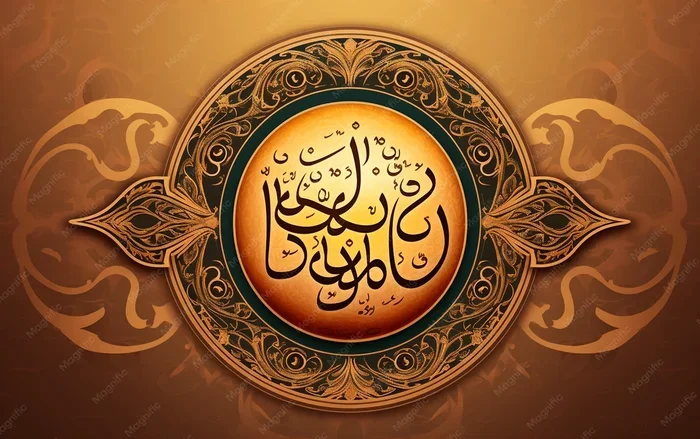

The Arabic word for God is Allah, a name rich in history, meaning, and spiritual depth. Whether you are learning Arabic for faith, travel, or curiosity, understanding how to say God in Arabic opens a window into one of the world’s most widely spoken languages. This guide covers the true meaning, pronunciation, and cultural significance of God in the Arabic-speaking world.
Key Takeaways
- Allah is the Arabic word for God: Used by Arabic speakers worldwide, both Muslim and non-Muslim, to refer to the one supreme deity.
- The name carries deep meaning: Allah combines the definite article “Al” with “ilah,” meaning “The One True God” in Arabic.
- Pronunciation is straightforward: Allah is pronounced “Ah-lah” and is easy for beginners to say correctly.
- God in Arabic has linguistic roots: The word connects to older Semitic languages like Hebrew and Aramaic, where similar terms for God exist.
- Cultural context matters: Understanding how to say God in Arabic also means understanding the respectful way Arabic speakers address the divine.
- Related terms add richness: Words like “Rabb” (Lord) and “Rahman” (The Most Merciful) expand your Arabic spiritual vocabulary.
📑 Table of Contents
- How to Say God in Arabic: The Word Allah Explained
- The Meaning and Origin of Allah
- How to Pronounce Allah Correctly
- The Arabic Word for God in Different Contexts
- Other Words for God in Arabic
- The Spiritual Significance of God’s Name in Arabic
- How to Write God in Arabic Script
- Common Mistakes People Make When Learning This Topic
- Quick Tips for Beginners
- Key Takeaways
- Frequently Asked Questions
- Conclusion
How to Say God in Arabic: The Word Allah Explained
If you have ever wondered how to say God in Arabic, the answer is simple: Allah. This single word carries immense weight, history, and beauty. It is the name Arabic speakers use for God, no matter their background. Over 400 million people speak Arabic worldwide, and for most of them, Allah is the most familiar and sacred name for the divine.
You do not need to be Muslim to use the word. Arabic-speaking Christians, Jews, and secular people also say Allah when referring to God. The word is simply the Arabic term for God. It is not exclusive to one religion, even though many people associate it primarily with Islam.
Understanding how to say God in Arabic goes beyond just learning a translation. It means diving into the language, culture, and spiritual traditions behind the word. The Arabic language treats names with great respect, and the name of God is no exception. When you learn to say Allah, you are connecting with a tradition that stretches back over 1,400 years.
The beauty of the word Allah lies in its simplicity and depth. It is short, easy to pronounce, and full of meaning. Whether you are studying Arabic for work, travel, faith, or personal growth, this word will come up again and again. Let us break it down and explore everything you need to know.
The Meaning and Origin of Allah
The word Allah comes from the Arabic root word “ilah,” which means “deity” or “god.” The prefix “Al” is the definite article in Arabic, similar to “the” in English. So Allah literally means “The God” or “The One God.” This is a powerful and specific term. It points to a single, supreme creator rather than any of the many gods people worship around the world.
Linguistic Roots in Ancient Languages
The word Allah has deep roots in ancient Semitic languages. In Hebrew, the word for God is “Elohim.” In Aramaic, the language Jesus spoke, the word “Alaha” means God. You can see the clear connection. The Arabic “Allah” and the Aramaic “Alaha” share the same linguistic origin. This shows how the concept of one God connects people across different cultures and faiths.
When you explore how to say God in Arabic, you are also exploring a shared linguistic heritage. The word Allah fits into a family of similar divine names across the Middle East and North Africa. This linguistic link helps us understand how ancient peoples communicated their belief in one supreme being.
Al-Ilah: The One True God
Some scholars break the word Allah into two parts: “Al” and “ilah.” Together, they form “Al-Ilah,” which means “The God” or “The One Worthy of Worship.” This definition emphasizes that Allah is not just one god among many. Allah is the only true God. This concept is central to Islamic theology, but it also resonates with Arabic speakers of all backgrounds.
The word “ilah” on its own can refer to any deity. But when you add “Al” in front of it, the meaning becomes singular and absolute. It becomes the one and only God. This linguistic detail is important for anyone learning Arabic. It shows how the language uses prefixes and suffixes to refine meaning.
How to Pronounce Allah Correctly
Pronouncing Allah correctly is easier than you might think. The word has two syllables. Here is a simple breakdown:
- Al — pronounced like “ahl” with a short “a” sound, similar to the “a” in “cat.”
- lah — pronounced like “lah” with a soft “l” and a short “a.”
Put them together, and you get “Ah-lah.” That is it. There is no silent letter or tricky sound. The “h” in “Al” is a soft breath, not a hard exhale. If you say the word slowly and clearly, you will sound natural.
Common Pronunciation Mistakes
Some people try to pronounce Allah with a hard “L” at the start, almost like “All-uh.” This is incorrect. The “Al” in Allah is not two separate syllables. It blends together as “ahl.” Another mistake is adding an extra syllable at the end, like “Allah-oo.” Keep it to two syllables: “Ah-lah.”
If you want to practice, try saying the word slowly a few times. Listen to native speakers online or in Arabic media. With a little repetition, the pronunciation will feel natural. Remember, how to say God in Arabic is not about perfection. It is about respect and effort.
The Arabic Word for God in Different Contexts
The word Allah is used in many different contexts across the Arabic-speaking world. It appears in daily conversation, religious texts, poetry, art, and even casual greetings. Understanding these contexts helps you appreciate the depth of the word.
In Religious Texts
The Quran, the holy book of Islam, uses the word Allah more than 2,500 times. Each mention carries a specific spiritual weight. In the Quran, Allah is described with many beautiful names, such as Ar-Rahman (The Most Merciful) and Al-Malik (The King). These names reveal different aspects of God’s character and nature.
When you read the Quran or listen to it recited, the word Allah appears in nearly every verse. It is the most common word in the entire text. This shows just how central the name is to Islamic worship and teaching.
In Everyday Conversation
Arabic speakers use Allah in everyday life more than you might expect. People say “Allah yihdik” (God guide you) as a common expression of kindness. You might hear “Alhamdulillah” (praise be to God) after someone shares good news. These phrases are a natural part of Arabic culture and language.
Even Arabic-speaking Christians use the word Allah to refer to God. In Arabic Bibles, the word Allah appears as the translation for God. This is because “Allah” is simply the Arabic word for God, not a name exclusive to Islam. It is the same way English speakers say “God” regardless of denomination.
In Art and Calligraphy
Arabic calligraphy is one of the most beautiful art forms in the world. The word Allah is one of the most commonly calligraphed words. Artists spend years mastering the elegant curves and strokes of Arabic letters. The word Allah, written in calligraphy, appears on mosques, homes, jewelry, and textiles.
The visual beauty of the word adds another layer of meaning. When you see Allah written in Arabic script, you are not just reading a word. You are experiencing centuries of artistic and spiritual tradition. The in situ meaning of the calligraphy — how it fits within its cultural and artistic context — deepens your appreciation for the word even further.
Other Words for God in Arabic
While Allah is the most common and important word for God in Arabic, there are other terms that Arabic speakers use to describe God. Each word carries a slightly different nuance and feeling.
Rabb (Lord)
The word Rabb means “Lord” or “Sustainer” in Arabic. It appears in the Quran frequently and is used by Arabic speakers in daily prayer. When someone says “Ya Rabb” (O Lord), they are calling out to God with deep reverence and trust. The word Rabb emphasizes God’s role as the protector and provider of all creation.
Rahman and Rahim (The Most Merciful)
Ar-Rahman means “The Most Merciful” and Ar-Rahim means “The Especially Merciful.” These two names appear together at the beginning of nearly every chapter of the Quran. They remind Arabic speakers that God’s mercy is vast and all-encompassing. When you learn how to say God in Arabic, knowing these related names adds richness to your understanding.
Al-Khaliq (The Creator)
Al-Khaliq is another important name for God in Arabic. It means “The Creator.” This name highlights God’s role in bringing the universe into existence. Arabic speakers often use this name in prayers of gratitude and reflection.
| Arabic Word | Translation | Meaning |
|---|---|---|
| Allah | God | The One Supreme Creator |
| Rabb | Lord | Sustainer and Protector |
| Ar-Rahman | The Most Merciful | God’s boundless mercy |
| Ar-Rahim | The Especially Merciful | God’s continuous mercy |
| Al-Khaliq | The Creator | God as the maker of all things |
These words are not just translations. They are names that Arabic speakers use to build a personal relationship with God. Each name reveals a different quality of the divine. When you learn them, you learn more than vocabulary. You learn how Arabic-speaking people understand and connect with the sacred.
The Spiritual Significance of God’s Name in Arabic
The name Allah holds a special place in the hearts of Arabic speakers. It is not just a word. It is a name that carries weight, reverence, and love. When a Muslim says Allah, they feel a direct connection to the divine. This connection is at the heart of Islamic spirituality.
In Arabic culture, names are treated with great respect. This is especially true for the name of God. You will notice that Arabic speakers never use the word Allah lightly or in anger. It is always spoken with care and intention. This cultural norm teaches us something important about the power of words and names.
The concept of god speed meaning — wishing someone divine protection and success — is also reflected in how Arabic speakers invoke God’s name in daily life. Phrases like “Ma sha’ Allah” (What God wills) and “Insha’ Allah” (God willing) remind speakers that every event is part of God’s plan. These expressions keep God present in everyday moments.
How to Write God in Arabic Script
If you want to write the word God in Arabic, you will write it as الله. This is the Arabic script for Allah. The word is written from right to left, as all Arabic text is. It consists of four letters: Alif, Lam, Lam, and Ha.
Here is a simple breakdown of the letters:
- Alif (ا) — a long “a” sound
- Lam (ل) — an “l” sound (appears twice)
- Ha (ه) — a soft “h” sound
When you put them together, you get الله (Allah). The two Lam letters are connected, which gives the word its distinctive shape in Arabic calligraphy. If you are learning Arabic script, this is one of the first words you should practice. It is short, meaningful, and appears everywhere in the Arabic-speaking world.
Common Mistakes People Make When Learning This Topic
Learning how to say God in Arabic is straightforward, but some common mistakes can trip you up. Here are a few to watch out for.
- Assuming Allah is only for Muslims. As we discussed, Arabic-speaking Christians and Jews also use the word Allah. It is simply the Arabic word for God.
- Pronouncing it with three syllables. Some people say “All-ah-oo.” Keep it to two syllables: “Ah-lah.”
- Confusing Allah with a personal name. Allah is not a personal name like “Bob” or “Sarah.” It is a title and a description of the one true God.
- Ignoring the cultural context. The way Arabic speakers use and think about the word Allah is shaped by centuries of tradition and faith. Respecting this context is essential.
Avoiding these mistakes will help you use the word correctly and respectfully. It will also deepen your understanding of the Arabic language and culture.
Quick Tips for Beginners
If you are just starting to learn Arabic, here are some quick tips to help you master the word Allah and related terms.
- Listen and repeat. Find audio clips of native speakers saying Allah. Repeat after them until the pronunciation feels natural.
- Use it in context. Practice saying phrases like “Alhamdulillah” or “Insha’ Allah.” Using the word Allah in real phrases helps you remember it.
- Learn the Arabic script. Even if you cannot read Arabic fluently, recognizing the word الله on signs and in texts will boost your confidence.
- Explore related names. Learn a few other names for God in Arabic, like Rabb and Rahman. This expands your vocabulary and deepens your understanding.
- Be respectful. When you say Allah, do so with sincerity and care. This simple gesture shows respect for the language and culture.
Key Takeaways
- Allah is the Arabic word for God: Used by Arabic speakers worldwide, both Muslim and non-Muslim, to refer to the one supreme deity.
- The name carries deep meaning: Allah combines the definite article “Al” with “ilah,” meaning “The One True God” in Arabic.
- Pronunciation is straightforward: Allah is pronounced “Ah-lah” and is easy for beginners to say correctly.
- God in Arabic has linguistic roots: The word connects to older Semitic languages like Hebrew and Aramaic, where similar terms for God exist.
- Cultural context matters: Understanding how to say God in Arabic also means understanding the respectful way Arabic speakers address the divine.
- Related terms add richness: Words like “Rabb” (Lord) and “Rahman” (The Most Merciful) expand your Arabic spiritual vocabulary.
Frequently Asked Questions
Is Allah the same as God in English?
Yes, Allah is the Arabic word for God. Arabic-speaking Christians, Jews, and Muslims all use the word Allah to refer to the one God. It is simply the Arabic translation of the English word God, not a separate deity.
Can non-Muslims say Allah?
Absolutely. Anyone can say Allah. It is the standard Arabic word for God and is used by people of all faiths in Arabic-speaking countries. There is no restriction on who can use the word.
How do you write Allah in Arabic letters?
Allah is written as الله in Arabic script. It consists of four letters: Alif, Lam, Lam, and Ha. The word is written from right to left, following standard Arabic writing direction.
What does the name Allah literally mean?
The name Allah comes from “Al-Ilah,” which means “The God” or “The One Worthy of Worship.” The prefix “Al” means “The,” and “ilah” means “god” or “deity.” Together, they form a word that specifically refers to the one true God.
Are there other names for God in Arabic besides Allah?
Yes, Arabic has many names for God. Some common ones include Rabb (Lord), Ar-Rahman (The Most Merciful), Ar-Rahim (The Especially Merciful), and Al-Khaliq (The Creator). Each name highlights a different quality of God.
Do Arabic-speaking Christians say Allah for God?
Yes, they do. Arabic Bibles use the word Allah for God. The word is simply the Arabic term for God and is not exclusive to Islam. This is similar to how English speakers say “God” regardless of their specific religious tradition.
Conclusion
Learning how to say God in Arabic is more than just memorizing a word. It is an invitation into a rich linguistic and spiritual tradition that has shaped the lives of millions of people for centuries. The word Allah carries meaning, history, and beauty in every syllable. Whether you say it in prayer, in conversation, or simply out of curiosity, you are connecting with something profound.
The Arabic language gives us a unique window into how people understand and express their faith. The word Allah is not just a translation. It is a name that resonates with devotion, respect, and love. When you take the time to learn it properly, you show respect for the language and the culture behind it.
So the next time you hear someone say Allah, you will know exactly what it means. You will understand its roots, its pronunciation, and its significance. And if you ever want to say it yourself, you now have everything you need. How to say God in Arabic is simple, but the meaning behind the word is infinite.



