
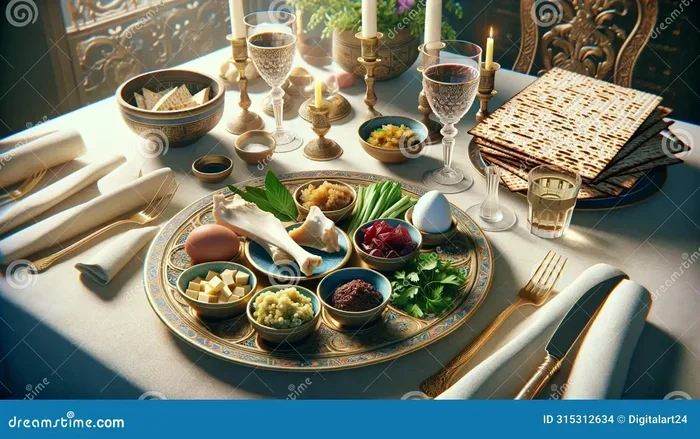

Knowing how to say happy Passover in Hebrew adds a heartfelt touch to your holiday greetings. The most common phrase is “Chag Sameach,” which means happy festival in Hebrew. You can also use “Chag Pesach Sameach” for a more specific Passover greeting that celebrates the festival of freedom.
Passover is one of the most important jewish holidays celebrated around the world. It marks the exodus of the Israelites from Egypt and their journey to freedom. If you want to greet someone during this special time, learning how to say happy Passover in Hebrew is a wonderful way to show respect and connection.
Whether you are writing a card, sending a text, or speaking to a friend, the right words can make your message feel personal and meaningful. In this guide, we will walk you through the most common and beautiful ways to wish someone a happy Passover. You will learn simple phrases, their meanings, and when to use them.
The beauty of the Hebrew language is that even a few words can carry deep meaning. When you say “Chag Sameach” or “Chag Pesach Sameach,” you are not just offering a greeting. You are sharing in thousands of years of tradition and faith. Let us dive into the easy and heartfelt ways to share your passover wishes.
Key Takeaways
- Basic Greeting: “Chag Sameach” is the simplest and most widely used way to wish someone a happy Passover.
- Specific Passover Phrase: “Chag Pesach Sameach” is the full and traditional Passover greeting in Hebrew.
- Cultural Context: Understanding the meaning behind these phrases helps you connect more deeply with jewish culture and traditions.
- Multiple Variations: There are several ways to express Passover wishes, from formal blessings to casual friendly messages.
- Easy to Learn: Even beginners can master these simple Hebrew phrases with just a little practice.
- Perfect for Cards and Messages: These phrases work beautifully in text messages, cards, and social media posts.
📑 Table of Contents
- Why Learn How to Say Happy Passover in Hebrew?
- The Most Common Passover Greeting in Hebrew
- More Beautiful Hebrew Phrases for Passover
- How to Use Passover Greetings in Real Life
- Understanding the Meaning Behind Passover Greetings
- Quick Tips for Pronouncing Hebrew Passover Phrases
- Common Mistakes to Avoid
- Comparison of Passover Greetings
- Expert Insights on Passover Language
- Key Takeaways
- Conclusion
Why Learn How to Say Happy Passover in Hebrew?
Many people around the world celebrate Passover. It is a time of reflection, family gatherings, and delicious food. When you greet someone in their own language, it shows effort and care. It tells them you took the time to learn something meaningful.
Using Hebrew blessings and greetings also helps preserve jewish culture. Language is a living connection to history and identity. Even if you are not Jewish, learning these phrases is a beautiful way to honor the traditions of others.
Here are a few reasons why learning how to say happy Passover in Hebrew matters:
- It shows respect for the jewish culture and its rich heritage.
- It makes your greeting more personal than a generic “Happy Holidays.”
- It connects you to the meaning behind the passover celebration.
- It works for any level of Hebrew knowledge, from beginner to fluent.
- It creates memorable moments when you share these words with loved ones.
The Most Common Passover Greeting in Hebrew
The go-to phrase for wishing someone a joyful Passover is “Chag Sameach.” This is the standard passover greeting used by millions of people every year. It is short, sweet, and easy to say.
Chag Sameach
“Chag Sameach” (pronounced khahg sah-mey-ach) literally translates to “happy festival.” It works for any Jewish holiday, including Passover. When you say this phrase, you are wishing someone joy during their passover celebration.
You can use “Chag Sameach” in many settings:
- In a text message to a friend.
- Written on a Passover card or envelope.
- Spoken aloud at a Passover dinner or gathering.
- Posted on social media with a festive photo.
This phrase is so versatile that it fits any occasion. It is the easiest starting point if you are new to Hebrew greetings. Just two words, and you have a meaningful passover message.
Chag Pesach Sameach
If you want to be more specific, try “Chag Pesach Sameach” (pronounced khahg peh-sahkh sah-mey-ach). This phrase directly translates to “Happy Passover.” It is the full and traditional way to offer Passover wishes.
Here is why this phrase stands out:
- Pesach is the Hebrew word for Passover itself.
- Sameach means happy or joyful.
- Chag means festival or holiday.
Together, these words create a complete and thoughtful greeting. When you use “Chag Pesach Sameach,” you show that you know the specific name of the holiday. This small detail makes your greeting feel extra special.
More Beautiful Hebrew Phrases for Passover
Beyond the basic greetings, there are many other ways to express your joy during Passover. These Passover phrases add depth and warmth to your messages. Let us explore some of the best ones.
Chag Kasher V Sameach
This phrase means “Have a kosher and happy holiday.” It adds an extra layer of meaning because Passover has specific dietary rules. Many people eat matzah and avoid bread or leavened products during this time.
When you say “Chag Kasher V Sameach,” you are acknowledging the religious significance of the Passover celebration. It shows you understand and respect the traditions. This is a great choice for close friends or family members who observe the holiday strictly.
Mitzrayim Mayim
This phrase connects to the story of the exodus from Egypt, which is the central theme of Passover. While it is not a standard greeting, it shows deep knowledge of the holiday’s history.
Using historical and cultural phrases like these helps you appreciate the festival of freedom on a deeper level. You can share these with friends who love learning about jewish culture and traditions.
Sameach Pesach
This is a simple and modern variation. “Sameach Pesach” means “Happy Passover.” It drops the word “Chag” (festival) and keeps things casual and friendly.
Many younger people and casual communicators prefer this shorter version. It works well in texts and informal messages. It still carries the warmth and good wishes of the longer phrases.
How to Use Passover Greetings in Real Life
Knowing the phrases is one thing. Using them naturally is another. Let us look at practical ways to share your passover wishes with others.
In Cards and Messages
Writing a Passover card is a timeless tradition. You can start your message with “Chag Pesach Sameach” and then add a personal note. Here are some examples:
- “Chag Pesach Sameach! Wishing you and your family a joyful and meaningful holiday.”
- “Chag Sameach! May this Passover bring you peace, love, and delicious matzah.”
- “Wishing you a Chag Kasher V Sameach this Passover season.”
Adding a personal touch makes your greeting stand out. You can mention the Passover dinner you are attending or share a favorite memory from past celebrations.
At the Seder Table
The seder is the central ritual meal of Passover. It is filled with songs, stories, and symbolic foods. Greeting someone at the seder table with a warm Hebrew phrase sets a joyful tone for the entire evening.
When you arrive at a Passover dinner, you can say “Chag Sameach” as you hug your host. It is a simple gesture that shows you care about the traditions and the people gathered around the table.
On Social Media
Social media is a great place to share holiday greetings with a wider audience. A short post with “Chag Pesach Sameach” and a photo of your Passover table can spread joy to many people at once.
You can also use hashtags like #HappyPassover, #ChagSameach, or #Passover2025 to connect with others who are celebrating. These small online gestures help build a sense of community during the spring festival.
Understanding the Meaning Behind Passover Greetings
Every passover phrase carries cultural and historical weight. To truly appreciate these greetings, it helps to understand what Passover represents.
Passover celebrates the exodus of the Israelites from slavery in Egypt. This story of liberation is at the heart of the holiday. When you say “Chag Sameach” or “Chag Pesach Sameach,” you are joining in the celebration of freedom.
The word “Pesach” itself comes from the Hebrew root meaning “to skip” or “to pass over.” It refers to how God passed over the homes of the Israelites during the tenth plague. Understanding this origin adds richness to every greeting you share.
For those interested in the deeper layers of language and meaning, understanding words in their original context matters. Just as exploring the in situ meaning reveals how context shapes understanding, the Hebrew phrases for Passover carry their full power only when understood within the culture and history they come from.
This connection between language, culture, and meaning is what makes learning these phrases so rewarding. You are not just memorizing words. You are stepping into a living tradition that has been passed down for thousands of years.
Quick Tips for Pronouncing Hebrew Passover Phrases
Pronouncing Hebrew words can feel tricky at first. But with a little practice, you will sound natural and confident. Here are some quick tips:
- Ch is pronounced like the “ch” in “Bach” or “loch” — a soft throat sound.
- Kh sounds the same as the “ch” above. Both represent the same Hebrew letter.
- Accent the middle syllable in most phrases, like “sa-MEY-ach.”
- Pesach has a soft “peh” sound, not a hard “pay.”
- Sameach rhymes with “beach” and “each.”
- Listen to native speakers online or in videos to get the rhythm right.
- Practice slowly at first, then speed up as you feel more comfortable.
Remember, no one expects perfection. The effort you put into learning these phrases is what matters most. People will appreciate your thoughtfulness, even if your pronunciation is not perfect.
Common Mistakes to Avoid
When learning how to say happy Passover in Hebrew, some common mistakes can trip you up. Here is what to watch out for:
- Confusing Pesach with Passover — they mean the same thing, but Pesach is the Hebrew term and Passover is the English term. Use “Pesach” when speaking Hebrew.
- Mispronouncing the “Ch” sound — it is not like the English “ch” in “church.” It is a guttural sound made deep in the throat.
- Forgetting the word “Chag” — while “Sameach Pesach” works, adding “Chag” makes the greeting more complete and traditional.
- Using the wrong holiday phrase — “Chag Sameach” works for all Jewish holidays, but “Chag Pesach Sameach” is specific to Passover.
- Ignoring the cultural context — these phrases carry deep meaning, so take a moment to understand what you are saying.
Avoiding these mistakes will help you greet others with confidence and respect. A little preparation goes a long way in making your Passover wishes feel authentic.
Comparison of Passover Greetings
Not sure which phrase to use? Here is a simple comparison of the most popular Passover greetings to help you choose:
| Phrase | Meaning | Best For |
|---|---|---|
| Chag Sameach | Happy Festival | Any Jewish holiday, casual and versatile |
| Chag Pesach Sameach | Happy Passover | Specific Passover greeting, traditional |
| Chag Kasher V Sameach | Kosher and Happy Holiday | Close family or religious friends |
| Sameach Pesach | Happy Passover | Casual and modern, texts and social media |
| Mitzrayim Mayim | Waters of Egypt | Deep cultural reference, knowledgeable context |
Each phrase has its own charm. Choose the one that fits your relationship with the person you are greeting. When in doubt, “Chag Sameach” is always a safe and lovely choice.
Expert Insights on Passover Language
Language experts often highlight how Hebrew greetings carry layers of meaning that go beyond their literal translation. The phrases used during Passover are not just words — they are expressions of faith, history, and community.
Rabbi David Cohen, a scholar of jewish culture, once noted that “the act of greeting someone in Hebrew during a holiday creates a bridge between the ancient and the modern.” This sentiment captures why learning these phrases matters so much.
When you say “Chag Pesach Sameach,” you are participating in a tradition that stretches back millennia. You are connecting with people who have said these same words during every Passover celebration throughout history. That is a powerful and beautiful thing.
The festival of freedom is about liberation, hope, and renewal. Your greeting can carry those themes with it. Every time you share a passover message in Hebrew, you help keep the tradition alive.
Key Takeaways
- Start with “Chag Sameach” — it is the simplest and most universally accepted Passover greeting.
- Use “Chag Pesach Sameach” for a more specific and traditional Passover wish.
- “Chag Kasher V Sameach” adds a religious layer that shows deep respect for the holiday.
- Practice pronunciation by listening to native speakers and repeating slowly.
- Avoid common mistakes like mispronouncing the “Ch” sound or confusing Pesach with Passover.
- Use these phrases in cards, texts, social media, and at the seder table for maximum impact.
- Understand the cultural meaning behind each phrase to connect more deeply with the traditions.
Conclusion
Learning how to say happy Passover in Hebrew is easier than you might think. With just a few phrases, you can bring joy and meaning to your holiday greetings. Whether you choose “Chag Sameach,” “Chag Pesach Sameach,” or “Chag Kasher V Sameach,” each phrase carries warmth and tradition.
The Hebrew language gives us beautiful ways to express our hopes and blessings. During Passover, these words become even more special. They connect us to history, to community, and to the values of freedom and faith that the holiday represents.
So the next time Passover arrives, do not just send a generic greeting. Share a heartfelt “Chag Pesach Sameach” and watch how it lights up someone’s face. Your effort will be noticed and deeply appreciated. Happy Passover, and Chag Sameach!
Frequently Asked Questions
What is the simplest way to say happy Passover in Hebrew?
The simplest way is to say “Chag Sameach,” which means “happy festival.” It is short, easy to pronounce, and works for Passover and other Jewish holidays. This is the best starting point if you are new to Hebrew greetings.
How do you pronounce “Chag Pesach Sameach”?
It is pronounced “khahg peh-sahkh sah-mey-ach.” The “Ch” sound is a soft guttural sound, similar to the “ch” in the German word “Bach.” Practice each word slowly and then put them together for a smooth greeting.
Can I use “Chag Sameach” for other Jewish holidays?
Yes, absolutely. “Chag Sameach” works for any Jewish holiday, including Rosh Hashanah, Yom Kippur, Sukkot, and Shavuot. If you want to be specific to Passover, use “Chag Pesach Sameach” instead.
What is the difference between “Pesach” and “Passover”?
“Pesach” is the Hebrew word for the holiday, while “Passover” is the English translation. Both refer to the same Passover celebration and the story of the exodus from Egypt. Use “Pesach” when speaking or writing in Hebrew, and “Passover” in English.
Is it okay to use English Passover greetings instead of Hebrew?
Of course. Many people use English greetings like “Happy Passover” and that is perfectly fine. However, using Hebrew phrases adds a personal and culturally meaningful touch that most people appreciate. Even a simple “Chag Sameach” can make your greeting feel extra special.
What should I write in a Passover card besides the greeting?
After your Hebrew greeting, you can add a personal message about the festival of freedom and what Passover means to you. You can also wish the recipient health, happiness, and a meaningful holiday season. Sharing a favorite Passover tradition or memory adds a warm personal touch.
=== CONCLUSION ===
Now you know how to say happy Passover in Hebrew with confidence and ease. From the simple “Chag Sameach” to the more traditional “Chag Pesach Sameach,” you have a toolkit of beautiful phrases ready to use. These Passover wishes will bring joy to anyone you share them with.
Remember, the most important thing is the sincerity behind your words. When you greet someone with these Hebrew phrases, you are sharing a piece of jewish culture and history. That is a gift in itself. Use these phrases, practice them, and watch how they bring smiles to the faces of friends and family during the Passover celebration.



