
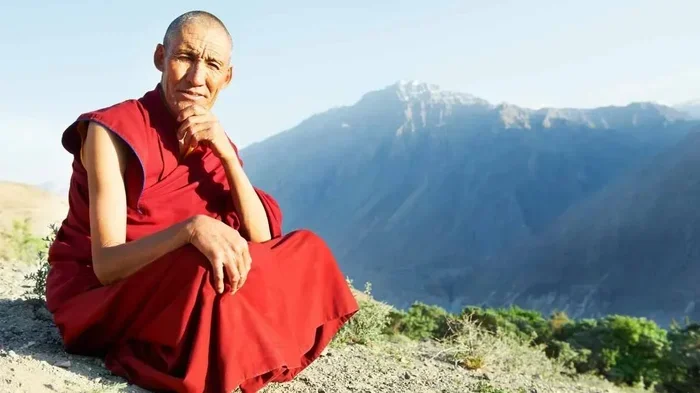

The lama meaning goes far beyond a simple title. It represents a spiritual teacher, guide, and enlightened leader in Tibetan Buddhism and other traditions. Understanding what a lama truly is opens the door to deeper spiritual growth and meaningful practice.
Key Takeaways
- Lama means spiritual teacher: The word signifies a revered guide in Tibetan Buddhist traditions who leads students toward enlightenment.
- Rich etymological history: The term originates from Tibetan and Sanskrit roots, carrying deep cultural and spiritual weight.
- Distinct from other titles: A lama differs from a monk, guru, or priest in specific ways tied to lineage and spiritual attainment.
- Core roles include teaching and blessing: Lamas guide meditation, transmit wisdom, and preserve sacred teachings across generations.
- Finding the right lama matters: Choosing a spiritual guide requires careful consideration of lineage, teaching style, and personal connection.
- Lasting impact on followers: The teachings of a lama can transform lives and create lasting spiritual change.
📑 Table of Contents
- What Does Lama Mean? The Spiritual Title Explained
- The Origin and Etymology of the Word Lama
- The Role of a Lama in Spiritual Practice
- Lama vs Other Spiritual Titles: How Are They Different?
- How to Find the Right Lama for Your Spiritual Journey
- The Lasting Impact of a Lama’s Teachings
- Common Mistakes People Make When Exploring Lama Meaning
What Does Lama Mean? The Spiritual Title Explained
If you have ever come across the word lama and wondered what it really means, you are not alone. Many people see this term and feel curious about its deep roots. The lama meaning carries centuries of spiritual tradition, wisdom, and reverence. In simple terms, a lama is a spiritual teacher in the Tibetan Buddhist tradition. But the full picture is much richer than that one sentence can capture.
The lama definition stretches across religion, culture, and personal transformation. When you understand what a lama truly represents, you open yourself up to a world of spiritual insight. This title is not just a label. It is a living symbol of guidance, compassion, and awakened wisdom. Whether you are new to Buddhism or deeply rooted in practice, exploring the lama meaning can enrich your understanding of spiritual leadership.
In this article, we will dive deep into every layer of this powerful term. You will learn about its origin, its role, and how it compares to other spiritual titles. We will also look at practical advice for connecting with a lama on your own journey. By the end, you will have a clear and thorough understanding of what a lama really is and why this figure matters so much in spiritual life.
The lama spiritual meaning touches the heart of how people find purpose and inner peace. It is about more than rituals or ceremonies. It is about a human being who dedicates their life to helping others wake up to their own true nature. That is a beautiful and powerful idea worth exploring in depth.
Why the Lama Title Matters
The title of lama holds immense weight in spiritual communities. It is not given lightly. A person earns this recognition through years of study, practice, and inner transformation. When someone is called a lama, it signals that they have reached a high level of spiritual understanding. Their role is to share that understanding with others who are seeking a path forward.
In Tibetan Buddhism, the lama is the center of the student-teacher relationship. This bond is considered sacred. The lama provides teachings, blessings, and personal guidance. Without this relationship, many practitioners believe that true spiritual progress is very difficult to achieve. The lama meaning is therefore tied directly to the idea of spiritual transmission. The teacher passes down wisdom from master to student, all the way back to the Buddha himself.
The Origin and Etymology of the Word Lama
To truly grasp the lama meaning, it helps to look at where the word comes from. Etymology is the study of word origins. And the history of this term is fascinating. The word “lama” comes from the Tibetan language. In Tibetan, it translates to “supreme one” or “highest principle.” This already tells us something important. The title is not about ego or status. It points to the highest ideals of spiritual life.
The term also has roots in Sanskrit. In Sanskrit, the word “guru” carries a similar meaning. A guru is a teacher or guide who dispels darkness. The lama spiritual meaning and the guru meaning share deep connections. Both point to someone who leads others from ignorance to knowledge. Both represent a beacon of light on the spiritual path.
The use of the word lama became widespread in the Tibetan region centuries ago. It was closely tied to the spread of Buddhism across the Himalayan mountains. As Buddhist teachings traveled from India to Tibet, the role of the spiritual guide evolved. The lama became a central figure in preserving and transmitting these sacred teachings. Today, the lama origin story reminds us that this title is rooted in a living tradition of wisdom and compassion.
The Sanskrit Connection
The Sanskrit root of the word adds another layer of depth. In ancient Indian texts, spiritual teachers were revered as figures who could guide souls toward liberation. The Tibetan word “lama” mirrors this ancient respect. It connects the Himalayan tradition to the broader Indian spiritual heritage. When you understand this lama etymology, you see that the title carries the weight of thousands of years of spiritual practice.
Some scholars also point to the Mongolian influence on the word. In Mongolian culture, the term “lama” was used to describe Buddhist monks and teachers. This shows how the lama title spread across Asia and adapted to different cultures while keeping its core spiritual meaning intact.
The Role of a Lama in Spiritual Practice
Now that we understand where the word comes from, let us look at what a lama actually does. The lama role in spiritual practice is multifaceted. A lama is not just someone who gives lectures or leads rituals. They are a living example of the teachings they share. Their entire life is a reflection of the wisdom they carry.
In Tibetan Buddhism, the lama serves as the heart of a student’s spiritual journey. The relationship between a lama and their student is deeply personal. It is built on trust, devotion, and mutual respect. The lama provides instructions on meditation, philosophy, and ethical living. They also offer blessings that are believed to accelerate spiritual growth.
Here are some of the key responsibilities a lama takes on:
- Teaching sacred texts: A lama explains ancient writings and makes them relevant for modern life.
- Guiding meditation: They teach specific techniques to calm the mind and develop inner awareness.
- Transmitting blessings: Through rituals and ceremonies, a lama passes on spiritual energy and blessings.
- Preserving lineage: They ensure that the unbroken chain of teachings from master to student continues.
- Providing personal guidance: Each student receives tailored advice based on their unique needs and progress.
- Modeling compassion: A lama demonstrates how to live with kindness, patience, and wisdom every day.
The Lama Meditation Connection
One of the most important aspects of the lama role is guiding meditation. Meditation is at the core of Buddhist practice. A lama teaches students how to sit, breathe, and observe their minds. They also introduce advanced practices like visualization and mantra recitation. These techniques are often kept secret and passed down only from teacher to student.
The lama meditation guidance is considered essential. Without a qualified teacher, practitioners may misunderstand techniques or develop incorrect habits. The lama ensures that each student practices safely and effectively. This is why the teacher-student relationship is so highly valued in the tradition.
The Lama Blessing Tradition
Blessings from a lama are a central part of spiritual life. These blessings are not magical in a superficial sense. They represent the transfer of spiritual energy and blessing from an enlightened being to a student. Many practitioners believe that receiving a blessing from a qualified lama can open doors to deeper understanding and inner peace.
Blessings can be given through touch, words, rituals, or sacred objects. The lama blessings are seen as a powerful support on the spiritual path. They help remove obstacles and create favorable conditions for growth and realization.
Lama vs Other Spiritual Titles: How Are They Different?
People often confuse the word lama with other spiritual titles. While there are similarities, each title carries its own specific meaning and role. Understanding these differences helps you appreciate the unique position of a lama in the spiritual world.
Let us compare the lama title with a few other common spiritual roles:
| Title | Tradition | Primary Role | Key Difference from Lama |
|---|---|---|---|
| Lama | Tibetan Buddhism | Spiritual teacher and guide | Rooted in Tibetan lineage and practice |
| Guru | Hinduism and Yoga | Spiritual guide and dispeller of darkness | More common in Hindu and yogic traditions |
| Monk | Various Buddhist traditions | Monastic practitioner and vow-keeper | A monk may not be a teacher; a lama always teaches |
| Rinpoche | Tibetan Buddhism | Reincarnated teacher (Tulku) | Rinpoche is a specific recognition of rebirth lineage |
| Priest | Various religions | Ritual leader and community guide | Priests focus on ritual; lamas focus on wisdom and realization |
The guru vs lama comparison is especially interesting. Both terms mean spiritual teacher. But a guru comes from the Hindu tradition, while a lama is specifically Tibetan Buddhist. A guru may or may not be a monk. A lama always has deep ties to the Buddhist lineage. In practice, the two words are sometimes used interchangeably, but they carry different cultural and spiritual flavors.
The lama vs monk distinction is also important. A monk follows a monastic lifestyle and takes vows of poverty, chastity, and obedience. A lama is a spiritual teacher who may or may not be a monk. What makes a lama a lama is their level of spiritual realization and their role as a teacher. A monk can become a lama, but not all lamas are monks.
Understanding the Lama Lineage
The concept of lama lineage is crucial. A lineage is an unbroken chain of teachers and students stretching back centuries. When a lama teaches, they are passing on wisdom that has been preserved through many generations. This lineage gives the lama spiritual meaning its power and authenticity. It is not just one person’s opinion. It is a living tradition of awakened understanding.
Some of the most famous lama lineages include the Dalai Lama lineage, the Karmapa lineage, and the Sakya lineage. Each of these has its own unique teachings, practices, and history. The lama lineage ensures that the dharma, or Buddhist teachings, remain pure and alive through time.
How to Find the Right Lama for Your Spiritual Journey
If you feel drawn to working with a lama, it is important to approach this with care and discernment. The teacher-student relationship is one of the most significant connections in spiritual life. Choosing the right guide can accelerate your growth. Choosing the wrong one can lead to confusion or harm.
Here are some practical tips for finding a qualified lama:
- Research lineages: Look into different Tibetan Buddhist lineages and find one that resonates with you. Each lineage has its own flavor and emphasis.
- Check credentials: A genuine lama will have a clear lineage and training background. They should be able to trace their teachings back to recognized masters.
- Attend teachings: Visit centers and attend public teachings. Observe how the lama interacts with students and whether their approach feels right for you.
- Ask questions: A good lama welcomes questions. They should be patient, clear, and willing to explain their teachings in accessible language.
- Trust your intuition: Pay attention to how you feel around a potential teacher. A true spiritual guide will inspire respect, warmth, and a sense of inner calm.
- Start small: Do not rush into a formal commitment. Begin with introductory courses or retreats and see how the relationship develops over time.
Red Flags to Watch For
Not everyone who claims the title of lama is genuine. It is important to be aware of warning signs. A true lama will never demand blind obedience or use their position for personal gain. They will encourage your independent thinking and spiritual growth. If someone pressures you, isolates you from others, or asks for unreasonable amounts of money, step back and reconsider.
Also, remember that the lama meaning is about humility and service. A genuine teacher leads by example. They do not seek fame, followers, or material wealth. Their joy comes from seeing their students grow and awaken.
Quick Tips for Working with a Lama
- Be open and receptive to teachings, but also use your own critical thinking.
- Practice what you are taught consistently. A lama can point the way, but you must walk the path yourself.
- Respect the time and energy your lama gives. Show up prepared and engaged.
- Do not treat the relationship as transactional. Spiritual growth takes time and patience.
- Stay connected to the broader community. A healthy lama student relationship exists within a supportive sangha, or community.
The Lasting Impact of a Lama’s Teachings
The influence of a lama extends far beyond the time you spend in their presence. The lama meaning includes the idea that true teaching continues to work in your life long after the formal lessons end. A good lama plants seeds of wisdom that grow slowly over time. These seeds may bloom in unexpected ways months or even years later.
Many people who have worked closely with a lama report profound shifts in their understanding of themselves and the world. They describe greater inner peace, more compassion for others, and a clearer sense of purpose. The lama spiritual meaning lives on through the transformation it creates in each student.
The teachings of a lama also ripple outward into the wider world. Students who have been transformed by a lama’s guidance often go on to teach others. They share the wisdom they received in their own unique ways. This creates a beautiful chain of compassion and understanding that spreads far beyond any single teacher.
The Lama’s Legacy in Modern Times
In today’s world, the lama meaning continues to evolve. Many lamas now teach in Western countries and online platforms. This has made their wisdom more accessible than ever before. People from all walks of life can now connect with authentic Tibetan Buddhist teachers regardless of where they live.
At the same time, this accessibility brings new challenges. The essence of the lama role requires deep personal connection. Online teachings can be a wonderful starting point, but they cannot fully replace the depth of an in-person relationship with a qualified teacher. The most profound spiritual growth still happens through direct, personal guidance from an experienced lama.
Common Mistakes People Make When Exploring Lama Meaning
When people first encounter the lama meaning, they sometimes make mistakes that hold them back. Being aware of these pitfalls can save you time and confusion on your spiritual journey.
One common mistake is treating the title as a status symbol rather than a spiritual responsibility. A lama is not a celebrity or a guru-for-hire. The title represents a lifetime of dedication to the welfare of others. When people focus on the outer image of a lama instead of their inner realization, they miss the true point entirely.
Another mistake is assuming that all lamas teach the same way. In reality, each lama has their own style, personality, and area of expertise. Some focus on meditation, others on philosophy, and still others on ritual practice. Finding a lama whose approach matches your learning style is essential for meaningful growth.
People also sometimes rush the process. They want quick results and instant transformation. But the lama spiritual meaning is rooted in patience and gradual progress. Real spiritual growth takes time, effort, and consistent practice. Trust the process and allow the teachings to work their way deep into your being.
A Final Word of Encouragement
Exploring the lama meaning is itself a spiritual practice. It invites you to look deeper into your own understanding of wisdom, guidance, and connection. Whether you are drawn to the Tibetan Buddhist tradition or simply curious about spiritual teachers, the journey of understanding what a lama truly is can be deeply rewarding.
The lama meaning reminds us that we all have the potential to be both students and teachers in our own lives. We can learn from those who walk the path before us, and we can share what we learn with others. This cycle of giving and receiving wisdom is at the heart of the lama tradition. It is a beautiful, timeless practice that continues to transform lives around the world today.
As you move forward on your own path, keep the lama spiritual meaning close to your heart. Seek wisdom, practice compassion, and remain open to the guidance of those who have walked this path before you. The journey of a thousand miles begins with a single step, and sometimes, that step is guided by a compassionate and wise lama.
Frequently Asked Questions
What is the lama meaning in simple terms?
A lama is a spiritual teacher in the Tibetan Buddhist tradition. The word means “supreme one” in Tibetan and refers to someone who guides others toward enlightenment through teaching, meditation, and personal guidance.
How is a lama different from a guru?
While both terms mean spiritual teacher, a guru comes from the Hindu tradition and a lama comes specifically from Tibetan Buddhism. A guru may teach in various spiritual contexts, while a lama is always rooted in the Buddhist lineage and practices of Tibet.
Can anyone become a lama?
Becoming a lama requires years of intensive study, meditation, and spiritual practice. A person must receive proper training and transmission from recognized masters. The title is earned through deep realization and dedication to the spiritual path.
Do lamas only teach Tibetan Buddhism?
Most lamas teach within the Tibetan Buddhist tradition. However, their teachings on compassion, mindfulness, and inner peace are universal. Many lamas today also teach people from all backgrounds who are interested in Buddhist wisdom and meditation practice.
What should I look for in a lama?
Look for a lama with a clear lineage, genuine credentials, and a teaching style that resonates with you. A true lama will be humble, compassionate, and dedicated to their students’ growth. Trust your intuition and take your time building the relationship.
Is the lama meaning the same across all Buddhist traditions?
No, the term “lama” is specific to Tibetan Buddhism. Other Buddhist traditions use different titles for their spiritual teachers, such as “sensei” in Zen Buddhism or “bhikkhu” in Theravada Buddhism. Each tradition has its own unique terminology and approach to spiritual guidance.
=== CONCLUSION ===
The lama meaning is a profound and beautiful concept that touches the heart of spiritual life. From its ancient Tibetan roots to its modern-day relevance, the role of a lama continues to inspire and guide countless people on their path to inner peace. A lama is more than a teacher. They are a living embodiment of wisdom, compassion, and awakened understanding.
When you understand the lama spiritual meaning, you see that this title represents a sacred trust between teacher and student. It is about preserving ancient wisdom, transmitting blessings, and helping each person discover their own true nature. The lama definition is not fixed in stone. It evolves as it passes through generations, yet its core purpose remains the same: to guide beings toward liberation and lasting happiness.
Whether you are exploring Buddhism for the first time or deepening an existing practice, the wisdom of the lama can light your way. Take the time to study, reflect, and find a teacher whose guidance resonates with your heart. The journey may be long, but with the right spiritual guide by your side, every step becomes meaningful and filled with purpose.



