
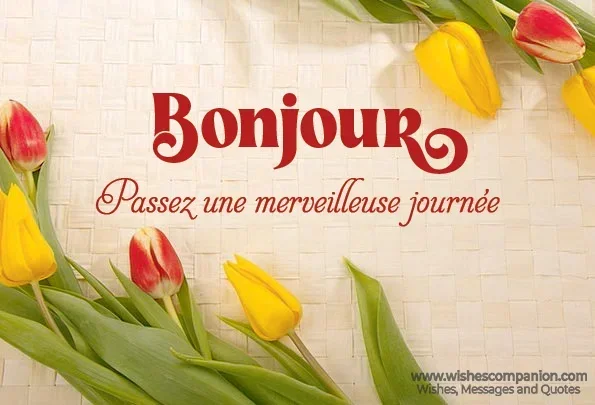

Learning how to say goodmorning in french is simpler than you think, and it opens the door to richer conversations. The most common way is bonjour, but French speakers have several beautiful options depending on the time of day and the person you are addressing. This guide covers every morning greeting, from formal to casual, so you can speak with confidence and charm.
Key Takeaways
- Bonjour is the standard and most widely used way to say good morning in French.
- French has both formal and informal greetings, and choosing the right one shows cultural awareness.
- Bon matin is rarely used in France but is common in Quebec, so context matters a lot.
- Pronunciation and tone can change the meaning of your greeting entirely.
- Adding a smile and a slight nod makes any French morning greeting feel natural and warm.
- Knowing when to switch from formal to informal greetings is a key part of French etiquette.
- Practice with real-life scenarios to build confidence fast.
📑 Table of Contents
- How to Say Goodmorning in French Like a Native Speaker
- The Classic Way: Bonjour
- Formal vs. Informal Morning Greetings
- Other Beautiful French Morning Phrases
- Cultural Tips for Greeting in French
- Common Mistakes to Avoid
- Quick Tips for Practicing Your Morning Greetings
- Why Learning French Morning Greetings Matters
- Conclusion
How to Say Goodmorning in French Like a Native Speaker
Waking up and greeting someone in a new language feels magical. When you learn how to say goodmorning in french, you are not just memorizing words. You are stepping into a rich culture that values warmth, politeness, and connection. French greetings carry a certain elegance that makes even a simple “hello” feel special.
Whether you are planning a trip to Paris, chatting with a French friend, or simply learning a new language for fun, morning greetings are your first step. This guide will walk you through every option, from the classic bonjour to playful informal phrases. You will also learn about cultural nuances, pronunciation tips, and common mistakes to avoid. By the end, you will sound like a local every single morning.
The French take greetings seriously. It is not just about words. It is about tone, eye contact, and the right level of formality. Understanding this will help you connect with French speakers in a way that goes beyond language. So let us dive in and explore the beautiful world of French morning greetings.
The Classic Way: Bonjour
Bonjour is the king of French greetings. It works for almost any situation, any time of the morning, and any person you meet. The word literally means “good day,” but in practice, it is the go-to greeting for good morning in France.
How to Pronounce Bonjour
Pronouncing bonjour correctly is easier than it looks. Break it into two parts: “bon” and “jour.”
- Bon sounds like “bohn.” The “n” is soft, almost nasal.
- Jour sounds like “zhoor.” The “j” has a soft “zh” sound, like the “s” in “measure.”
Put them together, and you get “bohn-zhoor.” Say it with a warm smile, and you will already sound friendly. The key is to keep your tone light and pleasant. French people appreciate a cheerful greeting more than perfect pronunciation.
When to Use Bonjour
Use bonjour in almost every morning situation. Here are some common scenarios:
- Walking into a shop or café in the morning.
- Greeting a colleague at the office.
- Meeting someone new for the first time.
- Answering the phone before noon.
- Starting a conversation with a neighbor.
Bonjour works in both Paris and the countryside. It is the safest and most respectful choice. When in doubt, default to bonjour. You cannot go wrong with it.
Formal vs. Informal Morning Greetings
French has a clear distinction between formal and informal language. This concept, known as tu versus vous, affects how you greet people. Understanding this difference is essential for sounding natural.
Formal Greetings
Formal greetings are used with strangers, elders, people in authority, and professional settings. The formal greeting shows respect and politeness.
- Bonjour, Madame. — Good morning, Ma’am.
- Bonjour, Monsieur. — Good morning, Sir.
- Bonjour à tous. — Good morning, everyone.
In formal situations, always use vous instead of tu when addressing someone. This small detail makes a big difference in how you are perceived.
Informal Greetings
Informal greetings are for friends, family, and people your age. They feel warm and relaxed.
- Salut ! — Hi! / Morning!
- Coucou ! — Hey there! (very casual and playful)
- Bonjour ! — Can also be used informally with close friends.
Salut is the most common informal greeting. It works any time of the day, including the morning. Coucou is even more casual and fun. Use it with close friends or younger people. It instantly creates a friendly atmosphere.
Other Beautiful French Morning Phrases
While bonjour is the most common, French offers several other ways to greet the morning. Each phrase carries its own charm and context. Let us explore some of the best ones.
Bon Matin
Bon matin is the direct translation of “good morning.” However, here is an important detail: it is rarely used in France. In metropolitan France, people prefer bonjour even in the early hours. But in Quebec, Canada, bon matin is perfectly natural and widely used.
If you are speaking with a French Canadian, saying “bon matin” will feel right at home. If you are in Paris, stick with bonjour. This regional difference shows how rich and varied the French language really is.
Bienvenue au Matin
This phrase means “welcome the morning.” It is more poetic and is sometimes used in creative or literary contexts. You might hear it in French songs or spoken by someone who loves the beauty of a new day. It is not a daily greeting, but it is lovely to know.
Je te souhaite une bonne journée
This longer phrase means “I wish you a good day.” It is a warm way to extend your morning greeting into a full-day wish. Use it with people you care about. It shows thoughtfulness and kindness.
Rise and Shine in French
If you want to tell someone to wake up and greet the day, you can say “Lève-toi, le soleil brille!” which means “Wake up, the sun is shining!” It is playful and energetic. Kids love hearing this in the morning. It adds a fun twist to your french daily phrases.
Cultural Tips for Greeting in French
Knowing the words is only half the battle. Understanding the French culture behind greetings will make your interactions feel authentic. French people place a high value on politeness and social rituals.
The Power of a Smile
A genuine smile goes a long way in France. When you greet someone, look them in the eye and smile. This simple act shows respect and openness. It transforms a basic greeting someone in french into a memorable moment.
The Art of La Bise
In casual settings, many French people greet each other with a light kiss on the cheek, known as la bise. The number of kisses varies by region — two in Paris, three or four in other areas. While this is not part of a morning word greeting, it often follows one. If you are unsure, a handshake is always safe.
Timing Matters
In France, the transition from bonjour (good morning/good day) to bonsoir (good evening) happens around 6 p.m. After that time, saying “good morning” would feel off. Pay attention to the time of day. This shows that you understand the rhythm of French daily life.
Context Is Everything
The setting changes everything. Greeting a shopkeeper requires a different tone than greeting a close friend. When you walk into a bakery, a quiet and polite bonjour is expected. At a café with friends, a cheerful salut fits perfectly. Learning to read the room is part of mastering conversational French.
Also, remember that French customs around greetings reflect a deeper value: respect for others. Taking the time to greet someone properly is seen as a sign of good manners. This is why even a simple good morning in French carries weight and meaning.
Common Mistakes to Avoid
Even the best learners make mistakes. Here are the most common errors people make when trying to say goodmorning in French.
- Using bon matin in France. As mentioned, this sounds unusual to most French people in France. Save it for conversations with Quebecois friends.
- Skipping the greeting entirely. Walking into a shop without saying anything is considered rude in France. Always greet first.
- Using tu too early. Switching to the informal “tu” before being invited to do so can feel disrespectful.
- Mumbling or rushing. French people appreciate clear, unhurried speech. Take your time with your morning phrases.
- Ignoring the response. After someone greets you, always respond. A simple “bonjour” back is all you need.
Avoiding these mistakes will instantly improve your interactions. French people are generally forgiving of language learners, but making the effort to greet properly earns you points right away.
Quick Tips for Practicing Your Morning Greetings
Want to get better fast? Here are some practical ways to practice your French morning greetings every day.
- Say bonjour out loud every morning. Even if you are alone, practice the pronunciation. Make it a habit.
- Record yourself. Listen back and compare your tone to native speakers online.
- Watch French morning shows. Notice how hosts greet each other and their audience. This is great for picking up natural rhythm.
- Practice with a language partner. Find a French speaker online and greet them each morning. Real practice beats any textbook.
- Label your morning objects. Put sticky notes with French words on your mirror, coffee mug, and alarm clock. Surround yourself with the language.
The more you practice, the more natural it becomes. Within a few weeks, saying bonjour will feel as easy as saying “good morning” in English. The goal is not perfection. It is connection. Every time you greet someone in French, you are building a bridge between cultures.
Why Learning French Morning Greetings Matters
You might wonder why a simple greeting deserves so much attention. The answer lies in how language shapes relationships. In French culture, the way you greet someone sets the tone for the entire conversation. A warm and appropriate morning greeting shows that you care about the other person’s feelings and cultural background.
Learning how to say goodmorning in french also opens doors to deeper conversations. Once you break the ice with a proper greeting, people are more willing to engage with you. They appreciate your effort, and this creates a positive feedback loop. You feel more confident, they feel respected, and the conversation flows naturally.
Moreover, greetings are the foundation of any language. They are the first thing you learn in any course, and for good reason. Mastering French vocabulary for greetings gives you a strong base to build on. From there, you can explore more complex topics like grammar, verb conjugation, and conversational fluency.
If you are curious about how meaning changes depending on context, you might enjoy exploring the in situ meaning of words and phrases — it is a fascinating look at how context shapes language. And for a fun twist on French culture, check out French cat names if you ever want to greet your feline friend in style!
Ultimately, learning to greet someone in French is about more than words. It is about showing up with intention and warmth. Every morning you greet someone in their language, you are saying, “I see you. I respect you. I am here.” That is a powerful thing.
Conclusion
Now you know how to say goodmorning in french in multiple ways. From the classic bonjour to the playful coucou, you have a toolkit of greetings for every situation. Remember that bonjour is your safest and most versatile choice. Use bon matin when speaking with French Canadians. And always match your greeting to the level of formality in the room.
Practice these phrases daily. Pay attention to cultural cues. And most importantly, enjoy the process. Learning a language is a journey, and every morning greeting is a step forward. Soon, saying good morning in French will feel as natural as breathing. Then you can focus on the fun part — having real conversations and building connections with French speakers around the world.
Start tomorrow morning. Greet someone in French. Watch their face light up. That is the real magic of language. And it all begins with a simple, beautiful bonjour.
Frequently Asked Questions
What is the most common way to say goodmorning in French?
The most common way is bonjour. It works for any time of the morning and any level of formality. French speakers use it every day, all across France and in French-speaking communities worldwide.
Is bon matin used in France?
No, bon matin is rarely used in metropolitan France. It is more common in Quebec, Canada. If you are in France, stick with bonjour for your morning greeting to sound natural and respectful.
Can I use salut in the morning?
Yes, salut works any time of the day, including the morning. It is informal and best used with friends, family, or people your age. It is casual, friendly, and widely understood.
How do I greet someone formally in the morning in French?
Use bonjour followed by the person’s title, such as “Bonjour, Madame” or “Bonjour, Monsieur.” Always use the formal vous form until invited to use tu. This shows respect and good manners.
What is the difference between bonjour and bonsoir?
Bonjour is used from morning until around 6 p.m. Bonsoir is used from evening onward. Using the right one based on the time of day is an important part of French etiquette and shows cultural awareness.
How can I practice French morning greetings every day?
Say bonjour out loud each morning, record yourself to check pronunciation, watch French morning shows for natural examples, and practice with a language partner. Consistency is the key to building confidence and making greetings feel automatic.
=== CONCLUSION ===
Learning how to say goodmorning in french is your first step toward meaningful connections with French speakers. The key phrases are simple, the cultural context is rich, and the rewards are immense. Start with bonjour, explore the informal options, and always greet with warmth and respect. With daily practice, you will greet the morning — and everyone in it — like a true native speaker.



