
SCOTUS stands for the Supreme Court of the United States, the highest court in the American judicial system. Understanding the SCOTUS meaning helps you grasp how the nation’s top legal decisions shape everyday life, rights, and freedoms. This article breaks down everything you need to know in simple, clear terms.
You have probably seen the letters SCOTUS thrown around in news headlines, political debates, and legal discussions. But what does SCOTUS actually mean? Simply put, SCOTUS stands for the Supreme Court of the United States. It is the highest court in the land, and its decisions carry enormous weight across the entire country.
If you have ever wondered why a single court can make or break laws that affect millions of people, you are not alone. The SCOTUS meaning goes far beyond just a fancy acronym. It represents the final authority on constitutional questions, civil rights, federal law, and much more. In this article, we will walk you through everything you need to know about the Supreme Court, how it works, and why it matters so much in modern America.
Whether you are a student, a curious citizen, or someone who just wants to understand the news better, this guide breaks it all down. No legal jargon. No confusing terms. Just clear, straightforward information that anyone can understand.
Key Takeaways
- SCOTUS stands for Supreme Court of the United States: It is the highest federal court in the country and the final word on many legal matters.
- The Court has nine justices: One Chief Justice and eight Associate Justices who serve lifetime appointments.
- SCOTUS decisions affect daily life: From civil rights to privacy, the Court’s rulings shape how Americans live, work, and interact.
- Cases reach the Court through a specific process: Most cases arrive via a writ of certiorari, and the Court selects only a small fraction of requests each year.
- Landmark cases have changed American history: Decisions like Brown v. Board of Education and Obergefell v. Hodges redefined rights and freedoms across the nation.
- Understanding SCOTUS helps you understand American government: The Court plays a vital role in the system of checks and balances.
- Recent decisions continue to make headlines: The Supreme Court remains at the center of major national debates on law, policy, and society.
📑 Table of Contents
What Does SCOTUS Mean?
Where the Name Comes From
The term SCOTUS is an abbreviation. It comes from the Latin phrase “Supreme Court of the United States.” Lawyers, journalists, and government officials use the shorthand because it is quick and easy to say. You will also see it written as SCOTUS in legal documents, news articles, and social media posts.
The use of Latin abbreviations in law is nothing new. Courts have used Latin terms for centuries. SCOTUS is just one of many shorthand terms used in the legal world. Others include ACUS (the United States Court of Appeals for the Circuit) and CAAF (the Court of Appeals for the Armed Forces). But SCOTUS is by far the most recognized.
The Supreme Court itself was established in 1789 under Article III of the U.S. Constitution. From the very beginning, it was designed to be the final interpreter of federal law. Over time, the Court grew into one of the three branches of the American government, sitting alongside the executive and legislative branches.
Breaking Down the Acronym
Let us look at SCOTUS letter by letter:
- S = Supreme
- C = Court
- O = of
- T = the
- U = United
- S = States
That is it. There is no hidden meaning or secret code. SCOTUS is simply a convenient way to refer to the Supreme Court of the United States. When you see SCOTUS meaning in a news article or legal brief, it always refers to this same institution.
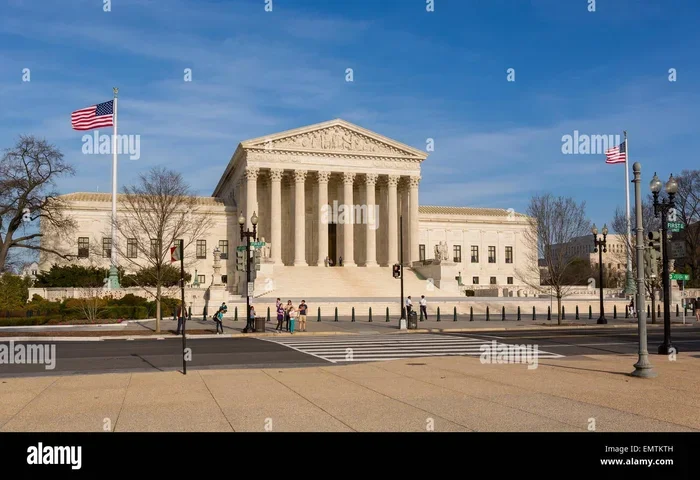
The Court sits in Washington, D.C., inside the Supreme Court building on Capitol Hill. It has been there since 1935, when the building was completed. Before that, the Court met in various locations around the capital city.
How the Supreme Court Actually Works
The Nine Justices
The Supreme Court is made up of nine justices. There is one Chief Justice and eight Associate Justices. The number of justices has been nine since 1869, though the Constitution does not set this number. Congress has the power to change it, but it has not done so in over 150 years.
Each justice is nominated by the President and confirmed by the Senate. Once confirmed, a justice serves for life, unless they choose to retire or are removed through impeachment. This lifetime appointment is by design. It is meant to keep the Court independent from political pressure.
Here is a quick look at how the current Court is structured:
- Chief Justice: Leads the Court and presides over oral arguments and conferences.
- Associate Justices: Eight justices who hear cases, write opinions, and vote on decisions.
- Total: Nine justices make up the full Court.
The justices are not required to have any formal legal training, though every single one of them has attended law school and practiced law. Their backgrounds vary widely, and each brings a unique perspective to the bench.
How Cases Are Decided
When the Court takes on a case, the process is thorough and detailed. First, both sides submit written briefs. These are long documents that explain each side’s legal arguments. Then, the justices listen to oral arguments, which are spoken presentations from lawyers on both sides.
After oral arguments, the justices hold a private conference. They discuss the case and vote. The Chief Justice, or the most senior justice in the majority, assigns the task of writing the majority opinion. If a justice disagrees with the outcome, they may write a dissenting opinion.
The final decision is based on the vote of the majority. A case can be decided by a vote of 5 to 4, 6 to 3, or even 9 to 0. The majority opinion becomes the legal precedent, which means lower courts must follow it.
Majority and Dissenting Opinions
Not every justice always agrees. In fact, disagreement is common and expected. When the majority of justices agree on a decision, they write a majority opinion. This opinion explains the reasoning behind the Court’s ruling.
Justices who disagree can write dissenting opinions. These opinions do not change the outcome, but they are important. They often become the foundation for future legal arguments and can influence how the law develops over time. Sometimes, a dissent written decades ago becomes the basis for a later majority opinion.
There are also concurring opinions. These are written by justices who agree with the outcome but for different reasons. Concurring opinions add depth and nuance to the Court’s reasoning.
Why SCOTUS Decisions Matter to Everyday Americans
Rights and Freedoms
The SCOTUS meaning goes beyond legal textbooks. The Court’s decisions directly affect the rights and freedoms of every American. From freedom of speech to the right to marry, the Supreme Court has shaped the way people live their daily lives.
For example, the Court has ruled on cases involving:
- Free speech: Deciding what types of expression are protected under the First Amendment.
- Privacy: Determining the scope of personal privacy rights.
- Equal protection: Ensuring that laws treat all citizens fairly.
- Criminal justice: Setting rules for police procedures and fair trials.
- Voting rights: Shaping access to the ballot box and the integrity of elections.
When the Court makes a ruling, it does not just affect the people involved in the case. It sets a precedent that applies to everyone. That is why SCOTUS decisions make national headlines and spark widespread debate.
Impact on State Laws
The Supreme Court also plays a major role in how state laws work. If a state law conflicts with the U.S. Constitution or federal law, the Court can strike it down. This power is known as judicial review, and it gives the Court enormous influence over the legal landscape of the entire country.
State laws on issues like education, healthcare, gun rights, and marriage all fall under the Court’s oversight. When the Court rules on a case, its decision becomes the law of the land. Every state must comply, regardless of local opinions or political preferences.
This is one of the main reasons why SCOTUS meaning matters so much. The Court’s rulings do not stay within the walls of the Supreme Court building. They ripple outward into every community, every workplace, and every home in America.
Landmark Cases That Shaped SCOTUS History
Brown v. Board of Education
One of the most famous cases in American history is Brown v. Board of Education. In 1954, the Supreme Court ruled that racial segregation in public schools was unconstitutional. The decision overturned the earlier “separate but equal” doctrine established by Plessy v. Ferguson in 1896.
This ruling was a turning point in the civil rights movement. It helped pave the way for the desegregation of schools and public spaces across the country. The Brown v. Board decision is still studied in schools today as an example of the Court’s power to protect equal rights.
Roe v. Wade and Its Legacy
Roe v. Wade is another case that nearly everyone has heard of. Decided in 1973, the Court ruled that the Constitution protects a woman’s right to choose an abortion. This decision was controversial from the start and remains one of the most debated rulings in American history.
In 2022, the Court overturned Roe v. Wade in the case of Dobbs v. Jackson Women’s Health Organization. This decision returned the authority to regulate abortion to individual states. It was a landmark moment that showed how the Court’s composition and decisions can shift dramatically over time.
Recent Major Decisions
The Supreme Court continues to issue rulings that capture national attention. In recent years, the Court has decided cases on topics like:
- Gun rights: Expanding the interpretation of the Second Amendment.
- LGBTQ+ rights: Ruling that employment discrimination based on sexual orientation or gender identity is illegal.
- Religious freedom: Weighing the balance between religious liberty and anti-discrimination laws.
- Presidential power: Limiting the scope of executive authority in various contexts.
Each of these decisions has had a lasting impact on American society. They show that the SCOTUS meaning is not just about history. It is about the present and the future, too.
How Cases Reach the Supreme Court
The Certiorari Process
Most cases that reach the Supreme Court do so through a process called certiorari. This is a formal request asking the Court to review a lower court’s decision. The Court receives thousands of these requests each year but only agrees to hear about 70 to 80 cases.
To grant certiorari, at least four of the nine justices must agree to take the case. This is sometimes called the “rule of four.” The Court typically selects cases that involve important constitutional questions, conflicts between lower courts, or issues that affect the entire nation.
When the Court denies certiorari, the lower court’s decision stands. This does not mean the Court agrees with the ruling. It simply means the justices have chosen not to review the case at that time.
Original Jurisdiction Cases
In rare cases, the Supreme Court has original jurisdiction. This means the case starts directly in the Supreme Court, without going through lower courts first. Original jurisdiction cases usually involve disputes between states or cases involving foreign diplomats.
These cases are uncommon, but they are important when they do arise. The Court’s ruling in an original jurisdiction case is final and cannot be appealed to any other court.
The Role of SCOTUS in Modern America
Political Implications
The Supreme Court is often at the center of political debate. Because justices serve for life, their decisions can shape the country for decades. Presidents and senators pay close attention to Court nominations because they know a single appointment can shift the Court’s ideological balance for a generation.
Recent years have seen intense confirmation battles over Supreme Court nominees. These battles highlight how much power the Court holds and how deeply its decisions affect American politics. The SCOTUS meaning in the political arena is clear: the Court is a powerful branch of government that can influence policy on everything from healthcare to immigration.
Public Trust and Confidence
Public opinion about the Supreme Court has shifted over the years. In recent surveys, trust in the Court has fluctuated significantly. Some Americans view the Court as a vital check on government power, while others see it as too political or out of touch with everyday concerns.
Regardless of public opinion, the Court continues to function as the highest authority in the American legal system. Its decisions are final, and its influence is far-reaching. Understanding how the Court works and what its rulings mean is essential for any informed citizen.
Looking Ahead
The Supreme Court will continue to hear cases that shape the future of the nation. As society evolves, new legal questions will arise, and the Court will be there to address them. From technology and privacy to immigration and civil rights, the Court’s role in American life is far from over.
Understanding the SCOTUS meaning and how the Court operates empowers you to follow legal news, participate in civic discussions, and make informed decisions as a citizen. The Court may seem distant and formal, but its decisions touch every aspect of American life.
The next time you hear SCOTUS mentioned on the news or in a conversation, you will know exactly what it means and why it matters. You will understand the weight of the institution and the importance of the decisions it makes every year.
Conclusion
The SCOTUS meaning is simple but powerful. SCOTUS stands for the Supreme Court of the United States, the highest court in the American judicial system. Its nine justices interpret the Constitution, resolve legal disputes, and set precedents that shape the rights and freedoms of every American.
From landmark civil rights cases to recent rulings on gun laws and privacy, the Supreme Court continues to play a central role in American democracy. Understanding how the Court works and why its decisions matter is essential for anyone who wants to be an informed and engaged citizen.
The next time you encounter the term SCOTUS, you will not just know what it stands for. You will understand the institution behind the acronym and the incredible impact it has on the country. Take what you have learned here, share it with others, and keep following the Court’s work. The decisions made today will shape the America of tomorrow.
Frequently Asked Questions
What does SCOTUS stand for?
SCOTUS stands for the Supreme Court of the United States. It is the highest federal court in the country and the final authority on constitutional and legal matters. The abbreviation is widely used in legal, political, and media contexts.
How many justices serve on the Supreme Court?
The Supreme Court has nine justices: one Chief Justice and eight Associate Justices. This number has remained unchanged since 1869. Each justice is nominated by the President and confirmed by the Senate.
Can the Supreme Court’s decisions be overturned?
Yes, the Supreme Court can overturn its own previous decisions. This has happened many times in American history. A notable example is the overturning of Plessy v. Ferguson by Brown v. Board of Education in 1954.
How are Supreme Court cases selected?
Most cases reach the Court through a writ of certiorari. The justices review thousands of petitions each year and choose to hear only a small number. They typically select cases that involve significant legal or constitutional questions.
Do Supreme Court justices have term limits?
No, Supreme Court justices serve for life, unless they retire, resign, or are removed through impeachment. Lifetime appointments are designed to keep the Court independent from political pressures and short-term influences.
Why is the Supreme Court so important to American democracy?
The Supreme Court serves as a check on the other branches of government. It interprets the Constitution, protects individual rights, and ensures that laws are applied fairly. Its decisions have shaped every major aspect of American life, from civil rights to criminal justice.