
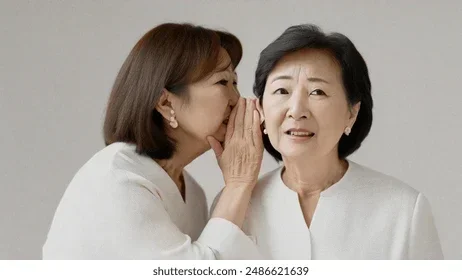

Knowing how to say be quiet in Korean can save you from awkward moments and help you show respect in any setting. Korean has several ways to express this, from formal and polite phrases to casual expressions you can use with close friends. Understanding the right speech level and cultural context makes a big difference in how your message lands. This guide walks you through every practical option with clear examples and tips.
Have you ever found yourself in a Korean-speaking environment and needed to ask someone to keep it down? Maybe you are in a quiet library, a formal meeting, or a family gathering where noise feels out of place. Whatever the setting, knowing how to say be quiet in Korean the right way can make all the difference. It is not just about the words. It is about showing respect and understanding the cultural norms that shape Korean communication.
In Korean, the way you phrase something depends heavily on who you are talking to. A phrase you use with a close friend sounds very different from what you would say to a boss or an elder. This is where Korean speech levels come into play. They are a core part of the language and learning them is essential for anyone who wants to communicate well in Korean. In this article, we break down every practical way to express the idea of being quiet, so you can choose the right phrase for any moment.
Key Takeaways
- Multiple Ways to Say It: Korean offers formal, polite, and casual expressions for telling someone to be quiet, each suited to different social situations.
- Speech Levels Matter: Using the correct speech level shows respect and cultural awareness in Korean communication.
- Context Changes Everything: The in situ meaning of a phrase shifts depending on who you are speaking to and where you are.
- Common Mistakes Are Avoidable: Mixing up formal and casual forms is the most frequent error learners make.
- Practice Makes Perfect: Real-life examples and situational tips help you use these phrases naturally and confidently.
📑 Table of Contents
Understanding Korean Speech Levels
Before diving into the specific phrases, it helps to understand why Korean has so many ways to say the same thing. Korean uses a system of speech levels that reflect the relationship between the speaker and the listener. These levels are tied to respect, formality, and social hierarchy. Choosing the wrong level can come across as rude or overly familiar.
Formal vs. Casual Korean
There are generally seven speech levels in Korean, but most everyday conversations use three to five of them. The most formal level is used in official settings, news broadcasts, and when speaking to elders or strangers. The casual level is reserved for close friends and people your age or younger. When you want to tell someone to be quiet, your choice of speech level depends entirely on the situation.
For example, using a casual phrase with someone older than you could be seen as disrespectful. On the other hand, being too formal with a close friend might feel stiff and awkward. The key is to read the room and match your language to the setting. This idea of matching language to context is similar to understanding the in situ meaning of a phrase, where the same words carry different weight depending on the environment and the people involved.
How to Say Be Quiet in Korean
Now let us get to the heart of the topic. Here are the most common and natural ways to say be quiet in Korean, organized by level of formality. Each phrase includes pronunciation guidance, the Korean script, and a breakdown of when to use it.
Polite and Formal Expressions
These are the phrases you should reach for in professional settings, formal events, or when speaking to someone you do not know well.
- 조용히 해 주세요 (Joyonghi hae juseyo) – Please be quiet. This is the most common polite way to ask someone to keep silent. It works in almost any formal situation.
- 조용히 하세요 (Joyonghi haseyo) – Please be quiet. A slightly more formal version that you might hear in workplaces or official settings.
- 잠깐만 조용히 해 주세요 (Jamkkanman joyonghi hae juseyo) – Please be quiet for a moment. Great for temporary situations like a quick announcement.
Each of these phrases carries a respectful tone. They use the jo (조) verb stem, which is associated with quiet and gentle actions in Korean. This is a small but meaningful detail that native speakers appreciate when learners use these forms correctly.
Casual and Informal Expressions
When you are with close friends or people your age, you can drop the formal endings and keep things relaxed.
- 조용히 해 (Joyonghi hae) – Be quiet. Simple and direct. Works well among friends.
- 조용히 좀 해 (Joyonghi jom hae) – Be a little quiet. Softer and less blunt, which makes it a popular choice in casual settings.
- 쉬쉬 (Swi swi) – Shh shh. The Korean equivalent of a quieting gesture. Fun and playful, best used in lighthearted moments.
Using casual forms in the wrong setting is one of the most common mistakes Korean learners make. Always consider who is listening before you drop the formal endings.
Cultural Context for Silence in Korea
In many Western cultures, speaking up is often valued over staying silent. In Korea, the cultural relationship with silence is quite different. Being quiet is not always seen as a lack of contribution. In fact, silence can signal respect, thoughtfulness, and emotional maturity.
Why Silence Matters in Korean Culture
Korean communication places a high value on nunchi (눈치), which is the ability to read the room and sense what others are feeling without them saying a word. When someone asks you to be quiet in a Korean setting, it may not be about the noise level alone. It could be a way of maintaining group harmony or showing deference to someone else in the room.
Understanding this cultural layer helps you respond appropriately when someone tells you to be quiet in Korean. Rather than feeling embarrassed or defensive, you can appreciate the gesture as a form of social awareness. The in situ meaning of silence in Korean culture is deeply tied to respect and group cohesion, which is very different from how silence is perceived in many Western contexts.
When Silence Is Expected
There are specific situations in Korea where quietness is not just preferred but expected. These include:
- During traditional ceremonies or ancestral rites
- In temples and religious spaces
- On public transportation, especially buses and subways
- During meetings and presentations
- When elders are speaking
Knowing the right Korean phrase for each of these moments shows that you understand and respect local customs. It also helps you blend in and avoid drawing unwanted attention.
Practical Examples and Situations
Let us look at how these phrases work in real-life scenarios. Seeing them in context helps you understand not just the words but the tone and body language that go with them.
At a Restaurant
Imagine you are at a traditional Korean restaurant and the people at the next table are speaking loudly. You could quietly say to the server, 조용히 해 주세요 (Joyonghi hae juseyo) and make a gentle hand gesture. Most servers in Korea are trained to handle these requests with discretion and care.
In a Classroom or Training Session
If you are attending a lecture or training session and need the room to quiet down, a polite 조용히 하세요 (Joyonghi haseyo) directed at the group works well. Pair it with a raised hand for a natural, non-confrontational delivery.
With Close Friends
When you are hanging out with Korean friends and the noise level gets too high, a lighthearted 쉬쉬 (Swi swi) or a playful 조용히 좀 해 (Joyonghi jom hae) keeps the mood fun while getting your point across.
Common Mistakes to Avoid
Learning how to say be quiet in Korean is straightforward, but there are a few pitfalls that trip up even intermediate learners. Here are the most common mistakes and how to avoid them.
- Using casual language with strangers: This can feel blunt or even offensive. Always default to the polite form unless you are sure the other person is comfortable with casual speech.
- Dropping the honorific entirely: Even in casual Korean, there are levels of respect. Never use the most blunt form with anyone older than you or in a professional setting.
- Ignoring body language: In Korean culture, how you say something matters just as much as what you say. A gentle tone and soft eye contact make your request feel more considerate.
- Translating directly from English: Some English phrases about silence do not have a direct Korean equivalent. Always learn the natural Korean expression instead of translating word by word.
Each of these mistakes ties back to the broader principle of Korean polite language and respect for social hierarchy. Mastering these basics will serve you well far beyond just knowing how to ask for quiet.
Quick Tips for Remembering These Phrases
Memorizing Korean phrases can feel overwhelming, but a few simple tricks make it much easier. Here are some quick tips to help you retain these expressions long-term.
- Start with one phrase: Pick 조용히 해 주세요 (Joyonghi hae juseyo) as your go-to phrase. It works in almost any situation and is the safest choice for beginners.
- Practice with audio: Listen to native speakers saying these phrases on language apps or YouTube. Mimic their tone and rhythm.
- Use flashcards: Write the Korean phrase on one side and the English meaning on the other. Review them for five minutes each day.
- Role-play scenarios: Practice saying the phrases out loud in different settings. Imagine you are at a restaurant, a meeting, or a family dinner.
- Watch Korean dramas: Pay attention to how characters use quieting phrases in different social contexts. This builds your ear for natural speech patterns.
Consistent, small practice sessions beat long cramming sessions every time. The goal is to make these phrases feel natural and automatic so you can use them without thinking.
Expert Insights on Korean Communication
Language experts often emphasize that Korean is a high-context communication system. This means that meaning is not only in the words themselves but also in the situation, the relationship between speakers, and the unspoken expectations of the moment. When you learn how to say be quiet in Korean, you are also learning how to navigate a culture that values harmony, restraint, and mutual respect.
Understanding the in situ meaning of Korean phrases adds a deeper layer of fluency. It moves your language skills from textbook knowledge to real-world competence. The same phrase can feel warm and friendly in one setting and cold and commanding in another, and the difference lies entirely in the context.
Expert communicators in Korean also pay close attention to the Korean honorifics system, which is woven into every level of speech. Even when you are simply asking someone to be quiet, the honorific form you choose sends a clear signal about how you view the other person. This is what makes Korean both beautiful and challenging to learn.
Key Takeaways
- Multiple Ways to Say It: Korean offers formal, polite, and casual expressions for telling someone to be quiet, each suited to different social situations.
- Speech Levels Matter: Using the correct speech level shows respect and cultural awareness in Korean communication.
- Context Changes Everything: The in situ meaning of a phrase shifts depending on who you are speaking to and where you are.
- Common Mistakes Are Avoidable: Mixing up formal and casual forms is the most frequent error learners make.
- Practice Makes Perfect: Real-life examples and situational tips help you use these phrases naturally and confidently.
Conclusion
Learning how to say be quiet in Korean opens up a richer, more respectful way to navigate Korean-speaking environments. Whether you need the formal 조용히 해 주세요 in a business meeting or the playful 쉬쉬 with close friends, each phrase carries its own weight and purpose. The key is to match your expression to the situation and the people around you.
Korean communication is built on layers of respect, context, and cultural awareness. By mastering these quieting phrases, you are not just learning vocabulary. You are building a deeper understanding of how Koreans interact, show respect, and maintain harmony in everyday life. Keep practicing, stay curious, and let each conversation teach you something new.
Start using these phrases today, and you will notice how much more confident and comfortable you feel in Korean-speaking situations. The right words, said at the right time, can bridge cultural gaps and build genuine connections. That is the real power of learning a language with heart and intention.
Frequently Asked Questions
What is the most polite way to say be quiet in Korean?
The most polite way is 조용히 해 주세요 (Joyonghi hae juseyo), which means “Please be quiet.” It uses the formal polite speech level and is appropriate for strangers, elders, and professional settings. This phrase shows respect and works in nearly any situation where you need to ask someone to lower their voice.
Is it rude to say be quiet in Korean?
It depends on the form you use and who you are speaking to. Using the polite form with someone you do not know well is perfectly fine and respectful. However, using a casual or blunt form with an elder or stranger can come across as rude. Always choose your speech level based on the social context and your relationship with the listener.
What is the casual way to say be quiet in Korean?
The casual form is 조용히 해 (Joyonghi hae), which simply means “Be quiet.” You can also use 조용히 좀 해 (Joyonghi jom hae) for a softer, more casual tone. Save these for close friends and people your age or younger. Using them in formal settings would be considered inappropriate.
How does the Korean concept of silence differ from Western culture?
In Korean culture, silence often represents respect, thoughtfulness, and social harmony. It is not seen as awkward or negative the way it sometimes is in Western cultures. Understanding the in situ meaning of silence in Korean settings helps you respond appropriately and show cultural sensitivity in your interactions.
Can I use these phrases in Korean dramas to practice?
Absolutely. Korean dramas are an excellent resource for hearing these phrases in natural context. Pay attention to how characters adjust their speech levels depending on the situation and the person they are addressing. This will help you internalize the correct form and tone for each setting.
What should I do if I accidentally use the wrong speech level?
Do not worry too much. Most Koreans are forgiving of language learners and will appreciate your effort to communicate respectfully. If you realize you used the wrong form, a simple apology like 죄송합니다 (Joesonghamnida) meaning “I am sorry” goes a long way. Keep practicing and your instincts will improve over time.



