
The wattle meaning goes far beyond just a plant name. It represents a symbol of national pride in Australia, a building material used for thousands of years, and a versatile ingredient in modern cooking. Whether you are exploring wattle definition, wattle tree species, or the role of wattle flowers in culture, this guide covers everything you need to know.
If you have ever heard the word wattle and wondered what it really means, you are not alone. The wattle meaning can surprise you because this simple word covers so much ground. It is a plant, a building material, a cultural icon, and even a food source. Let us dive deep into everything the term has to offer.
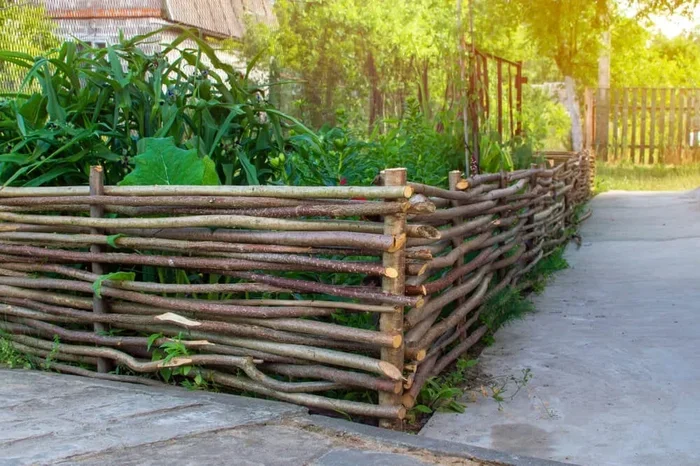
The word wattle comes from the Old English word “watel,” which means a hurdle or a fence made of interwoven sticks. Over time, the word grew to describe the flexible branches used in building and the plants themselves. Today, when people talk about wattle definition, they often mean any plant in the Acacia family. But the story does not stop there.
So why does this matter? Because wattle plants play a huge role in Australian life, history, and the environment. From the gold blooms of the golden wattle that light up the bushland every spring to the sturdy wattle wood used in traditional homes, this plant touches many parts of our world. In this article, we will break down every aspect of the wattle meaning so you walk away with a clear picture.
The wattle tree belongs to the genus Acacia. There are over 1,000 species of Acacia found across the world, but the majority call Australia home. These plants range from small shrubs to tall trees. Some grow just a metre high, while others reach up to 30 metres.
The most famous of them all is the golden wattle, known scientifically as Acacia pycnantha. Its bright yellow blooms appear in late winter and early spring. Every year on September 1st, Australians celebrate National Wattle Day to honour this beautiful plant. It is a day of pride, nature, and community.
The wattle bird is another creature closely linked to the term. This small, honeyeating bird is native to Australia and often flits among wattle branches. The bird and the plant share a deep connection in the ecosystem. The bird feeds on the nectar of the wattle flowers, and in return, it helps pollinate the plants.
When most people hear the phrase wattle meaning, they think of the plant first. And that makes sense. The wattle plant is the foundation of everything else. But the plant is just the starting point.
Wattle and daub is one of the oldest building techniques in human history. It involves weaving thin sticks or branches, called wattle, into a frame. Then, a mix of mud, clay, sand, and straw is packed over the woven structure. Once dried, this creates a strong and insulating wall.
This method has been around for over 6,000 years. People in ancient Britain, Africa, and Australia all used wattle construction to build homes and shelters. The technique is simple, cheap, and uses materials found right in nature.
Here is how it works step by step:
- Build a frame from wooden posts.
- Weave flexible branches horizontally between the posts to form a lattice. This is the wattle part.
- Apply the daub mixture over the wattle on both sides.
- Let it dry in the sun for several days.
- Optionally, plaster or paint the surface for weather protection.
The beauty of wattle and daub is its sustainability. It uses locally sourced materials and creates very little waste. Even today, some eco-builders use this method for natural homes and garden structures.
If you are interested in trying wattle weaving yourself, the process is quite simple. You need flexible branches, often from willow or dogwood. Soak them in water for a few hours to make them pliable. Then weave them in and out of a frame or around stakes. You can create baskets, fences, garden supports, or decorative art pieces.
For wattle fence building, the process is similar but on a larger scale. Posts are set into the ground, and flexible branches are woven between them. The result is a charming, rustic fence that blends beautifully into natural landscapes. Many gardeners love the look of a wattle fence because it feels organic and warm.
Wattle wood is another valuable resource. The wood from certain Acacia species is hard, durable, and resistant to rot. Indigenous Australians have used wattle wood for tools, weapons, and ceremonial objects for tens of thousands of years. Today, wattle wood is used in furniture making, flooring, and decorative items.
The wattle meaning in Indigenous Australian culture runs very deep. For Aboriginal peoples, the wattle plant is not just a tree. It is a source of food, medicine, shelter, and spiritual connection.
Aboriginal wattle knowledge has been passed down through thousands of generations. Different species of wattle were used for different purposes. Some provided edible seeds. Others offered healing bark or leaves. The wattle flowers often signaled seasonal changes and were used in ceremonies.
The wattle symbolism in Aboriginal culture centres on resilience and adaptation. Wattle trees thrive in harsh conditions. They grow in drought, in poor soil, and in fire-prone landscapes. This strength mirrors the spirit of the Aboriginal people and their deep connection to the land.
The golden wattle was officially recognised as Australia’s national flower in 1988. But its significance goes much further back. Even before European settlement, Aboriginal communities held the Australian wattle in high regard. The bright yellow blooms were seen as a sign of the land’s generosity and the arrival of warmer months.
National Wattle Day on September 1st is now a time for Australians to come together. People wear sprigs of golden wattle in their lapels. Schools hold nature activities. Communities plant new trees. It is a celebration of nature, identity, and shared heritage.
The wattle meaning as a national symbol is about unity. The golden wattle blooms across every state and territory in Australia. It does not matter where you live or what your background is. The wattle belongs to everyone.
The wattle meaning extends into the kitchen too. Wattleseed is one of the most remarkable ingredients to come out of the Australian bush. It has been a staple food for Aboriginal people for thousands of years and is now gaining popularity worldwide.
Wattleseed comes from the pods of various Acacia species. The seeds are roasted, ground, and used in a range of dishes. They have a rich, nutty, chocolate-like flavour. Here are some popular ways to use wattleseed:
- Wattleseed coffee: A caffeine-free alternative with a deep, roasted flavour.
- Baking: Added to bread, muffins, and pancakes for a nutty twist.
- Smoothies: Blended into drinks for extra protein and fibre.
- Desserts: Used in ice cream, chocolate, and puddings.
- Sauces and rubs: Ground into spice blends for meats and vegetables.
Wattleseed coffee deserves special mention. It is made by roasting and grinding wattleseed, then brewing it like regular coffee. The taste is rich and earthy with hints of chocolate and hazelnut. It is naturally caffeine-free, which makes it a great option for those looking to cut back on stimulants.
Nutritionally, wattleseed is a powerhouse. It is high in protein, fibre, and healthy fats. It also contains important minerals like potassium, magnesium, and zinc. For this reason, many people call wattleseed a superfood.
Growing wattle trees in your garden is easier than you might think. These plants are incredibly hardy. They tolerate drought, poor soil, and even frost. This makes them perfect for beginner gardeners and experienced growers alike.
Here are some quick tips for growing wattle plants at home:
- Choose a sunny spot with well-drained soil.
- Soak the seeds in warm water for 24 hours before planting.
- Plant the seeds about 1 centimetre deep.
- Water lightly and wait for germination, which usually takes 2 to 4 weeks.
- Once established, wattle trees need very little water or care.
One important thing to keep in mind. Some Acacia species can grow quite large. Before planting, check the mature size of the species you choose. You do not want a tree that outgrows your garden space.
Pruning is another key part of wattle plant care. Regular pruning encourages bushy growth and more wattle flowers. The best time to prune is right after the blooming season ends. This gives the plant time to rest before the next flush of blooms.
If you love the wattle meaning but do not have space for a full tree, consider growing a smaller Acacia variety in a pot. Many dwarf species work well in containers. They bring the beauty of wattle flowers right to your balcony or patio.
The wattle meaning also shows up in art, literature, and everyday Australian life. Artists paint the bright yellow blooms of the golden wattle in watercolours and oils. Poets write about the way the light filters through wattle trees in the bush. Musicians reference the plant in songs about the Australian landscape.
In design, wattle weaving patterns inspire textiles, furniture, and home decor. The organic, natural feel of wattle work fits beautifully into modern rustic and eco-friendly design trends.
Even in fashion, the wattle flower has made appearances. It is a popular motif on jewellery, clothing, and accessories, especially around National Wattle Day and Australia Day.
Let us look at some of the most well-known wattle species and what makes each one special:
- Golden Wattle (Acacia pycnantha): Australia’s national flower. Bright yellow blooms, fast growing.
- Cootamundra Wattle (Acacia baileyana): Known for its silvery-blue foliage and golden flowers. Popular in gardens.
- Sydney Golden Wattle (Acacia longifolia): A coastal species with long, fragrant flower spikes.
- Black Wattle (Acacia mearnsii): Valued for its dark bark and timber. Used in tannin production.
- Silver Wattle (Acacia dealbata): Recognised for its silvery leaves and bright yellow flowers. A fast grower.
Each species brings something unique to the table. Whether you are looking for a garden feature, a timber source, or a nectar-producing plant for bees, there is a wattle tree that fits the bill.
The wattle meaning is not just one thing. It is a living, evolving concept that connects nature, culture, history, and modern life. When you understand the full picture, you see that this humble plant carries enormous weight.
The wattle definition may start with a simple plant, but it branches out into so many areas. It is a building material, a food source, a national symbol, and a cultural touchstone. The wattle plant has supported human life for thousands of years and continues to do so today.
As we look to the future, the importance of wattle trees is only growing. Climate change is making drought-resistant plants more valuable. The demand for sustainable building materials is rising. And the interest in native Australian foods is booming. The wattle meaning is shifting with the times, but its core values of resilience, utility, and connection remain the same.
When you see a golden wattle in bloom, take a moment to appreciate it. That bright yellow spray of flowers represents centuries of tradition, countless practical uses, and a deep bond between people and the land. The wattle meaning is a story that is still being written, and you are now part of it.
The next time someone asks you about wattle meaning, you can share the full picture. You can talk about the plant, the building technique, the cultural symbol, and the superfood. You will have a complete understanding of this remarkable word and the world it represents.
Understanding the wattle meaning enriches your appreciation of nature, history, and culture. It connects you to the land and to the people who have lived on it for tens of thousands of years. So go ahead. Plant a wattle. Brew a cup of wattleseed coffee. Build a small wattle fence in your garden. And carry the story of the wattle plant forward in your own way.
The wattle meaning is more than a word. It is a living tradition that grows stronger every year. Embrace it. Explore it. And let the golden wattle inspire your next project, your next meal, or your next walk in the bush.
What does wattle mean in simple terms?
In simple terms, wattle meaning refers to a type of plant in the Acacia family, especially common in Australia. It also describes a building technique where flexible branches are woven together and covered with mud or clay. The word can also refer to the golden yellow flowers that bloom on these plants each spring.
Why is the golden wattle Australia’s national flower?
The golden wattle became Australia’s national flower because it grows naturally across every state and territory. Its bright yellow blooms symbolise unity, resilience, and the arrival of spring. Australians celebrate National Wattle Day on September 1st to honour this iconic plant and its deep cultural significance.
Can you eat wattle?
Yes, you can. Wattleseed from various Acacia species has been eaten by Indigenous Australians for thousands of years. It is ground into flour, roasted, and used in coffee, baking, and cooking. Wattleseed coffee is a popular caffeine-free alternative with a rich, nutty flavour.
How is wattle used in building?
Wattle and daub is an ancient building method where woven branches (the wattle) are packed with a mixture of mud, clay, and straw (the daub). This creates strong, insulating walls. The technique has been used for over 6,000 years and is still practised today by eco-builders and natural home builders around the world.
Are wattle trees easy to grow?
Absolutely. Wattle trees are known for being hardy and low-maintenance. They tolerate drought, poor soil, and various climates. Most species grow well from seed and require very little water once established. This makes them a great choice for beginner gardeners and sustainable landscaping projects.
What is the spiritual significance of wattle for Indigenous Australians?
For Aboriginal peoples, the wattle plant holds deep spiritual meaning. It represents resilience, adaptation, and a strong connection to the land. Different species were used for food, medicine, shelter, and ceremony. The wattle symbolism reflects the enduring strength and cultural richness of Indigenous Australian communities.
Key Takeaways
- Wattle has multiple meanings: It refers to a plant, a building technique, and a cultural symbol.
- The golden wattle is Australia’s national flower: It represents unity and resilience.
- Wattle construction is an ancient building method: Wattle and daub has been used for thousands of years.
- Wattleseed is a superfood: It is rich in protein and used in modern cuisine.
- Indigenous Australians have deep ties to wattle: The plant holds spiritual and practical significance.
- Growing wattle trees is easy: They are hardy, drought-resistant, and low-maintenance.
- Wattle symbolism spans many cultures: It stands for strength, renewal, and connection to the land.
Frequently Asked Questions
What is wattle meaning?
wattle meaning is an important topic with many practical applications.