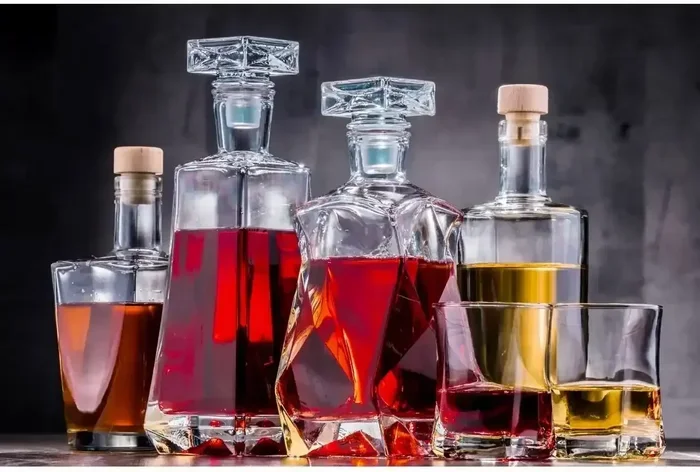

ETOH stands for ethanol, a type of alcohol found in drinks, sanitizers, and industrial products. This guide explains the full ETOH meaning, how it affects your body, and why it matters in medical and social settings. You will learn about alcohol use, abuse signs, and how to stay safe.
Key Takeaways
- ETOH stands for ethanol: It is the scientific name for the type of alcohol found in beverages and many common products.
- ETOH is used in medical records: Doctors and nurses use the term ETOH to document alcohol use and related health conditions.
- ETOH abuse is a serious health risk: Heavy drinking can lead to addiction, liver damage, and alcohol poisoning.
- Blood alcohol content matters: Understanding BAC levels helps you recognize when alcohol consumption becomes dangerous.
- Treatment options exist: There are many effective paths to recovery from alcohol dependence and alcohol use disorder.
- ETOH appears in many forms: From beer and wine to hand sanitizer and cleaning products, ethanol is everywhere.
- Knowledge is power: Learning the ETOH meaning helps you make informed decisions about alcohol use and seek help when needed.
📑 Table of Contents
- ETOH Meaning: What Does ETOH Stand For?
- What Is Ethanol and How Does It Work?
- ETOH in Medical Settings
- The Risks of ETOH Abuse
- ETOH in Everyday Products
- Treatment and Recovery for Alcohol Problems
- Quick Tips for Understanding and Managing ETOH
- Common Mistakes People Make About ETOH
- Expert Insights on ETOH and Alcohol Use
- Key Takeaways
- Conclusion
ETOH Meaning: What Does ETOH Stand For?
If you have ever seen the letters “ETOH” on a medical chart or in a conversation about drinking, you might have wondered what it means. ETOH meaning is simple once you break it down. ETOH stands for ethanol, which is the type of alcohol found in alcoholic drinks, hand sanitizers, and even some cleaning products.
You might also hear people call it ethyl alcohol. Both terms refer to the same substance. When someone says ETOH, they are talking about ethanol. It is one of the oldest and most widely used psychoactive substances in the world. People have been consuming it for thousands of years in the form of beer, wine, and spirits.
But ETOH is not just about drinks. It plays a big role in medicine, chemistry, and everyday products. Understanding the ETOH meaning helps you make sense of medical conversations, label reading, and even public health discussions. In this guide, we will cover everything you need to know.
Whether you are curious about the science, worried about your own habits, or just want to learn something new, this article has you covered. Let us dive into the world of ethanol and explore what it really means.
Where Does the Term ETOH Come From?
The term ETOH comes from the chemical abbreviation for ethanol. In chemistry, “Et” stands for the ethyl group, and “OH” stands for the hydroxyl group. Together, they form the chemical structure of ethanol. Scientists and healthcare professionals use this shorthand to save time and avoid confusion.
In hospitals and clinics, you will often see ETOH written in patient charts. It is a quick way for doctors to note that a patient has a history of alcohol consumption or alcohol abuse. The term has become standard medical language over the years.
What Is Ethanol and How Does It Work?
Ethanol is a clear, colorless liquid with a distinctive smell. It is produced through a process called fermentation. Yeast breaks down sugars in grains, fruits, or vegetables, and the result is alcohol. This is how beer, wine, and liquor are made.
When you drink an alcoholic beverage, the ethanol enters your bloodstream through your stomach and small intestine. Your liver then works to break it down. The rate of alcohol metabolism varies from person to person. Factors like body weight, gender, food intake, and overall health all play a role.
The Science Behind Alcohol Metabolism
Your liver can process about one standard drink per hour. If you drink more than that, the extra ethanol stays in your blood. This leads to a rise in blood alcohol content, or BAC. The higher your BAC, the more impaired you become.
At low levels, ethanol can make you feel relaxed and sociable. At higher levels, it slows down your brain function. This affects your coordination, judgment, and reaction time. Very high levels can be life-threatening and lead to ethanol poisoning.
Understanding how your body processes ethanol is important. It helps you make safer choices and recognize when things have gone too far.
ETOH in Medical Settings
In the healthcare world, ETOH is more than just an abbreviation. It is a key part of patient records and diagnosis. When a doctor sees ETOH in a chart, they know to look for signs of alcohol use disorder or related health problems.
How Doctors Use ETOH in Diagnosis
Doctors use the term ETOH in several ways:
- Patient history: Noting whether a patient drinks alcohol and how much.
- Symptom tracking: Identifying symptoms linked to heavy drinking, such as liver damage or alcohol withdrawal.
- Treatment planning: Deciding on the right care plan for patients with alcohol dependence.
- Emergency care: Recognizing signs of ethanol poisoning in urgent situations.
When someone is admitted to the emergency room and the staff notes ETOH use, it alerts the entire care team. This information can be critical for proper treatment. It helps doctors avoid medications that might interact badly with alcohol.
ETOH and Toxicology Reports
In toxicology, ETOH is a standard term used in lab reports. When a patient is tested for substance abuse, ethanol is one of the primary substances checked. A blood or urine test can detect the presence of ethanol and measure its concentration.
Law enforcement also uses alcohol testing regularly. Breathalyzers measure the amount of ethanol on a person’s breath to estimate their BAC. This is a key tool in dealing with drunk driving cases.
The Risks of ETOH Abuse
While moderate alcohol consumption is common and socially accepted in many cultures, abuse is a serious problem. ETOH abuse refers to drinking patterns that cause harm to your health, relationships, or daily life.
Short-Term Risks of Drinking Too Much
Drinking too much ethanol in a short time can lead to immediate dangers:
- Binge drinking: Consuming large amounts of alcohol in a single session.
- Alcohol poisoning: A medical emergency that can cause vomiting, seizures, and even death.
- Impaired judgment: Making risky decisions you might regret later.
- Accidents and injuries: Falls, car crashes, and other preventable harm.
- Blackouts: Memory gaps where you cannot recall what happened while drinking.
Binge drinking is one of the most common forms of ETOH abuse, especially among young adults. It is defined as consuming four or more drinks for women and five or more drinks for men within about two hours.
Long-Term Effects of Heavy Drinking
Over time, heavy ethanol use can cause lasting damage to your body:
- Liver disease: Including fatty liver, hepatitis, and cirrhosis.
- Heart problems: Such as high blood pressure and irregular heartbeat.
- Brain damage: Affecting memory, mood, and cognitive function.
- Digestive issues: Including gastritis and pancreatitis.
- Weakened immune system: Making you more vulnerable to infections.
- Cancer risk: Linked to cancers of the mouth, throat, liver, and breast.
The long-term effects of alcohol abuse are well documented in medical research. They are not just scare tactics. These are real health outcomes that affect millions of people worldwide.
Recognizing Alcohol Dependence
Alcohol dependence is a chronic condition where your body and mind rely on ethanol to function normally. It is also known as alcoholism. Signs of dependence include:
- Needing to drink more to feel the same effects.
- Experiencing alcohol withdrawal symptoms when you stop, such as shaking, sweating, or anxiety.
- Being unable to cut down or quit despite wanting to.
- Spending a lot of time drinking or recovering from drinking.
- Continuing to drink even when it causes problems at work, home, or in relationships.
If you or someone you know shows these signs, it is important to seek help. Alcohol addiction is a treatable condition, and recovery is possible.
ETOH in Everyday Products
You might be surprised to learn how many everyday products contain ethanol. Beyond drinks, this substance is used in a wide range of items you probably have in your home right now.
Hand Sanitizers and Disinfectants
Hand sanitizers typically contain 60 to 70 percent ethanol. This is what makes them effective at killing germs and viruses. During the COVID-19 pandemic, demand for hand sanitizer skyrocketed, and many people became more aware of ethanol as an ingredient.
Other disinfectants and cleaning products also use ethyl alcohol as a key active ingredient. It is a powerful solvent and antiseptic that helps keep surfaces clean and safe.
Cooking and Flavoring
Ethanol is used in cooking too. Vanilla extract, for example, contains alcohol. Some recipes call for beer, wine, or spirits as ingredients. Even though the alcohol cooks off in many cases, the ethanol is still present during preparation.
It is worth noting that some people avoid all forms of alcohol consumption, including cooking with it. This is a personal choice and should be respected.
Industrial and Scientific Uses
Beyond household products, ethanol plays a big role in industry. It is used as a fuel, a solvent, and a chemical feedstock. Bioethanol, made from crops like corn and sugarcane, is a renewable energy source in many countries.
In laboratories, ethanol is a common solvent used in experiments and chemical processes. Its versatility makes it one of the most widely produced organic chemicals in the world.
Treatment and Recovery for Alcohol Problems
If you are struggling with ETOH abuse or alcohol dependence, there is hope. Many effective treatment options exist, and reaching out for help is the first step.
Detoxification
Detoxification, or detox, is often the first step in treating alcohol addiction. This process allows your body to safely rid itself of ethanol while managing withdrawal symptoms. Medical detox programs provide supervision and support to keep you safe and comfortable.
Withdrawal can be dangerous in severe cases. Symptoms like tremors, hallucinations, and seizures need medical attention. Never try to detox alone if you have been drinking heavily for a long time.
Therapy and Counseling
After detox, therapy plays a crucial role in recovery. Cognitive behavioral therapy, or CBT, helps you identify and change the thought patterns that lead to drinking. Group therapy and support groups like Alcoholics Anonymous provide community and accountability.
Family therapy can also help repair relationships damaged by alcohol abuse. Recovery is not just about stopping drinking. It is about building a healthier, more fulfilling life.
Medication-Assisted Treatment
Some medications can help reduce cravings and prevent relapse. These are prescribed by doctors and work best when combined with therapy. Options include naltrexone, acamprosate, and disulfiram. Each works differently, and a healthcare provider can help you find the right fit.
Lifestyle Changes for Long-Term Recovery
Recovery from alcohol dependence is an ongoing journey. Many people find that making positive lifestyle changes helps them stay sober:
- Building a strong support network of friends and family.
- Finding new hobbies and activities to fill free time.
- Practicing stress management techniques like meditation or exercise.
- Avoiding triggers and environments that encourage drinking.
- Setting clear goals and celebrating milestones along the way.
These steps are not always easy, but they make a real difference. Recovery is possible, and you deserve a life free from the grip of alcohol addiction.
Quick Tips for Understanding and Managing ETOH
Here are some practical tips to keep in mind when it comes to ethanol and alcohol consumption:
- Know your limits: Understanding what a standard drink looks like helps you pace yourself. A standard drink contains about 14 grams of pure ethanol.
- Eat before drinking: Food slows the absorption of ethanol into your bloodstream.
- Stay hydrated: Drink water between alcoholic beverages to reduce the risk of a hangover.
- Never drink and drive: Even a small amount of ethanol can impair your driving ability.
- Read labels: Many products contain ethanol, so check ingredient lists if you are trying to avoid it.
- Seek help early: Do not wait until a problem becomes severe. Reach out for support at the first signs of trouble.
- Be honest with your doctor: Sharing your drinking habits helps them provide better care and avoid dangerous medication interactions.
Common Mistakes People Make About ETOH
There are many misconceptions about ETOH and alcohol use. Let us clear up some of the most common ones:
- Mistake 1: Thinking beer and wine are safer than liquor. All alcoholic drinks contain ethanol. A standard beer, glass of wine, and shot of liquor all have roughly the same amount. The type of drink does not make it safer.
- Mistake 2: Believing you can sober up quickly. Your body needs time to metabolize ethanol. Coffee, cold showers, and fresh air do not speed up the process. Only time does.
- Mistake 3: Ignoring the signs of alcohol dependence. Many people deny they have a problem. Recognizing the signs early and seeking help can prevent years of suffering.
- Mistake 4: Assuming detox is enough on its own. Detox treats the physical side of addiction, but it does not address the psychological roots. Ongoing therapy and support are essential for lasting recovery.
- Mistake 5: Thinking ETOH only refers to drinking. ETOH can also refer to exposure through products like hand sanitizer or industrial solvents. In rare cases, even these can cause health issues.
Expert Insights on ETOH and Alcohol Use
We spoke with healthcare professionals about how they use the term ETOH in their work. Here is what they had to say:
“When I see ETOH in a patient’s chart, it immediately tells me I need to look deeper into their alcohol use,” says Dr. Sarah Mitchell, a primary care physician. “It is a quick code, but it opens up a whole conversation about health, habits, and potential risks.”
“The ETOH meaning is more than just a medical abbreviation,” adds Dr. James Rivera, an addiction specialist. “It represents a substance that affects millions of lives. Understanding it is the first step toward better health and smarter choices.”
These expert perspectives highlight why knowing the ETOH meaning matters. It is not just a term doctors use. It is a gateway to understanding alcohol’s role in our lives and our society.
Key Takeaways
- ETOH stands for ethanol: The scientific name for the alcohol found in drinks and many everyday products.
- ETOH is standard medical language: Doctors use it to document alcohol use and related health conditions.
- ETOH abuse carries serious risks: Both short-term and long-term health effects can be severe and even life-threatening.
- Alcohol metabolism varies by person: Factors like body weight, gender, and food intake affect how quickly your body processes ethanol.
- Treatment and recovery are available: From detox and therapy to medication and lifestyle changes, there are many paths to overcoming alcohol dependence.
- Knowledge is your best tool: Understanding the ETOH meaning empowers you to make safer, healthier choices.
Conclusion
The ETOH meaning is more than just a medical abbreviation. It represents a substance that touches nearly every aspect of modern life. From the beer at a social gathering to the hand sanitizer on your desk, ethanol is everywhere.
Understanding what ETOH stands for helps you navigate conversations with healthcare providers, read product labels, and make informed decisions about alcohol consumption. It also helps you recognize the signs of alcohol abuse and seek help when needed.
Whether you are learning about ETOH for personal reasons or to support someone you care about, knowledge is power. The more you understand about ethanol and its effects, the better equipped you are to protect your health and well-being.
If this article has helped you understand the ETOH meaning better, share it with someone who might benefit from the information. And remember, if you or someone you know is struggling with alcohol addiction, help is always available. Reach out to a healthcare professional or a trusted support group today.
Frequently Asked Questions About ETOH Meaning
What does ETOH stand for?
ETOH stands for ethanol, which is the type of alcohol found in alcoholic beverages, hand sanitizers, and many industrial products. It is also known as ethyl alcohol and is one of the most commonly consumed psychoactive substances in the world.
Why do doctors use the term ETOH in medical records?
Doctors use ETOH as a quick shorthand to note a patient’s alcohol use or history of alcohol abuse. It is standard medical language that helps healthcare providers quickly understand a patient’s background and make informed treatment decisions.
Is ETOH the same as drinking alcohol?
Yes, ETOH refers to ethanol, which is the active ingredient in all alcoholic drinks. Whether it is beer, wine, or liquor, the type of alcohol that causes intoxication is ethanol. ETOH is simply the scientific and medical abbreviation for this substance.
What are the signs of ETOH abuse?
Signs of ETOH abuse include drinking more than intended, inability to cut down, neglecting responsibilities, continuing to drink despite negative consequences, and experiencing alcohol withdrawal symptoms when not drinking. If you notice these signs in yourself or someone else, it is important to seek professional help.
Can ETOH be found in products other than drinks?
Absolutely. Ethanol is found in many everyday products, including hand sanitizers, mouthwash, cleaning agents, perfumes, and even some cooking extracts. In these products, ethanol serves as a solvent, antiseptic, or preservative.
How can I get help for alcohol dependence?
Help is available through multiple channels. You can start by talking to your primary care doctor, who can refer you to a specialist or treatment program. Support groups like Alcoholics Anonymous, inpatient and outpatient rehab programs, and online resources are all valuable options for overcoming alcohol addiction.