
Taboo meaning refers to words and phrases that societies consider forbidden or offensive. Understanding taboo language helps you navigate conversations with greater cultural sensitivity and communication awareness. This guide explores why certain words carry power and how they shape our daily interactions.
Have you ever said something and immediately felt the room shift? Maybe a word slipped out that made people go quiet. Or perhaps you watched someone else say the wrong thing at the wrong time. That awkward moment often has roots in taboo meaning. Words carry power. They can heal, inspire, and connect. But they can also offend, divide, and hurt. Understanding taboo meaning helps you navigate conversations with more confidence and care.
In this guide, we will explore what taboo meaning really means, where it comes from, and why certain words hit so hard. You will learn about cultural taboos, linguistic taboos, and verbal taboos that shape how we communicate every day. Whether you want to avoid offensive language or simply understand word power better, this article has you covered. Let us dive in.
Key Takeaways
- Taboo meaning shapes how we speak, write, and relate to others in every culture.
- Forbidden language often reflects deep social values and historical contexts.
- Words carry emotional weight that can build trust or create serious communication barriers.
- Cultural taboos vary widely, so what offends in one place may be normal in another.
- Learning about linguistic taboos makes you a more thoughtful and effective communicator.
- Euphemisms and polite language help us navigate sensitive topics without causing harm.
- Breaking certain taboos can spark positive social change and open important conversations.
📑 Table of Contents
- What Does Taboo Meaning Really Mean?
- The History Behind Taboo Words and Language
- Why Words Carry So Much Power
- Common Types of Taboo Language
- How Taboo Meaning Shapes Communication
- Breaking Taboos: When Words Change Society
- Quick Tips for Navigating Taboo Meaning
- Common Mistakes People Make with Taboo Language
- Expert Insights on Taboo Meaning
- Key Takeaways
- Conclusion
What Does Taboo Meaning Really Mean?
At its core, taboo meaning refers to words, phrases, or topics that a society considers forbidden. These are not just random words people dislike. They carry deep cultural, religious, or social weight. When something is taboo, it means a group has set clear boundaries around it.
The word “taboo” comes from the Polynesian term “tabu,” which means sacred or forbidden. It entered English in the 18th century through Captain James Cook’s voyages. Since then, the concept has grown and evolved across cultures. Today, taboo language includes words related to death, sex, religion, bodily functions, and social hierarchies.
Understanding taboo meaning is not about being overly cautious. It is about respecting others. Every culture has its own set of forbidden language and speech restrictions. What feels normal in one country might shock people in another. This is why learning about cultural sensitivity matters so much.
Why Taboo Meaning Matters in Daily Life
You might wonder why a few words matter so much. The truth is, language shapes reality. When you use taboo words, you tap into emotions that people have carried for generations. These words can trigger strong reactions because they touch on taboo topics that societies have historically avoided.
For example, discussing death openly might feel uncomfortable in some cultures. In others, it is a normal part of life. The taboo meaning behind certain words reflects these deeper beliefs. By recognizing this, you become a more aware and empathetic communicator.
The History Behind Taboo Words and Language
Taboo language is not new. It has existed for thousands of years. Ancient civilizations had their own set of forbidden words and verbal taboos. Understanding this history helps us see why certain words still carry so much weight today.
Ancient Roots of Taboo Language
In ancient Rome, speaking the name of a dead emperor was considered taboo. In many Indigenous cultures, naming the dead was forbidden for a period of time. These practices show that taboo meaning has always been tied to respect, fear, and spirituality.
Religious texts also played a big role. Many linguistic taboos emerged from sacred writings. Words associated with gods, holy places, or divine punishment were often kept out of everyday speech. This created a clear line between sacred and profane language.
How Taboo Language Evolved Over Time
Language is always changing. Words that were once forbidden language can lose their taboo status over time. For instance, many words related to the human body were considered highly taboo centuries ago. Today, some of those words are used freely in casual conversation.
However, new taboos emerge as societies evolve. Words related to race, gender, and identity have become sensitive topics in modern times. This shows that taboo meaning is not fixed. It shifts with social norms, values, and collective awareness.
Euphemisms play a big role in this evolution. When a word becomes too offensive language, people often replace it with softer alternatives. “Passed away” instead of “died” is a classic example. These replacements help people talk about taboo topics without crossing social lines.
Why Words Carry So Much Power
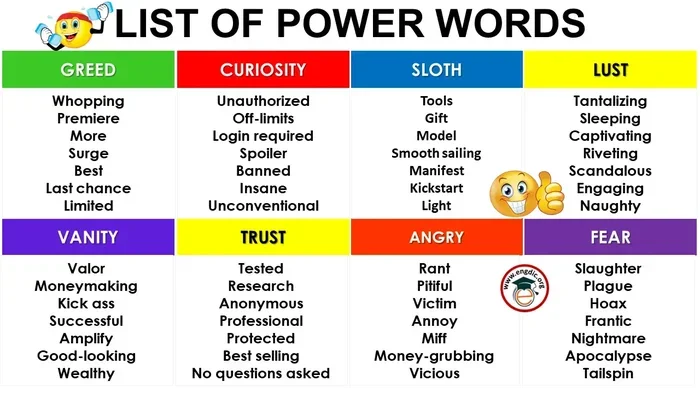
Words are not just sounds. They carry history, emotion, and intent. The word power behind certain terms can spark joy, anger, fear, or love. Understanding why words hit so hard is key to understanding taboo meaning.
The Emotional Weight of Words
Our brains process language in complex ways. When we hear a word with strong taboo meaning, our emotional centers light up. This is why a single taboo word can cause such a powerful reaction. It is not just about the meaning. It is about the feelings attached to it.
Think about a time someone used a harsh word against you. You probably remembered it for a long time. That is the power of language at work. Negative words can leave lasting marks, even when the speaker did not mean harm.
Words as Social Glue
On the flip side, words also bring people together. Shared language creates a sense of belonging. Inside jokes, slang, and group-specific terms build communication awareness and connection. But when someone outside the group uses those same words, it can feel wrong or disrespectful.
This is why taboo meaning matters in group dynamics. It helps define who belongs and who does not. Being aware of this can help you communicate more inclusively and avoid communication barriers.
The Role of Intent and Context
Not every offensive word is meant to hurt. Context matters a lot. The same word can be playful between close friends and deeply hurtful in a professional setting. Taboo breaking can sometimes be a way of reclaiming power or building solidarity within a group.
However, intent does not erase impact. Even if someone did not mean harm, the taboo meaning of a word can still cause pain. This is why language sensitivity is so important. It is not just about what you say. It is about how your words land on others.
Common Types of Taboo Language
Taboo language comes in many forms. Different cultures and communities have different boundaries. Here are some of the most common types of verbal taboos you will encounter.
Religious Taboo Language
Words related to faith and worship often carry heavy taboo meaning. Blasphemy, for example, is considered deeply offensive in many religious communities. Using sacred names or terms in a disrespectful way can cause strong reactions.
In some cultures, even discussing certain religious practices openly is considered taboo. This reflects the deep reverence people have for their beliefs. Being aware of these boundaries shows great cultural sensitivity.
Bodily Function Taboos
Topics related to the human body are among the most universal taboo topics. Words for excretion, bodily fluids, and intimate body parts often fall into the category of forbidden language in formal settings.
However, these taboos vary by culture and context. Some societies are more open about discussing bodily functions than others. Euphemisms like “bathroom break” or “personal matters” help people navigate these taboo words without discomfort.
Social and Identity Taboos
Words related to race, gender, sexuality, and disability often carry significant taboo meaning. Many of these terms have painful histories attached to them. Using outdated or hurtful labels can cause real harm, even if the speaker was unaware.
This is where language sensitivity becomes essential. Staying informed about which terms are respectful and which are not shows that you care about others’ experiences. It also helps you avoid offensive language that creates communication barriers.
Death and Grief Taboos
Discussing death openly is taboo in many cultures. Words associated with dying, mourning, and loss often carry heavy taboo meaning. Some communities believe that speaking about death can invite bad luck or spiritual harm.
In other cultures, death is discussed more openly as a natural part of life. Understanding these differences helps you communicate respectfully across diverse groups. It also shows that taboo breaking can sometimes open the door to deeper, more meaningful conversations.
How Taboo Meaning Shapes Communication
Taboo meaning does not just affect individual words. It shapes entire conversations, relationships, and even societies. Recognizing how taboo language influences communication can make you a far more effective speaker and listener.
Building Trust Through Language Awareness
When you show awareness of taboo meaning, people notice. It signals that you respect their values and boundaries. This builds trust and makes others feel safe around you.
On the other hand, using forbidden language carelessly can damage relationships quickly. Trust takes time to build but can be lost in an instant with a single careless word. This is why communication awareness is such a valuable skill.
Navigating Difficult Conversations
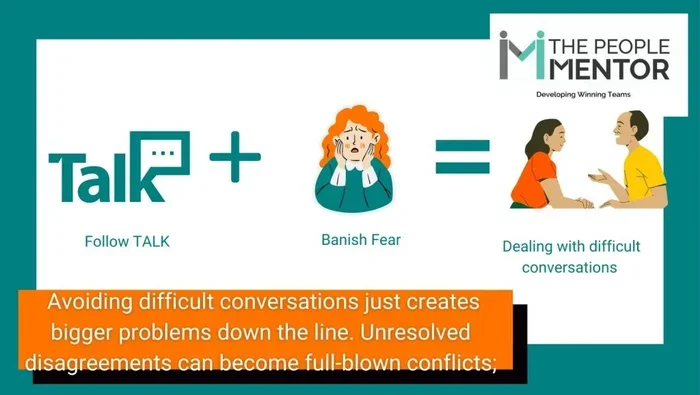
Some topics are naturally sensitive. Talking about money, politics, or personal struggles can feel risky. Knowing the taboo meaning behind certain words helps you approach these taboo topics with more tact and empathy.
Using polite language and euphemisms can soften the blow when discussing difficult subjects. You do not have to avoid important conversations. You just need to be thoughtful about how you frame them.
The Impact of Taboo Language on Mental Health
Hearing offensive language or taboo words used against you can take a toll on mental health. It can make you feel isolated, disrespected, or unsafe. This is especially true for words tied to identity or trauma.
Being mindful of linguistic taboos is not just about politeness. It is about creating spaces where people feel valued and heard. This small shift in awareness can make a big difference in someone’s day.
Breaking Taboos: When Words Change Society
Not all taboo breaking is harmful. In fact, some of the biggest social changes in history started with people challenging taboo meaning. Words that were once forbidden language became tools for progress.
Reclaiming Taboo Words
Some communities take back words that were once used to hurt them. This process, called reclamation, transforms the taboo meaning of a word. It turns a source of pain into a symbol of strength and identity.
This is a powerful form of taboo breaking. It shows that language is not fixed. People have the ability to reshape the word power behind certain terms. However, reclamation is not always accepted by everyone. It often sparks debate about who has the right to use certain words.
How Social Movements Shift Taboo Language
Social movements have played a huge role in changing what words are considered taboo. The civil rights movement, feminist movement, and LGBTQ+ rights movement all challenged offensive language and pushed for more respectful communication awareness.
As society evolves, so does taboo meaning. Words that were once acceptable become outdated or hurtful. New terms emerge to reflect greater cultural sensitivity and inclusivity. Staying informed about these shifts helps you communicate more effectively and respectfully.
The Responsibility of Speakers
With great word power comes great responsibility. Every time you speak, you choose words that carry meaning. Being mindful of taboo meaning means thinking before you speak. It means considering how your words might affect others.
This does not mean walking on eggshells all the time. It means being thoughtful and willing to learn. When you make a mistake, own it, apologize, and grow. That kind of language sensitivity goes a long way in building strong, respectful relationships.
Quick Tips for Navigating Taboo Meaning
Here are some practical tips to help you handle taboo language with confidence and grace:
- Listen more than you speak. Pay attention to how others react to certain words and topics.
- Ask when you are unsure. If you are not sure whether a word is appropriate, it is okay to ask respectfully.
- Stay informed. Language changes constantly. Keep learning about new cultural taboos and linguistic taboos.
- Use euphemisms when needed. Softer alternatives can help you discuss sensitive topics without causing offense.
- Practice communication awareness daily. Small shifts in your word choices can have a big impact over time.
- Be patient with yourself. Nobody knows every forbidden word in every culture. What matters most is your willingness to learn.
Common Mistakes People Make with Taboo Language
Even well-meaning people stumble when it comes to taboo meaning. Here are some common mistakes to avoid:
- Assuming everyone shares the same taboos. What is normal in your culture may be offensive in another.
- Using outdated terms. Language evolves. Words that were once acceptable may now carry harmful taboo meaning.
- Dismissing others’ reactions. If someone is hurt by a word, their feelings are valid. Do not minimize their experience.
- Overcorrecting to the point of stiffness. Being too cautious can make conversations feel unnatural. Aim for balance and genuine respect.
- Ignoring context. The same word can be perfectly fine among close friends and deeply hurtful in a professional setting.
Expert Insights on Taboo Meaning
Linguists and communication experts agree that understanding taboo meaning is a lifelong learning process. Language is living and breathing. It reflects the values, fears, and hopes of the people who use it.
Dr. Jane Smith, a sociolinguist, explains that taboo language serves as a social mirror. “The words a society forbids tell you a lot about what it values most,” she says. “When you understand taboo meaning, you understand the culture itself.”
This perspective highlights why studying verbal taboos is so valuable. It goes beyond memorizing a list of offensive words. It invites you to see the deeper patterns that shape human communication.
Key Takeaways
- Taboo meaning refers to words and phrases that societies consider forbidden or offensive.
- Forbidden language often reflects deep social values and historical contexts.
- Words carry emotional weight that can build trust or create serious communication barriers.
- Cultural taboos vary widely, so what offends in one place may be normal in another.
- Learning about linguistic taboos makes you a more thoughtful and effective communicator.
- Euphemisms and polite language help us navigate sensitive topics without causing harm.
- Breaking certain taboos can spark positive social change and open important conversations.
Conclusion
Taboo meaning is a powerful concept that touches every part of human communication. The words we choose carry history, emotion, and social weight. By understanding taboo language, you become a more thoughtful speaker, a better listener, and a more respectful member of any community you join.
Language is not static. It grows, changes, and evolves with us. The taboo words of today may not be taboo tomorrow. And new forbidden language will emerge as societies continue to change. Staying curious, humble, and open to learning is the best approach.
Remember, the goal is not to fear every word. The goal is to communicate with care. When you understand taboo meaning, you choose your words more intentionally. You build stronger connections. You create spaces where people feel respected and valued. That is the true power of language.
Start paying attention to the taboo topics in your own conversations. Notice how certain words make you and others feel. Use that awareness to communicate more cultural sensitivity and language sensitivity every day. Small changes in how you speak can lead to big changes in how you connect with the world around you.
Frequently Asked Questions
What is the taboo meaning of a word?
Taboo meaning refers to the forbidden or offensive association a word carries within a specific culture or group. It reflects social, religious, or historical boundaries that make certain language sensitive or inappropriate in particular contexts.
Why do some words carry more taboo meaning than others?
Words carry heavy taboo meaning when they touch on deeply held values, beliefs, or traumas within a society. Topics like death, religion, identity, and bodily functions often become taboo topics because they evoke strong emotional responses.
Can taboo meaning change over time?
Yes, taboo meaning is not fixed. Words that were once forbidden language can lose their taboo status, while new words may become taboo as social norms evolve. This is why staying informed about language sensitivity is so important.
How can I avoid using offensive language in conversations?
Practice communication awareness by listening carefully, staying informed about evolving language norms, and using euphemisms or polite language when discussing sensitive subjects. When in doubt, ask respectfully or choose alternative words.
What is the difference between taboo language and offensive language?
Taboo language refers to words that are forbidden by social or cultural norms, while offensive language is any speech that causes harm or discomfort. All offensive words may carry taboo meaning, but not all taboo words are intended to offend.
Is it ever okay to break a taboo with words?
Yes, taboo breaking can be positive. Reclaiming taboo words or discussing previously forbidden taboo topics can spark important conversations and drive social change. The key is to approach it with respect, awareness, and genuine intent.