
The pessimistic meaning goes far beyond just “being negative.” It shapes how you see the world, make decisions, and handle challenges every single day. Understanding what pessimism truly means can help you spot harmful thought patterns and take back control of your mental attitude. This guide breaks down the pessimistic outlook in plain, simple language you can use right away.
Have you ever met someone who always expects the worst? No matter what happens, they see the downside first. That is the pessimistic meaning in action. But what does it really mean to think this way? And more importantly, how does it affect your daily life?
In this article, we will break down the pessimistic outlook in simple terms. You will learn what pessimism really is, why people develop it, and how it shows up in everyday situations. We will also share practical tips to help you shift your mental attitude if it has become too heavy. Let us dive in.
Key Takeaways
- Pessimistic meaning refers to a mental attitude that expects the worst possible outcome in any situation.
- A pessimistic outlook can affect your mental health, relationships, and even your physical well-being over time.
- Not all pessimism is harmful. Realistic thinking and protective pessimism can actually help you prepare and plan better.
- Cognitive distortions fuel the negative thinking cycle, and recognizing them is the first step toward change.
- Simple daily habits like gratitude journaling and cognitive reframing can help you shift from a glass-half-empty mindset to a more balanced one.
- Seeking professional help is a strong and smart move if pessimism starts to control your life.
📑 Table of Contents
What Is the Pessimistic Meaning?
The Basic Pessimism Definition
At its core, the pessimistic meaning is about expecting bad things to happen. A person with a pessimistic outlook tends to focus on the negative side of every situation. They often believe that good things are temporary and that problems are permanent.
Think of it like wearing dark glasses all the time. Everything looks darker than it really is. That is what a negative thinking pattern does to your mind. You filter out the good and zoom in on the bad.
The pessimism definition comes from the Latin word “pessimus,” which means “the worst.” So when someone is pessimistic, they are basically saying, “I expect the worst.” This mindset can show up in small ways or big ways. It all depends on the person and their life experiences.
Pessimism vs. Optimism: What Is the Difference?
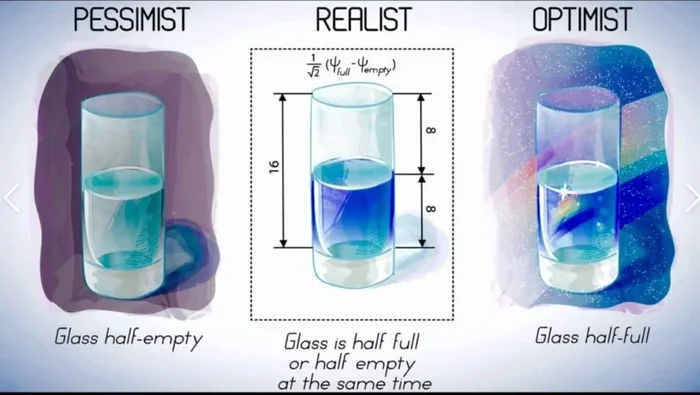
Many people think of optimism as the opposite of pessimism. And that is true on the surface. An optimistic person sees the glass as half full. A pessimistic person sees it as half empty.
But the real difference goes deeper than that. Here is a simple comparison:
- Pessimistic mindset: Focuses on problems, expects failure, feels helpless, and doubts good outcomes.
- Optimistic mindset: Focuses on solutions, expects success, feels hopeful, and trusts good outcomes.
However, the healthiest approach is not pure optimism or pure pessimism. It is a balanced mindset. Being realistic means you see both the good and the bad. You prepare for challenges without letting negativity take over.
The Psychology Behind a Pessimistic Outlook
How Negative Thinking Patterns Start
Why do some people develop a pessimistic attitude? The answer is not always simple. Often, it starts in childhood. If you grew up around adults who always worried or expected the worst, you might have picked up that habit. Over time, it becomes your default way of thinking.
Another common cause is repeated disappointment. If you hoped for something many times and it never worked out, your brain starts to protect you. It says, “Do not get your hopes up again.” This is a self-fulfilling prophecy. You expect failure, so you do not try as hard, which leads to failure.
Cognitive distortions also play a big role. These are thinking errors that trick your brain into seeing things worse than they are. Some common ones include:
- Catastrophizing: Always imagining the worst-case scenario.
- Overgeneralizing: Believing one bad event means everything will always be bad.
- Mental filtering: Focusing only on the negative and ignoring the positive.
How Pessimism Affects Your Brain and Body
A pessimistic worldview does not just stay in your head. It affects your entire body. When you constantly expect the worst, your brain releases stress hormones like cortisol. Over time, this can lead to serious health problems.
Studies show that people with a chronic negative mindset are more likely to experience:
- High blood pressure and heart disease
- Weakened immune system
- Anxiety and depression
- Poor sleep quality
- Low energy and fatigue
Your emotional well-being takes a hit too. Pessimism can make you feel stuck, hopeless, or unmotivated. It drains the joy out of everyday moments. Even good news can feel dull when your brain is wired to expect the worst.
How Pessimism Shows Up in Everyday Life
Pessimistic Thinking at Work
At work, a pessimistic attitude can hold you back in many ways. You might avoid taking on new projects because you fear failure. You might doubt your boss’s praise or assume a promotion will never come. This kind of cynicism can damage your career over time.
Here are some common signs of pessimism at work:
- Dreading Monday mornings every single week
- Assuming team projects will fail before they start
- Refusing to give positive feedback to coworkers
- Blaming external factors for your own mistakes
- Feeling jealous of others’ success
The good news is that awareness is the first step. Once you notice these patterns, you can start to change them.
Pessimism in Relationships
Relationships can also suffer when one partner has a pessimistic mindset. Constant negativity can push people away. Your friends and family may start to feel drained after spending time with you.
A pessimistic outlook in relationships often looks like this:
- Assuming your partner does not really care about you
- Interpreting neutral comments as attacks
- Expecting the relationship to fail eventually
- Focusing on flaws instead of appreciating strengths
- Withdrawing emotionally when things get tough
If you recognize yourself in these points, that is okay. It does not mean you are a bad person. It means you have a habit that can be changed with practice and patience.
The Glass-Half-Empty Mindset in Daily Decisions
Even small daily decisions can be influenced by a pessimistic attitude. Choosing not to go out because “nothing fun ever happens” is a perfect example. Skipping a job interview because “you will probably not get it” is another one.
This glass-half-empty thinking shrinks your world. It keeps you from trying new things and meeting new people. Over time, it can lead to loneliness and regret. The pessimistic meaning in this context is clear: it limits your life in ways you might not even notice.
Is Pessimism Always Bad?
The Protective Side of a Pessimistic Outlook
Here is something surprising. A pessimistic mindset is not always bad. In fact, it can be helpful in certain situations. This idea is called protective pessimism.
How does it work? Some people use low expectations as a motivation tool. They think, “If I expect the worst, I will work harder to prevent it.” This strategy can actually reduce anxiety for some individuals. It gives them a sense of control.
For example, a student who expects a tough exam might study harder and end up doing well. A project manager who assumes things could go wrong might create backup plans that save the day. In these cases, the pessimistic meaning is not about defeat. It is about preparation.
Realistic Thinking vs. Doom and Gloom
There is a big difference between being realistic and being a doom-and-gloom person. Realistic thinking means you see the truth of a situation. You weigh the pros and the cons. You make a plan based on facts.
Doom and gloom, on the other hand, means you only see the bad. You ignore evidence that things could go well. You let fear drive your decisions.
Here is a quick way to tell the difference:
- Realistic: “This project might be hard, but I have the skills to handle it.”
- Doom and gloom: “This project will be a disaster, and I will fail.”
The first one is healthy. The second one is a cognitive distortion that needs to be addressed.
How to Shift from a Pessimistic Attitude
Simple Steps to Think More Positively
Changing your mental attitude does not happen overnight. It takes practice. But the good news is that your brain is flexible. Neuroscientists call this neuroplasticity. Your brain can form new thinking habits at any age.
Here are some practical steps you can start today:
- Notice your thoughts. Pay attention to what you tell yourself throughout the day. Write them down if it helps.
- Challenge negative thoughts. Ask yourself, “Is this really true? What evidence do I have?”
- Practice gratitude. Every night, write down three things that went well that day. They can be small things.
- Surround yourself with positive people. Your mindset is influenced by the people you spend time with.
- Try cognitive reframing. Turn a negative thought into a neutral or positive one. For example, change “I always mess up” to “I made a mistake, and I can learn from it.”
These steps are simple, but they work. Consistency is key. Do not expect perfection. Just keep trying.
When to Seek Professional Help
Sometimes, a pessimistic outlook is more than just a habit. It can be a sign of depression or an anxiety disorder. If you find that negative thinking is taking over your life, it is okay to ask for help.
Cognitive behavioral therapy (CBT) is one of the most effective treatments for chronic pessimism. A trained therapist can help you identify and change harmful thought patterns. You do not have to do this alone.
Here are some signs that it is time to seek help:
- Negative thoughts interfere with your daily functioning
- You feel hopeless most of the time
- You have lost interest in activities you used to enjoy
- Your relationships are suffering because of your attitude
- You feel unable to control your worrying
Reaching out for help is a sign of strength, not weakness. It is one of the best things you can do for your emotional well-being.
Living with Balance: Embracing a Healthier Mindset
The goal is not to become a blindly optimistic person who ignores reality. The goal is to find balance. A healthy mindset acknowledges challenges while also seeing opportunities. It accepts that bad things happen without letting them define your entire life.
Think of your attitude like a dial. You do not have to turn it all the way to positive or all the way to negative. You just need to find the middle ground. That middle ground is where real growth happens.
Some days will still be hard. That is part of life. But with practice, you can train your brain to look for the good even in tough times. The pessimistic meaning does not have to be your forever story. You have the power to rewrite it.
Start small. Be patient with yourself. Celebrate every tiny shift in your thinking. Over time, those small changes add up to a completely different life perspective. And that is something worth working for.
Conclusion
Understanding the pessimistic meaning is the first step toward a happier, healthier life. A pessimistic outlook can limit your world, but it does not have to define it. By recognizing negative thought patterns and taking active steps to shift your mindset, you can break free from the cycle of negative thinking.
Remember, not all pessimism is bad. Protective pessimism and realistic thinking have their place. The key is to stay balanced and aware. Your mental attitude shapes your reality, and you have the power to shape it in a healthier direction.
Start today. Pick one tip from this article and try it. Small steps lead to big changes. You deserve a life filled with more hope, more joy, and more balance.
Frequently Asked Questions
What is the pessimistic meaning in simple terms?
The pessimistic meaning is the habit of expecting the worst outcome in any situation. It is a negative thinking pattern where a person focuses on problems rather than solutions. In simple words, it means always seeing the glass as half empty instead of half full.
Can a pessimistic attitude affect your health?
Yes, absolutely. A chronic pessimistic outlook can lead to higher stress levels, anxiety, and even physical health problems like high blood pressure. Your emotional well-being and body are closely connected. Over time, constant negativity can wear down both your mental and physical health.
Is there a difference between pessimism and realism?
Yes, there is a clear difference. Realistic thinking means you see both the good and the bad and make decisions based on facts. A pessimistic mindset only focuses on the negative and ignores evidence that things could go well. Realism is balanced; pessimism is one-sided.
What are some common cognitive distortions linked to pessimism?
Common cognitive distortions include catastrophizing, where you always imagine the worst outcome. Overgeneralizing is another one, where one bad event makes you believe everything will always be bad. Mental filtering means you focus only on the negative and ignore the positive. These distortions fuel the pessimistic attitude and can be changed with practice.
How can I stop being so pessimistic?
Start by noticing your negative thoughts and challenging them. Practice gratitude by writing down three good things each day. Try cognitive reframing to turn negative thoughts into balanced ones. If pessimism feels overwhelming, consider seeking help through cognitive behavioral therapy. Change takes time, but it is absolutely possible.
Can pessimism ever be a good thing?
Yes, it can. Protective pessimism is a strategy where low expectations motivate you to prepare and work harder. Some people use it to reduce anxiety and feel more in control. The key is to keep it balanced so it does not turn into a pessimistic worldview that holds you back from living fully.