
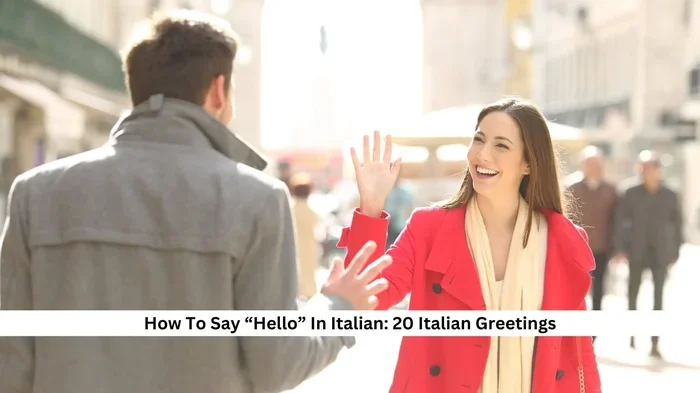

Learning how to say welcome to Italy in Italian opens doors to authentic connections and richer travel experiences. The phrase benvenuti in Italia is the most common way to greet guests, but Italians have a beautiful variety of welcome expressions that reflect their warm culture. This guide covers pronunciation, formal and informal options, and cultural tips so you can sound like a local.
Italy is one of the most welcoming countries in the world. From the rolling hills of Tuscany to the bustling streets of Naples, Italians take pride in making guests feel at home. But did you know that how you say welcome to Italy in Italian can change the entire vibe of a conversation? It is not just about the words. It is about the warmth, the tone, and the cultural context behind them.
Whether you are planning a trip or simply love the Italian language, mastering a few Italian greeting phrases will take you far. This guide walks you through everything you need to know. We will cover the standard phrase, regional variations, pronunciation tips, and even the cultural nuances that make Italian welcomes so special.
Key Takeaways
- Benvenuti in Italia is the standard and most widely used welcome phrase
- Italians distinguish between formal and informal greetings based on context
- Pronunciation matters — Italian words are pronounced as they are spelled
- Using local welcome expressions shows respect for Italian culture and hospitality
- Hand gestures and tone of voice are just as important as the words themselves
- The phrase in situ can help you understand how Italians use greetings in their native context
- Practicing a few key phrases will dramatically improve your travel experience
📑 Table of Contents
- Why Learning Italian Welcome Phrases Matters
- The Standard Welcome Phrase: Benvenuti in Italia
- Formal vs. Informal Italian Greetings
- Regional Variations of Welcome in Italian
- How to Pronounce Welcome to Italy in Italian
- Cultural Context: The Italian Way of Welcoming
- Quick Tips for Using Italian Welcome Phrases
- Common Mistakes to Avoid
- Expert Insights: What Italians Think About Foreigners Learning Their Language
- Key Takeaways
- Conclusion
Why Learning Italian Welcome Phrases Matters
First impressions matter everywhere. In Italy, they matter even more. Italians are known for their warm hospitality and expressive communication style. When you greet someone in their language, you show respect. You show effort. And Italians truly appreciate that.
Think about it this way. Imagine someone visiting your hometown and speaking a few words in your local language. How would that make you feel? Pretty great, right? That is exactly the effect Italian welcome expressions have. They break down barriers and open hearts.
More Than Just Words
Learning how to say welcome to Italy in Italian is about more than vocabulary. It is about connecting with people. The Italian language is deeply tied to culture. Every greeting carries a piece of history, tradition, and regional identity. When you use the right phrase in the right setting, you are participating in something bigger than language.
For travelers, this matters a lot. Speaking even a few Italian phrases can transform your experience. Shopkeepers might give you a discount. Restaurant owners might share a secret recipe. Locals might invite you to a family gathering. All because you took the time to greet them properly.
The Standard Welcome Phrase: Benvenuti in Italia
The most common and widely recognized way to say welcome to Italy in Italian is Benvenuti in Italia. This phrase works in almost any situation. Whether you are greeting a group of tourists or welcoming someone to your home, this is your go-to expression.
Let us break it down:
- Benvenuti — means “welcome” (plural or formal)
- in — means “to” or “in”
- Italia — means “Italy”
Together, it translates to “Welcome to Italy.” Simple, elegant, and universally understood. This phrase is used across all regions of Italy, making it the safest and most effective choice for any occasion.
Singular vs. Plural Forms
Italian changes the word “welcome” based on who you are addressing. If you are greeting one person, you would say Benvenuto in Italia (masculine) or Benvenuta in Italia (feminine). For groups, Benvenuti works for mixed or masculine groups, while Benvenute is used for all-female groups.
This distinction might seem small, but Italians notice these details. Using the correct form shows that you understand the language at a deeper level. It shows that you did not just memorize a phrase — you actually learned something.
Formal vs. Informal Italian Greetings
Italian has two levels of formality, just like many languages. Understanding when to use each one is key to sounding natural and respectful. The way you say welcome to Italy in Italian will differ depending on the situation.
Formal Greetings
Formal greetings are used in professional settings, with strangers, or with people you respect. These phrases are polished and courteous. They include:
- Benvenuto/a in Italia — standard formal welcome
- Benvenuto/a nel nostro paese — welcome to our country
- È un onore averla qui — it is an honor to have you here
Formal greetings work well in business meetings, official events, or when speaking with someone older. They convey respect and professionalism.
Informal Greetings
Informal greetings are for friends, family, and casual settings. Italians are warm and expressive, so informal welcomes tend to be more enthusiastic. Try these:
- Bentornato/a! — welcome back!
- Che bello averti qui! — how nice to have you here!
- Benvenuto/a tra noi! — welcome among us!
Informal greetings often come with big smiles, hugs, and even kisses on both cheeks. Italians are physically expressive when they welcome people they care about. Do not be surprised if your Italian friend grabs you in a bear hug the moment you arrive.
Regional Variations of Welcome in Italian
Italy is not just one culture — it is twenty distinct regions, each with its own dialect and traditions. While standard Italian is understood everywhere, regional welcome phrases add a special touch. They show that you have taken an interest in local culture.
Southern Italy
In Southern Italy, welcomes tend to be passionate and heartfelt. People in Naples, for example, are famous for their warmth. A common expression is “Benvenuto a casa mia” which means “Welcome to my home.” In Sicily, you might hear “Bentornato” used frequently, especially for returning visitors.
Northern Italy
Northern Italians tend to be slightly more reserved in their greetings, but no less sincere. In Venice, you might hear a warm “Benvènu” in the Venetian dialect. In Milan, the standard Italian greetings work perfectly, but adding a friendly “Piacere di averti qui” (pleased to have you here) goes a long way.
Central Italy
Central Italy, including Tuscany and Lazio, blends warmth with a touch of elegance. The phrase “Sei il benvenuto” (you are welcome) is commonly used. Tuscans are known for their slow, deliberate speech, so a heartfelt welcome phrase delivered with care will always be appreciated.
How to Pronounce Welcome to Italy in Italian
Pronunciation is one of the biggest challenges for English speakers learning Italian. But here is the good news — Italian is a phonetic language. That means words are pronounced exactly as they are written. Once you understand the basic sounds, you can read and say almost anything correctly.
Breaking Down Benvenuti in Italia
Let us go syllable by syllable:
- Ben — rhymes with “pen” in English
- ve — sounds like “veh”
- nu — sounds like “noo”
- ti — sounds like “tee”
- in — sounds like “een”
- It — sounds like “eet”
- a — sounds like “ah”
Put it all together and you get: Behn-veh-noo-tee een eet-a-lee-ah. Not too bad, right? The rhythm is smooth and musical, which is typical of the Italian language.
Common Pronunciation Mistakes
Here are a few tips to avoid common errors:
- Do not pronounce the “h” in “Benvenuto” — it is silent
- The “c” before “i” or “e” sounds like “ch” (as in “chair”)
- Every vowel is pronounced clearly — never skip them
- The stress usually falls on the second-to-last syllable
Getting the pronunciation right shows respect. It shows that you care enough to try. And Italians will absolutely appreciate the effort, even if you make small mistakes along the way.
Cultural Context: The Italian Way of Welcoming
In Italy, a welcome is not just a phrase — it is an experience. The way Italians welcome guests reflects their deep-rooted values of family, connection, and generosity. Understanding this context will help you use welcome phrases in the right way.
Italian Hospitality Is Legendary
Italians are famous for their hospitality. When someone visits, they do not just say a quick hello and move on. They make you feel like family. They offer you coffee, food, and their full attention. A welcome in Italy is warm, genuine, and unhurried.
When you say welcome to Italy in Italian to someone, you are stepping into this tradition. You are acknowledging that Italy is more than a destination — it is a way of life. The phrase carries weight because the culture behind it is so rich.
Gestures Matter Just as Much as Words
Italians communicate heavily through body language. A welcome phrase accompanied by a warm smile, open arms, or a hand gesture feels completely different from the same words spoken flatly. Here are a few gestures to pair with your greetings:
- A gentle wave with an open palm
- Hand placed over the heart after saying welcome
- A light touch on the arm or shoulder for close friends
- Two kisses on the cheeks for people you know well
These gestures are not optional extras — they are essential parts of Italian communication. They add sincerity and emotion to your words.
Quick Tips for Using Italian Welcome Phrases
Here are some practical tips to help you use welcome phrases confidently:
- Practice out loud. Reading the phrases silently is not enough. Say them out loud several times until they feel natural.
- Listen to native speakers. Watch Italian videos or listen to Italian podcasts. Pay attention to how the phrases sound in real conversation.
- Start with “Benvenuti in Italia.” It is the most universal and widely recognized phrase. Master it first.
- Match formality to the situation. Use formal greetings with strangers and business contacts. Use informal ones with friends and family.
- Do not worry about perfection. Italians are forgiving and encouraging. They will appreciate your effort regardless of how flawless your pronunciation is.
- Pair words with gestures. A smile and a wave make any greeting feel more authentic and human.
Common Mistakes to Avoid
Even well-intentioned learners make mistakes. Here are a few to watch out for:
- Using “welcome” as a response. In English, we say “you’re welcome” as a response to “thank you.” In Italian, that is “prego”, not a welcome phrase. Do not confuse the two.
- Ignoring gender agreement. Forgetting to change “benvenuto” to “benvenuta” for a female guest is a common error.
- Overcomplicating things. You do not need to memorize twenty different welcome phrases. Start with the basics and build from there.
- Skipping pronunciation practice. Italian pronunciation follows clear rules. Do not guess — learn the rules and apply them consistently.
Avoiding these mistakes will help you sound more natural and confident when greeting Italians. It is all about preparation and a willingness to learn.
Expert Insights: What Italians Think About Foreigners Learning Their Language
Italians are generally thrilled when foreigners make an effort to speak their language. Even a simple welcome to Italy in Italian phrase can spark joy and create an immediate bond. According to language experts and cultural commentators, the act of trying matters more than perfection.
Many Italians living abroad have shared that one of their favorite moments is hearing someone greet them in Italian, even in a foreign country. It creates a sense of home and belonging. This emotional connection is at the heart of why Italian greetings carry so much meaning.
So when you practice how to say welcome to Italy in Italian, remember that you are not just learning words. You are building bridges. You are showing the world that Italian culture is worth celebrating.
Key Takeaways
- Benvenuti in Italia is the standard and most widely used welcome phrase for Italy
- Italian has distinct formal and informal greetings that match different social contexts
- Pronunciation follows consistent phonetic rules, making Italian relatively easy to speak
- Regional variations add cultural depth and local charm to your greetings
- Hand gestures and facial expressions are integral to authentic Italian welcomes
- The phrase in situ reflects how Italians use greetings within their own cultural context
- Even a few Italian phrases can transform your travel experience and build genuine connections
Conclusion
Learning how to say welcome to Italy in Italian is one of the best things you can do as a traveler or language learner. It is simple, meaningful, and deeply appreciated by Italians. The phrase Benvenuti in Italia is your foundation, but the real magic comes from understanding the culture, tone, and warmth behind the words.
Whether you are arriving in Rome for the first time or reconnecting with Italian friends, these welcome expressions will help you make a genuine connection. Practice them, say them with a smile, and watch how people light up. That is the power of language done right.
So go ahead. Say it out loud. Benvenuti in Italia. Feel the words. Own them. And let the beauty of the Italian language welcome you into one of the most incredible cultures on earth.
Frequently Asked Questions
What is the most common way to say welcome to Italy in Italian?
The most common way is Benvenuti in Italia. This phrase works for any group or formal setting and is understood across all regions of Italy. For a single person, use Benvenuto in Italia (masculine) or Benvenuta in Italia (feminine).
Is Italian easy to pronounce for English speakers?
Yes, Italian is considered one of the easier languages for English speakers to pronounce. It is a phonetic language, meaning words are read exactly as they are written. Once you learn a few basic rules, you can pronounce most Italian words correctly, including welcome to Italy in Italian phrases.
Should I use formal or informal Italian greetings?
This depends on the situation. Use formal greetings like Benvenuto in Italia with strangers, business contacts, or older individuals. Use informal greetings like Bentornato or Che bello averti qui with friends, family, and peers. Italians appreciate the effort to match the right level of formality.
Do Italians use hand gestures when welcoming someone?
Yes, absolutely. Hand gestures are a natural part of Italian communication. A warm smile, an open wave, or placing your hand over your heart after saying a welcome phrase adds sincerity and emotion. These gestures make your greeting feel more authentic and personal.
Can I use “Benvenuti in Italia” in everyday conversation?
Yes, Benvenuti in Italia works in virtually any context. Whether you are greeting guests at a dinner party, welcoming tourists at a hotel, or simply expressing excitement about someone’s arrival, this phrase fits perfectly. It is versatile, universally understood, and always appropriate.
What does “in situ” mean and how does it relate to Italian greetings?
The term in situ means “in its original place” or “in context.” When it comes to Italian greetings, understanding how welcome phrases are used in situ — that is, within real Italian cultural settings — helps you apply them more naturally. It reminds us that language is best learned through authentic, lived experiences rather than just memorization.



