
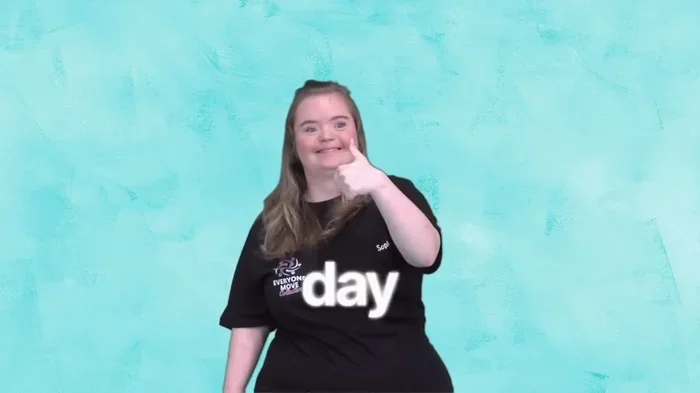

Learning how to say have a good day in sign language is a wonderful way to connect with the deaf community and spread positivity. This guide breaks down the exact hand movements, facial expressions, and context you need to sign this phrase confidently. Whether you are a complete beginner or brushing up on your skills, you will find clear steps and practical tips to get started right away.
There is something truly special about being able to greet someone in sign language. It shows respect, kindness, and a genuine desire to connect. If you have ever wondered how to say have a good day in sign language, you are in the right place. This phrase is one of the most common and cheerful greetings you can use in American Sign Language, or ASL. It is simple, warm, and perfect for everyday conversations.
Signing “have a good day” opens doors to meaningful interactions with the deaf community. Whether you are meeting a new friend, greeting a coworker, or simply spreading positivity, this sign carries real weight. In this article, we will walk you through every step. You will learn the exact hand movements, the role of facial expressions, and common mistakes to avoid. By the end, you will feel confident signing this phrase on your own.
Key Takeaways
- Simple Hand Movements: The sign for “have a good day” combines a few basic gestures that are easy to learn in minutes.
- Facial Expressions Matter: Your face adds warmth and sincerity to every sign you make in ASL.
- Context Is Everything: Understanding when and how to use the sign helps you communicate naturally.
- Practice Makes Perfect: Daily repetition and real-world practice will build your confidence fast.
- Beginner-Friendly: No prior experience with sign language is needed to start learning today.
📑 Table of Contents
What Does “Have a Good Day” Look Like in Sign Language
The sign for “have a good day” in ASL is made up of a few simple parts. Each part flows naturally into the next, creating a smooth and expressive gesture. Let us break it down piece by piece so you can understand exactly what your hands and face should do.
The Hand Shape and Movement
To start, extend your dominant hand with your palm facing outward. Your fingers should be together and pointing upward. This is a relaxed, open hand position. Now, move your hand in a gentle forward arc. Think of it as sweeping your hand forward and slightly downward, like you are pushing a good wish out into the world.
The movement is smooth and calm. It is not rushed or sharp. The idea behind the sign is to send positive energy toward the person you are greeting. Keep your wrist loose and your arm relaxed throughout the motion. A stiff hand will look unnatural and feel awkward.
Adding the Word “Good”
Before you sign the full phrase, it helps to understand how “good” works in ASL. To sign “good,” you place your flat dominant hand on your chest and move it in a small circular motion. This gesture is short and sweet. It sets a positive tone that carries right into the “have a good day” sign.
When you combine “good” with the forward sweeping motion, you create the full phrase. The sequence feels natural and rhythmic. With a little practice, the two parts will flow together without any pause between them.
The Role of Facial Expressions
Here is something many beginners miss: your face is just as important as your hands in sign language. When you sign “have a good day,” smile gently. Your eyes should feel warm and open. A genuine smile transforms the sign from a mechanical gesture into a heartfelt greeting.
Facial expressions in ASL are not optional. They add emotional meaning to every sign you make. Without a smile, the phrase can feel flat or cold. With a smile, it becomes truly inviting. Practice in front of a mirror and notice how your face changes the entire feeling of the sign.
Step-by-Step Guide to Signing “Have a Good Day”
Now that you understand the basic parts, let us put it all together. Follow these steps in order, and you will be signing this phrase with confidence in no time.
- Step 1: Stand or sit comfortably with good posture. Relax your shoulders and keep your hands loose.
- Step 2: Start with the “good” sign. Place your flat hand on your chest and make a small circular motion.
- Step 3: Transition smoothly into the “have a good day” sign. Extend your hand palm-outward and sweep it forward in a gentle arc.
- Step 4: Smile warmly and make eye contact with the person you are greeting.
- Step 5: Repeat the full sequence a few times to build muscle memory.
Each step builds on the one before it. Do not rush through the process. Take your time and focus on getting the movements right. Once the hand motions feel natural, add the facial expression and eye contact. That is where the real magic happens.
Quick Tips for Getting It Right
- Practice the hand sweep slowly at first. Speed will come with time.
- Keep your fingers together and your palm clearly visible.
- Do not clench your fist or tense your fingers during the sweep.
- Breathe naturally and stay relaxed throughout the sign.
- Record yourself on video and compare your form to tutorials.
Common Mistakes Beginners Make When Signing
Everyone makes mistakes when learning something new. The good news is that most common errors are easy to fix once you know what they are. Here are the top mistakes beginners make when signing “have a good day” and how to avoid them.
Mistake 1: Rushing the Movement
One of the biggest errors is signing too fast. The sweep should be slow and deliberate. When you rush, the sign loses its warmth and clarity. Take a full second to complete the forward arc. Quality matters more than speed.
Mistake 2: Ignoring Facial Expressions
As mentioned earlier, your face carries a big part of the meaning. Signing with a blank expression makes the phrase feel incomplete. Always pair the hand sign with a genuine smile and open, friendly eyes.
Mistake 3: Using the Wrong Hand Position
Some beginners curl their fingers or turn their palm inward. Both of these changes alter the meaning of the sign. Keep your fingers extended and your palm facing outward at all times during the sweep.
Mistake 4: Skipping the “Good” Component
It is tempting to jump straight to the sweeping motion. But starting with the “good” sign on your chest adds emphasis and warmth. Do not skip this step if you want the full impact of the phrase.
Tips to Remember and Practice the Sign
Consistency is the key to mastering any new skill. The same applies to sign language. Here are some practical tips that will help you remember and refine the sign for “have a good day.”
Practice With a Friend
Finding a practice partner makes learning fun and effective. Ask a friend to sign “have a good day” to you, and then return the gesture. You can even create a daily habit of greeting each other with the sign every morning.
Use It in Real Life
The best way to remember a sign is to use it. The next time you say goodbye to someone, try signing “have a good day” instead of just speaking. You will be surprised how quickly the movement becomes second nature.
Watch and Learn
Videos are one of the best tools for learning sign language. Watching native signers use the phrase in real conversations helps you pick up natural rhythm and expression. Pay attention to how their face and body work together with their hands.
Understanding the context behind signs is also important. For example, the meaning of a gesture can be contingent on how and where it is used, much like the contingent meaning on a house depends on its location and situation. The same idea applies to ASL. Signs take on richer meaning when used in their proper setting.
Create a Daily Practice Routine
Set aside five to ten minutes each day for practice. During this time, focus on one sign or phrase. Repeat it slowly, then gradually increase your speed. Over time, you will notice your confidence growing and your signs becoming smoother.
Another helpful approach is to learn signs in their natural environment. Understanding the in situ meaning of a gesture helps you use it correctly and confidently in real conversations. This means practicing with actual people, in real settings, rather than only in front of a screen.
Using “Have a Good Day” in Real Conversations
Once you feel comfortable with the sign, it is time to use it in real interactions. Here are some situations where signing “have a good day” fits perfectly.
- Saying goodbye to a coworker at the end of the day
- Greeting a neighbor or someone in your community
- Wishing a friend well before they leave
- Ending a phone call or video chat with a warm gesture
- Teaching children a kind and inclusive way to say goodbye
You can also pair the sign with spoken words. Saying “Have a good day” out loud while signing it reinforces the message. This dual approach is especially helpful when communicating with people who are still learning sign language or who may not understand it fully yet.
Making your learning journey personal can also help. Just like choosing from pink teddy bear names A Z makes a stuffed animal feel special, personalizing your signing practice makes it more meaningful and memorable. Try signing the phrase to people you care about and watch how it brightens their day.
The beauty of ASL is that it is a living language shaped by the deaf community. Every time you use a sign, you are participating in a rich tradition of nonverbal communication. Your effort to learn and use “have a good day” in sign language shows that you care about inclusion and connection.
Building on What You Have Learned
Now that you know how to sign “have a good day,” consider expanding your ASL vocabulary. Learn other common greetings like “good morning,” “good night,” and “see you later.” Each new sign adds to your ability to communicate warmly and effectively with others.
The journey of learning sign language does not have to be complicated. Start with simple phrases, practice regularly, and celebrate small wins along the way. Every sign you learn brings you closer to meaningful connection with the deaf community and beyond.
Expert Insights on Learning Sign Language
Experts in the deaf community often emphasize patience and consistency. Learning any new language takes time, and ASL is no different. Here are a few insights from experienced sign language instructors.
- Focus on fluency, not perfection. It is better to sign smoothly with minor errors than to pause and struggle with every word.
- Embrace mistakes as part of the process. Every error is a learning opportunity that makes you a better signer.
- Engage with the deaf community. Real-world interaction accelerates learning far more than solo practice ever can.
- Use multiple resources. Combine videos, apps, classes, and practice partners for a well-rounded learning experience.
- Be respectful and humble. The deaf community welcomes learners who approach with genuine interest and respect.
These insights apply to every aspect of learning ASL, including the simple but powerful phrase “have a good day.” Approach your practice with curiosity and kindness, and you will see steady progress.
Key Takeaways
- Simple Hand Movements: The sign for “have a good day” combines a chest circle with a forward hand sweep that is easy to learn in minutes.
- Facial Expressions Matter: A warm smile and open eyes add sincerity and emotional depth to every sign you make in ASL.
- Context Is Everything: Understanding when and how to use the sign helps you communicate naturally and confidently in real conversations.
- Practice Makes Perfect: Daily repetition, real-world use, and engaging with the deaf community will build your skills fast.
- Beginner-Friendly: No prior experience with sign language is needed to start learning and using this phrase today.
- Avoid Common Mistakes: Slow down, smile, keep your palm outward, and include the “good” component for the full effect.
Frequently Asked Questions
What is the sign for “have a good day” in ASL?
The sign starts with a “good” gesture on your chest, followed by a gentle forward sweep with your palm facing outward. Combine this with a warm smile and eye contact for the most natural result.
Do I need any prior experience to learn this sign?
Not at all. The sign for “have a good day” is one of the simplest and most beginner-friendly phrases in ASL. Anyone can learn it with just a few minutes of practice.
Why are facial expressions important in sign language?
Facial expressions carry emotional meaning in ASL. They transform a basic hand gesture into a sincere and warm greeting. Without the right expression, signs can feel flat or unclear.
Can children learn this sign easily?
Yes, children tend to pick up sign language quickly. The simple hand movements and the fun of smiling make “have a good day” a great sign for kids to learn and use daily.
How can I practice signing “have a good day” every day?
Set aside five minutes each morning to repeat the sign in front of a mirror. You can also practice with a friend, record yourself on video, or sign it to people you meet throughout the day.
Is sign language the same in every country?
No, different countries have their own sign languages. American Sign Language is used primarily in the United States and parts of Canada. Other countries have their own unique sign language systems with different signs and grammar.
=== CONCLUSION ===
Learning how to say have a good day in sign language is a small effort that brings big rewards. The hand movements are simple, the facial expressions are natural, and the phrase itself carries genuine warmth. Whether you are signing to a friend, a coworker, or a stranger, this greeting has the power to brighten someone’s entire day.
Remember to practice regularly, focus on your facial expressions, and avoid the common mistakes beginners often make. With consistency and a positive attitude, you will be signing “have a good day” confidently in no time. Start today, and let your gestures spread kindness and connection to everyone around you.



