

Knowing how to say that’s not my job professionally is a vital workplace skill that protects your time, energy, and career growth. This guide gives you clear scripts, real examples, and actionable strategies to set boundaries with confidence and respect. You will learn the right tone, timing, and phrasing to decline tasks gracefully while keeping your professional reputation intact.
Have you ever been handed a task that clearly falls outside your role and thought, “That is not my job”? We have all been there. The pressure to say yes can be overwhelming. But learning how to say that is not my job professionally is one of the most important skills you can build at work.
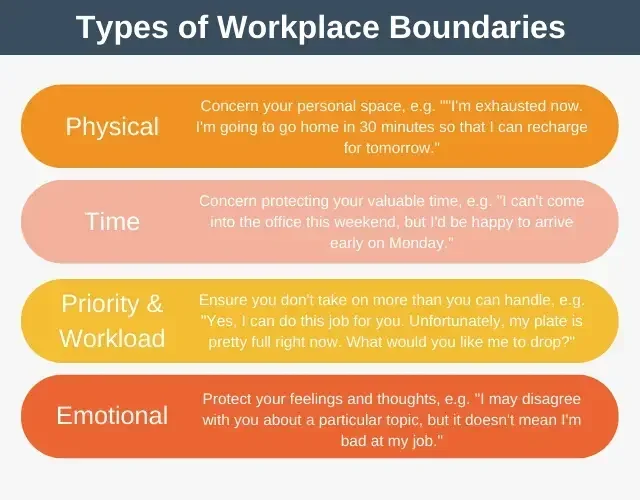
Setting workplace boundaries is not about being difficult. It is about being clear, respectful, and honest. When you handle these moments well, you earn respect. You protect your focus. And you create a healthier work environment for everyone involved.
This guide will walk you through exactly how to decline tasks gracefully. You will find real scripts, common scenarios, and practical tips you can use starting today.
Key Takeaways
- Set boundaries with empathy: Saying no professionally keeps relationships strong and shows emotional intelligence.
- Use proven scripts: Ready-to-use phrases make it easy to decline tasks without awkwardness.
- Timing matters: Choosing the right moment to push back increases your chances of a positive outcome.
- Offer alternatives: Suggesting solutions shows teamwork even when you cannot take on more.
- Know your job description: Understanding your role helps you set clear and justified boundaries.
- Avoid common mistakes: Steering clear of aggressive or dismissive language protects your professional reputation.
- Practice makes progress: Rehearsing your responses builds confidence for real workplace conversations.
📑 Table of Contents
- Why Setting Boundaries at Work Matters
- How to Say That Is Not My Job Professionally
- Common Workplace Scenarios and How to Handle Them
- The Right Tone and Timing for Tough Conversations
- Quick Tips for Handling Workplace Boundaries
- When “Not My Job” Becomes a Career Risk
- Building a Culture of Respect and Clear Expectations
- Conclusion
Why Setting Boundaries at Work Matters
Many people feel guilty about saying no. They worry it will hurt their reputation. They fear being seen as uncooperative. But the truth is quite different.
When you take on every extra task, several things happen:
- Your core responsibilities suffer.
- Your stress levels go up.
- Your work-life balance gets worse.
- Others start to expect you to handle everything.
According to a study by Gallup, employees who set clear boundaries report feeling more engaged and less burned out. Assertive communication is not selfish. It is essential for long-term professional growth.
When you say yes to everything, you say no to the things that actually matter. Your best work comes from focusing on what you are hired to do.
The Real Cost of Saying Yes Too Much
Think about your last week. How many tasks did you take on that were not part of your job description? How did it affect your main work? More often than not, saying yes to extra tasks means saying no to quality work on your core projects.
Over time, this leads to resentment. You start feeling taken advantage of. Your motivation drops. And your professional reputation can actually suffer because your primary work starts to slip.
How to Say That Is Not My Job Professionally
The key to saying no at work lies in your approach. You want to be firm but kind. Direct but diplomatic. Here are some proven ways to handle this common workplace situation.
Use the “Yes, and…” Technique
One of the best strategies for declining tasks politely is to redirect rather than refuse. This approach shows you are still a team player.
Try phrases like:
- “I would love to help, but my current workload is focused on [project]. Could we find someone else who has the bandwidth?”
- “That sounds important. Let me check my priorities and get back to you on whether I can take this on.”
- “I am not the right person for this task, but I can point you to [colleague] who handles this regularly.”
This technique works because it acknowledges the request. It shows respect. And it offers a path forward. Clear communication makes the boundary feel like collaboration, not rejection.
Be Honest and Direct
Sometimes the simplest approach is the best. You can say, “That is outside my role,” and leave it at that. You do not need to over-explain or make excuses.
A calm, confident tone goes a long way. People respect professional boundaries when they are communicated with certainty. No need to apologize repeatedly or sound unsure.
Reference Your Job Description
If someone repeatedly assigns you tasks that are not yours, gently remind them of your role. You might say:
“I want to make sure I am delivering my best on [your main responsibility]. Would it be okay if we revisit how tasks are being distributed across the team?”
This approach frames the conversation around workplace efficiency rather than personal refusal. It makes it about the team, not about you.
Offer to Help in Other Ways
Even when a task is truly not your responsibility, you can still show goodwill. Suggest a small way you can support:
- “I cannot take this on right now, but I can review the first draft if you need a second pair of eyes.”
- “I am tied up this week, but I would be happy to brainstorm ideas with you on this.”
This kind of workplace etiquette keeps relationships warm. It shows that your “no” is not a “no” to the person, just a “no” to the specific task.
Common Workplace Scenarios and How to Handle Them
Not every situation is the same. Different contexts call for different approaches. Here are some real scenarios and the best ways to respond.
A Colleague Asks You to Do Their Task
This is one of the most frequent boundary challenges. A coworker hands you their work with a casual “Can you just do this for me?”
Professional response: “I understand this is urgent for you. Unfortunately, I am not able to take this on because it falls outside my responsibilities. Have you checked with [manager name] about reallocating some tasks?”
This response is empathetic but firm. It does not leave room for guilt-tripping.
Your Boss Gives You Extra Work
When a manager assigns you something outside your scope, the dynamic changes slightly. You still want to be respectful, but you also want to protect your priorities.
Professional response: “I want to make sure I am giving proper attention to [current project]. If I take this on, something else might slip. Can we discuss priorities so I can focus on what matters most?”
This is a great example of assertiveness at work. You are not refusing the task outright. You are opening a conversation about priorities.
A Client or External Partner Asks for Something Outside Your Role
External requests can be tricky. You want to be helpful without overpromising.
Professional response: “Thank you for reaching out. That falls under [another department’s] area of expertise. Let me connect you with the right person who can help you quickly.”
This shows excellent professional communication skills. You are being helpful by directing them to the right resource.
A Teammate Needs Help During a Crisis
Sometimes situations are genuinely urgent. In these cases, you can offer limited help while still protecting your boundaries.
Professional response: “I can spare about 15 minutes right now to help you get started. After that, I will need to focus on my own deadlines. Does that work for you?”
Setting a time limit is a smart boundary strategy. It shows generosity without sacrificing your own responsibilities.
The Right Tone and Timing for Tough Conversations
What you say matters. But how you say it matters just as much. Professional tone can make or break a boundary-setting conversation.
Choose the Right Moment
Do not push back in front of a group. Do not respond with a curt email when someone is already frustrated. Find a private, calm moment to have the conversation.
Timing affects how your message lands. A well-tanned “no” feels like workplace respect. A poorly timed one can feel like a personal attack.
Watch Your Body Language
If the conversation is in person, keep your posture open and relaxed. Maintain eye contact. Speak at a steady pace. These nonverbal cues reinforce your message of calm confidence.
Avoid These Common Phrases
Some phrases undermine your boundaries even when your intention is good:
- “I guess I could maybe try…” — This sounds unsure and invites pressure.
- “Sorry, but…” — Apologizing for having boundaries is unnecessary.
- “That is not my problem…” — This is dismissive and unprofessional.
Replace these with confident, clear alternatives. Your words should reflect workplace boundaries without hostility.
Quick Tips for Handling Workplace Boundaries
Here are some fast, actionable tips you can use right away:
- Prepare your response in advance. Think about common requests you get and rehearse your replies. Assertive communication becomes easier with practice.
- Keep a record of your tasks. When someone assigns you extra work, you can refer to your task list to show your current workload. This supports managing expectations at work.
- Stay calm and polite. Even if someone pushes back, hold your ground with a steady, respectful tone. Professional boundaries require consistency.
- Follow up in writing. After a verbal conversation, send a brief email summarizing what was discussed. This creates a clear record and reinforces the boundary.
- Know your worth. Your time and skills have value. Protecting them is not selfish — it is smart career management.
Saying no at work gets easier the more you do it. Each time you set a boundary, you build confidence and reinforce healthy workplace norms.
When “Not My Job” Becomes a Career Risk
Here is an important nuance. There is a difference between setting healthy boundaries and being completely inflexible. You need to know when to hold your ground and when to step up.
Sometimes taking on a task outside your role can actually benefit you. It can show leadership. It can build new skills. It can strengthen relationships with colleagues.
The key is discernment. Ask yourself these questions:
- Does this task align with my professional growth goals?
- Can I complete it without sacrificing my core work?
- Is this a one-time request or a recurring pattern?
- Will taking this on be recognized and appreciated?
If the answers point toward a yes, it might be worth the extra effort. But if you find yourself constantly doing other people’s work, it is time to have a real conversation about task delegation and role clarity.
Your employee responsibilities should come first. Anything beyond that is a choice, not an obligation.
Building a Culture of Respect and Clear Expectations
Individual boundary-setting is powerful. But the best workplaces create a culture where everyone understands their role. When clear communication is the norm, fewer awkward situations arise.
Encourage your team to define roles clearly. Suggest regular check-ins about workload distribution. Model the behavior you want to see by respecting other people’s boundaries too.
When you treat others the way you want to be treated, workplace respect becomes the default. And that benefits everyone.
Work-life balance improves. Burnout decreases. And people do their best work when they are not stretched too thin across unrelated tasks.
Conclusion
Learning how to say that is not my job professionally is a game-changer for your career. It is not about being cold or unhelpful. It is about being clear, respectful, and intentional with your time and energy.
You now have the scripts, the scenarios, and the strategies to handle any boundary situation with confidence. Use them. Practice them. Watch how your workplace relationships and your stress levels both improve.
Setting professional boundaries is one of the best investments you can make in yourself. Start today. Your future self will thank you.
Frequently Asked Questions
Is it okay to say “that’s not my job” at work?
Yes, it is absolutely okay as long as you say it professionally. The key is how you frame the message. Using respectful language and offering alternatives shows emotional intelligence and workplace boundaries without damaging relationships.
How do I decline a task without feeling guilty?
Remember that your primary role matters most. When you take on extra tasks, your core work suffers. Remind yourself that setting boundaries is a professional skill, not a selfish act. Practice saying no with confidence and empathy.
What if my boss keeps assigning me tasks outside my role?
Schedule a one-on-one conversation. Use the phrase “I want to make sure I am focused on the right priorities.” Discuss managing expectations and ask for clarity on your role. If the pattern continues, document your core responsibilities to have a factual reference.
Can saying no at work actually help my career?
Absolutely. People who communicate assertively at work are often seen as confident and self-aware. They protect their productivity and focus. Over time, this builds trust and earns respect from managers and colleagues alike.
What are some good phrases for declining tasks professionally?
Try phrases like “I am not able to take this on right now because my focus is on [priority].” Or “Let me connect you with the right person.” These show clear communication while keeping the tone warm and collaborative.
How do I handle a coworker who gets offended when I set a boundary?
Stay calm and reiterate your position gently. You might say, “I understand this is frustrating, and I appreciate your understanding. My current workload is focused on [project].” Most people adjust over time when they see you are consistent and respectful.



