
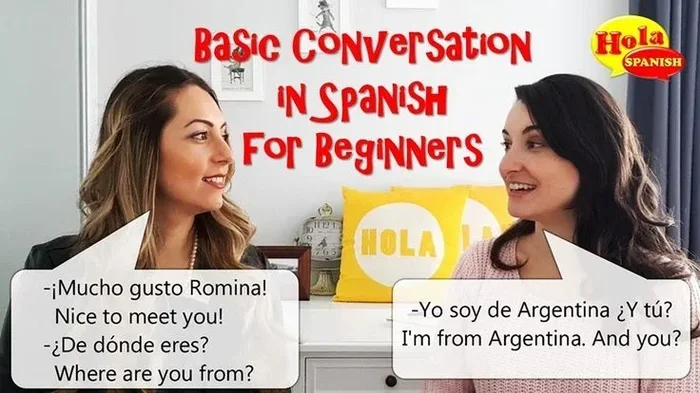

Learning how to say talk in Spanish starts with the verb hablar, which is the most common translation for “talk.” This guide walks you through conjugations, formal and informal usage, and everyday phrases you can use right away. Whether you are a beginner or brushing up on your skills, you will find clear examples and practical tips to build confidence. By the end, you will know exactly how to start talking in Spanish with ease.
Key Takeaways
- Point 1: The primary word for “talk” in Spanish is hablar, a regular -ar verb that follows predictable conjugation patterns.
- Point 2: Spanish has both formal (usted) and informal (tú) forms, so knowing your audience changes how you express “talk.”
- Point 3: Common phrases like ¿Hablamos? and vamos a hablar let you start real conversations quickly.
- Point 4: Context matters a lot—hablar can mean to talk, speak, or chat depending on the situation.
- Point 5: Daily practice with native speakers, apps, and simple dialogues is the fastest way to improve your Spanish talking skills.
- Point 6: Avoid common mistakes like using the wrong pronoun form or skipping conjugation rules.
📑 Table of Contents
- The Basic Word: How to Say Talk in Spanish
- Understanding Context: When “Talk” Means More Than One Thing
- How to Conjugate “Hablar” for Everyday Conversations
- Common Phrases for Talking in Spanish
- Formal vs Informal: Choosing the Right Way to Talk
- Fun Ways to Practice Talking in Spanish
- Common Mistakes to Avoid When Learning How to Say Talk in Spanish
- Conclusion: Start Talking in Spanish Today
The Basic Word: How to Say Talk in Spanish
If you have ever wondered how to say talk in Spanish, the answer is simple: hablar. This is the most direct and widely used translation. It works in almost every situation, from casual chats to formal discussions. Think of hablar as your go-to word for “talk” or “to speak.”
The word hablar belongs to a group of Spanish verbs called -ar verbs. These verbs follow a consistent pattern that makes them easier to learn than many other verb types. Once you master hablar, you can apply the same rules to hundreds of other Spanish words. That is a huge win for any language learner.
But here is something important. The word “talk” in English can mean many things. You can talk to a friend, talk about a problem, or talk someone into doing something. In Spanish, hablar covers most of these meanings. However, the context and the conjugation you choose will change the nuance slightly.
For example, when you want to say “Let us talk,” you say Hablemos. When you want to say “I talk every day,” you say Hablo todos los días. See how the same root word changes form? That is the beauty of Spanish verb conjugation.
Understanding the basic form of hablar sets the foundation for everything else in this guide. You will learn how to use it in different tenses, with different people, and in real everyday situations. Let us keep going.
Understanding Context: When “Talk” Means More Than One Thing
English is tricky. The word “talk” can mean so many things depending on the situation. In Spanish, hablar handles most of those situations, but sometimes other words fit better. Let us break this down.
Hablar vs. Conversar
Both hablar and conversar mean “to talk” or “to converse.” However, conversar feels a bit more formal and thoughtful. You might use it in a professional setting or when describing a deep, meaningful conversation. In everyday speech, most native speakers prefer hablar.
Here is a quick comparison:
- Hablar — casual, general, everyday talking
- Conversar — slightly more formal, thoughtful dialogue
Think of it this way. If you are chatting with a friend, you would use hablar. If you are discussing philosophy with a colleague, conversar might feel more natural. Both are correct. Both mean “talk.”
Hablar vs. Platicar
In many Latin American countries, especially Mexico, people use the word platicar instead of hablar. Platicar carries a warm, friendly tone. It is like saying “chat” or “catch up” in English.
So if you visit Mexico and want to sound natural, try saying Vamos a platicar instead of Vamos a hablar. People will love the effort, and it shows you understand regional differences. This is the kind of nuance that makes learning Spanish so rewarding.
How to Conjugate “Hablar” for Everyday Conversations
Now let us get into the practical part. Conjugating hablar is straightforward because it follows the standard -ar verb pattern. Here are the most important forms you need to know.
Present Tense Conjugation
The present tense is where most beginners start. It is how you describe what you do right now or regularly. Here is the breakdown:
- Yo hablo — I talk
- Tú hablas — You talk (informal)
- Él / Ella habla — He / She talks
- Nosotros hablamos — We talk
- Vosotros habláis — You all talk (Spain only)
- Ellos hablan — They talk
Notice the endings: -o, -as, -a, -amos, -áis, -an. Once you remember this pattern, you can conjugate any -ar verb the same way. That is a huge shortcut for Spanish language learning.
Past Tense: Talking About What Happened
To talk about past conversations, you need the preterite tense. Here are the key forms:
- Yo hablé — I talked
- Tú hablaste — You talked
- Él / Ella habló — He / She talked
- Nosotros hablamos — We talked
- Ellos hablaron — They talked
Notice that nosotros hablamos looks the same in both present and past. This is common with -ar verbs and can cause confusion at first. Pay attention to the context to know which tense is being used.
Quick Tip: Practice these conjugations by writing five sentences about your day. Use hablé for things you did and hablo for things you do regularly. This simple exercise builds Spanish speaking practice into your routine.
Common Phrases for Talking in Spanish
Knowing how to conjugate hablar is great. But in real life, you need ready-made phrases that you can use on the spot. Here are the most useful ones.
Starting a Conversation
- ¿Habla usted inglés? — Do you speak English? (formal)
- ¿Hablas inglés? — Do you speak English? (informal)
- ¿De qué habla usted? — What are you talking about? (formal)
- ¿De qué hablas? — What are you talking about? (informal)
Expressing the Desire to Talk
- Quiero hablar contigo. — I want to talk to you.
- Necesitamos hablar. — We need to talk.
- Hablemos más tarde. — Let us talk later.
- Me gusta hablar en español. — I like to talk in Spanish.
These phrases are perfect for beginners. You can use them in apps, with language partners, or even on your next trip to a Spanish-speaking country. They open doors to real Spanish conversation practice.
Interestingly, the word hablar appears in many expressions that go beyond just “talk.” For instance, hablar por teléfono means “to talk on the phone.” And hablar bien de alguien means “to talk well about someone.” Learning these collocations helps you sound more natural and fluent.
Formal vs Informal: Choosing the Right Way to Talk
One of the trickiest parts of Spanish language learning is understanding when to use formal and informal language. In English, we mostly say “you” no matter who we are talking to. Spanish has two options: tú and usted.
Using “Tú” (Informal)
Use tú when talking to friends, family, peers, or children. It creates a warm, casual atmosphere. The verb form changes slightly:
- Tú hablas — You talk
- Tú quieres hablar — You want to talk
- ¿Por qué no hablamos? — Why do not we talk?
Using “Usted” (Formal)
Use usted with elders, authority figures, strangers, or in professional settings. It shows respect. The verb form is different:
- Usted habla — You talk (formal)
- Usted quiere hablar — You want to talk (formal)
- ¿Podemos hablar, señor? — Can we talk, sir?
Expert Insight: When in doubt, start with usted. Most native speakers appreciate the respect. You can always switch to tú once the other person invites you to do so. This is a common social cue in Spanish-speaking cultures.
Getting the formal vs informal distinction right is essential. It shows cultural awareness and helps you connect better with native speakers. Many learners skip this step and end up sounding too casual or too stiff. Practice both forms from day one.
Fun Ways to Practice Talking in Spanish
Learning grammar is important. But the real magic happens when you start using hablar in real life. Here are some fun and effective ways to build your confidence.
Find a Language Partner
Apps like Tandem and HelloTalk connect you with native Spanish speakers around the world. You can practice conversational Spanish for free. Even five minutes a day makes a big difference over time.
Watch Spanish Content
Watch shows or listen to podcasts in Spanish. Pay attention to how native speakers use hablar in different contexts. Try repeating what they say out loud. This method is called shadowing and it works incredibly well for improving pronunciation.
Label Your World
Put sticky notes with Spanish words around your house. Write hablar on the mirror. Write conversación on the couch. This simple trick keeps the language in front of you all day long.
Use Fun Word Lists
If you love naming things, try exploring Spanish cat names or Spanish teddy bear names. These playful lists help you learn Spanish vocabulary in a lighthearted way. They also show you how words change based on gender and context, which is a core part of talking in Spanish naturally.
Quick Tip: Set a daily goal of just five minutes of Spanish practice. Consistency beats intensity every time. Over weeks, those five minutes add up to real progress.
Common Mistakes to Avoid When Learning How to Say Talk in Spanish
Every language learner makes mistakes. That is completely normal. But some errors with hablar come up again and again. Here are the ones to watch out for.
Using the Wrong Pronoun
One of the most frequent mistakes is using yo habla instead of yo hablo. Remember: the first person singular ending is -o, not -a. This mistake happens because learners sometimes confuse the él/ella form with the yo form.
Ignoring Gender Agreement
Spanish nouns have gender. The word la charla (the talk/conversation) is feminine. So you would say la charla fue interesante (the talk was interesting). Mixing up gender can make your sentences sound off to native ears.
Skipping Conjugation Entirely
Some beginners try to use the infinitive hablar for everything. For example, saying Yo hablar instead of Yo hablo. Always conjugate your verbs to match the subject. It is the single biggest difference between broken Spanish and fluent Spanish.
Common Mistake Alert: Do not confuse hablar with decir. Decir means “to say” or “to tell,” not “to talk.” While they overlap in English, they are distinct in Spanish. Saying Yo digo (I say) is different from Yo hablo (I talk). Understanding this difference will level up your Spanish vocabulary quickly.
For a deeper look at how context shapes word meaning, check out the in situ meaning guide on our site. It explains how words change meaning based on their setting, which is exactly what happens with hablar in different Spanish-speaking regions.
Conclusion: Start Talking in Spanish Today
Learning how to say talk in Spanish is more than just memorizing one word. It is about understanding context, choosing the right form, and practicing regularly. The verb hablar is your foundation. From there, you can build conversations, make connections, and grow your confidence every single day.
Start with the present tense. Learn a few key phrases. Practice with a partner or by talking to yourself. Do not be afraid to make mistakes. Every error is a step forward. The Spanish-speaking world is full of friendly people who will appreciate your effort.
Remember, talking in Spanish does not have to be perfect. It has to be real. Pick one phrase from this guide and use it today. That small step is worth more than hours of theory. You have got this.
And if you want to keep exploring Spanish vocabulary in fun ways, look into lists like Spanish rabbit names or other themed word collections. They make learning feel like play, not work.
Frequently Asked Questions
What is the most common way to say talk in Spanish?
The most common word is hablar. It is a regular -ar verb used across all Spanish-speaking countries. It works for casual chats, formal discussions, and everything in between. If you remember just one word for “talk,” make it hablar.
Is hablar the only word for talk in Spanish?
No. While hablar is the most universal, other words like conversar and platicar also mean “to talk.” Each has a slightly different tone. Conversar is more formal, and platicar is warmer and friendlier. Regional preferences also play a big role.
How do I conjugate hablar in the present tense?
The present tense follows a clear pattern: yo hablo, tú hablas, él/ella habla, nosotros hablamos, vosotros habláis, ellos hablan. The endings are -o, -as, -a, -amos, -áis, and -an. Once you learn this pattern, conjugating any -ar verb becomes easy.
Should I use tú or usted when talking to someone?
Use tú for friends, family, and people your age or younger. Use usted for elders, bosses, strangers, and formal situations. When you are unsure, usted is the safer choice. Most native speakers will appreciate the respect.
What are some easy phrases I can use right away?
Try these: ¿Hablas inglés? (Do you speak English?), Quiero hablar contigo (I want to talk to you), and Hablemos más tarde (Let us talk later). These are simple, practical, and perfect for real-life use from day one.
How can I improve my Spanish talking skills fast?
Consistent daily practice is the key. Try language exchange apps, watch Spanish shows, and repeat phrases out loud. Even five minutes a day builds momentum. The more you practice talking in Spanish, the faster you will improve.
=== META TITLE ===
How to Say Talk in Spanish: A Simple Step by Step Guide
=== URL SLUG ===
how-to-say-talk-in-spanish



