
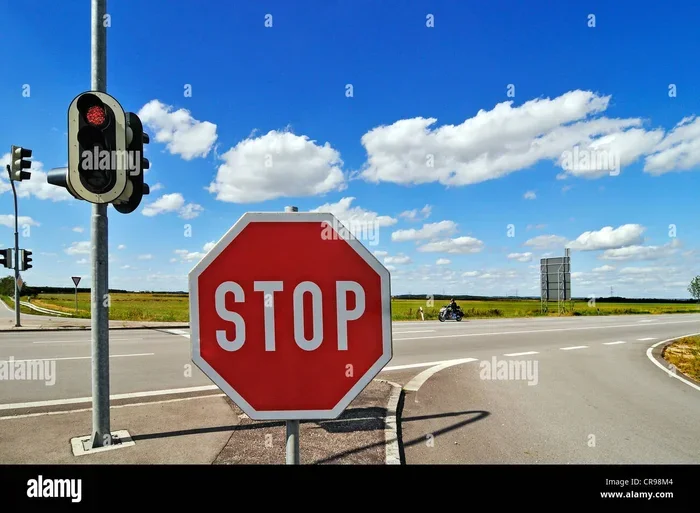

Learning how to say stop in German is essential for any traveler or language learner. The most common words are halt, stopp, and stop, each used in different situations. This guide walks you through pronunciation, context, and common mistakes so you can use the right word with confidence.
If you have ever found yourself in Germany and needed to get someone’s attention fast, you know that how to say stop in German matters more than you might think. Whether you are crossing a busy street in Berlin or trying to pause a conversation in a Munich café, having the right word ready can make all the difference. The German language offers several ways to express this simple but powerful command, and each one fits a different situation.
This guide breaks down every common way to say stop in German, from the standard word “halt” to borrowed English terms like “stop.” You will learn correct pronunciation, understand when to use each word, and avoid the mistakes that trip up most English speakers. By the end, you will feel confident using these words in real life.
Key Takeaways
- Three main words for stop: “halt,” “stopp,” and “stop” are all used in German, depending on the situation.
- Pronunciation matters: The German “h” in “halt” is soft, and the double “p” in “stopp” gives it a sharp ending.
- Context changes everything: Using the right word for stop in German depends on whether you are in a formal, emergency, or casual setting.
- Common mistakes are easy to avoid: Mispronouncing words or using the wrong form can cause confusion, but simple practice fixes this.
- German command words go beyond stop: Learning related commands like “aus” and “nein” boosts your everyday German vocabulary.
- Memory tricks help retention: Associating German stop words with familiar English phrases makes them easier to remember.
- Practice with real-life scenarios: Role-playing common situations is the fastest way to build confidence using these words.
📑 Table of Contents
- The Most Common Ways to Say Stop in German
- Pronunciation Guide for German Stop Words
- When to Use Each Word for Stop in German
- Common Mistakes English Speakers Make
- Quick Tips for Remembering German Stop Words
- German Command Words Beyond Stop
- Practical Scenarios to Practice Stop in German
- Why Learning Stop Words Matters for German Learners
- Final Thoughts on Saying Stop in German
The Most Common Ways to Say Stop in German
German gives you more than one option for expressing “stop.” Each word carries its own tone and fits specific situations. Let us look at the three main choices you will hear and use every day.
“Halt” – The Standard Word for Stop
The word halt is the most traditional and widely recognized way to say stop in German. You will hear it in everyday conversations, in the military, and even in formal announcements. It sounds firm but not aggressive, which makes it perfect for most settings.
Here are some examples of how “halt” works in real sentences:
- Halt! – A simple command meaning “Stop!”
- Halt, wo geht es lang? – “Stop, where are you going?”
- Ein Halt ist nötig. – “A stop is necessary.”
One interesting thing about “halt” is that it also appears in many compound words and phrases. For example, when someone explains the in situ meaning of a German command word, they often point to how “halt” changes meaning based on the situation. The word is flexible and deeply rooted in the language.
“Stopp” – The Borrowed Word with a Sharp Edge
Stopp is a direct borrowing from English and Dutch. It sounds sharper than “halt” and carries a more urgent tone. You will often hear “stopp” in traffic situations, sports, or when someone needs immediate attention.
Here is how “stopp” fits into daily German:
- Stopp! Das Auto kommt! – “Stop! The car is coming!”
- Mach einen Stopp hier. – “Make a stop here.”
- Der Stopp war plötzlich. – “The stop was sudden.”
While “stopp” feels more intense, it is still widely accepted in both spoken and written German. It works well in casual and semi-formal settings.
“Stop” – The English Loanword
Many German speakers also use the English word stop directly. This is especially common among younger people and in urban areas. The pronunciation stays close to the English version, which makes it easy for English speakers to use.
You might hear “stop” in these everyday moments:
- Stop! Ich muss hier aussteigen. – “Stop! I need to get off here.”
- Gib mir ein Stop-Schild. – “Give me a stop sign.”
The use of “stop” in German shows how languages borrow from each other. It is a great example of how global communication shapes everyday vocabulary.
Pronunciation Guide for German Stop Words
Getting the pronunciation right helps you sound natural and ensures people understand you. Let us break down each word.
How to Pronounce “Halt” Correctly
The word “halt” rhymes with the English word “bought” but starts with a soft “h.” The “a” sounds like the “a” in “father,” and the final “lt” is a clear, crisp sound. Do not add extra syllables. One clean beat is all you need.
Pronunciation tip: Say it like “hahlt” with a short, firm ending. Practice saying it with confidence, as if you mean it.
Pronouncing “Stopp” and “Stop”
“Stopp” has a double “p” at the end, which gives it a punchy finish. Say it like “shtop” with a hard “p” sound. The “st” at the beginning is smooth, not harsh.
The English loanword “stop” is even simpler. Just say it exactly as you would in English, but try to keep the vowel short and crisp. German speakers will understand you instantly.
Quick Pronunciation Comparison
- Halt: Soft “h,” long “a,” crisp “lt” ending.
- Stopp: Smooth “st,” short “o,” hard double “p.”
- Stop: Same as English, keep it short and direct.
When to Use Each Word for Stop in German
Knowing the words is only half the battle. Understanding when to use each one makes your German sound natural and appropriate.
Formal vs. Informal Situations
In formal settings like workplaces, official announcements, or written signs, “halt” is your safest choice. It sounds professional and clear. You will see it on German traffic signs, in train station announcements, and in formal instructions.
In informal settings with friends or family, “stopp” and “stop” both work well. They feel relaxed and natural. German speakers often mix these words depending on their mood and the energy of the moment.
Emergency and Everyday Contexts
In an emergency, clarity is everything. Use “halt” or “stopp” because they are universally understood. These words cut through noise and grab attention fast. For example, if a child is about to run into traffic, shouting “Halt!” is one of the most effective commands in German.
For everyday use, like asking someone to pause a conversation or waiting at a crosswalk, any of the three words works. Choose based on the tone you want to set.
Common Mistakes English Speakers Make
Even motivated learners make mistakes with German stop words. Here are the most common ones and how to avoid them.
Mispronunciation Issues
The biggest mistake English speakers make is pronouncing “halt” with a hard “h” like in English. In German, the “h” is soft and breathy. Another common error is adding an extra vowel sound to “stopp,” making it sound like “stah-op.” Keep it short and sharp.
One helpful trick is to listen to native speakers. Search for audio clips of “halt” and “stopp” online and repeat them out loud. Repetition builds muscle memory, and soon the words will feel natural.
Using the Wrong Word in Context
Using “stop” in a formal German document might feel out of place. Similarly, using “halt” in a very casual, playful conversation can sound stiff. Pay attention to the setting and the tone of the people around you.
Also, remember that “halt” has other meanings in German. It can mean “to hold” or “to wait,” depending on the sentence. Understanding the full range of a word helps you use it correctly every time.
Quick Tips for Remembering German Stop Words
Memory tricks make language learning faster and more fun. Here are some simple ways to lock in these words.
- Connect “halt” to “halt” in English: Think of a hand raising and saying “halt” to pause action.
- Link “stopp” to “stop”: The spelling is almost the same, and the meaning is identical.
- Use flashcards: Write each word on one side and the English meaning on the other. Quiz yourself daily.
- Practice with a partner: Have a friend say a situation, and you respond with the right German stop word.
- Watch German shows: Pay attention to how characters use these words in different scenes.
Consistency beats intensity. Spending five minutes a day on these words will do more than a two-hour session once a week.
German Command Words Beyond Stop
Learning how to say stop in German opens the door to a wider world of German command words. These words are especially useful for travelers, dog trainers, and anyone learning basic German for daily life.
For instance, if you are exploring German dog training commands, you will notice that many training words share the same firm, clear tone as “halt.” Dog trainers who use German commands often rely on words that are short, strong, and easy for animals to recognize. You can explore more about this connection through resources like German Shepherd dog names, which often overlap with common command words used in training.
Here are a few other essential German command words that pair well with “halt”:
- Aus: Means “off” or “out.” Useful for telling a dog to get off furniture or telling someone to stop an action.
- Nein: Means “no.” A universal negative command in German.
- Bleib: Means “stay.” The perfect companion word to “halt.”
- Weg: Means “away” or “gone.” Used to tell someone or something to move away.
- Runter: Means “down.” Great for telling a dog or a child to get down from something.
Building a small vocabulary of command words makes your German feel more complete and practical. These words are short, powerful, and easy to remember.
Practical Scenarios to Practice Stop in German
The best way to learn is by doing. Here are a few real-life scenarios where you might need to use these words.
- At a crosswalk in Frankfurt: You see a car coming and want to warn a friend. You shout, “Halt! Das Auto kommt!”
- At a busy market in Hamburg: You need a vendor to pause. You say, “Stopp, ich möchte noch etwas kaufen.”
- Playing with a dog in a park: You use a firm “Stop!” to recall your dog from running too far.
- In a German classroom: The teacher asks students to pause their work. “Halt, alle zusammen!”
- On a train platform: You want someone to wait before boarding. “Stopp! Die Tür schließt sich.”
Practicing these scenarios helps you remember which word fits which situation. Over time, choosing the right word becomes second nature.
Why Learning Stop Words Matters for German Learners
Stop words are among the first words any language learner needs. They are short, powerful, and used in nearly every conversation. In German, knowing how to say stop gives you a tool for safety, communication, and cultural connection.
When you travel to Germany, Austria, or Switzerland, these words work across all three countries. The German language has regional accents and dialects, but “halt,” “stopp,” and “stop” are understood everywhere. That makes them incredibly valuable for any learner.
Beyond travel, these words help you understand German media, music, and films. You will start to notice “halt” and “stopp” in movies, songs, and everyday dialogue. This recognition builds your listening skills and boosts your overall comprehension.
Language is about connection. When you can use a simple command like “halt” and see someone understand you immediately, it creates a small but meaningful moment of communication. Those moments add up and fuel your motivation to keep learning.
Final Thoughts on Saying Stop in German
Mastering how to say stop in German is simpler than most people expect. You have three solid options: “halt,” “stopp,” and “stop.” Each one works in different settings, and all three are widely understood across the German-speaking world.
Focus on pronunciation first. Then practice using each word in the right context. Avoid the common mistakes that English speakers make, and use memory tricks to lock in your learning. Soon, you will use these words without thinking, just like a native speaker.
The journey of learning any language starts with small, practical words. “Stop” is one of those words that opens doors to bigger conversations, deeper connections, and more confident travel experiences. Keep practicing, stay curious, and enjoy the process of learning German.
Frequently Asked Questions
What is the most common way to say stop in German?
The most common and widely used word is “halt.” It works in formal and informal settings and is understood across all German-speaking countries. It is the go-to choice for most learners and travelers.
Is “stop” considered a proper German word?
Yes, “stop” is widely used in German, especially in casual conversation and among younger speakers. It is an English loanword that has become fully integrated into everyday German vocabulary. However, “halt” remains the more traditional choice.
How do I pronounce “halt” correctly?
Pronounce “halt” with a soft “h,” a long “a” as in “father,” and a crisp “lt” at the end. It sounds like “hahlt” with one clear beat. Avoid adding extra syllables or making the “h” too harsh.
Can I use “stopp” instead of “halt” in formal situations?
While “stopp” is understood everywhere, “halt” is the better choice for formal settings. “Stopp” carries a sharper, more urgent tone and fits best in casual or emergency situations. Stick with “halt” for professional or official contexts.
Are there other German words that mean stop?
Yes, words like “aus,” “bleib,” and “weg” can express similar ideas depending on the context. These are command words that work well in specific situations, especially in dog training or everyday instructions. Each word adds a slightly different shade of meaning to the concept of stopping.
How can I practice using these words in real life?
Try role-playing common scenarios like crossing a street, talking to a vendor, or giving a command to a pet. Listen to German audio clips and repeat the words out loud. Watching German shows and noticing how characters use these words is also a fun and effective practice method.



