
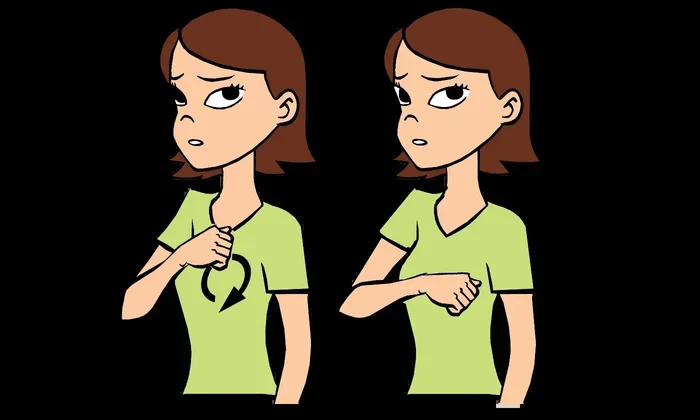

Learning how to say sorry in sign language is easier than you think. Whether you are communicating with a deaf friend or simply want to expand your skills, the sign language apology uses clear hand movements and facial expressions. This guide walks you through every step with practical tips and real examples.
Knowing how to say sorry in sign language opens doors in both personal and professional settings. A sincere apology bridges gaps and builds trust. When you use sign language gestures to express regret, you show respect and empathy in a powerful way. This guide breaks everything down into simple, easy-to-follow steps.
Whether you are new to American Sign Language or already know some basics, this article covers what you need. You will learn the core signs, common mistakes to avoid, and tips to sound genuine. Let us dive in and make your sign language apology feel natural and heartfelt.
Key Takeaways
- Core Gesture: The main way to say sorry in sign language involves a clenched fist moving in a circular motion across your chest.
- Facial Expressions Matter: Your face must show genuine remorse to make the sign feel authentic and respectful.
- Deaf Culture Context: Understanding the cultural background helps you use apologies the right way in real conversations.
- Multiple Variations Exist: Different regions and communities may use slightly different signs for sorry.
- Practice Makes Perfect: Consistent daily practice helps you sign naturally and confidently over time.
- Nonverbal Cues Are Key: Body language and eye contact play a huge role in how your apology lands.
📑 Table of Contents
- The Core Gesture for Saying Sorry in Sign Language
- Facial Expressions: The Secret to a Genuine Apology
- Understanding Deaf Culture and Apology Etiquette
- Common Mistakes People Make When Signing Sorry
- Quick Tips to Improve Your Sign Language Apology
- How Your Apology Sign Compares Across Different Methods
- Putting It All Together: Practice Scenarios
- Final Thoughts on Signing Sorry with Confidence
The Core Gesture for Saying Sorry in Sign Language
The primary way to say sorry in sign language is both simple and expressive. You make a fist with one hand and move it in a circular motion across your chest. This movement symbolizes taking responsibility for your actions. It is one of the first signs most people learn when studying sign language basics.
Step-by-Step Breakdown
- Start with your dominant hand in a closed fist.
- Place your fist near your chest, close to your heart.
- Move your fist in a smooth, circular motion across your chest.
- Keep your movements slow and deliberate to show sincerity.
- Add a slight forward lean of your body to emphasize the emotion.
This gesture looks similar to the sign language sorry sign used in everyday ASL grammar. The circular motion across the chest is the signature element. Many people wonder about the in situ meaning of this gesture, and it is important to understand that the sign carries its full weight when performed in the natural context of a face-to-face conversation.
The beauty of this sign is that it works across most sign language variations. Whether you are signing with someone in the United States or abroad, the core movement remains recognizable. However, slight differences in speed and facial expression can change the tone of the apology.
Facial Expressions: The Secret to a Genuine Apology
In nonverbal communication, your face does most of the heavy lifting. When you sign sorry, your facial expression must match the gesture. A flat or blank face can make even the best sign feel hollow and insincere.
What Your Face Should Do
- Eyes: Look directly at the person you are apologizing to. Avoid looking away.
- Eyebrows: Furrow your brows slightly to show concern and seriousness.
- Mouth: Press your lips together gently. This shows restraint and thoughtfulness.
- Head: A slight downward tilt adds humility to the sign.
These facial expressions in sign language are not optional extras. They are essential parts of the grammar. Deaf culture places a strong emphasis on facial cues because they carry meaning just like words do. Without the right expression, your hand gestures for sorry lose much of their impact.
Think of it this way. If you say sorry with a smile and relaxed face, it does not feel right. The same principle applies in sign language. Your face must show that you truly feel the weight of what you have done.
Understanding Deaf Culture and Apology Etiquette
Apologies in the deaf community carry deeper cultural significance than many people realize. When you learn how to say sorry in sign language, you are also learning a set of social norms and values. These norms shape how people communicate regret, forgiveness, and respect.
Why Cultural Context Matters
In deaf culture, directness is valued. People tend to be straightforward and honest in their communication. This means your apology should be clear and unambiguous. Fancy or overly formal signs are not always needed. Sometimes the simplest sign language for beginners gestures carry the most sincerity.
When you communicate with deaf people, remember that your body language speaks louder than words. Standing too close or too far away can send the wrong message. Maintaining appropriate eye contact shows that you are fully present and engaged in the moment.
Understanding the in situ meaning of signs within their cultural setting helps you avoid missteps. A sign that seems neutral in isolation can carry strong emotional weight in a real conversation. Always consider the full context of your interaction.
Common Apology Scenarios in Deaf Culture
- Interrupting someone: A quick sorry sign with a slight head nod works well.
- Breaking a promise: Use a slower, more deliberate circular motion with a serious face.
- Misunderstanding a message: Combine the sorry sign with a questioning expression and raised eyebrows.
- Hurting someone’s feelings: Add a gentle hand over the heart after the circular motion.
Common Mistakes People Make When Signing Sorry
Even with the best intentions, people make errors when learning new sign language gestures. Avoiding these common mistakes will make your apologies feel much more authentic.
Mistake 1: Skipping the Facial Expression
This is the number one error beginners make. Signing the sorry gesture without the matching face gives the impression that you do not really mean it. Always pair the hand movement with a sincere expression.
Mistake 2: Moving Too Fast
Speed kills sincerity in sign language. When you rush through the circular motion, it looks nervous or careless. Slow down. Let each movement breathe and land with the person you are addressing.
Mistake 3: Using the Wrong Hand
While both hands can technically be used, the dominant hand should lead. Using the non-dominant hand as the primary mover can confuse the viewer and make the sign look awkward.
Mistake 4: Forgetting Eye Contact
Signing sorry while looking at the floor or at your hands sends a message of disconnection. Keep your eyes on the person. Eye contact is a cornerstone of communication with deaf people and shows that you are fully present.
Quick Tips to Improve Your Sign Language Apology
Want to level up your skills fast? These quick tips will help you sign sorry with more confidence and accuracy.
- Practice in front of a mirror. Watch your face and hand movements together. This helps you spot any disconnect between your gesture and expression.
- Record yourself on video. Play it back and compare it to native signers. You will notice small improvements you can make right away.
- Sign with a partner. Real conversation is the best teacher. Find a deaf friend or join a local signing group to practice in context.
- Watch ASL videos daily. Exposure to native signers trains your eyes and hands. Even ten minutes a day builds strong habits.
- Focus on one sign at a time. Do not try to learn everything at once. Master the sorry sign first, then expand to other expressions of regret.
These learning sign language tips apply to any sign you want to perfect. Consistency and patience are your best tools. Over time, the sorry sign will feel as natural as speaking the words out loud.
How Your Apology Sign Compares Across Different Methods
There are several ways to express regret in sign language. Understanding the differences helps you choose the right approach for each situation.
| Method | Gesture Description | Best Used For | Sincerity Level |
|---|---|---|---|
| Standard Sorry Sign | Fist in circular motion across chest | Everyday apologies | High |
| Sorry with Heart | Standard sign followed by hand over heart | Deep or emotional apologies | Very High |
| Quick Sorry Nod | Small head nod with slight sorry hand wave | Minor inconveniences | Moderate |
| Full Body Apology | Sorry sign with forward lean and eye contact | Serious mistakes or hurt feelings | Highest |
Each method serves a different purpose. The standard sorry sign works for most casual situations. When you have made a significant error, the full body apology shows that you are truly invested in making things right. Choose the method that matches the weight of your mistake.
Keep in mind that body language apology techniques in sign language go beyond just the hands. Your shoulders, your posture, and even the tilt of your head all contribute to the message. Think of your entire body as a tool for communication.
Putting It All Together: Practice Scenarios
The best way to learn how to say sorry in sign language is through practice. Here are a few real-life scenarios to help you build confidence.
Scenario 1: You Bump Into Someone
Make eye contact. Give a quick sorry sign with a gentle nod. Add a slight smile to show that you mean no harm. This works perfectly for minor, everyday moments.
Scenario 2: You Forgot a Promise
Stand facing the person. Use the standard sorry sign slowly. Follow it with the hand-over-heart variation. Maintain soft eye contact throughout. This combination shows that you truly value the relationship.
Scenario 3: You Misunderstood Someone
Use the sorry sign with a questioning expression. Raise your eyebrows slightly and tilt your head. This combination communicates that you are sorry for the confusion and want to understand better.
Practice these scenarios with a friend or in front of a mirror. The more you repeat them, the more natural they will feel. Over time, you will be able to switch between variations without thinking too hard about it.
Final Thoughts on Signing Sorry with Confidence
Learning how to say sorry in sign language is a valuable skill that goes beyond simple hand movements. It connects you to deaf culture and shows that you care about communicating respectfully. The core gesture is easy to learn, but the real magic happens when you pair it with the right facial expressions and body language.
Remember that every sign language apology is a chance to build trust and deepen relationships. Whether you are new to nonverbal communication or looking to refine your skills, the tips in this guide will help you move forward with confidence. Start practicing today, and you will see real progress in no time.
The journey of learning sign language does not stop with one sign. Each new gesture you learn adds depth and richness to your ability to connect with others. So take your time, stay patient, and enjoy the process of becoming a more thoughtful and expressive communicator.
Frequently Asked Questions
Is there only one way to say sorry in sign language?
No, there are several variations. The most common is the circular fist motion across the chest. Some people add a hand-over-heart gesture for deeper apologies. Different regions may also have slight variations, but the core meaning stays the same.
Do I need to use facial expressions when signing sorry?
Yes, absolutely. Facial expressions are a critical part of sign language grammar. Without the right expression, your apology can come across as flat or insincere. Match your face to the emotion you want to convey.
Can hearing people learn to sign sorry in ASL?
Yes, anyone can learn. Sign language for beginners starts with simple gestures like the sorry sign. Many online resources and local classes make it easy to get started, regardless of your hearing ability.
How long does it take to learn the sorry sign confidently?
Most people can learn the basic sorry sign within a few days of practice. However, signing it naturally and with genuine expression may take a few weeks of consistent practice. The key is to practice daily, even if only for a few minutes.
Are there differences between American Sign Language and other sign languages for sorry?
Yes, different countries have their own sign languages. The ASL sorry sign is specific to American Sign Language. British Sign Language and other variants may use different movements or facial cues for the same concept. Always learn from native signers of the specific language you are studying.
Why is eye contact so important when signing an apology?
Eye contact shows that you are fully present and taking responsibility. In deaf culture, looking away during an apology can feel dismissive or insincere. Maintaining gentle, steady eye contact reinforces the honesty of your gesture.
=== CONCLUSION ===
Mastering how to say sorry in sign language is a rewarding journey that strengthens your ability to connect with others. The core gesture is simple, but the combination of hand movement, facial expression, and body language makes it truly powerful. Practice the steps outlined in this guide, avoid common mistakes, and always consider the cultural context of your apology.
With consistent effort and genuine intention, your sign language apology will feel natural and heartfelt every time. Start today, keep practicing, and watch your communication skills grow in meaningful ways.



