
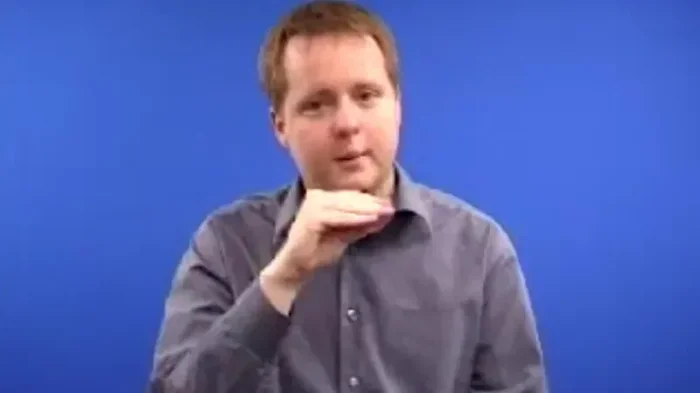

Learning how to say sleep in sign language is simple, fun, and incredibly useful for parents, educators, and anyone interested in visual communication. This guide walks you through the exact hand movements, common mistakes, and practical tips for both adults and babies. You will master the sleep sign in minutes and discover why this basic gesture opens doors to nonverbal communication and deeper connection.
Have you ever wondered how to say sleep in sign language? Maybe you are a new parent looking to communicate with your baby before words come along. Or perhaps you are curious about visual communication and want to learn something practical and fun. Either way, you are in the right place.
The sign for sleep is one of the easiest and most useful gestures you can learn in ASL, or American Sign Language. It takes just a few seconds to do, and once you get the hang of it, you will use it every single day. This guide breaks everything down step by step so you can pick it up fast.
What makes this sign so powerful is how naturally it fits into real life. You do not need special equipment or a classroom. You just need your hands and a little curiosity. Let us dive in and explore exactly how to say sleep in sign language the right way.
Key Takeaways
- Easy Hand Movement: The sleep sign uses a simple sweeping motion from your forehead to your chin with an open hand.
- Baby Sign Language Starter: Sleep is one of the most useful signs for parents teaching baby sign language early on.
- Facial Expressions Matter: Pairing the hand gesture with closed eyes and a relaxed face makes the sign clear and natural.
- Context Is Everything: Understanding how signs work in situ helps you use them more effectively in real conversations.
- Practice Makes Perfect: Consistent daily practice builds muscle memory and confidence in your signing skills.
- Universal Benefit: Learning this sign supports communication with the deaf community and enhances early childhood development.
📑 Table of Contents
What Does Sleep Look Like in Sign Language
The sleep sign in ASL is simple and visual. It mimics the action of closing your eyes to go to sleep. When you see someone do this sign, you instantly understand what it means. That is the beauty of hand gestures in sign language.
Here is a quick breakdown of what the sign looks like:
- Hand Shape: Your hand stays open with fingers together and your thumb slightly apart.
- Starting Position: Your hand begins at your forehead, fingers pointing up.
- Movement: You sweep your hand slowly down and forward, ending near your chin.
- Facial Expression: Your eyes close gently as your hand moves down.
This sweeping motion from the forehead to the chin is the core of the sign. It looks exactly like you are tucking your face into a pillow. The sign language basics rely on these natural, intuitive movements that mirror real-life actions.
One thing that makes learning signs easier is understanding how they work in situ, or in their natural context. When you see the sleep sign used in a real conversation, it becomes much easier to remember and replicate. You can explore more about how meaning works in context through this guide on in situ meaning, which helps explain why context shapes how we interpret gestures and words.
Why the Sleep Sign Works So Well
The sleep sign works because it connects directly to the physical act of sleeping. Your brain links the visual gesture to the feeling of tiredness. This connection makes it one of the first signs people remember when they start signing for beginners. It also works across ages, from tiny babies to adults in the deaf community.
Another reason the sleep sign is so effective is its simplicity. Unlike more complex signs that require two hands or precise finger positions, this one uses just one open hand and a smooth motion. That simplicity makes it perfect for quick communication, especially when someone is clearly drowsy.
Step-by-Step Guide to Signing Sleep
Now let us walk through the exact steps to sign sleep correctly. Follow along slowly, and then speed up as you get comfortable.
- Start with your dominant hand. Keep your fingers together and your thumb resting lightly against your palm.
- Place your hand at your forehead. Your palm should face inward, and your fingers should point upward.
- Sweep your hand down. Move your hand in a smooth arc from your forehead toward your chin.
- Close your eyes as you sweep. This facial cue is essential. It completes the meaning of the sign.
- End with your hand near your chin. Your fingers should still be together, pointing slightly forward.
That is it! Five simple steps and you are signing sleep like a pro. The key is to make the movement slow and deliberate at first. Once your muscle memory kicks in, the sign will feel natural and effortless.
When you practice, think about how the sign looks in situ, or in the real situation where you would use it. Signing sleep right before bedtime makes the gesture feel authentic. You can also check out what in situ meaning involves to understand better how context strengthens your signing and makes it more accurate.
Common Variations You Might See
In some regions or among different signers, you may notice slight variations of the sleep sign. Some people use both hands instead of one. Others make the sweeping motion a bit shorter or longer. These variations are normal and do not change the core meaning.
The most important thing is that your hand shape and downward motion remain consistent. As long as the gesture clearly moves from the forehead to the chin with closed eyes, you are signing sleep correctly. Flexibility within structure is a hallmark of nonverbal communication systems like ASL.
Baby Sign Language for Sleep
One of the most popular reasons people search for how to say sleep in sign language is for baby sign language. Parents love using signs to communicate with their babies before full speech develops. The sleep sign is a perfect starting point because babies understand tiredness long before they can say the word.
Teaching your baby to sign sleep can reduce frustration for both of you. Instead of crying when they are exhausted, your little one can simply make the gesture. This builds trust and makes bedtime routines smoother.
When to Start Teaching Baby Sleep Signs
Most experts recommend starting baby sign language around six to eight months old. At this age, babies begin to understand cause and effect. They also have enough hand control to make simple gestures.
Here are some tips for introducing the sleep sign to your baby:
- Sign every bedtime: Consistency helps babies connect the gesture with the action.
- Use a gentle voice: Pair the sign with calm, soothing words for a multi-sensory experience.
- Be patient: Babies may not sign back right away. Watch for hand movements that resemble the sign.
- Celebrate small wins: Even an approximation of the sign is a huge step forward.
Using sign language for kids at an early age supports early childhood development in remarkable ways. It boosts cognitive skills, strengthens the parent-child bond, and gives babies a voice before they can speak.
Why Sleep Signs Reduce Bedtime Struggles
When babies can communicate their needs, meltdowns decrease significantly. The sleep sign gives your child a tool to express tiredness without relying on crying or fussing. Over time, this leads to better sleep cues and a more peaceful bedtime routine for the whole family.
Parents who use baby sign language often report that their children develop verbal skills faster too. The sleep sign is a gateway to broader communication that benefits your child in many areas of growth.
Common Mistakes When Signing Sleep
Even simple signs have common pitfalls. Avoiding these mistakes will help you sign sleep clearly and confidently.
Mistake 1: Forgetting the Facial Expression
The sleep sign is not just a hand movement. Your face plays a huge role in conveying the meaning. If you keep your eyes open while signing sleep, the message gets confusing. Always close your eyes gently as you sweep your hand down.
Mistake 2: Using the Wrong Hand Shape
Some beginners curl their fingers or spread them too wide. Keep your hand open with fingers together and thumb relaxed. Think of it as a relaxed flat hand, like you are gently placing it on a pillow.
Mistake 3: Making the Motion Too Fast
Speed kills clarity in sign language. Move your hand slowly and smoothly. Rushing through the sign can make it look like a different gesture entirely. Take your time, especially when you are first learning.
Mistake 4: Ignoring Context
Signs work best when they are used in the right situation. Signing sleep while eating dinner does not make much sense. Use the sleep sign during bedtime routines or when someone looks visibly tired. This is where understanding how signs function in situ really matters. Learning about context and how it shapes meaning, such as through resources on in situ meaning, can greatly improve how naturally you use signs in real conversations.
Tips for Practicing Sign Language Daily
Like any new skill, practice makes perfect. Here are some fun and effective ways to build your sign language abilities, starting with the sleep sign.
Practice Before Bed
The easiest time to practice the sleep sign is right before you go to sleep. Every night, sign sleep as part of your bedtime routine. After a few weeks, the gesture will feel automatic.
Practice with a Partner
Find a friend or family member who also wants to learn. Take turns signing sleep and other basic signs. Practicing with someone else keeps you motivated and accountable.
Use Online Signing Dictionaries
There are many free signing dictionary resources online where you can watch native signers demonstrate gestures. Watching real people sign helps you pick up the correct form and speed.
Record Yourself
Film yourself signing sleep and watch the playback. This simple trick helps you spot errors you might not notice in the moment. Adjust your hand shape, movement, and facial expression based on what you see.
Join a Local Signing Group
Many communities have sign language meetups or classes. Joining one gives you real-world practice and connects you with the deaf community. These groups welcome beginners and create a supportive learning environment.
Remember, the goal is progress, not perfection. Every time you sign sleep, you are building skills that will serve you in broader visual communication and deeper connections with others.
Why Learning Sign Language Matters
Beyond the sleep sign, learning sign language opens up a world of opportunities. It is not just a set of hand movements. It is a full language with its own grammar, culture, and history.
Here are some reasons why investing time in sign language pays off:
- Better communication: You can connect with people who are deaf or hard of hearing.
- Brain benefits: Learning a second language, even a visual one, improves memory and cognitive flexibility.
- Career opportunities: Sign language skills are valued in education, healthcare, and social work.
- Deeper empathy: Understanding a different communication style builds compassion and awareness.
- Early bonding: Parents who use baby sign language report stronger emotional connections with their infants.
The sleep sign is just the beginning. Once you feel comfortable with it, you can expand your vocabulary to include other everyday signs like eat, drink, more, and thank you. Each new sign adds another tool for meaningful nonverbal communication.
Learning how to say sleep in sign language is a small investment with big returns. Whether you use it with a baby, a friend, or your own bedtime routine, this simple gesture carries real weight. It bridges gaps, builds understanding, and reminds us that communication goes far beyond spoken words.
So go ahead and try it now. Open your hand, sweep it from your forehead to your chin, close your eyes, and feel the quiet power of this sign. You just said sleep in sign language, and that is something worth celebrating.
Frequently Asked Questions
What is the exact hand shape for the sleep sign in ASL?
Your hand should be open with all fingers together and your thumb resting lightly against your palm. Keep your fingers relaxed and natural, not stiff or spread apart. This flat, open hand shape is essential for a clear sleep sign.
Can I use both hands to sign sleep?
Yes, some signers use both hands simultaneously, especially in expressive or storytelling contexts. However, the standard ASL sleep sign uses one hand. Start with one hand and add the second hand as you grow more comfortable with the gesture.
At what age can babies start learning the sleep sign?
Most babies can begin learning simple signs like sleep around six to eight months old. At this age, they have enough hand coordination and understanding to start mimicking basic gestures. Even if they do not sign back right away, consistent exposure builds a strong foundation.
Does the sleep sign look different in other sign languages?
Yes, different sign languages around the world may use variations of the sleep gesture. However, the core concept of sweeping from the forehead to the chin with a closed-eye expression is quite universal across many signing systems.
How long does it take to learn the sleep sign?
Most people can learn the sleep sign in just a few minutes of practice. The real challenge is building muscle memory so it feels automatic. With daily practice over one to two weeks, the sign will become second nature.
Why are facial expressions important in sign language?
Facial expressions carry grammatical meaning in sign language. They change the tone, intensity, and type of statement you are making. For the sleep sign, closing your eyes signals tiredness and helps distinguish the sign from other similar hand movements.
=== CONCLUSION ===
Learning how to say sleep in sign language is one of the most rewarding skills you can pick up. It is fast, easy, and useful for people of all ages. Whether you are a parent teaching baby sign language, a student exploring ASL basics, or simply someone who values visual communication, the sleep sign gives you something practical and meaningful right away.
Remember the five key steps: open hand, start at the forehead, sweep down to the chin, close your eyes, and end with a relaxed gesture near your chin. Avoid common mistakes like skipping the facial expression or moving too fast. Practice daily, stay patient, and enjoy the journey of learning a new way to connect with others.
The sleep sign is more than just a hand movement. It is a gateway to deeper understanding, stronger bonds, and a richer appreciation for the beauty of nonverbal communication. Start using it today, and watch how it transforms the way you connect with the people around you.



