
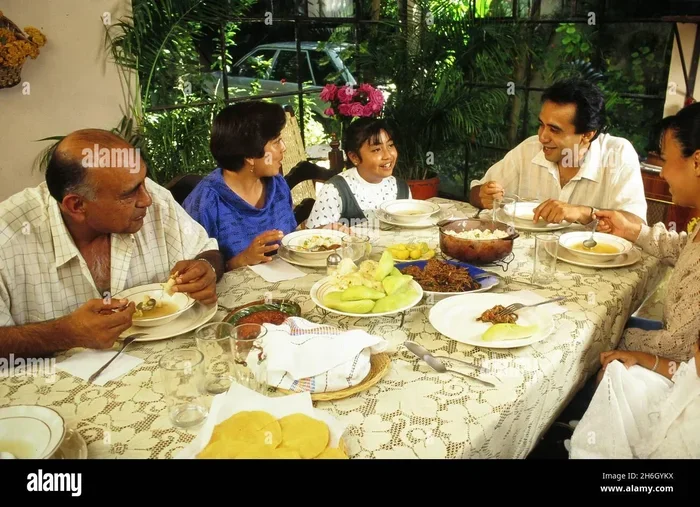

So, how to say provecho in English? The most direct translation is “enjoy your meal,” but the real meaning runs much deeper. Provecho is a warm, social phrase used across the Spanish-speaking world to wish someone a good meal. Understanding provecho meaning and provecho pronunciation helps you connect with native speakers and show respect at the table.
Key Takeaways
- Provecho translates to “enjoy your meal” in English, but carries deeper cultural weight.
- The correct provecho pronunciation is pro-VEH-cho, with the stress on the second syllable.
- You can use provecho before or during a meal to wish others well at the table.
- Buen provecho is the full, more formal version of the phrase and is used just as often.
- Common responses include “gracias” or “igualmente,” showing politeness and warmth.
- Using provecho in context builds rapport and shows cultural awareness when dining with Spanish speakers.
📑 Table of Contents
What Does Provecho Mean in English?
You have probably heard someone say provecho at a restaurant or in a movie. Maybe you wondered what it meant. Or maybe you have been in a Spanish-speaking country and felt lost when the waiter or a stranger said it to you.
How to say provecho in English is a question many language learners ask. The simplest answer is “enjoy your meal.” But that translation only scratches the surface. Provecho meaning goes beyond a simple wish. It is a social gesture. It shows care, warmth, and good manners.
Think of it like saying “bon appétit” in French. You are not just translating words. You are sharing a moment. The provecho translation captures that spirit. When you say it, you are telling someone, “I hope you enjoy what you are about to eat.” That is a small thing, but it matters a lot in Spanish-speaking cultures.
The word itself comes from the Spanish verb “provechar,” which means to take advantage of or to make the most of something. So provecho really means “may you make the most of your meal.” That is a beautiful way to think about food and company.
The Cultural Weight of a Simple Word
In many English-speaking countries, people do not say much before a meal. You might hear “let’s eat” or “dig in.” But in Spanish-speaking countries, meals are social events. People talk, laugh, and connect over food. Saying provecho is part of that ritual.
It is similar to how understanding in situ meaning helps you grasp the full context of a word or phrase. Provecho only makes sense when you understand the social situation around it. The word carries meaning that goes far beyond its dictionary definition.
You will hear provecho in homes, restaurants, markets, and even office lunchrooms across Mexico, Spain, Argentina, and beyond. It is universal in the Spanish-speaking world. And once you know how to use it, you will feel more connected every time you sit down to eat with native speakers.
How to Pronounce Provecho Like a Native
Provecho pronunciation is not as hard as it looks. Once you break it down, it becomes simple. The word has three syllables: pro-VEH-cho.
Here is a step-by-step guide:
- Pro — Say it like “pro” in “professional.” Keep it short and crisp.
- VEH — This is the stressed syllable. Say it like “veh” as in “vehicle.” Open your mouth wide. Let the vowel sound full and clear.
- Cho — Say it like “cho” in “church.” The “ch” is the same sound you use in English. The “o” is a short, bright sound.
Put it together: pro-VEH-cho. That is it. Practice saying it slowly a few times. Then speed up naturally. Do not rush the middle syllable. That is where the magic happens.
Common Pronunciation Mistakes to Avoid
Many English speakers make a few common errors when they first learn provecho pronunciation. Here is what to watch out for:
- Don’t stress the first syllable. Saying “PRO-vecho” sounds unnatural. The stress belongs on the second syllable.
- Don’t pronounce the “e” as a long “ee.” It is a short “eh” sound, like in “bed.”
- Don’t skip the “cho” ending. Some people say “pro-VEH” and drop the last part. Keep the full word.
- Don’t add an extra syllable. It is three parts, not four. Keep it clean and smooth.
A great way to practice is to listen to native speakers say it. You can find plenty of audio clips online. Repeat after them. Record yourself. Compare. Over time, your provecho pronunciation will sound natural and confident.
When and How to Use Provecho
Now that you know how to say provecho in English and how to pronounce it, let us talk about when to use it. Timing matters just as much as the words themselves.
You should say provecho right before people start eating. It is like a verbal grace or a toast to the meal. Here are the most common situations:
- At home with family. Before everyone sits down and begins eating, someone might say provecho to the group.
- At a restaurant. When your table receives the food, you can say it to your dining companions.
- At a social gathering. Parties with food are perfect moments to use provecho.
- In a market or food stall. Even buying street food is a great chance to say it to the vendor or your friends.
The key is to say it before the first bite. Once people start eating, it is a bit late. Think of it as setting the tone for the meal. It is a small gesture that shows you care about others’ enjoyment.
Provecho in Everyday Conversations
You do not need a formal setting to use provecho. It fits naturally into casual conversations too. Here are some real-life examples:
- Friend: “I made tacos for dinner tonight.” You: “¡Provecho!”
- At a family barbecue: “Everyone dig in! ¡Provecho!“
- Ordering food at a market: The vendor hands you your food and smiles. You say, “Provecho.”
Notice how easy it is? You do not need a full sentence. Just two syllables of warmth. That is the beauty of provecho. It works in any casual or semi-formal setting.
Provecho vs. Buen Provecho
You may have also heard the phrase buen provecho. It is very common and often used interchangeably with provecho. But is there a difference?
Short answer: not really. Both mean the same thing in English — “enjoy your meal.” The difference is in formality and emphasis.
Buen provecho is the full version. It adds the word “buen,” which means “good.” So it literally translates to “good enjoy your meal.” It sounds slightly more polished and complete.
Provecho on its own is shorter and more casual. It is perfectly fine in everyday conversation. Many native speakers use both versions without thinking twice.
Here is a quick comparison:
| Phrase | Literal Translation | When to Use |
|---|---|---|
| Provecho | Enjoy (your meal) | Casual, everyday use |
| Buen Provecho | Good enjoy (your meal) | Slightly more formal or emphatic |
Both are correct. Both are widely understood. If you are wondering which one to use, just pick the one that feels natural to you. Native speakers will appreciate either one. The important thing is that you use it with genuine warmth.
Common Responses to Provecho
So you said provecho. Now what? Someone will likely respond. Knowing what to say back makes the conversation feel smooth and natural.
Here are the most common responses:
- “Gracias.” — This is the simplest and most common reply. It means “Thank you.” It works in almost any situation.
- “Igualmente.” — This means “Likewise.” It is a warm way to return the wish. You are saying, “I hope you enjoy your meal too.”
- “¡Gracias, igualmente!” — Combining both for a friendly, complete response.
- “¡También!” — Meaning “Me too!” A casual and cheerful reply.
You do not need a complicated response. A simple “gracias” is perfect. The point is to acknowledge the kind gesture and keep the positive energy flowing at the table.
What Not to Say
There is really no wrong way to respond to provecho. But avoid overthinking it. You do not need to give a long explanation or translate it back. A short, genuine reply is always best. Keep it light and natural.
Why Provecho Matters Beyond Translation
Learning how to say provecho in English is not just about vocabulary. It is about understanding a culture. Food is central to life in Spanish-speaking countries. Meals are times for family, friendship, and connection.
When you say provecho, you are participating in that tradition. You are showing respect for the food, the cook, and the people at the table. That is a powerful thing, even if the words are simple.
Think about it this way. In English, we might say “enjoy your meal” at a fancy restaurant. But we rarely say it at home with friends. Provecho bridges that gap. It works everywhere. It is warm, it is friendly, and it is always appropriate.
Using provecho correctly also shows that you are making an effort to connect with Spanish-speaking people. That effort is noticed and appreciated. Even if your pronunciation is not perfect, the intention behind the words shines through.
So next time you sit down to eat with Spanish-speaking friends or family, remember this guide. Say provecho with confidence. Mean it. And watch how it lights up the room.
Quick Tips for Mastering Provecho
- Practice the pronunciation daily. Say it out loud a few times before meals.
- Use it before the first bite. Timing makes the gesture feel natural.
- Pair it with a smile. Warmth makes any phrase more powerful.
- Try both “provecho” and “buen provecho.” See which feels more comfortable.
- Listen to native speakers. Pay attention to how and when they use it in real life.
- Do not worry about perfection. The effort matters more than getting every sound exactly right.
Key Takeaways
- Provecho translates to “enjoy your meal” in English, but carries deeper cultural weight.
- The correct provecho pronunciation is pro-VEH-cho, with the stress on the second syllable.
- You can use provecho before or during a meal to wish others well at the table.
- Buen provecho is the full, more formal version of the phrase and is used just as often.
- Common responses include “gracias” or “igualmente,” showing politeness and warmth.
- Using provecho in context builds rapport and shows cultural awareness when dining with Spanish speakers.
Frequently Asked Questions
Is provecho only used in Mexican Spanish?
No, provecho is used across all Spanish-speaking countries. You will hear it in Spain, Mexico, Argentina, Colombia, and many other places. The meaning and usage stay the same everywhere.
Can I say provecho to a waiter or server?
Absolutely. Saying provecho to a server or to your dining companions is completely appropriate. It is a friendly and respectful gesture that anyone will appreciate.
What is the difference between provecho and buen provecho?
Both mean the same thing — “enjoy your meal.” Buen provecho is the full version with “buen” (good) added. Provecho is shorter and more casual. Both are correct and widely used.
When exactly should I say provecho at the table?
Say provecho right before everyone starts eating. It works as a kind of verbal grace. Once the meal is underway, it loses its natural timing.
Do I need to respond when someone says provecho to me?
A simple “gracias” or “igualmente” is perfect. You do not need a long reply. Just a quick, warm acknowledgment is enough to keep the conversation flowing.
Is provecho used for breakfast, lunch, and dinner?
Yes, you can use provecho for any meal of the day. Whether it is breakfast, lunch, or dinner, the phrase works the same way. It is not limited to one meal type.
=== CONCLUSION ===
How to say provecho in English opens a door to richer, more meaningful conversations with Spanish speakers. At its core, provecho means “enjoy your meal.” But the true value of the phrase lies in the warmth and connection it creates at the table.
You now know the provecho meaning, the correct provecho pronunciation, when to use it, and how to respond. You understand the difference between provecho and buen provecho. And you have practical tips to sound natural and confident.
The next time you share a meal with Spanish-speaking friends, family, or colleagues, put this knowledge into action. Say provecho with a smile. Mean it. And enjoy the moment. That is what this beautiful phrase is all about.



