

Learning how to say please in Japanese is essential for anyone studying the language or visiting Japan. This guide covers the most common polite expressions, cultural context, and practical tips so you can communicate respectfully and confidently in any situation.
Key Takeaways
- Multiple ways to say please: Japanese offers several expressions like “onegaishimasu,” “sumimasen,” and “kudasai” depending on the situation and formality level.
- Context matters: The way you say please in Japanese changes based on who you are speaking to, the setting, and the relationship between speakers.
- Politeness levels are key: Japanese has distinct honorific language tiers (casual, polite, and formal) that shape how you express requests and respect.
- Non-verbal communication counts: Bowing and body language play a big role in showing respect alongside your spoken words.
- Common mistakes are avoidable: Using the wrong level of politeness or mispronouncing key phrases can cause awkward moments, but practice helps.
- Consistent practice leads to confidence: Regular use of these phrases in real conversations will help you master how to say please in Japanese naturally.
📑 Table of Contents
- How to Say Please in Japanese: A Complete Guide for Every Situation
- Why Knowing How to Say Please in Japanese Matters
- The Most Common Ways to Say Please in Japanese
- Understanding Japanese Politeness Levels
- How to Use “Please” in Everyday Conversations
- Common Mistakes When Saying Please in Japanese
- Quick Tips for Mastering Japanese Politeness
- Conclusion
How to Say Please in Japanese: A Complete Guide for Every Situation
Japanese is one of the most beautiful and complex languages in the world. It is also one of the most nuanced when it comes to politeness. If you have ever wondered how to say please in Japanese, you are not alone. Many language learners struggle with this simple concept because Japanese does not have a direct one-to-one translation for the English word “please.” Instead, the language offers a rich set of expressions that change depending on the situation, the person you are speaking to, and the level of respect you want to convey.
In this guide, we will walk you through every way to say please in Japanese. You will learn the most common phrases, understand the cultural background, and pick up practical tips to avoid mistakes. Whether you are planning a trip to Tokyo or just starting your Japanese language journey, this article has you covered.
Why Knowing How to Say Please in Japanese Matters
Language is more than just words. It reflects culture, values, and social expectations. In Japan, politeness is not just a nice habit. It is deeply woven into everyday life. From convenience stores to business meetings, the way you speak shows respect and consideration for others.
When you learn how to say please in Japanese correctly, you open doors. People respond more warmly to visitors and learners who show effort. You also avoid the risk of sounding rude or dismissive, which can happen easily if you use the wrong phrase at the wrong time.
Think about how English speakers sometimes forget to say “please” without thinking. In Japanese culture, leaving out polite language is a bigger deal. It can signal disrespect or impatience. That is why understanding the different ways to express requests is so important for Japanese language learners.
The Role of Politeness in Japanese Culture
Japanese society places a high value on harmony. This concept, called “wa,” influences how people interact. Speaking politely helps maintain smooth relationships. Even small phrases carry weight. For example, the way shop employees greet customers reflects a deep commitment to service and respect.
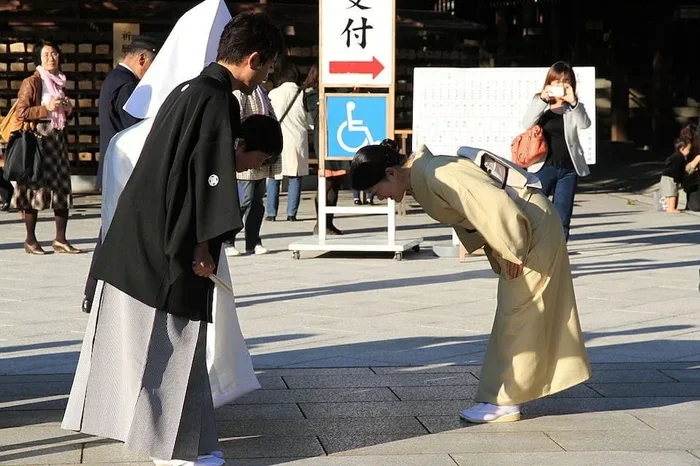
You may notice that Japanese people bow when they greet others. This non-verbal gesture works alongside polite words to show sincerity. If you want to truly understand Japanese culture, you need to see politeness as a complete system, not just a single word.
The Most Common Ways to Say Please in Japanese
Now let us get into the specific phrases. There are several ways to express “please” in Japanese, and each one fits a different context. Below are the key expressions you should know, along with examples and usage tips.
Onegaishimasu (お願いします) — The Polite Standard
Onegaishimasu is probably the most well-known Japanese phrase for “please.” It is versatile and used in many situations. You can use it when asking for something, requesting help, or even when leaving a store after a purchase.
Here is how it works in practice:
- At a restaurant: “Onegaishimasu” (Please, I will have…) — said when ordering.
- At work: “Onegaishimasu” (Please take care of me) — said when starting a new job or asking a colleague for help.
- At a store: “Onegaishimasu” (Please, thank you) — said when receiving service or making a purchase.
This phrase is polite enough for most situations. It works with strangers, coworkers, and even some casual settings. However, it is always good to know other options too.
Kudasai (ください) — The Direct Request
Kudasai means “please give me” or “please do.” It is more direct than onegaishimasu and works well when you want to ask for something specific. You often pair it with a noun or verb.
- Sushi o kudasai (Please give me sushi) — ordering at a counter.
- Shizuka ni shite kudasai (Please be quiet) — a polite but firm request.
Kudasai is considered polite, but it is not as soft as onegaishimasu. Use it when you need something clearly and directly. It fits well in everyday transactions and casual-to-polite conversations.
Sumimasen (すみません) — The All-Purpose Apology and Request
Here is a unique aspect of Japanese phrases: sumimasen means “excuse me” or “I am sorry,” but it also serves as a way to ask for something politely. When you want to get someone’s attention or make a gentle request, sumimasen works perfectly.
- Sumimasen, eki wa doko desu ka (Excuse me, where is the station?) — asking for directions.
- Sumimasen, chotto matte kudasai (Excuse me, please wait a moment) — a polite pause request.
Many Japanese learners are surprised to learn this dual use. But it makes sense in context. By saying sumimasen, you show humility before making a request. You essentially acknowledge that you are bothering someone, which is a very respectful approach.
Moushiwake arimasen (申し訳ありません) — The Formal Apology Request
This phrase is more formal and translates to “I apologize” or “I am sorry to trouble you.” Use it in professional or serious situations where you need to show deep respect. It is especially common in business settings.
Teinei ni onegaishimasu (丁寧にお願いします) — Extra Politeness
When you want to go the extra mile, teinei ni onegaishimasu means “please treat me politely” or “please be kind.” You might hear this in customer service or when you want to make a very respectful request.
Understanding Japanese Politeness Levels
One of the trickiest parts of learning how to say please in Japanese is understanding the different politeness levels. Japanese has three main tiers of language: casual, polite, and formal. Each level changes the way you structure sentences and choose vocabulary.
Casual Politeness (Teineigo)
Casual politeness is the middle ground. You use it with friends, peers, or people who are close to your age. The language is simpler, but still respectful. Think of it as being friendly without being too stiff.
Example: “Kore, kudasai” (This one, please) — casual enough for a friend, polite enough for a shop.
Polite Language (Keigo / 敬語)
Keigo is the formal honorific language used with superiors, elders, or in professional settings. It involves special verb forms and respectful vocabulary. Keigo is essential in Japanese business culture and formal interactions.
There are three types of keigo:
- Sonkeigo (respectful language) — used to elevate the person you are speaking to.
- Kenjougo (humble language) — used to lower yourself respectfully.
- Teineigo (polite language) — the standard polite form most learners start with.
Understanding these levels helps you choose the right way to say please in Japanese for any situation. If you are unsure, it is always safer to lean toward politeness. Japanese people appreciate the effort, even if your grammar is not perfect.
Matching Politeness to the Situation
Here is a quick comparison to help you choose the right level:
- Talking to a friend: Casual or casual-polite language. Use “kudasai” for requests.
- At a restaurant or shop: Polite language. Use “onegaishimasu” or “sumimasen.”
- In a business meeting: Formal language. Use “onegaishimasu” with keigo verb forms.
- Meeting someone important: Highest formality. Use humble and respectful keigo.
Just as you would choose different words when meeting someone new versus greeting a friend, Japanese requires you to adjust your Japanese vocabulary based on the social context. This attention to detail is what makes the language so rich and rewarding to learn.
How to Use “Please” in Everyday Conversations
Now that you know the key phrases, let us see how they fit into real-life conversations. Practicing these expressions in context is the best way to build confidence.
At a Restaurant
Ordering food is one of the most common situations where you need to say please in Japanese. Here is a short dialogue example:
- You: “Sumimasen, menu o onegaishimasu.” (Excuse me, the menu please.)
- Waiter: “Hai, mou sukoshi de mate kudasai.” (Yes, just a moment please.)
- You: “Sushi o onegaishimasu.” (Sushi please.)
Notice how sumimasen opens the conversation politely. Then onegaishimasu handles the actual request. This pattern works in many settings.
At a Store
Shopping in Japan is another great opportunity to practice. Store staff often use polite language with customers. You can respond in kind:
- “Sumimasen, kore wa ikura desu ka?” (Excuse me, how much is this?)
- “Kore o kudasai.” (This one please.)
- “Arigatou gozaimasu.” (Thank you very much.) — said after the transaction.
In a Workplace
Workplace communication in Japan relies heavily on formal speech. When asking a colleague for help, you might say:
- “Onegaishimasu, chotto tetsudatte moraemasen ka?” (Please, could you help me a little?)
- “Moushiwake arimasen ga, onegaishimasu.” (I apologize, but please.)
Using the right level of politeness at work shows professionalism and respect. It helps build trust with your colleagues. Even something as simple as how you say please in Japanese can shape your reputation.
Common Mistakes When Saying Please in Japanese
Everyone makes mistakes when learning a new language. Here are some common pitfalls that Japanese learners should watch out for.
Using Kudasai Too Casually
While kudasai is polite, it can sound a bit blunt in formal situations. If you are speaking to someone senior or in a business setting, onegaishimasu is a safer choice. Using kudasai alone in a formal context may come across as too direct.
Forgetting to Say Sumimasen First
Many learners jump straight to their request without saying sumimasen. This can feel abrupt. In Japanese culture, it is polite to acknowledge the other person before making a demand. Always consider adding a quick sumimasen at the start.
Mixing Politeness Levels
Another common mistake is switching between casual and formal speech mid-conversation. This creates an awkward tone. Pick one level and stick with it for the entire interaction. Consistency shows respect and clarity.
Mispronouncing Key Phrases
Japanese pronunciation is relatively straightforward, but rhythm and pitch matter. For example, onegaishimasu has five syllables: o-ne-gai-shi-ma-su. Rushing through it can make it hard to understand. Take your time and practice slowly at first.
Quick Tips for Mastering Japanese Politeness
Here are some practical tips to help you improve quickly:
- Listen to native speakers. Podcasts, anime, and Japanese dramas are great tools. Pay attention to how characters use polite phrases in different settings.
- Practice every day. Even five minutes of daily practice helps. Say onegaishimasu and kudasai out loud during your routine.
- Watch your body language. A slight bow while saying please in Japanese adds sincerity. It shows you are not just reciting words but genuinely being respectful.
- Learn from real interactions. If you visit Japan, try ordering food or asking for directions using these phrases. Real experience builds real confidence.
- Do not be afraid of mistakes. Japanese people are generally kind and forgiving toward learners. They appreciate your effort, so keep trying.
Conclusion
Mastering how to say please in Japanese takes a bit of practice, but it is absolutely achievable. The key is understanding the different phrases and when to use each one. Onegaishimasu is your go-to polite phrase for most situations. Kudasai works for direct requests. Sumimasen serves as a gentle way to get attention or make a humble ask.
Beyond the words themselves, remember that Japanese politeness is a system. It involves tone, context, body language, and respect for social hierarchy. When you combine the right phrases with the right attitude, you create meaningful connections with Japanese speakers.
So start practicing today. Use these phrases in conversations, flashcards, or even in your head. The more you practice, the more natural saying please in Japanese will become. Your effort will not go unnoticed, and it will open up richer experiences as you explore this wonderful language and culture.
Frequently Asked Questions
What is the most polite way to say please in Japanese?
The most polite way is “onegaishimasu” (お願いします). It works in almost every situation, from restaurants to workplaces. It shows respect without being overly formal, making it the go-to phrase for most learners and native speakers alike.
Can I just say “please” in Japanese like in English?
No, Japanese does not have a direct word that means exactly “please.” Instead, you use phrases like onegaishimasu, kudasai, or sumimasen depending on context. These expressions convey politeness through their structure and tone rather than a single translation.
When should I use “kudasai” instead of “onegaishimasu”?
Use kudasai when you need something specific and direct, like ordering food. It is polite but more straightforward. Use onegaishimasu when you want a softer, more versatile expression that works in a wider range of situations including requests and thank-yous.
Is “sumimasen” really a way to say please?
Yes, sumimasen can function as a polite request because it shows humility. When you say sumimasen before asking for something, you are acknowledging that you are bothering the other person. This makes it a gentle and respectful way to make requests in Japanese.
How do I know which politeness level to use?
When in doubt, use polite language (teineigo). It is safe for most interactions with strangers, coworkers, and service workers. Save casual speech for friends and people your age. If you are in a very formal setting like a business meeting, consider using keigo with the help of a local guide.
Does body language matter when saying please in Japanese?
Yes, body language is very important in Japanese culture. A slight bow while speaking politely shows sincerity and respect. Eye contact is also valued, though it may be less direct than in Western cultures. Combining polite words with respectful gestures makes your communication much more effective and authentic.



