
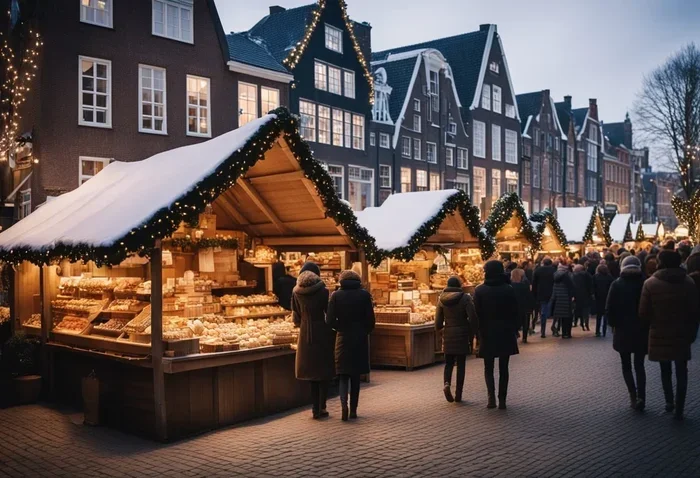

Knowing how to say Merry Christmas in Dutch opens doors to meaningful holiday connections with Dutch-speaking friends and family. The most common phrase is “Vrolijk Kerstmis,” but there are several other festive ways to share your holiday cheer. This guide covers every phrase, pronunciation tip, and cultural detail you need to spread joy this season.
Holiday greetings carry a special kind of magic. They warm hearts, build connections, and show people you care. If you have Dutch friends, colleagues, or loved ones, learning how to say Merry Christmas in Dutch can make your holiday season even more meaningful.
The Dutch language is spoken by millions of people across the Netherlands, Belgium, and Suriname. During the holiday season, festive greetings take on a special charm in this language. Whether you are writing a card, sending a text, or speaking face to face, the right phrase makes all the difference.
You might be surprised how simple it is. The most common way to say Merry Christmas in Dutch is “Vrolijk Kerstmis.” But there is so much more to explore. From informal text messages to formal holiday cards, the Dutch language offers a range of beautiful expressions for the season.
This guide walks you through every phrase, pronunciation tip, and cultural insight you need. By the end, you will feel confident sharing holiday cheer in Dutch. Let us dive in and make this holiday season one to remember.
Key Takeaways
- Vrolijk Kerstmis is the standard way to say Merry Christmas in Dutch and works in all situations.
- There are multiple variations and informal phrases that native Dutch speakers actually use during the holidays.
- Understanding Dutch Christmas traditions helps you use greetings in the right cultural context.
- Pronunciation is straightforward once you know the sounds and stress patterns of Dutch words.
- You can pair your holiday greetings with other seasonal wishes for New Year and beyond.
- Learning these phrases shows respect for Dutch culture and builds stronger personal connections.
- The phrases work across all Dutch-speaking regions, including the Netherlands and Belgium.
📑 Table of Contents
The Standard Way to Say Merry Christmas in Dutch
The most widely recognized phrase is “Vrolijk Kerstmis.” This is the go-to greeting that almost every Dutch speaker knows and uses. It translates directly to “Merry Christmas” and works in both formal and informal settings.
Let us break it down word by word:
- Vrolijk means merry or happy.
- Kerstmis means Christmas.
When you put them together, you get a warm, cheerful greeting that fits any occasion. You can use it in person, over the phone, in emails, or in holiday cards. It is universally understood across all Dutch-speaking regions.
Pronunciation Tips for Vrolijk Kerstmis
Pronouncing “Vrolijk Kerstmis” correctly helps you sound more natural. Here is a simple breakdown:
- Vrolijk — sounds like “VROH-lik.” The “v” is soft, almost like an “f.” The “r” is a gentle roll.
- Kerstmis — sounds like “KURST-mis.” The “ks” blend is crisp. The “mis” rhymes with “miss.”
The stress falls on the first syllable of each word. So it is VROH-lik KURST-mis. Practice saying it a few times out loud. Soon it will feel natural on your tongue.
If you want to sound even more authentic, try adding a warm smile. In Dutch culture, sincerity matters just as much as the words themselves. A genuine tone makes any greeting feel special.
Alternative Holiday Greetings in Dutch
While “Vrolijk Kerstmis” is the standard, Dutch speakers have several other ways to share holiday cheer. These alternatives add variety and personality to your greetings.
Zalig Kerstfeest
This phrase means “Blessed Christmas Celebration.” It carries a slightly more formal and heartfelt tone. Many Dutch people use it in written cards or messages. It feels warm and thoughtful, perfect for people you care about deeply.
Prettige Kerstdagen
This translates to “Pleasant Christmas Days.” It is a lovely way to wish someone well for the entire holiday period. The Dutch celebrate Christmas over multiple days, so this greeting covers the whole season. It works beautifully for both personal and professional settings.
Fijne Kerstdagen
Meaning “Fine Christmas Days,” this is another popular variation. It is casual and friendly. You might use it with friends, neighbors, or coworkers. It keeps things light and cheerful without being too formal.
Gelukkige Kerstdagen
This means “Happy Christmas Days.” It mirrors the structure of “Happy Holidays” in English. It is simple, clear, and universally understood. This phrase works well for group messages and social media posts.
How Dutch People Actually Celebrate Christmas
Understanding the culture behind the phrases makes your greetings even more meaningful. Dutch Christmas traditions are rich and unique. They blend religious customs with cozy family celebrations.
Kerstavond — Christmas Eve
In the Netherlands, Christmas Eve, or Kerstavond, is the main event. Families gather for a special dinner. The evening is filled with warmth, good food, and togetherness. Many people exchange gifts on this night rather than on Christmas Day.
If you are greeting someone on December 24th, you might say “Fijne Kerstavond” (Merry Christmas Eve). This shows you understand the rhythm of Dutch holiday life.
Kerstpakketten and Holiday Traditions
Some Dutch families enjoy Kerstpakketten, or Christmas packages, filled with festive treats. Traditional foods include roast pork, gourmetten (a hot plate with mini pans for cooking), and kerststol (a rich fruit bread). The atmosphere is cozy and joyful.
Knowing these details helps you connect on a deeper level. When you wish someone a great holiday season, you show that you respect and appreciate their culture. This is especially valuable if you are learning the Dutch language or building relationships with Dutch speakers.
Sinterklaas — A Separate Holiday
It is important to note that Sinterklaas is a separate celebration in the Netherlands. It happens on December 5th, the evening before Saint Nicholas Day. This is actually the bigger gift-giving event for many Dutch families.
The greeting for Sinterklaas is “Fijne Sinterklaas” or “Gelukkige Sinterklaas.” While it is not Christmas, it is part of the broader holiday season. Understanding this distinction shows real cultural awareness.
Seasonal Greetings Beyond Christmas
The Dutch holiday season stretches beyond December 25th. Many people celebrate through New Year’s Eve, known as Oudejaarsavond. Having a range of greetings at your disposal is always helpful.
Happy New Year in Dutch
The standard way to say Happy New Year is “Gelukkig Nieuwjaar.” Pronounce it as “GLUH-kee NIE-oo-yar.” This phrase is essential for the transition from Christmas to the new year.
Wishing a Wonderful Holiday Season
You can also combine greetings. For example, “Vrolijk Kerstmis en Gelukkig Nieuwjaar” means “Merry Christmas and Happy New Year.” This all-in-one greeting covers the entire festive period. It is perfect for cards, emails, and group messages.
Using a mix of phrases shows that you have put thought into your message. It elevates your greeting from simple to memorable. People truly notice when you make that extra effort.
Common Mistakes to Avoid
Learning a new language comes with small pitfalls. Here are some common mistakes to watch out for when using Dutch holiday greetings.
Confusing Kerstmis with Kerst
“Kerstmis” means Christmas Day. “Kerst” refers to the Christmas season more broadly. Both are correct, but they carry slightly different nuances. For greetings, “Kerstmis” is the safer and more traditional choice.
Overlooking Regional Differences
Dutch is spoken in the Netherlands, Belgium, and other regions. While the core phrases are the same, some regional variations exist. In Belgium, for instance, you might hear slightly different phrasing. The good news is that all variations are understood and appreciated.
Forgetting the Tone
Dutch communication values directness and sincerity. A greeting that sounds overly rehearsed or insincere can feel off. Keep your tone warm and genuine. A simple, heartfelt “Vrolijk Kerstmis” always beats a complicated phrase delivered without feeling.
Quick Tips for Using Dutch Christmas Greetings
Here are some practical tips to help you use these phrases with confidence:
- Practice out loud. Saying the phrases several times helps you remember them. Try saying them in front of a mirror or recording yourself.
- Use them in context. Pair your greeting with a short personal message. For example, “Vrolijk Kerstmis! Ik hoop dat je een heerlijke vakantie hebt” means “Merry Christmas! I hope you have a wonderful vacation.”
- Keep it simple. You do not need to be fluent to make someone smile. Even one well-placed phrase shows effort and care.
- Learn alongside your Dutch studies. If you are already studying the language, holiday greetings are a perfect way to expand your vocabulary. They connect you to real cultural moments.
- Share the joy. Teach these phrases to your friends. Spreading knowledge about other cultures builds bridges and creates connections.
If you love holiday-themed content, you might also enjoy exploring Christmas Teddy Bear Names for festive inspiration. And if you are curious about language meanings, check out the In Situ Meaning guide for more insights into how words and phrases carry meaning in different contexts. For those who love dogs and want to add a Dutch touch to their holiday celebrations, you can also explore Dutch Dog Names to find the perfect name for your furry companion.
Why Learning Holiday Greetings Matters
Language is more than words. It is a bridge between people. When you take the time to learn how to say Merry Christmas in Dutch, you are doing something powerful. You are showing respect. You are building trust. You are creating moments of genuine connection.
In today’s global world, these small gestures matter more than ever. They break down barriers. They spark conversations. They turn a simple holiday message into something unforgettable.
Whether you are writing to a Dutch pen pal, texting a colleague in Amsterdam, or sending a card to a friend in Belgium, the right greeting carries weight. It says, “I see you. I respect your culture. I want to share this joyful moment with you.”
So take a few minutes. Practice the phrases. Say them with a smile. And watch how a simple “Vrolijk Kerstmis” can brighten someone’s entire holiday season.
Final Thoughts
Learning how to say Merry Christmas in Dutch is easier than you think. The key phrase, “Vrolijk Kerstmis,” opens the door to heartfelt holiday connections. Add in a few alternative greetings, and you have a full toolkit for spreading festive cheer.
Remember the cultural context too. Understanding traditions like Kerstavond and the Sinterklaas celebration adds depth to your greetings. It shows that you care about more than just the words. You care about the people and the culture behind them.
This holiday season, take your greetings to the next level. Use the phrases from this guide. Share them with the Dutch speakers in your life. You will be amazed at how much joy a simple, well-chosen greeting can bring.
Happy holidays, and Vrolijk Kerstmis!
Frequently Asked Questions
What is the most common way to say Merry Christmas in Dutch?
The most common phrase is “Vrolijk Kerstmis.” It is widely used across the Netherlands, Belgium, and other Dutch-speaking regions. It works in both formal and informal settings and is understood by virtually every Dutch speaker.
How do you pronounce Vrolijk Kerstmis correctly?
Say it as “VROH-lik KURST-mis.” The “V” sounds soft, almost like an “F.” The “r” is a gentle roll, and the stress is on the first syllable of each word. Practice slowly at first, then speed up as you get comfortable.
Are there different Christmas greetings for different Dutch-speaking regions?
The core phrases are the same across regions. However, minor variations in phrasing may exist in Belgium compared to the Netherlands. Regardless, all Dutch speakers will understand and appreciate any greeting you use. Sincerity matters more than perfection.
Can I use these phrases for Christmas cards and messages?
Absolutely. “Vrolijk Kerstmis” and the alternative phrases work perfectly for cards, texts, emails, and social media posts. They add a personal and thoughtful touch to any holiday communication. Pair them with a short personal message for extra impact.
What other Dutch holiday greetings should I know?
Beyond Christmas, learn “Gelukkig Nieuwjaar” for Happy New Year and “Fijne Sinterklaas” for the Sinterklaas celebration on December 5th. These greetings cover the full Dutch holiday season and show cultural awareness.
Is Dutch a difficult language to learn for holiday phrases?
Not at all for basic greetings. Dutch pronunciation follows consistent rules, and holiday phrases are short and simple. Even beginners can master “Vrolijk Kerstmis” in minutes. It is a wonderful starting point for anyone interested in learning the Dutch language.
=== CONCLUSION ===
Learning how to say Merry Christmas in Dutch is a small effort with a big impact. The phrase “Vrolijk Kerstmis” is your foundation, and the alternative greetings give you flexibility for different situations and tones. Pair these with an understanding of Dutch holiday traditions, and your greetings will feel authentic and heartfelt.
This holiday season, take the opportunity to connect with Dutch-speaking friends and loved ones in their own language. Use the tips and phrases from this guide. Share the warmth of the season with a genuine, well-placed greeting. You will make someone’s holidays brighter, and you will grow your own cultural awareness in the process.
So go ahead. Say it with confidence. Say it with joy. And most importantly, say it with love. Vrolijk Kerstmis!



