
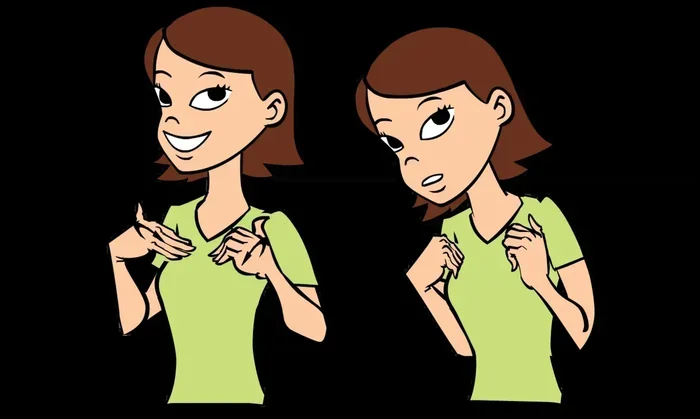

Learning how to say Im tired in sign language is easier than you think. This guide walks you through the basic ASL gesture for tired, along with variations, common mistakes, and real-life practice tips. Whether you are a beginner or brushing up on your skills, you will find clear steps and helpful examples to build confidence fast.
Key Takeaways
- Basic Tired Sign: The core ASL gesture for tired involves dragging fingers down your face to show exhaustion.
- Multiple Variations Exist: You can modify the sign to show mild fatigue or deep exhaustion depending on context.
- Body Language Matters: Facial expressions and posture play a huge role in conveying tiredness accurately in sign language.
- Common Mistakes to Avoid: Overcomplicating the gesture or skipping facial cues are the most frequent errors beginners make.
- Practice Makes Perfect: Regular repetition with real conversations is the fastest way to master this sign.
- Related Phrases Help: Knowing signs like exhausted, sleepy, and fatigued expands your ability to express different levels of tiredness.
📑 Table of Contents
- How to Say Im Tired in Sign Language the Simple Way
- Why Learn How to Say Im Tired in Sign Language
- The Basic Sign for Tired in ASL
- Variations of the Tired Sign
- Common Mistakes When Signing Tired
- Practice Tips to Master the Tired Sign
- Related Signs You Should Know
- Quick Tips for Beginners
- Common Questions About the Tired Sign in ASL
- Final Thoughts
How to Say Im Tired in Sign Language the Simple Way
Have you ever wanted to tell someone you are tired but could not find the right words? Maybe you were in a quiet room, or maybe you were trying to communicate with a friend who uses sign language. Whatever the reason, knowing how to say Im tired in sign language is a skill that opens doors. It is simple, practical, and incredibly useful in everyday life.
This guide breaks down the tired sign in ASL step by step. You will learn the basic gesture, see variations for different levels of fatigue, and pick up tips that make your signing look natural. No prior experience needed. Let us get started.
Why Learn How to Say Im Tired in Sign Language
Tiredness is something everyone feels. It is universal. Whether you had a long day at work, stayed up too late, or just need a break, being able to express this feeling in American Sign Language is powerful. Here is why it matters:
- It builds connection. Sharing how you feel creates deeper bonds with people who use sign language.
- It shows respect. Making the effort to learn basic signs tells the deaf community that you care.
- It is practical. In noisy environments, quiet settings, or across distances, sign language works where spoken words cannot.
- It boosts confidence. Even one or two signs can make you feel more comfortable in mixed-signing conversations.
Think of it this way. When you learn a new sign language phrase, you are adding a tool to your communication toolkit. The tired sign is one of the most common and frequently used signs in daily life. It belongs in every beginner’s vocabulary.
How Facial Expressions Add Meaning
Here is something many beginners miss. In sign language, your face is just as important as your hands. When you sign that you are tired, your expression should match. Let your eyes look heavy. Let your mouth relax. This is called nonverbal communication, and it is essential in ASL.
If your face looks happy while you sign tired, the message gets confusing. Your body language should tell the same story as your hands. Practice in front of a mirror. Make sure your facial cues match the emotion you are trying to convey.
The Basic Sign for Tired in ASL
Now let us get into the meat of the matter. The basic sign for tired in ASL is straightforward and easy to remember. Here is how you do it:
- Start with your dominant hand near your face. Your fingers should be spread slightly apart.
- Drag your fingers slowly down the side of your face. Start from your forehead and move toward your chin.
- As your hand moves down, let your wrist drop naturally. This downward motion shows the weight of fatigue.
- Repeat the motion once or twice for emphasis.
- Add a tired expression on your face. Let your eyes droop slightly and your shoulders slump.
That is it. One simple movement. The key is the downward drag. It mimics the feeling of your energy draining away. When you watch someone sign this naturally, the motion looks smooth and relaxed, not jerky or rushed.
Breaking Down the Hand Position
Let us look at each part of the hand position more closely. Your fingers should be loosely extended, not stiff. Think of how your hand looks when you are really sleepy and rubbing your eyes. That relaxed, natural shape is what you want.
Your palm should face slightly inward toward your face. The motion is not a sharp swipe. It is a slow, dragging feel. Imagine you are wiping away the tiredness itself. Some signers also slightly bend their wrist during the motion, which adds a sense of heaviness.
Variations of the Tired Sign
Not all tiredness is the same. Sometimes you are just a little sleepy. Other times, you are completely drained. ASL has ways to show different levels of fatigue. Here are some variations you can use:
Mild Tiredness
For a light feeling of fatigue, use a smaller motion. Drag your fingers just a short distance down your face. Keep your expression subtle. A slight sigh or gentle head tilt adds to the effect. This version works well when you are saying something like I am a little tired or I feel sleepy.
Deep Exhaustion
When you are truly exhausted, make the gesture bigger and slower. Drag your fingers from your forehead all the way down to your chest. Let your whole body show the weight of tiredness. Drop your shoulders. Let your head nod slightly forward. This dramatic version leaves no doubt about how you feel.
Repeated Yawning Gesture
Some signers combine the tired sign with a yawning motion. Open your mouth wide and let your hands drop with a sigh. This combination is very expressive and widely understood in the deaf community. It adds a layer of honesty to your signing that words alone sometimes cannot capture.
Common Mistakes When Signing Tired
Everyone makes mistakes when learning a new skill. The good news is that most errors in signing tired are easy to fix. Here are the most common ones and how to avoid them:
- Using only your hands. Forgetting your face is the number one mistake. Your expression carries half the meaning in sign language.
- Making the motion too fast. A rushed gesture looks nervous or unclear. Slow down and let the movement flow naturally.
- Starting too low. Begin at your forehead, not at your chin. The starting point matters because it shows where the tiredness begins.
- Stiff fingers. Keep your fingers relaxed. Tension in your hands makes the sign look forced and unnatural.
- Skipping repetition. One single motion can be easy to miss. Doing it twice or three times makes the meaning clearer.
If you have ever seen someone I digress meaning get off track while explaining something, you know how easy it is to lose focus. The same thing happens in signing. Stay focused on the core movement and your expression. Do not let your mind wander.
Practice Tips to Master the Tired Sign
Knowing the theory is great. But real skill comes from practice. Here are some proven ways to get comfortable with the tired sign:
1. Practice in Front of a Mirror
Stand in front of a mirror and sign tired several times. Watch your face and hands together. Does it look natural? Do your expressions match the gesture? Adjust anything that feels off. Mirror practice helps you see what others see.
2. Record Yourself
Use your phone to record a short video of yourself signing. Watch it back and check your form. You will notice things you cannot feel in the moment. Are your fingers relaxed? Is your motion smooth? Are your facial cues clear?
3. Sign With a Partner
Find a friend or family member who also wants to learn. Take turns signing tired in different contexts. One person can act out mild fatigue, and the other can respond with deep exhaustion. This back-and-forth builds real-world comfort.
4. Use It in Real Conversations
The best way to learn is to use it. Next time you feel tired and are around someone who signs, try the gesture. See how they react. Ask for feedback. Real conversations teach you more than any tutorial.
5. Watch Native Signers
Search for videos of native ASL users signing tired. Pay attention to how their hands move, how their faces look, and how the gesture fits naturally into a sentence. Sites and channels dedicated to learn sign language content are goldmines for this kind of practice.
Related Signs You Should Know
The tired sign is just one piece of the puzzle. Once you know how to say Im tired in sign language, you will want to expand your vocabulary. Here are some related signs that pair well with tired:
| Sign | What It Means | How It Connects |
|---|---|---|
| Sleepy | Feeling like you want to sleep | A step before full tiredness |
| Exhausted | Completely drained of energy | A stronger version of tired |
| Fatigue | General feeling of weariness | Used in more formal or medical contexts |
| Need rest | Expressing the desire to stop and rest | A practical follow-up to the tired sign |
| Bedtime | Referring to going to bed | Often signed together with tired at night |
Each of these signs builds on the tired sign you just learned. The more signs you add, the richer your conversations become. Think of it as building a sign language vocabulary one word at a time.
How Context Changes Your Signs
Here is an interesting point. The same tired sign can mean different things depending on the situation. If you sign tired at 3 p.m. after a long meeting, it might mean you need a coffee break. If you sign tired at 11 p.m., it means it is time for bed. The context shapes the meaning. This is similar to how in situ meaning changes depending on where and when something happens. The sign stays the same, but the message shifts with the situation.
Being aware of context helps you become a better communicator. It shows that you understand not just the mechanics of signing, but the culture and rhythm behind it. This is what separates someone who memorizes signs from someone who truly understands ASL communication.
Quick Tips for Beginners
- Keep your movements simple and smooth. Do not rush.
- Always pair hand signs with facial expressions.
- Practice the tired sign at least five times a day.
- Watch videos of native signers to pick up natural flow.
- Do not be afraid to make mistakes. Every signer started as a beginner.
- Use the tired sign in real conversations as often as possible.
- Combine it with other signs like sleep, rest, and bed for fuller expression.
These tips might seem basic, but they make a huge difference. Consistency beats intensity. Five minutes of daily practice will teach you more than one long session once a week.
Common Questions About the Tired Sign in ASL
Many people have questions when they start learning how to sign tired. Here are answers to the ones beginners ask most often.
Is the tired sign the same in all types of sign language?
No. Different countries have their own sign languages. The sign described here is for American Sign Language. British Sign Language and other national sign languages have their own versions of the tired sign. The basic concept is similar, but the hand shape and motion may differ.
Can children learn the tired sign easily?
Absolutely. Children pick up the tired sign very quickly because the motion is simple and relatable. Many parents teach their babies and toddlers this sign early on as part of baby sign language programs. It helps little ones communicate their needs before they can speak clearly.
Do I need to use both hands for the tired sign?
No. The tired sign is typically done with one hand, your dominant hand. Some advanced signers use both hands for emphasis, but for beginners, one hand is perfectly fine and widely accepted.
How long does it take to learn the tired sign?
Most people can learn the basic tired sign in just a few minutes of practice. However, making it look natural and fluid takes a bit more time. With daily practice, you should feel confident within a week or two.
Can I use the tired sign in professional settings?
Yes. The tired sign is appropriate in most settings. In professional or formal environments, you might pair it with more specific signs like need a break or exhausted to be more precise. It shows awareness and clear communication.
What if I forget how to do the sign during a conversation?
Do not panic. You can always describe it with simpler gestures or use facial expressions alone. A heavy look on your face paired with a slow head nod often communicates tiredness even without the exact hand sign. Communication is about connection, not perfection.
Final Thoughts
Learning how to say Im tired in sign language is one of the most rewarding first steps you can take in your ASL journey. The basic gesture is simple, the variations are fun to explore, and the practical benefits are real. Whether you are talking to a deaf friend, a baby, or someone in a quiet environment, this sign serves you well.
Remember to keep your facial expressions natural, your movements smooth, and your practice consistent. Do not worry about being perfect. Every signer was a beginner once. The tired sign is your gateway into a richer, more expressive way of communicating. Start practicing today, and you will be surprised how fast it becomes second nature.
So the next time you feel that wave of exhaustion rolling in, do not just yawn. Show the world. Sign tired. And own the moment with confidence.



