
Learning how to say I like you in Chinese opens up a whole new world of romantic expression. Whether you are a beginner or just curious about Mandarin love words, this guide covers everything you need. You will learn the most common phrases, how to pronounce them, and the cultural context behind each one.
Have you ever wanted to tell someone you like them in Chinese but did not know where to start? The good news is that how to say I like you in Chinese is simpler than you might think. Mandarin offers several beautiful ways to express affection, from casual likes to deep romantic feelings. Whether you are trying to impress a crush, connect with a partner, or just learn something new, this guide has you covered.
In this article, we will walk you through the most common phrases, their pronunciations, and the cultural meanings behind them. You will also pick up some practical tips to sound natural and sincere. Let us dive in and explore the world of Chinese love expressions together.
Key Takeaways
- Wǒ xǐhuān nǐ (我喜欢你) is the most direct way to say I like you in Chinese.
- There are multiple romantic phrases in Mandarin for different situations and levels of affection.
- Pinyin helps you pronounce Chinese words even if you cannot read the characters.
- Understanding Chinese culture makes your expressions feel more genuine and respectful.
- Practice and context matter just as much as the words themselves.
- Using the right tone and sincerity goes a long way in Chinese-speaking cultures.
📑 Table of Contents
- Basic Ways to Say I Like You in Chinese
- Romantic Chinese Phrases for Different Situations
- How to Pronounce Chinese Love Words
- Chinese Characters Behind the Phrases
- Cultural Tips for Expressing Feelings in Chinese
- Common Mistakes to Avoid
- How to Practice These Phrases Daily
- Final Thoughts on Expressing Love in Chinese
Basic Ways to Say I Like You in Chinese
The most fundamental phrase you need to know is wǒ xǐhuān nǐ (我喜欢你). This translates directly to “I like you.” It is the go-to phrase for expressing romantic interest in Mandarin. The characters break down like this:
- Wǒ (我) means “I” or “me.”
- Xǐhuān (喜欢) means “to like” or “to enjoy.”
- Nǐ (你) means “you.”
This phrase works well in most casual and semi-romantic situations. It is not overly intense, which makes it a safe and sweet choice. If you are just starting to explore Chinese love vocabulary, this is where you should begin.
Wǒ Xǐhuān Nǐ in Context
Imagine you are on a date and want to express your feelings. You can simply say wǒ xǐhuān nǐ with a warm smile. The tone matters a lot in Mandarin. The third tone on “wǒ” and the first tone on “xǐhuān” give the phrase its natural rhythm. Practice saying it slowly at first, then build up speed as you grow more comfortable.
Another simple variation is wǒ gǎn xǐhuān nǐ (我喜欢你), which adds a slightly deeper emotional weight. The word “gǎn” (感) adds a feeling component, making it more personal.
Romantic Chinese Phrases for Different Situations
Not every situation calls for the same phrase. Chinese speakers adjust their words based on how close they are to the person and the setting. Here are some popular options you can use.
I Love You in Chinese
The most well-known phrase for love is wǒ ài nǐ (我爱你). This means “I love you” and carries strong emotional weight. Use this when you want to express deep commitment and passion. Unlike the casual “I like you,” this phrase is reserved for serious relationships or very meaningful moments.
If you want to add emphasis, you can say wǒ fēi cháng xǐhuān nǐ (我非常喜欢你), which means “I really like you very much.” This is a great middle ground between casual liking and full love.
Cute and Flirty Phrases
Sometimes you want to keep things light and fun. Here are some Chinese flirty phrases that work well:
- Kě’ài de (可爱的) — meaning “cute” or “lovely”
- Nǐ hěn piàoliang (你很漂亮 for females / 你很帅 for males) — meaning “You are beautiful” or “You are handsome”
- Wǒ xiǎng nǐ (我想你) — meaning “I miss you” or “I think of you”
These phrases are perfect for texting or casual conversations. They show affection without being too heavy. You can mix and match them to keep your conversations fresh and natural.
How to Pronounce Chinese Love Words
Pronunciation is key in Mandarin because tones change the meaning of words completely. The good news is that pinyin gives you a romanized guide to help you sound out every phrase correctly.
Understanding Tones
Mandarin has four main tones plus a neutral tone. Each tone changes the meaning of a syllable. For example:
- Mā (first tone) means “mother.”
- Má (second tone) means “hemp.”
- Mǎ (third tone) means “horse.”
- Mà (fourth tone) means “to scold.”
When you say wǒ xǐhuān nǐ, pay attention to the third tone on “wǒ” and the third tone on “xǐ.” The second tone on “huān” and the third tone on “nǐ” complete the phrase. Practicing these tones daily will help you sound more natural over time.
Quick Pronunciation Tips
Here are some easy tips to improve your pronunciation:
- Listen to native speakers on apps like Pleco or Forvo.
- Record yourself and compare with the original audio.
- Practice the tones separately before combining them into full phrases.
- Focus on the rhythm and flow rather than perfecting every single sound at first.
With regular practice, you will find that saying how to say I like you in Chinese becomes second nature.
Chinese Characters Behind the Phrases
Chinese characters carry deep meaning and beauty. Understanding them adds another layer to your language learning journey. Let us look at the characters used in the most common love phrases.
The character 我 (wǒ) represents “I” or “me.” It has been used in Chinese writing for thousands of years. The character 你 (nǐ) represents “you” and is one of the first characters beginners learn. Together, these two characters form the foundation of personal expression in Mandarin.
The character 喜 (xǐ) means “joy” or “happiness,” and 欢 (huān) means “joy” or “delight.” When combined as 喜欢 (xǐhuān), they create the concept of “to like” or “to enjoy.” This compound character reflects the joy that comes from liking someone.
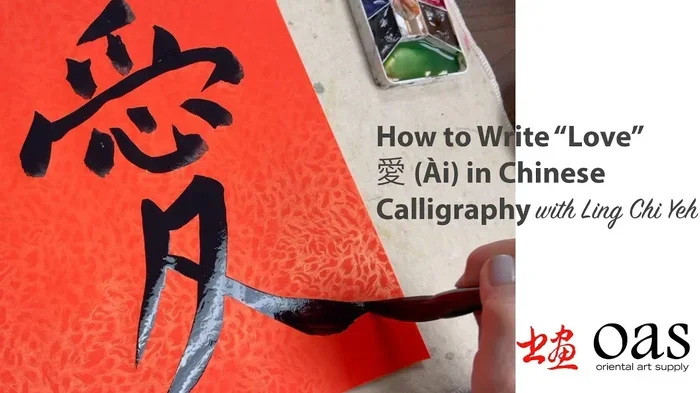
For the phrase “I love you,” the character 爱 (ài) carries a much deeper meaning. It encompasses love, affection, and deep care. Using this character in your expressions shows that your feelings go beyond a simple liking.
When you write or text these phrases, the characters themselves convey emotion and sincerity. Even if you cannot write them perfectly, knowing what they mean helps you connect with the language on a deeper level.
Cultural Tips for Expressing Feelings in Chinese
Language and culture go hand in hand. Understanding Chinese cultural norms around romance will help you use these phrases in the right way and at the right time.
Subtlety and Sincerity
Chinese culture often values subtlety and sincerity over grand gestures. While saying wǒ ài nǐ is powerful, many Chinese speakers prefer to express feelings through small, thoughtful actions. Complimenting someone genuinely or showing consistent care can mean just as much as a direct confession.
If you are speaking with someone from a Chinese-speaking background, pay attention to their comfort level. Some people may appreciate direct words, while others may prefer a more gradual approach. Reading the situation is just as important as choosing the right words.
Context Matters
The context in which you express your feelings matters a lot. Saying wǒ xǐhuān nǐ in a casual setting among friends feels different from saying it in a quiet, intimate moment. Choose your words and timing based on the relationship and the setting.
Also, consider the age and social dynamics involved. In traditional Chinese culture, younger people might be more reserved when expressing romantic feelings to elders or in formal settings. Adjusting your approach shows emotional intelligence and respect.
Common Mistakes to Avoid
Learning a new language always comes with a few pitfalls. Here are some common mistakes to watch out for when using Chinese romantic phrases.
- Mixing up tones: Getting the wrong tone can change the meaning entirely. Always double-check your pronunciation.
- Using “wǒ ài nǐ” too early: This phrase carries strong weight. Using it too soon might feel overwhelming in some situations.
- Ignoring cultural context: What works in one culture may not land the same way in another. Be mindful of the other person’s comfort.
- Over-relying on translation apps: Apps can help, but they do not always capture the nuance of real conversation. Practice speaking with native speakers when possible.
- Neglecting the characters: Even basic knowledge of Chinese characters helps you understand the deeper meaning behind the phrases.
Avoiding these mistakes will make your efforts feel more natural and respectful. And remember, making mistakes is a normal part of learning. The other person will likely appreciate the effort you put in.
How to Practice These Phrases Daily
Consistency is the secret to mastering any language skill. Here are some practical ways to practice your Mandarin romantic expressions every day.
- Repeat the phrases out loud at least five times each morning.
- Write them down in a notebook to reinforce memory through muscle memory.
- Use language exchange apps to practice with native speakers.
- Watch Chinese dramas or shows that feature romantic scenes to hear the phrases in natural context.
- Set daily reminders on your phone to review and practice.
The more you expose yourself to the language, the more natural these phrases will feel. Over time, you will be able to express your feelings in Chinese without thinking twice about it.
Final Thoughts on Expressing Love in Chinese
Learning how to say I like you in Chinese is more than just memorizing words. It is about connecting with another person through language and culture. Each phrase carries its own weight and meaning, from the casual wǒ xǐhuān nǐ to the heartfelt wǒ ài nǐ.
As you explore these expressions, remember that sincerity matters most. The words are just a vehicle for your genuine feelings. When you say “I like you” or “I love you” in Chinese, let your tone, your eyes, and your actions all speak the same message.
Take your time, practice regularly, and enjoy the journey. The world of Mandarin love words is rich and rewarding, and every phrase you learn brings you closer to meaningful connections with Chinese speakers around the world.
Now that you know the basics, it is time to put them into practice. Whether you are texting someone special or having a face-to-face conversation, these phrases will help you express what is in your heart. Start today and let the words flow naturally. Your next great connection might just begin with a simple and beautiful “wǒ xǐhuān nǐ.”
Frequently Asked Questions
What is the simplest way to say I like you in Chinese?
The simplest and most common way is wǒ xǐhuān nǐ (我喜欢你). It directly translates to “I like you” and works well in most casual and romantic situations. It is a great starting point for beginners.
Is there a difference between saying I like you and I love you in Chinese?
Yes, there is a clear difference. Wǒ xǐhuān nǐ means “I like you,” while wǒ ài nǐ (我爱你) means “I love you.” The former is lighter and more casual, while the latter carries deep emotional commitment. Choose based on the level of your feelings and the relationship.
Do I need to learn Chinese characters to say I like you?
No, you do not need to learn characters to speak the phrases. Pinyin gives you a romanized version of the pronunciation. However, learning even a few basic characters helps you understand the meaning and beauty behind the words.
Can I use these phrases in texting?
Absolutely. Chinese speakers commonly use these phrases in text messages and social media. They are widely understood and accepted in digital communication. Just be mindful of the context and your relationship with the person.
Are there regional differences in how Chinese speakers say I like you?
Mandarin is the standard and most widely spoken form. However, regional dialects like Cantonese or Shanghainese may have their own versions of these phrases. For most learners, Mandarin is the best place to start.
What if I mess up the tones when speaking?
Do not worry too much about perfect tones at first. Native speakers will generally understand your meaning from the context. Keep practicing, listen to native speakers, and your pronunciation will improve over time.
=== CONCLUSION ===
Learning how to say I like you in Chinese is a rewarding journey that goes beyond just words. You now have a solid foundation of phrases, pronunciations, and cultural insights to express your feelings with confidence. From the simple and sweet wǒ xǐhuān nǐ to the deeper wǒ ài nǐ, each phrase opens a door to meaningful connection.
Remember that practice, sincerity, and cultural awareness are just as important as the words themselves. Keep exploring, keep practicing, and most importantly, enjoy the process of sharing your feelings in a new language.