
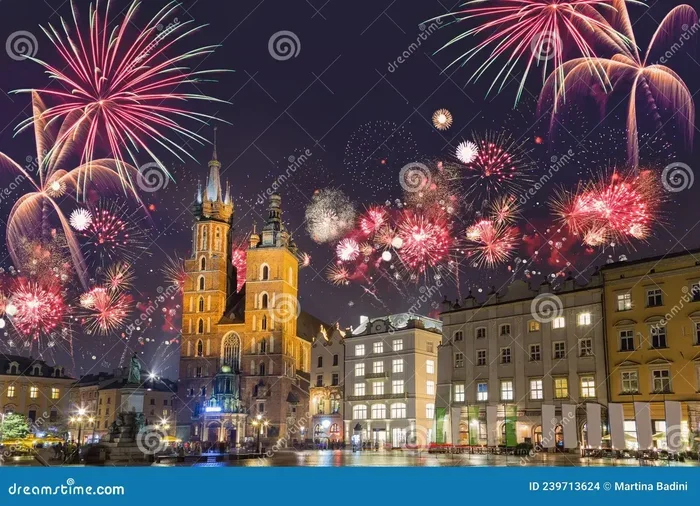

Knowing how to say happy new year in Polish is a wonderful way to connect with Polish friends and show respect for their culture. The most common phrase is “Szczęśliwego Nowego Roku,” which works in almost every situation. This guide covers everything from basic greetings to deeper cultural traditions behind Polish New Year celebrations.
Have you ever wanted to impress your Polish friends with more than just a basic “happy new year”? The way people greet each other during the holidays says a lot about culture and connection. When you learn how to say happy new year in Polish, you open a door to deeper friendships and richer experiences.
Poland has beautiful traditions around the New Year. From special meals to midnight toasts, every detail matters. And the words you use to celebrate carry real meaning. This guide will walk you through every phrase, every tradition, and every tip you need to sound like a local.
You do not need to be fluent in Polish to make an impact. A few well-chosen phrases can bring big smiles. Let us dive in and explore the wonderful world of Polish New Year greetings together.
Key Takeaways
- Core Phrase: “Szczęśliwego Nowego Roku” is the standard way to wish someone a happy new year in Polish.
- Multiple Greetings: There are several variations and informal alternatives you can use depending on the setting.
- Cultural Depth: Polish New Year traditions go far beyond just saying the right words.
- Pronunciation Matters: A little effort with Polish pronunciation goes a long way in impressing locals.
- Timing Is Key: Poles celebrate both Christmas Eve and New Year’s Eve with unique customs.
- Practical Tips: Use this guide to navigate real-life conversations and holiday messages with confidence.
📑 Table of Contents
- Why Learning Polish New Year Greetings Matters
- The Main Way to Say Happy New Year in Polish
- Other Ways to Wish Happy New Year in Polish
- Polish New Year Traditions You Should Know
- Practical Tips for Using Polish New Year Phrases
- Quick Tips to Impress Your Polish Friends
- The Joy of Sharing Polish New Year Wishes
- Conclusion
Why Learning Polish New Year Greetings Matters
Language is more than words. It is a bridge between people. When you take the time to learn how to say happy new year in Polish, you show that you care. Your Polish friends will notice the effort, and it can strengthen your bond in a meaningful way.
Many people around the world celebrate the New Year. But each culture adds its own flavor. Polish celebrations are warm, lively, and full of history. Understanding the language behind the celebration helps you appreciate the culture on a whole new level.
Here are a few reasons why learning these phrases is worth your time:
- It shows respect for Polish culture and traditions.
- It makes conversations feel more personal and genuine.
- It helps you connect with Polish friends and family during the holidays.
- It adds a fun skill you can use every year and share with others.
- It opens the door to learning more about the Polish language over time.
Even if you only master one phrase, the impact can be huge. People love when others try to speak their language. It creates a moment of shared joy that stays with both of you.
The Main Way to Say Happy New Year in Polish
Szczęśliwego Nowego Roku
The most common and widely used phrase is “Szczęśliwego Nowego Roku.” This is the standard greeting you will hear across Poland on December 31st and January 1st. It translates directly to “Happy New Year” in English.
Let us break it down so you can pronounce it with confidence:
- Szczęśliwego (pronounced roughly as “shchensh-LI-ve-go”) means “happy” or “wishing happiness.”
- Nowego (pronounced “NO-ve-go”) means “new.”
- Roku (pronounced “RO-ku”) means “year.”
Put them together and you get a greeting that sounds smooth and natural. The trick is to not rush through it. Polish has some sounds that do not exist in English, so take your time and practice a few times before the big night.
You can use this phrase with anyone. Whether it is a close friend, a coworker, or even someone you just met, “Szczęśliwego Nowego Roku” fits perfectly. It works in person, in text messages, and even in holiday cards.
Breaking Down the Pronunciation
Pronouncing Polish words can feel tricky at first. The good news is that “Szczęśliwego Nowego Roku” is very manageable. Here are some quick tips:
- The “sz” sound at the start is like the “sh” in “shoe.”
- The “ę” is a nasal sound, similar to what you hear in French.
- The “ł” in “Szczęśliwego” sounds like a soft “w” in English.
- The “rz” in some Polish words sounds like “zh,” but this word does not have that combination.
If you want to sound even more natural, listen to native speakers say the phrase a few times. YouTube and language apps are great resources. The more you hear it, the easier it becomes to repeat.
Other Ways to Wish Happy New Year in Polish
Polish offers several variations that you can use in different situations. Having a few options in your back pocket makes you sound more natural and versatile. Let us look at some of the most popular alternatives.
Wszystkiego Najlepszego Nowego Roku
This phrase means “Best Wishes for the New Year.” It is a bit more formal and warm than the standard greeting. You might use it when writing a card or sending a message to someone you care about deeply.
The breakdown is simple:
- Wszystkiego means “everything” or “all the best.”
- Najlepszego means “best.”
- Nowego Roku means “new year.”
This greeting carries extra warmth. It tells the person you are not just saying a quick “happy new year” but wishing them the very best for the year ahead.
Sto Lat (Short and Sweet)
“Sto Lat” is a classic Polish phrase that means “One Hundred Years.” It is used for birthdays, holidays, and celebrations of all kinds. When someone says “Sto Lat” to you on New Year’s Eve, they are wishing you a long and healthy life.
It is short, easy to remember, and universally loved in Poland. You can pair it with other phrases for even more impact. For example, saying “Szczęśliwego Nowego Roku, Sto Lat” combines the standard greeting with a heartfelt wish for longevity.
Informal and Casual Options
If you are among close friends, you do not need to be so formal. Poles often use shorter, more relaxed phrases during celebrations. Here are a few you can try:
- Happy New Year! — Yes, many Poles also use the English phrase, especially younger generations.
- Na zdrowie! — This means “To your health!” and works great as a toast.
- Do zobaczenia w nowym roku! — Meaning “See you in the new year!”
Using a mix of Polish and English shows that you are comfortable and genuine. It also makes the conversation feel natural rather than rehearsed.
Polish New Year Traditions You Should Know
Saying the right words is just the beginning. Polish New Year celebrations are rich with traditions that add meaning and joy to the occasion. Understanding these customs will help you connect with the culture on a deeper level.
Wigilia and the Christmas Season
Before the New Year arrives, Poles celebrate Christmas Eve, known as Wigilia. This is a special family dinner that takes place on December 24th. The meal is meatless and includes twelve dishes, representing the twelve apostles.
Wigilia is all about togetherness, hope, and tradition. Families share a special wafer called “opłatek” and exchange wishes before the meal begins. It sets a beautiful tone for the holiday season and carries into the New Year celebrations that follow.
The traditions surrounding Wigilia reflect the same values that Poles carry into their New Year celebrations. Family, faith, and togetherness are at the heart of everything.
Sylwester: Polish New Year’s Eve
Poles call New Year’s Eve “Sylwester,” named after Pope Sylvester I. It is one of the biggest celebrations of the year. Cities and towns across Poland come alive with fireworks, music, and gatherings.
In Warsaw, the main square hosts a massive public celebration. People gather to watch the fireworks, listen to music, and countdown to midnight together. It is a festive and joyful atmosphere that captures the spirit of the season.
At home, many families also celebrate Sylwester with a special dinner, champagne toasts, and plenty of laughter. The evening blends formal traditions with fun, relaxed moments that everyone enjoys.
Midnight Toasts and Traditions
When the clock strikes midnight, Poles raise their glasses in a traditional toast. The most common toast is “Na zdrowie!” which means “To your health!” This is similar to the English “Cheers!” and is used throughout the evening.
Some families also have unique traditions passed down through generations. For example, some people eat twelve grapes at midnight, one for each month of the coming year. Others believe that the first guest to enter the home after midnight brings good or bad luck.
These customs may vary from family to family, but they all share a common thread. They are about wishing well, celebrating together, and looking forward to the year ahead with hope and joy.
Practical Tips for Using Polish New Year Phrases
Now that you know the phrases and the traditions, let us talk about how to actually use them in real life. A few practical tips can make all the difference.
Timing Your Greetings
Polish people start exchanging New Year greetings on December 31st. You can use the phrases in person, over the phone, or in text messages leading up to midnight. Once the clock strikes twelve, the greetings flow freely and everyone is in a celebratory mood.
If you are sending a message or a card, do it before or on New Year’s Day. A timely greeting shows that you are thoughtful and paying attention to the occasion.
Pairing Phrases with Gestures
Words are powerful, but gestures add warmth. When you say “Szczęśliwego Nowego Roku” in person, pair it with a smile and a handshake or a hug if appropriate. Eye contact shows sincerity and makes the moment feel genuine.
If you are toasting, raise your glass and make eye contact before saying “Na zdrowie!” This small gesture is a sign of respect and goodwill that Poles truly appreciate.
Writing Holiday Cards and Messages
Writing a holiday message in Polish is a lovely touch. Whether it is a text, an email, or a handwritten card, using Polish phrases shows effort and thoughtfulness. Here is a simple template you can use:
- “Szczęśliwego Nowego Roku! Życzę Ci zdrowia, szczęścia i spełnienia marzeń w nadchodzącym roku.”
This translates to “Happy New Year! I wish you health, happiness, and the fulfillment of your dreams in the coming year.” It is warm, personal, and sure to make someone’s day.
You can also explore the in situ meaning of these phrases to understand how context shapes their use in Polish culture and celebrations.
Common Mistakes to Avoid
Learning a new language comes with small challenges. Here are a few common mistakes to watch out for when using Polish New Year greetings:
- Mispronouncing “Szczęśliwego” — Take it slow and practice the “sz” and “ę” sounds separately at first.
- Using the wrong gender form — “Szczęśliwego” is the masculine form. For women, you would say “Szczęśliwej” instead.
- Forgetting the comma — In written Polish, a comma separates “Szczęśliwego” from “Nowego Roku.”
- Assuming everyone speaks English — Always try the Polish first, even if your attempt is imperfect. The effort matters more than perfection.
You can also learn more about Polish language nuances and cultural context through the in situ meaning of words and phrases in Polish traditions.
Quick Tips to Impress Your Polish Friends
Want to really stand out this holiday season? Here are some quick tips that will make your Polish friends smile:
- Learn at least three phrases and use them naturally in conversation.
- Watch a Polish New Year’s Eve show to hear how native speakers pronounce the greetings.
- Try a traditional Polish New Year dish like carp or kutia to pair with your new phrases.
- Send a personalized message in Polish to someone you care about.
- Practice your toasts so you feel confident when the clock strikes midnight.
- Be patient with yourself — every attempt to speak Polish is a step toward deeper connection.
These small actions add up to big impressions. Your Polish friends will appreciate the time and thought you put into learning their language and culture.
The Joy of Sharing Polish New Year Wishes
There is something magical about hearing your own language spoken with genuine effort by someone from a different culture. When you say “Szczęśliwego Nowego Roku” to a Polish friend, you are not just exchanging words. You are sharing a moment of connection and goodwill.
The Polish language has a musical quality to it. The rolling “r” sounds, the soft consonants, and the flowing vowels create a rhythm that feels celebratory all on its own. When you add the warmth of a genuine wish behind those words, the result is something truly special.
You do not need to be perfect. You do not need to sound like a native speaker. All you need is the willingness to try and the sincerity behind your words. That is what makes the greeting truly meaningful.
So this New Year’s Eve, take a deep breath, smile, and say “Szczęśliwego Nowego Roku” with all your heart. Watch the look on your Polish friend’s face. That moment of shared joy is worth every bit of effort you put into learning.
And if you want to explore more about the deeper cultural meanings behind these phrases, understanding the in situ meaning of Polish holiday traditions can add even more richness to your celebrations.
Conclusion
Learning how to say happy new year in Polish is a simple yet powerful way to deepen your connections with Polish friends and family. From the classic “Szczęśliwego Nowego Roku” to the heartfelt “Sto Lat,” each phrase carries its own warmth and meaning. Polish New Year traditions are rich, joyful, and full of history, and speaking even a few words of the language helps you participate in that celebration more fully.
Take the phrases from this guide, practice them, and use them with confidence. Whether you are sending a text, writing a card, or raising a glass at midnight, your effort will not go unnoticed. The best part is that these skills grow with you. Each year, you can add new phrases, learn more traditions, and build even stronger bonds with the Polish people in your life.
This New Year, make it your goal to greet at least one person in Polish. You might just start a tradition that lasts for years to come.
Frequently Asked Questions
What is the easiest way to say happy new year in Polish?
The easiest and most widely used phrase is “Szczęśliwego Nowego Roku.” It works in almost every situation, whether you are speaking in person, texting, or writing a card. Even a basic attempt at this phrase will be warmly received by Polish friends and acquaintances.
How do you pronounce Szczęśliwego Nowego Roku?
Break it into three parts: “Shchensh-LEE-ve-go NO-ve-go RO-ku.” Focus on the “sz” sound at the beginning, which is similar to “sh” in English. Practice slowly at first, then gradually speed up as you grow more comfortable with the sounds.
Can I just say Happy New Year in English to Polish people?
Yes, many Poles understand and use the English phrase, especially younger generations and in urban areas. However, making the effort to say it in Polish shows extra respect and thoughtfulness. It is a small gesture that can make a big impression and spark a deeper conversation about culture.
What other Polish phrases are useful during New Year celebrations?
Beyond the main greeting, “Sto Lat” (meaning “One Hundred Years”) is a beloved wish for health and longevity. “Na zdrowie” (meaning “To your health”) is the standard toast. “Wszystkiego Najlepszego Nowego Roku” is a more formal and heartfelt version of the standard greeting that works well in cards and messages.
What are some traditional Polish New Year foods?
Polish New Year celebrations often include dishes like carp, pierogi, and kutia, a sweet grain dish. Many families also prepare a special twelve-dish meal for New Year’s Eve, with each dish representing good fortune for each month of the coming year. Sharing these foods while using your new Polish phrases creates a memorable and meaningful celebration.
When should I start greeting people with Polish New Year wishes?
Polish people begin exchanging New Year greetings on December 31st, especially as Sylwester (New Year’s Eve) approaches. You can start sending messages or making calls in the days leading up to the holiday. The greetings are most commonly shared in person at midnight on New Year’s Eve during celebrations and gatherings.
=== META DESCRIPTION ===
Learn how to say happy new year in Polish with easy phrases, pronunciation tips, and cultural insights to impress your Polish friends this holiday season.



