
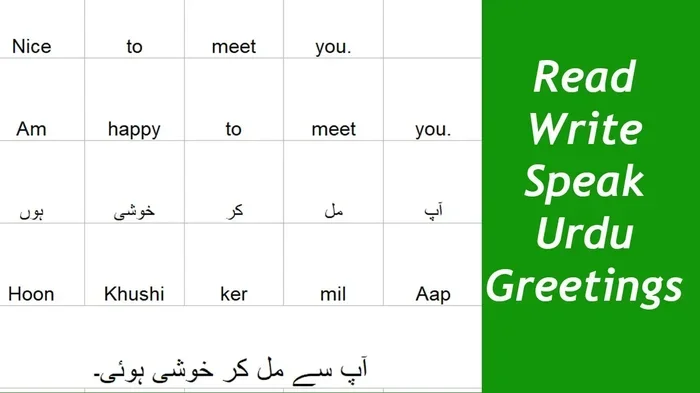

Learning how to say hello in Urdu is the first step to connecting with millions of speakers worldwide. This guide covers everything from the classic As-salamu alaykum to casual phrases you can use every day. You will learn formal and informal greetings, cultural context, and tips to sound natural and confident.
Have you ever wanted to greet someone in Urdu but didn’t know where to start? Maybe you are planning a trip to Pakistan or India. Perhaps you have Urdu-speaking friends or colleagues. Whatever your reason is, learning how to say hello in Urdu is a wonderful first step.
The Urdu language is rich, warm, and full of expressions that carry deep cultural meaning. A simple greeting in Urdu can do more than just say hi. It can show respect, build trust, and even spark a lasting friendship. In this guide, we will walk you through everything you need to know about Urdu greetings. You will learn the most common phrases, when to use them, and how to sound natural from day one.
Whether you are a complete beginner or someone who already knows a little Urdu, this article has something for you. We will keep things simple, practical, and fun. No confusing grammar rules. No overwhelming lists. Just clear, easy-to-follow guidance that helps you speak with confidence.
Key Takeaways
- As-salamu alaykum is the most common and respected way to say hello in Urdu.
- Urdu greetings change based on formality, time of day, and who you are speaking to.
- Using greetings in their original cultural context shows respect and builds trust.
- Practicing pronunciation and tone matters just as much as knowing the right words.
- Common mistakes like using casual greetings in formal settings can cause awkward moments.
- Learning just a few Urdu phrases opens doors to deeper cultural connections.
📑 Table of Contents
Why Learning Urdu Greetings Matters
Greetings are more than just words. They are a gateway to any culture. When you greet someone in their language, you show effort. You show that you care. And in many cultures, that small gesture means a lot.
In Urdu-speaking communities, greetings hold special importance. They reflect values like respect, hospitality, and warmth. The way you greet someone can set the tone for the entire conversation. A proper greeting can make someone feel valued. A careless one might come across as rude, even if you did not mean it that way.
Think about how you feel when someone greets you in your own language. It creates an instant connection. The same thing happens when you greet an Urdu speaker in their language. It breaks down barriers. It opens doors. And it shows that you are willing to step outside your comfort zone.
For travelers, learning Urdu hello phrases is especially useful. Pakistan is a beautiful country with incredibly hospitable people. When you greet them in Urdu, you instantly become more than just a tourist. You become a guest they want to welcome.
The Cultural Weight of Greetings in Urdu
In many parts of South Asia, greeting someone properly is considered a sign of good manners. Children are taught from a young age to greet elders with respect. The phrase As-salamu alaykum, which means “peace be upon you,” is deeply rooted in Islamic tradition and Urdu culture. When you use this phrase, you are not just saying hello. You are honoring a tradition that has been passed down for centuries.
Using greetings in their original cultural context helps you understand why they matter so much. Words carry history, faith, and community. When you speak them with awareness, your words have so much more power.
The Most Common Way to Say Hello in Urdu
If you only learn one Urdu greeting, let it be this: As-salamu alaykum. This is the most widely used and universally respected way to say hello in Urdu. You will hear it in homes, markets, offices, and on the streets. People of all ages use it. It works in every situation, from meeting a stranger to greeting a close friend.
The response to As-salamu alaykum is Wa alaykum as-salam, which means “and peace be upon you too.” This simple exchange is beautiful and meaningful. It shows mutual respect and goodwill. Once you learn this pair, you have the foundation of Urdu greetings.
Breaking Down As-salamu alaykum
Let us look at this phrase more closely. “As-salam” means peace. “Alaykum” means upon you. Together, the phrase is a prayer for peace and blessings. It is not just a casual hello. It is a heartfelt wish for the other person’s well-being.
Here is how you can use it in real life:
- Walking into a shop, you say As-salamu alaykum. The shopkeeper smiles and responds with Wa alaykum as-salam.
- Meeting a neighbor, you greet them with As-salamu alaykum. They return the greeting warmly.
- Starting a meeting with an Urdu-speaking colleague, a simple As-salamu alaykum sets a respectful tone.
The beauty of this greeting is its simplicity. You do not need to be fluent in Urdu to use it. Even a sincere attempt is greatly appreciated by native speakers.
Other Common Hello Variations
While As-salamu alaykum is the gold standard, there are other ways to say hello in Urdu that you should know:
- Hi or Hello – Many Urdu speakers, especially younger ones, use these English greetings in daily conversation.
- Assalam-o-Alaikum – A slightly different spelling of the same phrase, still widely used and understood.
- Kay haal hai? – This means “How are you?” and is often used as a casual greeting among friends.
- Kya haal hai? – Another informal way to ask “How are you?” commonly used in casual settings.
Each of these phrases serves a different purpose. The first two are more formal and respectful. The last two are friendly and relaxed. Knowing when to use each one is key to sounding natural.
Formal vs Informal Urdu Greetings
One of the most important things to understand about Urdu greetings is that they change based on the situation. Just like in English, you would not greet your boss the same way you greet your best friend. Urdu has clear distinctions between formal and informal language.
Using the wrong level of formality can feel awkward. It might make the other person uncomfortable. So let us break this down clearly.
Formal Greetings
Formal greetings are used when you meet someone for the first time, speak with an elder, or are in a professional setting. These greetings show respect and politeness.
The most common formal greeting is As-salamu alaykum. You can also add Aap kaise hain? which means “How are you?” The word “Aap” is the formal way to say “you” in Urdu. Using “Aap” instead of the informal “tum” shows that you respect the other person.
Here are some formal greetings you can practice:
- As-salamu alaykum – Peace be upon you.
- Aap kaise hain? – How are you? (formal)
- Aap ka naam kya hai? – What is your name? (formal)
- Khush amaeed – Welcome.
Informal Greetings
Informal greetings are for friends, family, and people your age or younger. These are relaxed, warm, and full of energy.
The most common informal greeting is simply Hi or Hello. But if you want to sound more natural, try these:
- Hi, kya haal hai? – Hi, how are you?
- Hello, kya chal raha hai? – Hey, what is going on?
- Salaam! – A short, friendly version of the formal greeting.
- Kya news hai? – What is the news? (a very casual way to say hello)
Notice how informal greetings are shorter and more conversational. They are meant to feel easy and friendly. You will hear young Urdu speakers use these all the time.
Quick Comparison Table
| Greeting | Level | When to Use |
|---|---|---|
| As-salamu alaykum | Formal | Meeting elders, strangers, or in professional settings |
| Aap kaise hain? | Formal | Asking someone how they are in a respectful way |
| Hi / Hello | Informal | Casual conversations with friends or peers |
| Kya haal hai? | Informal | Friendly check-ins with people you know well |
| Salaam! | Casual | A quick, warm greeting among friends |
Keep this table in mind as you practice. It will help you choose the right greeting for the right moment. Over time, picking the appropriate level of formality will become second nature.
Urdu Hello Phrases for Different Situations
Urdu greetings are not one-size-fits-all. Different situations call for different words. Let us explore how to greet people in various everyday scenarios.
Greeting Someone in the Morning
In Urdu, you can say Subah khair to wish someone a good morning. This is a warm and polite way to start the day. You might also hear Subah bohat achi hai, which means “Good morning, it is a beautiful morning.”
If you want to keep it simple, a cheerful Good morning! works perfectly well in modern Urdu conversations. Many Urdu speakers mix English and Urdu naturally, especially in cities.
Greeting Someone in the Evening
For evening greetings, Shab khair is the standard phrase. It means “Good evening.” You can also use Sham ko acha milta hai, which is a more conversational way of saying “Nice to see you this evening.”
These time-specific greetings show that you pay attention to details. Urdu speakers really appreciate when someone makes the effort to use the right greeting for the right time of day.
Greeting a Group of People
If you are greeting a group, you can say Aap sab kaise hain? which means “How are you all?” This is polite and inclusive. It shows that you care about everyone in the group, not just one person.
Another option is Salaam, aap sab – a simple and respectful way to greet multiple people at once.
Tips to Sound Like a Native Speaker
Knowing the right words is only half the battle. To truly sound like a native speaker, you need to focus on pronunciation, tone, and cultural awareness. Here are some practical tips that will help you improve quickly.
Practice the Sounds
Urdu has some sounds that do not exist in English. The “kh” sound in As-salamu alaykum is one example. It is a soft, breathy sound that takes practice. Listen to native speakers and try to mimic them. YouTube and language apps are great resources for this.
Do not worry about sounding perfect right away. Even a basic attempt is appreciated. Most Urdu speakers are very patient and encouraging when they hear someone trying to speak their language.
Pay Attention to Tone
Tone matters a lot in Urdu. The same word can sound warm or cold depending on how you say it. When greeting someone, use a friendly and upbeat tone. Smile. Make eye contact. These small gestures go a long way in building rapport.
Think about how you greet people in your own language. You probably do not just say the words robotically. You add warmth and energy. The same principle applies in Urdu.
Mix Urdu and English Naturally
Code-switching between Urdu and English is very common in Pakistan and among Urdu-speaking communities worldwide. You can say something like “Hi, assalamu alaykum, kaise ho?” and it will sound perfectly natural. This blend of languages is called “Roman Urdu” in written form and is widely used in texts and social media.
Do not be afraid to mix languages. It shows that you are comfortable with the culture and not afraid to be flexible. Native speakers often appreciate this approach.
Listen and Imitate
One of the fastest ways to improve your greetings is to listen to native speakers. Watch Pakistani dramas, listen to Urdu music, or find conversation videos online. Pay attention to how people greet each other in different settings. Then try to imitate what you hear.
Repetition is your best friend. The more you practice, the more natural it will feel. Within a few weeks, you will notice that your greetings sound more confident and fluid.
Common Mistakes When Greeting in Urdu
Even the most enthusiastic learners make mistakes. The good news is that most of these mistakes are easy to avoid. Here are some common pitfalls and how to steer clear of them.
Using Informal Greetings in Formal Settings
This is the most common mistake. Saying Kya haal hai? to a professor or an elder can come across as too casual. Always default to formal greetings when you are unsure of the situation. You can always become more relaxed once you sense the other person is comfortable.
Mispronouncing Key Words
Mispronouncing As-salamu alaykum can change the meaning or sound disrespectful. Take your time. Break the phrase into smaller parts and practice each one slowly. Once you feel confident, speed up gradually.
Ignoring the Response
When someone greets you with As-salamu alaykum, always respond with Wa alaykum as-salam. Ignoring the greeting or just saying “hello” back in English can feel dismissive. The exchange is a two-way street, and completing it shows that you understand and respect the tradition.
Overcomplicating Things
You do not need to memorize dozens of greetings to make a good impression. Start with the basics. Master As-salamu alaykum and a few informal phrases. Build from there gradually. Simplicity is your ally.
Remember, the goal is connection, not perfection. Every time you greet someone in Urdu, you are taking a step closer to understanding their culture and building a meaningful relationship.
Key Takeaways
- As-salamu alaykum is the most common and respected way to say hello in Urdu.
- Urdu greetings change based on formality, time of day, and who you are speaking to.
- Using greetings in their original cultural context shows respect and builds trust.
- Practicing pronunciation and tone matters just as much as knowing the right words.
- Common mistakes like using casual greetings in formal settings can cause awkward moments.
- Learning just a few Urdu phrases opens doors to deeper cultural connections.
Conclusion
Learning how to say hello in Urdu is more than just memorizing a few words. It is about opening a door to a rich and vibrant culture. Every greeting you learn brings you closer to the people who speak this beautiful language. From the formal As-salamu alaykum to the casual Kya haal hai?, each phrase carries its own warmth and meaning.
The key is to practice consistently and with genuine interest. Do not worry about being perfect. Focus on being respectful and present. When you greet someone in Urdu, you are telling them, “I see you. I respect you. I am here to connect.”
So start today. Pick one greeting and practice it. Say it out loud. Say it with a smile. Share it with a friend or a colleague who speaks Urdu. You will be amazed at how far a simple hello can take you. How to say hello in Urdu is just the beginning of a journey that can lead to wonderful friendships, deeper understanding, and a whole new way of seeing the world.
Frequently Asked Questions
What is the easiest way to say hello in Urdu for beginners?
The easiest way is to say As-salamu alaykum. It is simple, widely understood, and appropriate in almost any situation. Even if you only learn this one phrase, it will make a great impression on Urdu speakers.
Is it okay to just say “Hi” or “Hello” in Urdu conversations?
Absolutely. Many Urdu speakers, especially younger ones, use English greetings like “Hi” and “Hello” in daily life. These are perfectly acceptable in casual and informal settings. However, learning the traditional Urdu greetings adds a special touch of respect.
How do you respond when someone says As-salamu alaykum to you?
The standard response is Wa alaykum as-salam, which means “And peace be upon you too.” This is the polite and expected reply. It completes the greeting exchange and shows that you understand the tradition.
Can I use Urdu greetings even if I am not Muslim?
Yes, you can. As-salamu alaykum is used by Urdu speakers of all backgrounds. It is a cultural greeting as much as a religious one. Using it with sincerity and respect is always appreciated, regardless of your faith.
What is the difference between “tum” and “aap” in Urdu greetings?
“Tum” is the informal way to say “you,” while “Aap” is the formal and respectful version. When greeting someone older or in a professional setting, always use “Aap.” With close friends and people your age, “tum” is perfectly fine.
How long does it take to learn basic Urdu greetings?
You can learn the basic greetings in just a few hours of practice. Most people can memorize and comfortably use As-salamu alaykum, Wa alaykum as-salam, and a few informal phrases within a single day. Consistent practice and real-life use will help you retain them long-term.



