
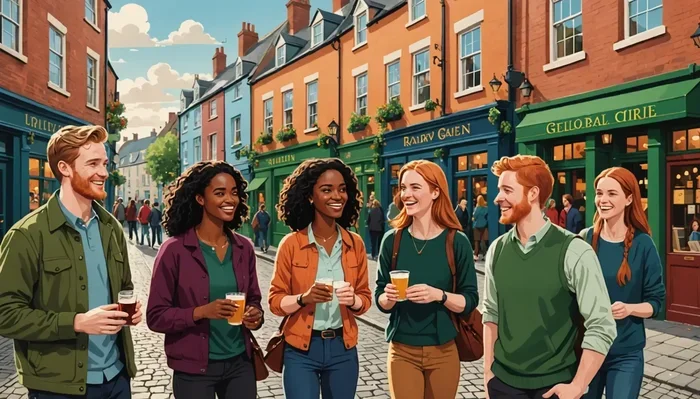

Learning how to say hello in Ireland goes far beyond a simple “hello.” The Emerald Isle has a rich tradition of greetings shaped by Irish language, regional dialects, and genuine hospitality. Whether you visit Dublin, Galway, or a tiny coastal village, knowing the right Irish greetings will help you connect with locals and experience Irish culture the way it is meant to be felt.
Have you ever walked into a pub in Dublin and felt completely lost when someone greeted you with a phrase you had never heard before? Or maybe you watched an Irish movie and wondered what on earth they were saying to each other? You are not alone. Learning how to say hello in Ireland is one of the best ways to break the ice and feel at home in this friendly country.
The truth is, Irish greetings are so much more than a quick “hi.” They carry history, warmth, and a sense of community. When you understand the in situ meaning behind these greetings, you start to see how deeply connected language and culture really are in Ireland. This guide will walk you through everything you need to know, from the most common hellos to regional slang that will make you sound like a true local.
Whether you are planning a trip to the Emerald Isle or just curious about Irish culture, mastering these greetings will open doors. People in Ireland are known for their hospitality, and the way you greet someone sets the tone for every interaction. Let us dive in and explore the wonderful world of Irish hellos.
Key Takeaways
- Irish greetings vary by region: Each part of Ireland has its own unique way of saying hello.
- The Irish language matters: Phrases like “Dia dhuit” are still used daily across the country.
- Casual slang is everywhere: Irish people love informal and friendly verbal greetings.
- Body language counts: A warm smile and eye contact are just as important as the words.
- Practice makes perfect: Using local greetings shows respect and earns instant goodwill.
- Understanding in situ meaning helps: Greetings make the most sense when used in their original cultural context.
📑 Table of Contents
Why Irish Greetings Matter
Irish greetings are more than just words. They reflect a deep sense of community, respect, and belonging. When you greet someone the Irish way, you are showing that you care about the connection, not just the conversation.
The Irish language, known as Gaeilge, plays a big role in daily life. Even though English is spoken widely, Irish greetings still appear on street signs, in schools, and in everyday chat. Understanding Irish greetings gives you a window into the heart of the culture.
People in Ireland value sincerity. A greeting that feels forced or robotic will not land well. But a warm, genuine hello? That will get you a smile and maybe even a chat about the weather. Yes, the weather really is that big a deal in Ireland.
The Cultural Importance of Greeting Someone
In Ireland, greeting someone is a social ritual. It is not just about saying hello. It is about acknowledging the other person and showing respect. This is something that becomes very clear when you look at the in situ meaning of Irish greetings in their natural setting. The words are only part of the equation. The tone, the smile, and the eye contact all carry weight.
Here are a few reasons why Irish greetings carry so much significance:
- Community bonding: Greetings reinforce the sense of togetherness that is central to Irish life.
- Respect for tradition: Using Irish phrases shows appreciation for the country’s heritage.
- Breaking barriers: A friendly hello can turn a stranger into a friend in seconds.
- Setting the tone: The way you greet someone shapes the entire conversation that follows.
The Most Common Irish Hellos
Now let us get to the good stuff. Here are the most common ways to say hello in Ireland. You will hear these everywhere, from busy city streets to quiet countryside lanes.
Dia Dhuit and Its Variations
The most classic Irish greeting is “Dia dhuit,” which is pronounced “jee-ah gwitch.” It means “God be with you” and is used in both Irish and English-speaking settings. When someone says “Dia dhuit” to you, the traditional response is “Dia is muire duit,” meaning “God and Mary be with you.”
This greeting is still very much alive. You will hear it in Gaeltacht areas, at cultural events, and even in casual conversations. It is a beautiful way to start any interaction and shows a deep respect for the Irish language.
Hello, Hi, and Hey
Of course, the standard English greetings are used every day. “Hello,” “hi,” and “hey” are all perfectly acceptable in Ireland. But the way Irish people say them is what sets them apart. The tone is often warm, drawn out, and full of personality.
Irish people tend to stretch their vowels a bit. So “hello” might sound like “heh-low” and “hi” might become a cheerful “hey.” This casual delivery is part of what makes Irish greetings feel so inviting and genuine.
Cead Mile Failte
If you ever want to impress an Irish person, try saying “Cead mile failte.” This phrase means “a hundred thousand welcomes” and is a classic Irish expression of hospitality. It is often used when greeting guests or visitors.
You might hear this at weddings, pub doors, or when meeting someone for the first time. It is a wonderful way to show that you are embracing Irish culture, and locals will truly appreciate the effort.
Regional Irish Greetings You Should Know
Ireland is a small country, but its dialects vary significantly from region to region. Each area has its own flavor when it comes to greetings. Understanding these differences will help you adapt and connect with people no matter where you travel.
Dublin Slang and Urban Greetings
Dublin is the capital and the most cosmopolitan city in Ireland. The way people say hello in Dublin is often fast, casual, and a little cheeky. Common greetings include “What’s the craic?” which means “What’s the news?” or “How are you doing?”
Dubliners also love short, punchy greetings. A simple “Hey” or “Howya” is completely normal. The pace is quicker, and the slang is more modern. Understanding Dublin slang will help you navigate the city with ease and confidence.
Rural and Coastal Greetings
In rural Ireland and along the coast, greetings tend to be slower and more deliberate. People take the time to chat, ask about your family, and share a bit of local news. A simple “Hello” might turn into a five-minute conversation about the sheep in the field or the rain outside.
In coastal towns like Galway and Kerry, you will also hear more Irish language greetings. The connection to the language is stronger in these areas, and using even a basic Irish greeting will be warmly received.
Understanding Greetings in Situ
When you travel across Ireland, you will notice that the same greeting can feel very different depending on where you are. The in situ meaning of a greeting shifts based on the setting, the people, and the region. A hello in a bustling Dublin pub carries a different energy than a hello at a quiet B&B in County Clare.
This is what makes Irish greetings so rich and interesting. They are not just words on a page. They are living expressions of culture, place, and personality.
Irish Slang and Casual Greetings
Irish people are famous for their slang, and greetings are no exception. If you want to sound like a local, incorporating some casual Irish expressions into your hellos is a great place to start.
Popular Casual Greetings
Here are some informal Irish greetings you will hear all the time:
- What’s the story? – A friendly way of asking “What’s going on?”
- How’s it going? – Simple and universally used.
- Any craic? – “Any fun or news?” Very common in casual settings.
- Grand, yourself? – A classic Irish response and greeting combined.
- How are you keeping? – A warm and traditional way to check in.
The Role of Irish Slang in Daily Life
Slang is woven into the fabric of Irish communication. It is how people express friendliness, humor, and familiarity. Using Irish slang in your greetings shows that you are not just a tourist passing through. You are someone who wants to be part of the conversation.
Just be careful not to overdo it. Irish people can tell when someone is trying too hard. Keep it natural and let the slang come to you organically. The best way to learn is by listening and picking up phrases as you go.
Tips to Sound Like a Local When Greeting People
So you have learned the phrases. Now how do you actually use them without sounding awkward? Here are some practical tips to help you greet like a true Irish local.
Match the Energy of the Room
Irish greetings are all about energy. In a lively pub, keep it upbeat and casual. In a quiet café, be warm and relaxed. Pay attention to how locals greet each other and mirror that energy. This simple trick will make you blend in faster than you think.
Practice Your Pronunciation
Irish words can be tricky to pronounce, especially the ones with silent letters and unusual combinations. Take the time to practice “Dia dhuit” and “Cead mile failte” before your trip. Even a basic effort will be appreciated by locals and will make the interaction feel more authentic.
Use Body Language
Irish greetings are not just verbal. A firm handshake, a warm smile, and steady eye contact all play a role. In casual settings, a nod or a friendly wave works just as well. The key is to be genuine and open.
Do Not Be Afraid to Chat
In Ireland, a greeting often leads to a conversation. Do not be surprised if someone asks you how your day is going after a simple hello. Embrace it. Ask them about their day too. This back-and-forth is the heart of Irish social culture.
Common Mistakes When Saying Hello in Ireland
Even the most well-meaning travelers can stumble when greeting people in Ireland. Here are some common mistakes to avoid so you can make a great first impression.
Being Too Formal
Irish people are generally casual and friendly. Overly formal greetings can feel stiff and awkward. Skip the “good sir” or “madam” and go for a warm, relaxed hello instead. The Irish appreciate simplicity and sincerity over formality.
Ignoring the Local Dialect
Every region has its own way of speaking. If you use Dublin slang in a rural Connemara village, it might feel out of place. Try to adapt to the local style. Listen to how people around you greet each other and follow their lead.
Overusing Irish Phrases
It is great to use Irish greetings, but do not overdo it. Dropping “Dia dhuit” into every sentence will feel forced and unnatural. Use it where it fits, and let the rest of your greetings be in English or casual slang.
Forgetting the Follow-Up
In Ireland, a greeting is rarely a one-time thing. After saying hello, there is usually a follow-up question like “How are you?” or “What’s the craic?” Be prepared to engage in a brief exchange. It is all part of the greeting ritual.
Misunderstanding the In Situ Context
Finally, remember that the in situ meaning of Irish greetings is deeply tied to the setting and the people. A phrase that works perfectly in a Galway pub might not land the same way in a business meeting in Cork. Always consider the context before you greet someone.
Key Takeaways
- Irish greetings go beyond “hello”: They reflect culture, history, and genuine hospitality.
- Learn key phrases like “Dia dhuit” and “Cead mile failte”: These will earn you respect and warmth from locals.
- Regional differences matter: Dublin slang differs from rural and coastal greetings, so adapt accordingly.
- Casual and friendly is the way to go: Irish people prefer relaxed, sincere greetings over formal ones.
- Body language is part of the greeting: Smile, make eye contact, and be open to conversation.
- Avoid common mistakes: Do not be too formal, ignore local dialects, or overuse Irish phrases.
- Understanding the in situ meaning of greetings helps you connect: Use greetings in their natural cultural context for the best results.
Conclusion
Learning how to say hello in Ireland is about so much more than words. It is about stepping into a culture that values connection, warmth, and genuine interaction. Every greeting you learn brings you closer to understanding what makes Ireland so special.
From the classic “Dia dhuit” to the casual “What’s the craic?” each greeting tells a story. It tells the story of a people who take pride in their heritage, their language, and their ability to make strangers feel like family.
So the next time you find yourself on Irish soil, put these greetings into practice. Say hello with confidence, smile with sincerity, and let the conversation flow. You will be amazed at how a simple hello can transform your experience in this beautiful country.
Embrace the Irish way of greeting, and you will not just sound like a local. You will feel like one too.
Frequently Asked Questions
What is the most common way to say hello in Ireland?
The most common greeting in Ireland is a simple “hello” or “hi” in English. However, the traditional Irish greeting “Dia dhuit” is still widely used, especially in Irish-speaking areas and cultural settings. Both are perfectly acceptable and will be warmly received.
Do Irish people still speak Irish when greeting each other?
Yes, many Irish people still use Irish phrases like “Dia dhuit” in their daily greetings. While English is the dominant language, Irish greetings remain an important part of the culture, especially in Gaeltacht regions and during cultural events.
What does “craic” mean in Irish greetings?
“Craic” is a popular Irish slang word that means fun, entertainment, or news. When someone asks “What’s the craic?” they are essentially saying “What’s the news?” or “How are you doing?” It is a casual and friendly way to greet someone.
Is it rude to use English greetings in Ireland?
Not at all. English is the primary language spoken across most of Ireland, and standard English greetings are perfectly fine. However, learning a few Irish phrases shows respect for the culture and is always appreciated by locals.
How do regional dialects affect Irish greetings?
Regional dialects influence the tone, speed, and slang used in greetings. Dublin greetings tend to be fast and casual, while rural and coastal greetings are slower and more deliberate. Understanding these differences helps you adapt and connect with people from different parts of Ireland.
What is the best way to practice Irish greetings before visiting?
The best way to practice is by listening to Irish conversations, watching Irish films, and repeating common phrases out loud. You can also practice with language apps or by chatting with Irish people online. The more you expose yourself to the natural flow of Irish greetings, the more confident you will become.
=== CONCLUSION ===
Mastering how to say hello in Ireland is a small effort that pays off big time. From traditional Irish phrases to casual slang, each greeting carries a piece of the country’s rich culture. Use these tips, practice the phrases, and you will find yourself chatting with the locals like a true Irish friend in no time.



