
Learning how to say hello in binary code is easier than you think. Binary code uses just two digits — 0 and 1 — to represent every letter, number, and symbol. This guide walks you through the simple process of converting “hello” into binary, explains how computers use this language, and gives you practical tips to try it yourself.
Have you ever wondered how computers talk to each other? The answer is simpler than you might think. At the most basic level, every computer on the planet speaks a language made of just two characters: 0 and 1. This is binary code, and it is the backbone of all digital communication.
Today, we are going to explore something really fun. We are going to learn how to say hello in binary code. Whether you are a curious beginner, a student diving into computer science, or just someone who loves cool tech facts, this guide is for you. By the end, you will know exactly how to convert “hello” into a string of ones and zeros. You will also understand why this matters in the digital world we live in every day.
The beauty of binary language is that it is surprisingly simple. There are no fancy rules or complicated formulas. Just two digits doing incredible things. Let us dive in and see how it all works.
Key Takeaways
- Binary code is the foundation of all digital communication: Every device you use relies on ones and zeros to function.
- Converting text to binary is straightforward: You just need to know the ASCII values for each character.
- Saying hello in binary is a fun entry point: It helps beginners understand how computers encode and store information.
- The in situ meaning of each binary sequence matters: The same bit string can represent different things depending on context and the in situ meaning assigned to it.
- You can practice with free online tools: Several websites let you convert text to binary instantly.
- Binary language connects to bigger computing concepts: Understanding it opens the door to learning about data representation and computer science.
📑 Table of Contents
- What Is Binary Code and Why Does It Matter?
- How Computers Turn Text Into Binary
- How to Say Hello in Binary Code Step by Step
- Why Learning Binary Is a Great Skill
- Common Mistakes Beginners Make with Binary Code
- Tools and Resources to Practice Binary Code
- The Bigger Picture: Binary Code in Everyday Technology
- Final Thoughts
What Is Binary Code and Why Does It Matter?
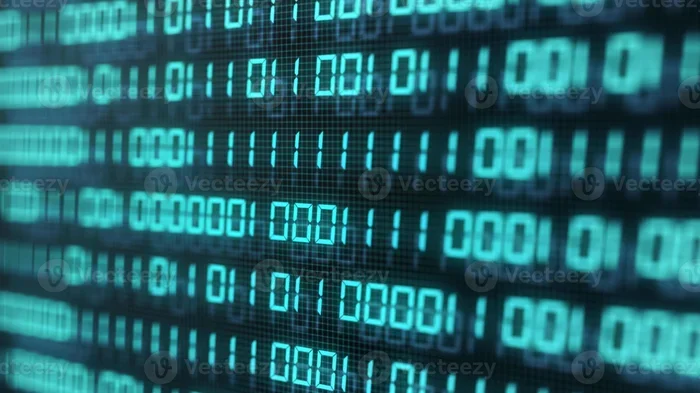
Binary code is a system of representing information using only two symbols: 0 and 1. These two digits are called binary digits, or bits for short. Every single piece of data on your computer, phone, or tablet is stored and processed using combinations of these tiny bits.
Think of it like a light switch. It can be either off (0) or on (1). Now imagine millions of these switches working together. That is essentially how your computer reads, writes, and displays everything you see on screen. From text and images to videos and music, it all comes down to ones and zeros.
The History of Binary in Computing
The use of binary in computing dates back to the 1940s. Early computer engineers realized that electrical circuits work perfectly with two states: current flowing or not flowing. This simple idea became the foundation of modern computing basics. Today, every machine code instruction your processor executes is built from binary sequences.
Understanding binary is not just for engineers. It is a great way for anyone to appreciate how the digital world actually works beneath the surface. When you learn how to say hello in binary code, you are taking your first step into a fascinating world of data representation.
How Computers Turn Text Into Binary
So how does a computer know that the letter “H” means “H”? The secret lies in something called ASCII code. ASCII stands for American Standard Code for Information Interchange. It is a standard that assigns a unique number to every letter, digit, and symbol on your keyboard.
Each ASCII number is then converted into a binary sequence. For example, the uppercase letter “H” has an ASCII value of 72. In binary, 72 is written as 01001000. That is an eight-bit sequence, also known as a byte. Every character gets its own byte in standard ASCII encoding.
The Role of In Situ Meaning in Binary Encoding
Here is something interesting. The in situ meaning of a binary sequence depends entirely on the system interpreting it. The same string of bits, 01001000, represents the letter “H” in ASCII. But in a different encoding system, those exact same bits could mean something completely different. This is why understanding in situ meaning is so important when working with binary translation.
When you learn how to say hello in binary code, you are really learning how context gives meaning to raw data. Each bit string carries an in situ meaning that only makes sense within the right system. This concept is at the heart of encoding text and digital communication.
How to Say Hello in Binary Code Step by Step
Now for the fun part. Let us walk through the exact process of converting “hello” into binary. We will do this letter by letter. Grab a pen and paper if you want to follow along.
Step 1: Write Down Each Letter
Start by spelling out your word. For “hello,” we have five letters:
- h
- e
- l
- l
- o
Step 2: Find the ASCII Value for Each Letter
Now look up the ASCII value for each letter. Here is a quick reference:
- h = 104
- e = 101
- l = 108
- l = 108
- o = 111
Step 3: Convert Each ASCII Value to Binary
This is where the magic happens. Convert each decimal number into an eight-bit binary sequence:
- h (104) = 01101000
- e (101) = 01100101
- l (108) = 01101100
- l (108) = 01101100
- o (111) = 01101111
Step 4: Put It All Together
Now string all the binary sequences together with spaces between them:
01101000 01100101 01101100 01101100 01101111
Congratulations! You just said “hello” in binary code. That is it. Five letters, ten lines of simple math, and you have a working binary conversion that any computer can read.
Quick Reference Table
| Letter | ASCII Value | Binary (8-bit) |
|---|---|---|
| h | 104 | 01101000 |
| e | 101 | 01100101 |
| l | 108 | 01101100 |
| o | 111 | 01101111 |
Why Learning Binary Is a Great Skill
You might be thinking, “Why do I need to know this?” That is a fair question. But there are actually several great reasons to understand binary code, even at a basic level.
It Builds a Strong Foundation in Computer Science
Everything in computing starts with binary. From data representation to how processors execute instructions, binary is everywhere. When you understand how computers encode text, you gain a deeper appreciation for the technology you use daily. It also makes learning programming languages much easier down the road.
It Makes You More Digitally Literate
We live in a world where digital communication is essential. Knowing how computers store and transmit information gives you a real edge. Whether you are troubleshooting a problem or just curious about how things work, binary language knowledge is incredibly useful.
It Is a Fun Party Trick
Let us be honest. Being able to tell your friends “hello” in binary is just plain cool. It is a great conversation starter and a fun way to share your interest in technology. Try sending a binary message to a friend and watch their reaction.
Common Mistakes Beginners Make with Binary Code
As you start practicing binary conversion, you will likely run into a few common pitfalls. Here are some mistakes to watch out for.
- Forgetting leading zeros: Every character needs a full eight-bit sequence. If you drop a leading zero, your conversion will be wrong.
- Confusing binary and hexadecimal: Hexadecimal (base 16) is another way to represent binary data, but it is not the same thing. Keep them straight.
- Ignoring case sensitivity: Uppercase and lowercase letters have different ASCII values. “H” and “h” produce different binary sequences.
- Assuming binary has a single meaning: As we discussed earlier, the in situ meaning of a binary sequence changes depending on the encoding system. Always consider the context.
Avoiding these mistakes will save you a lot of frustration and help you build confidence as you learn.
Tools and Resources to Practice Binary Code
You do not have to do all the conversions by hand. There are plenty of great tools that make practicing binary code easy and fun.
Online Binary Converters
Several free websites let you type in any text and instantly see the binary translation. These tools are perfect for checking your work or converting longer messages. Just search for “text to binary converter” and you will find many options.
Mobile Apps for Learning Binary
If you prefer learning on the go, there are apps designed to teach binary numbers and binary digits through interactive exercises. These apps often include quizzes and games that make the learning process enjoyable.
Try It Yourself: A Simple Challenge
Here is a quick challenge for you. Try converting your own name into binary code. Use the ASCII table to find each letter’s value, then convert to binary. You can verify your answer with an online converter. This hands-on practice is one of the best ways to solidify your understanding of binary language.
Once you get the hang of it, try converting short phrases. “Hello world” is a classic starting point in computer science, and for good reason. It is a simple yet meaningful way to see how binary conversion works with real text.
The Bigger Picture: Binary Code in Everyday Technology
Now that you know how to say hello in binary code, let us zoom out and look at the bigger picture. Binary code is not just a neat trick. It is the language that powers virtually every piece of technology we rely on.
When you send a text message, your phone converts your words into binary data before transmitting them. When you stream a video, the video file is encoded in binary. When you browse a website, your browser sends and receives binary signals. The digital world runs on ones and zeros.
Understanding this gives you a new perspective on technology. It also connects to broader topics like data representation, machine code, and digital communication. The more you learn about binary, the more you start to see how deeply it is woven into every aspect of modern life.
And remember, the in situ meaning of any binary sequence is always tied to the system interpreting it. This principle applies across all areas of computing, from simple text encoding to complex data compression algorithms. When you explore the in situ meaning behind binary patterns, you start to think like a computer scientist.
Final Thoughts
Learning how to say hello in binary code is a fantastic way to dip your toes into the world of computing. It is simple, fun, and surprisingly rewarding. You now know how to convert text into binary numbers, understand the role of ASCII code, and appreciate why binary language is so fundamental to technology.
The next time someone asks you about binary code, you can confidently explain how it works. You can even write out “hello” in binary and impress everyone around you. Keep practicing, keep exploring, and remember that every expert was once a beginner just like you.
The world of digital communication is vast and exciting. And it all starts with two simple digits: 0 and 1. So go ahead, give it a try, and see where your curiosity takes you.
Frequently Asked Questions
What is binary code in simple terms?
Binary code is a way of representing information using only two symbols: 0 and 1. Computers use this system because electronic circuits have two states — on and off. Every piece of data, from text to images, is stored and processed using combinations of these two digits.
How do you convert text to binary?
To convert text to binary, you first find the ASCII value for each character. Then you convert each decimal ASCII value into an eight-bit binary sequence. Finally, you put all the binary sequences together to form the complete binary message.
Why is binary code important?
Binary code is the foundation of all digital technology. It is how computers store, process, and transmit information. Without binary, modern computing, the internet, and digital communication as we know them would not exist.
Can you send a message in binary code?
Yes, you absolutely can. Any text can be converted into a binary sequence and sent as a message. You can use online converters to do this quickly. It is a fun way to share secret messages with friends who know how to decode them.
What does the in situ meaning of binary code mean?
The in situ meaning refers to the meaning a binary sequence carries within a specific context or encoding system. The same bit string can represent different characters or data depending on the system interpreting it. Understanding this concept is key to working with binary translation and encoding text.
Where can I practice converting text to binary?
There are many free online tools and mobile apps that let you practice binary conversion. You can also use ASCII tables to manually convert text. The best way to learn is to practice regularly and challenge yourself with different words and phrases.
=== CONCLUSION ===
How to say hello in binary code is a skill that opens the door to understanding the language of computers. We covered the basics of binary code, walked through a step-by-step conversion, and explored why this knowledge matters in our digital world. From ASCII encoding to binary translation, you now have a solid foundation to build on.
Remember, every complex technology starts with simple principles. The binary system is a perfect example of that. Two digits, endless possibilities. Keep practicing, keep exploring, and most importantly, have fun with it. The world of computer science is waiting for you, and it all begins with ones and zeros.