
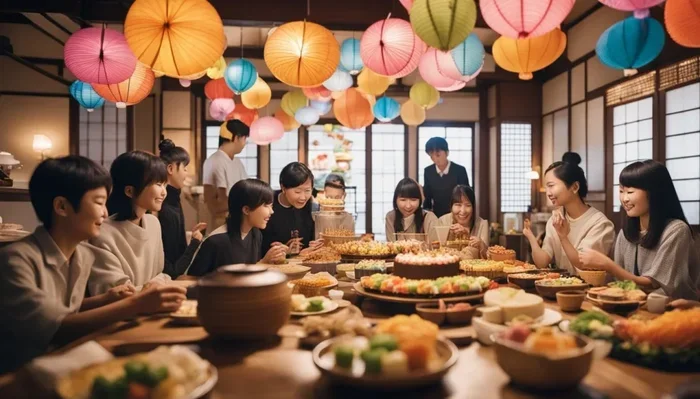

Saying happy birthday in japanese is easier than you think. The most common phrase is “Tanjoubi Omedetou” (誕生日おめでとう), and you can make it more formal with “Tanjoubi Omedetou Gozaimasu.” Whether you are writing a card, sending a message, or speaking in person, this guide covers every way to wish someone a happy birthday in japanese. You will also learn about Japanese birthday traditions, common mistakes, and fun cultural facts that make your greeting even more meaningful.
Key Takeaways
- Basic Phrase: “Tanjoubi Omedetou” is the standard way to say happy birthday in japanese.
- Formal Version: Add “Gozaimasu” for polite and respectful birthday wishes.
- Cultural Context: Understanding the meaning behind the words matters just as much as the phrase itself.
- Multiple Ways to Say It: There are casual, formal, and creative variations for different situations.
- Japanese Birthday Traditions: Birthdays in Japan have unique customs like sekihan and birthday cakes.
- Common Mistakes: Avoid mispronouncing words and mixing up formal and casual forms.
📑 Table of Contents
- How to Say Happy Birthday in Japanese the Right Way
- The Basic Happy Birthday in Japanese
- The Formal Way to Say Happy Birthday in Japanese
- Other Ways to Wish a Happy Birthday in Japanese
- Japanese Birthday Traditions and Customs
- Common Mistakes When Saying Happy Birthday in Japanese
- Quick Tips for a Perfect Birthday Wish in Japanese
- Why Learning Birthday Greetings in Japanese Matters
- Conclusion
How to Say Happy Birthday in Japanese the Right Way
Learning how to say happy birthday in japanese opens a door to a rich and thoughtful culture. Japanese people put a lot of care into their words, especially when celebrating someone special. Whether you are talking to a close friend or a business partner, the right phrase shows respect and warmth.
The Japanese language has different levels of politeness, and birthday greetings are no exception. A simple phrase can change meaning depending on who you are speaking to. In this guide, we will walk you through every way to say happy birthday in japanese, from casual chats to formal letters.
You will also discover how birthdays are celebrated in Japan and what cultural meaning sits behind the words. The context matters just as much as the phrase itself. Understanding the In Situ Meaning of these words helps you use them with confidence and authenticity.
By the end of this article, you will know exactly what to say, how to say it, and why it matters. Let us dive in and explore the beautiful world of birthday greetings in Japanese.
The Basic Happy Birthday in Japanese
The most common and widely used phrase is Tanjoubi Omedetou (誕生日おめでとう). This is what most people say in everyday life. It works for friends, family, and classmates. The phrase is simple, warm, and always appropriate for casual settings.
Let us break it down word by word:
- Tanjoubi (誕生日) means birthday. It is a combination of two words: “tanjou” (birth) and “bi” (day).
- Omedetou (おめでとう) means congratulations. It is a joyful word used for many celebrations.
When you put them together, you get a natural and friendly birthday wish. This is the go-to phrase for most situations. If you are ever unsure what to say, start with this one.
How to Pronounce Tanjoubi Omedetou
Pronunciation is key in Japanese. Each syllable is clear and crisp. Here is a simple breakdown:
- Tan-jou-bi – say each syllable separately and evenly.
- O-me-de-tou – the “o” at the start is soft. “Me” sounds like “meh.” “De” is quick. “Tou” sounds like “toe.”
Try saying it slowly a few times. The rhythm feels natural once you get the hang of it. Practice in front of a mirror or record yourself. You will sound great in no time.
The Formal Way to Say Happy Birthday in Japanese
In Japanese, politeness levels are very important. When you want to sound respectful, you should use the formal version of the greeting. This is especially true for elders, teachers, bosses, or anyone you do not know well.
The formal phrase is Tanjoubi Omedetou Gozaimasu (誕生日おめでとうございます). The only difference is the addition of “Gozaimasu” at the end. This small word changes the entire tone.
Here is how the two versions compare:
| Version | Phrase | When to Use |
|---|---|---|
| Casual | Tanjoubi Omedetou | Friends, family, peers |
| Formal | Tanjoubi Omedetou Gozaimasu | Elders, bosses, strangers, business |
Using the wrong level of politeness can feel awkward. If you are not sure, it is always better to be more formal. Japanese people appreciate politeness, and they will not mind if you sound a little too respectful.
When to Use Each Version
Think of it this way. Casual is for people you are close to. Formal is for people you want to show extra respect to. Here are some quick examples:
- Say “Tanjoubi Omedetou” to your best friend or sibling.
- Say “Tanjoubi Omedetou Gozaimasu” to your professor, manager, or older relative.
- Use the formal version in written messages, emails, or cards.
The context guides your choice. When in doubt, choose the formal version. It never hurts to be polite.
Other Ways to Wish a Happy Birthday in Japanese
Japanese offers several variations of birthday wishes. Each one fits a different tone or situation. Knowing a few extra phrases gives you flexibility and makes your greeting feel more personal.
Casual and Fun Variations
If you want to keep things light and fun, try these:
- Tanjoubi wo Iwau – This means “to celebrate a birthday.” It sounds natural and warm.
- Otanjoubi Omedetou – This is an affectionate version often used for children or close friends. The “O” at the start adds a cute and loving feel.
- Happii Bareedei – This is a phonetic adaptation of “Happy Birthday” in English. Young Japanese people use this a lot, especially in texts and social media.
Each of these phrases carries a slightly different vibe. “Otanjoubi Omedetou” feels tender and sweet. “Happii Bareedei” feels modern and playful. Choose the one that fits your relationship with the person.
Written Birthday Messages
Writing a birthday card or message in Japanese adds a special touch. Here are some short phrases you can include:
- Tanjoubi Omedetou! Yoroshiku Onegaishimasu. – Happy Birthday! Please take care of me this year.
- Tanjoubi wo Iwau Kimi no Shiawase wo Negaimasu. – I celebrate your birthday and wish you happiness.
- Saikou no Tanjoubi wo!. – Have the best birthday!
These phrases work well in cards, text messages, and social media posts. They show effort and thoughtfulness, which Japanese people truly value.
Japanese Birthday Traditions and Customs
Knowing the words is only half the story. Understanding how birthdays are celebrated in Japan makes your greeting even more meaningful. Birthdays in Japan blend modern customs with deep cultural roots.
In Japan, the sixth birthday is a big milestone called “Shichi-Go-San” for children aged three, five, and seven. However, the actual birthday celebration has its own traditions too. Many families share a special meal on the birthday. One popular dish is sekihan, which is red bean rice. It symbolizes good luck and celebration.
Birthday cakes are also very popular in modern Japan. Children often blow out candles and make a wish. Adults may celebrate with a small party or a dinner with friends. The Japanese birthday cake tradition was influenced by Western culture after World War II, and it has become a beloved part of the celebration.
Names in Japanese culture carry deep significance. The way people name their pets, for example, reflects cultural values and traditions. If you are interested in how names work in Japanese culture, you might enjoy exploring Japanese Cat Names or Japanese Fox Names to see how naming traditions reflect the culture.
The Role of Age in Japanese Birthday Culture
Age matters a lot in Japanese society. A person’s age determines how they are addressed and treated. On your birthday, you officially gain a year of age. This is taken seriously, especially during New Year celebrations when everyone ages together.
However, modern Japan has shifted. Many people now celebrate their actual birth date rather than aging collectively on New Year’s Day. Still, the cultural respect for age remains strong. This is another reason why using the formal birthday greeting with elders is so important.
Common Mistakes When Saying Happy Birthday in Japanese
Even with the best intentions, mistakes can happen. Here are the most common errors people make when wishing someone happy birthday in japanese:
- Using the wrong politeness level. Saying “Omedetou” to your boss can feel too casual. Always match the formality to the relationship.
- Mispronouncing “Tanjoubi.” This word has four syllables. Rushing through it makes it hard to understand. Take your time.
- Forgetting the “Go” in Gozaimasu. Some people say “Tanjoubi Omedetou Masu” instead of “Tanjoubi Omedetou Gozaimasu.” The “Go” prefix is essential for formal speech.
- Mixing English and Japanese awkwardly. Using “Happy Birthday” in English is fine among friends. But in formal or traditional settings, stick to the Japanese phrase.
These mistakes are easy to avoid with a little practice. The key is to stay mindful of context and audience. When you pay attention to these details, your greeting feels natural and respectful.
Quick Tips for a Perfect Birthday Wish in Japanese
Here are some practical tips to make your birthday greeting stand out:
- Practice the pronunciation daily. Say the phrase out loud at least five times a day until it feels natural.
- Match the formality to the person. Think about your relationship before you choose the phrase.
- Add a personal touch. Include the person’s name or a specific wish to make it feel extra special.
- Use a greeting card with Japanese text. This shows effort and adds a beautiful visual element.
- Pair the greeting with a small gift. In Japan, small gifts like sweets or flowers accompany birthday wishes nicely.
These simple tips go a long way. They show that you care about getting the greeting right. Japanese people notice and appreciate the effort.
Why Learning Birthday Greetings in Japanese Matters
Birthdays are a universal celebration, but every culture has its own way of marking the occasion. Learning how to say happy birthday in japanese is more than just a language exercise. It is a gesture of respect and connection.
When you greet someone in their language, you show that you value their culture. This small effort can strengthen friendships, build trust in business settings, and create memorable moments. Words carry weight, and in Japanese culture, the right words at the right time can mean a lot.
So whether you are planning a surprise for a Japanese friend, writing a message to a colleague, or simply expanding your language skills, these birthday phrases will serve you well. Practice them, use them with confidence, and watch the smiles they bring.
The beauty of language lies in its ability to connect people across cultures. A simple “Tanjoubi Omedetou” can bridge worlds and warm hearts. That is the true power of saying happy birthday in japanese the right way.
Conclusion
Saying happy birthday in japanese is a wonderful way to connect with others and show cultural respect. You have learned the basic phrase “Tanjoubi Omedetou,” the formal version “Tanjoubi Omedetou Gozaimasu,” and several fun variations for different situations. You also explored Japanese birthday traditions, common mistakes, and quick tips to make your greeting perfect.
The key is to match your phrase to the person and the setting. Use casual greetings for close friends and formal ones for respected elders or professional contacts. Practice the pronunciation, add a personal touch, and your birthday wish will feel genuine and heartfelt.
Language is a bridge between hearts. Every time you say “Tanjoubi Omedetou,” you share a piece of Japanese culture and kindness. So go ahead, use these phrases, and make someone’s birthday truly special.
Frequently Asked Questions
What is the most common way to say happy birthday in japanese?
The most common way is “Tanjoubi Omedetou.” It is casual, friendly, and works for most everyday situations. This phrase is used by friends, family, and peers across Japan. If you only remember one phrase, make it this one.
When should I use the formal version of the birthday greeting?
Use “Tanjoubi Omedetou Gozaimasu” when speaking to elders, bosses, teachers, or anyone you do not know well. It shows respect and politeness. Formal greetings are also appropriate for written messages and business settings. When in doubt, the formal version is always a safe choice.
Do Japanese people celebrate their birthday the same way as Westerners?
Modern Japanese birthdays share many similarities with Western celebrations. Birthday cakes, candles, and parties are common. However, traditional elements like sekihan (red bean rice) are also part of the celebration. Some older generations still follow the custom of aging collectively on New Year’s Day.
Can I just say “Happy Birthday” in English to Japanese people?
Yes, among close friends and younger people, “Happy Birthday” in English is perfectly fine. Many Japanese people understand and use English birthday phrases. However, using the Japanese version shows extra effort and cultural awareness. It is a nice touch that people will appreciate.
What are some other birthday phrases in Japanese besides the standard greeting?
You can say “Otanjoubi Omedetou” for a more affectionate tone. “Happii Bareedei” is a fun English-derived version popular with younger generations. You can also write “Saikou no Tanjoubi wo!” which means “Have the best birthday!” Each phrase fits a different tone and relationship.
How important is pronunciation when saying happy birthday in japanese?
Pronunciation matters because Japanese is a phonetic language where each syllable is distinct. Mispronouncing words can change the meaning or make the phrase sound unnatural. Practice slowly and clearly. Most Japanese people are forgiving and will appreciate your effort regardless of small mistakes.



