
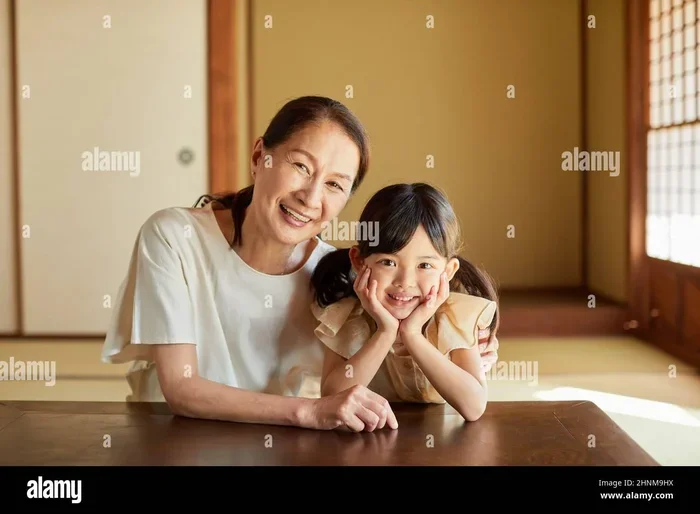

Learning how to say grandma in Japanese is simpler than most people think. The two most common terms are obaa-san and obaa-chan, each carrying different levels of formality and warmth. This guide covers pronunciation, cultural context, and practical tips so you can use the right word with confidence.
Learning how to say grandma in Japanese opens a door to a rich and respectful culture. The Japanese language has a beautiful way of honoring family, and the word for grandma reflects that warmth. Whether you are planning a trip to Japan, connecting with a Japanese family, or simply exploring the language, knowing the right term matters more than you might think.
The Japanese language uses different words depending on formality, familiarity, and regional dialects. The two most common terms are obaa-san and obaa-chan. Each one carries a slightly different feeling and level of respect. Understanding these differences helps you communicate more naturally and shows genuine interest in Japanese customs.
Beyond the basic terms, there are other words and phrases you can use in specific situations. Some are more poetic, while others are used in casual conversation. This guide walks you through every option so you can pick the right one with ease.
Key Takeaways
- Obaasan is the respectful and formal way to say grandma in Japanese.
- Obaachan is the casual and affectionate term used in everyday family life.
- Pronunciation matters, and small changes in pitch can shift the meaning entirely.
- Japanese culture places deep respect on family roles, especially for elders.
- There are additional regional and informal variations worth knowing.
- Using the right term shows cultural awareness and builds stronger connections.
- Practice with native speakers to master tone and context naturally.
📑 Table of Contents
What Does Grandma Mean in Japanese?
In Japanese, the word for grandma is not just a single translation. It reflects the relationship between generations and the level of respect you want to show. The term you choose can signal whether you are speaking formally or casually. It can also reveal how close you are to the person you are addressing.
The concept of family in Japanese culture runs deep. Elders are treated with immense honor, and the language reflects that value. When you learn how to say grandma in Japanese, you are also learning about the cultural importance of family bonds. The in situ meaning of these words becomes clear when you see them used in real family settings.
Japanese people often use honorifics to show respect. These small additions to words change their tone and level of formality. Understanding honorifics is essential for anyone learning the language. The word for grandma is no exception, and it changes shape depending on the context.
The Most Common Ways to Say Grandma
There are two main terms you will hear most often. Both are widely understood across Japan, but they carry different vibes. Let us break them down so you can use each one confidently.
Obaasan – The Respectful Term
Obaasan (おばあさん) is the standard, respectful way to say grandma in Japanese. You will hear this term in formal settings, in schools, and when speaking to people you do not know well. It is polite and safe to use in most situations.
This word works well when you want to show respect without being too familiar. If you are speaking with someone older or in a professional setting, obaa-san is your best choice. It is also the term you will see in textbooks and language courses for beginners.
The pronunciation is straightforward. It breaks into three parts: oh-bah-ah-san. The first syllable is long and soft. The second syllable is short and clipped. The final syllable carries a gentle emphasis. Practice saying it slowly at first, then speed up as you grow comfortable.
Obaachan – The Warm and Casual Term
Obaachan (おばあちゃん) is the casual and affectionate way to say grandma. Families use this term at home, and children often call their own grandmothers this way. It feels warm, loving, and personal.
If you are close to a Japanese family, obaachan might be the term they use for their own mother or grandmother. It signals intimacy and closeness. However, you should be careful about using it with people you do not know well. It can feel too familiar in formal settings.
The pronunciation adds a soft, playful feel. The extra “cha” at the end gives it a cute and endearing quality. Many people find this term charming because it captures the loving nature of grandmas everywhere.
Other Japanese Words for Grandma
Beyond the two main terms, there are other ways to refer to a grandmother in Japanese. Some are regional, and others are used in specific contexts. Knowing these adds depth to your understanding of the language.
One alternative is sobo (祖母), which is a more written and formal term. You will see this word in documents, letters, and literature. It is not as common in everyday speech, but it is important to recognize it.
Another term is haha (母), which literally means mother but is sometimes used in classical or literary contexts to refer to a grandmother. This usage is less common today but still appears in traditional writing and poetry.
Regional dialects also play a role. Different parts of Japan have their own unique words for grandma. In Okinawa, for example, the local dialect uses different terms that reflect the island’s distinct culture. These variations make the Japanese language even more fascinating to explore.
When learning Japanese naming conventions, it helps to understand how names work in general. If you are curious about how Japanese people name their pets, you might enjoy exploring Japanese cat names to see how the culture approaches naming with affection and meaning.
How to Pronounce Grandma in Japanese
Pronunciation is one of the most important parts of learning any new language. Japanese is generally phonetic, which means words are pronounced as they are written. This makes it easier for beginners to pick up the right sounds quickly.
For obaa-san, break it down like this:
- Oh – a long, open vowel sound
- Bah – a soft, short consonant followed by a vowel
- Ah – another long vowel, held slightly longer
- San – a polite suffix meaning Mr. or Ms.
For obaa-chan, you add the same base but with a softer ending:
- Oh – same long opening sound
- Bah – same soft middle sound
- Ah – same long vowel
- Chan – a cute and affectionate suffix
The difference between san and chan is subtle but meaningful. San is neutral and respectful. Chan is warm and informal. Mastering this small distinction will help you sound more natural in conversation.
One tip that helps a lot is to listen to native speakers. YouTube, podcasts, and language apps are great resources for hearing the correct pronunciation. Try to mimic the rhythm and intonation of native speakers as closely as you can. The more you practice, the more confident you will become.
Cultural Context Behind Japanese Family Terms
In Japan, family relationships are taken very seriously. The language reflects this through a complex system of honorifics and respectful terms. Every word for family member carries a layer of meaning that goes beyond its literal translation.
When you learn how to say grandma in Japanese, you are also learning about the values of respect and filial piety. These values shape daily interactions and influence how people speak to and about their elders. Understanding this context makes your language learning journey much richer.
The Japanese concept of keigo (敬語), or honorific language, plays a big role here. Keigo has three main levels: polite, respectful, and humble. The word you choose for grandma often falls into the polite or respectful category. Using the wrong level can accidentally come across as too casual or too distant.
Japanese culture also values harmony and social hierarchy. Terms like obaa-san and obaa-chan reinforce these values by clearly defining the relationship between speaker and listener. When you use these terms correctly, you show that you understand and respect Japanese social norms.
Animals also hold special places in Japanese culture. The fox, for example, is a powerful symbol in Japanese folklore. If you are fascinated by how Japanese culture extends to naming animals, you might enjoy learning about Japanese fox names to see how cultural symbolism influences naming practices.
Quick Tips for Using Grandma Terms in Japanese
Here are some practical tips to help you use the right grandma terms confidently:
- Start with obaa-san when you are unsure of the situation. It is polite and works in almost any context.
- Use obaa-chan only when you are close to the family or speaking with children.
- Listen first before jumping in. Pay attention to what native speakers say in different settings.
- Practice out loud every day. Repetition builds muscle memory and confidence.
- Ask a native speaker for feedback. They can correct your pronunciation and usage naturally.
- Watch Japanese shows and movies to hear how characters address their grandmothers in real scenes.
- Be patient with yourself. Language learning takes time, and every small step counts.
Remember that the goal is not perfection. It is connection. When you make the effort to use the right term, Japanese people will appreciate your respect and thoughtfulness. Even a simple attempt goes a long way in building trust and rapport.
As you explore more of the Japanese language, you will notice patterns in how words are formed and used. These patterns make learning feel natural over time. The key is to stay curious and keep practicing regularly.
Common Mistakes to Avoid
When learning how to say grandma in Japanese, beginners often make a few common mistakes. Being aware of these pitfalls helps you avoid awkward moments and build stronger communication skills.
One mistake is using obaa-chan with strangers or in formal settings. This term is too casual and can come across as disrespectful. Always default to obaa-san unless you are sure the situation calls for something more informal.
Another mistake is mispronouncing the vowels. Japanese vowels are pure and consistent, unlike English vowels. Practice saying each vowel clearly and avoid blending them together. Clean pronunciation makes a big difference in how native speakers perceive your language skills.
Some learners also forget that Japanese does not use the same gendered terms for grandma as English does. In English, we have grandma and grandma (both the same). In Japanese, the terms do not change based on the speaker’s gender. Anyone can use obaa-san or obaa-chan regardless of whether they are male or female.
Finally, avoid translating directly from your native language. Every language has its own unique way of expressing family relationships. Embracing the Japanese approach rather than forcing English patterns will help you sound more natural and respectful.
Key Takeaways
Learning how to say grandma in Japanese is a wonderful step toward deeper cultural understanding. The two main terms, obaa-san and obaa-chan, each serve a distinct purpose and carry their own warmth. Use obaa-san for respect and formality. Use obaa-chan for love and closeness.
Pronunciation is straightforward once you break the words into smaller parts. Practice the vowel sounds, listen to native speakers, and repeat often. The cultural context behind these terms adds richness to your learning experience and shows your respect for Japanese traditions.
Avoid common mistakes like using the wrong level of formality or mispronouncing vowels. With patience and consistent practice, you will soon feel confident using these terms in real conversations. The effort you put in will be appreciated by native speakers and will deepen your connection to the Japanese language and culture.
Keep exploring, keep practicing, and most importantly, enjoy the journey. Language learning is one of the most rewarding paths you can take, and every new word brings you closer to understanding a beautiful culture.
Frequently Asked Questions
What is the most polite way to say grandma in Japanese?
The most polite term is obaa-san (おばあさん). It is respectful and appropriate for formal settings, strangers, and everyday conversation. This is the safest choice when you are unsure which term to use.
Can I use obaa-chan with my friend’s grandmother?
It depends on the relationship. If your friend’s family is close to you and uses casual terms, obaa-chan might be appropriate. However, in most situations, it is better to stick with obaa-san to show respect and avoid coming across as too familiar.
Are there different words for grandma on different Japanese islands?
Yes, regional dialects in Japan can have unique words for grandma. Okinawan dialect, for example, has its own terms that differ from standard Japanese. These variations reflect the diverse cultural heritage across the islands.
Is obaa-san used for both maternal and paternal grandmothers?
Yes, obaa-san works for both maternal and paternal grandmothers. Japanese does not distinguish between the two with separate words in standard usage. However, some families may use slightly different terms informally to specify which grandmother they are referring to.
How can I practice saying grandma in Japanese naturally?
Listen to Japanese audio, watch shows with subtitles, and repeat the words out loud. Language apps and tutors can also provide feedback on your pronunciation. The more you hear and practice, the more natural it will feel.
Do Japanese children learn these terms early?
Yes, children in Japan learn terms like obaa-san and obaa-chan from a very young age. Family terms are among the first words children learn because they are used daily in home life and social interactions.



