
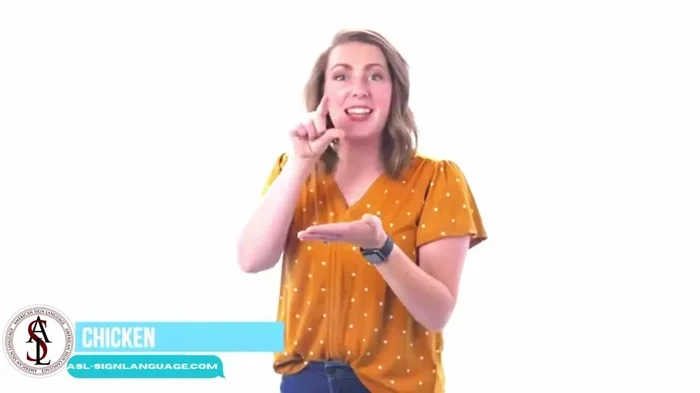

Learning how to say chicken in ASL is simple and fun for beginners. This guide walks you through the exact hand movements, common mistakes, and practice tips to sign chicken confidently. Whether you are a student, a parent, or a sign language enthusiast, you will find this guide easy to follow and full of useful details.
Have you ever wanted to know how to say chicken in ASL? Maybe you are a sign language beginner, a curious parent, or someone who loves chickens and wants to communicate about them in a new way. Either way, you are in the right place.
The chicken in ASL sign is one of the most fun and easy animal signs to learn. It uses a simple hand shape and a cute little pecking motion that almost anyone can master in minutes. Unlike some complex sign language basics, this sign feels natural and playful.
In this guide, we will break down every step of the ASL sign for chicken. You will learn the exact hand position, the motion, and common mistakes to avoid. We will also share tips to help you practice and remember the sign for good. Let us get started.
Key Takeaways
- Easy Hand Sign: The chicken sign uses a simple claw-like hand shape near your mouth that anyone can learn quickly.
- Two-Step Process: You form the hand shape first, then add a gentle pecking motion to complete the sign.
- Common Mistakes Exist: Avoid using a flat hand or moving your whole arm instead of just your fingers.
- Practice Makes Perfect: Daily repetition and real-life conversation help you remember the sign naturally.
- Fun for All Ages: Kids and adults alike enjoy learning animal signs like the chicken in ASL.
- Related Signs Build Vocabulary: Learning the chicken sign opens the door to other farm animal signs in ASL.
- Names Matter Too: Different chicken breeds have unique names you can explore further.
📑 Table of Contents
What Does Chicken in ASL Mean?
When people ask how to say chicken in ASL, they are looking for the specific hand gesture used in American Sign Language. The chicken hand sign represents the bird itself. It mimics the motion of a chicken pecking at the ground, which makes it easy to remember.
ASL is a complete visual language used by the deaf community across the United States and parts of Canada. It relies on hand movements, facial expressions, and body language rather than spoken words. Every animal sign in ASL follows this visual approach.
The chicken gesture falls into the category of farm animal signs. Other popular animal signs in this group include cow, pig, horse, and sheep. Learning the chicken sign is a great starting point for building a broader ASL vocabulary of animal signs.
Why Learn the Chicken Sign?
The chicken sign is practical in many situations. If you work at a farm, teach children, or simply enjoy conversations about animals, this sign comes in handy. It is also one of the first signs many kids learn in baby sign language programs.
Beyond practicality, the chicken sign is just fun. The little pecking motion makes people smile, which helps you remember the sign. Nonverbal communication through signs like this builds connection and joy in any setting.
Step-by-Step: How to Sign Chicken in ASL
Now let us get into the actual ASL chicken sign. Follow these steps carefully, and you will be signing like a pro in no time.
Step 1: Form the Hand Shape
Start by holding your dominant hand up. Keep your fingers slightly curled inward, like a small claw. Your thumb should rest gently against the side of your index finger. This claw shape represents the beak of the chicken.
Do not flatten your fingers. A tight but relaxed claw is the key. Think of how a little chick might curl its tiny beak. The hand shape should look natural and not stiff.
Step 2: Add the Pecking Motion
With your claw hand near your mouth, move your fingers in a small, quick pecking motion. Tap your fingers forward toward your chin a couple of times. This mimics a chicken pecking at food on the ground.
Keep the motion small and controlled. You do not need to move your whole arm. The movement comes from your fingers and wrist only. Think of it as a tiny, quick tap tap tap near your face.
Step 3: Practice the Full Sign
Now combine both steps. Form the claw hand, bring it near your mouth, and add the pecking motion. Say the word chicken out loud as you sign it. This helps your brain connect the visual sign with the spoken word.
Repeat this five to ten times in a row. Then take a break and try again later. Repetition is the secret to locking in any sign language learning skill.
Quick Tips for Perfecting the Sign
- Keep your fingers relaxed. A tense hand makes the sign look unnatural.
- Use your wrist, not your arm. Small movements look more authentic.
- Pair the sign with a sound. Saying cluck cluck while signing helps reinforce the meaning.
- Practice in front of a mirror. This lets you check your hand shape and motion.
- Sign slowly at first. Speed will come naturally with practice.
Common Mistakes When Learning the Chicken Sign
Even simple signs have common pitfalls. Here are the mistakes most people make when learning how to say chicken in ASL.
Using a Flat Hand Instead of a Claw
One of the most frequent errors is using a flat, open hand. The chicken sign requires a curled, claw-like shape. A flat hand changes the meaning and looks nothing like a pecking chicken. Make sure your fingers are clearly curled inward.
Moving the Whole Arm
Some beginners wave their entire arm forward during the pecking motion. This looks exaggerated and is not correct. The movement should be small and confined to the fingers and wrist. Think tiny and precise.
Forgetting Facial Expressions
In ASL, facial expressions carry meaning. When signing chicken, a slight smile or a curious look adds authenticity. Nonverbal communication is a core part of the language, so do not keep a completely blank face.
Signing Too Fast
Speed is not your friend when you are starting out. Rushing through the sign leads to sloppy hand shapes and missed movements. Slow down, get it right, and speed up gradually.
Chicken Names for Different Breeds
Once you know how to sign chicken, you might want to learn about different chicken names for various breeds. Chickens come in many colors, sizes, and types, each with its own name.
For example, if you have a red chicken, you can explore red chicken names that match its vibrant plumage. Red breeds like Rhode Island Reds and Sussex chickens are popular choices for backyard flocks.
Similarly, if your chicken has a brown feather coat, there are brown chicken names that suit its warm, earthy look. Breeds like the Plymouth Rock and Brahma often have beautiful brown coloring.
For a complete list of fun and creative names for any chicken, check out our full guide on chicken names. Whether your chicken is black, white, speckled, or golden, there is a perfect name waiting for it.
Why Naming Your Chicken Matters
Giving your chicken a name strengthens the bond between you and your bird. It also makes feeding, training, and caring for them more personal. In sign language, you can sign the chicken sign and then fingerspell the name. This is a great way to practice both the animal sign and the ASL alphabet at the same time.
Tips for Practicing ASL Chicken Signs
Learning a sign is one thing. Remembering it and using it naturally is another. Here are some proven tips to help you practice the chicken sign and build your ASL vocabulary.
Practice with a Partner
Find a friend or family member who is also learning sign language. Take turns signing chicken and guessing what the other person is signing. This interactive practice makes learning feel like a game rather than a chore.
Use Flashcards
Create simple flashcards with the chicken sign on one side and the word on the other. Review them daily for just five minutes. Over time, you will start recognizing the sign without thinking.
Watch ASL Videos
Search for ASL chicken sign videos online. Watching native signers demonstrates the correct speed, motion, and facial expressions. Many ASL dictionary websites and YouTube channels offer high-quality tutorials.
Sign in Real Conversations
The best way to improve is to use the sign in real life. Visit a farm, watch chickens in a park, or simply talk about your favorite birds. Every time you see a chicken, sign it. This contextual learning cements the sign in your memory.
Set a Daily Practice Goal
Commit to practicing the chicken sign for just three minutes a day. Consistency beats intensity. Short daily sessions build muscle memory faster than long, infrequent practice sessions.
Why Learning Animal Signs in ASL Matters
Animal signs like the chicken are more than just fun party tricks. They serve a real purpose in nonverbal communication and language development.
For young children, baby sign language animal signs provide a way to communicate before they can speak. A toddler can sign chicken long before they can say the word. This reduces frustration and builds early communication skills.
For adults, learning animal signs expands your ability to communicate with deaf and hard-of-hearing individuals. It shows respect for the deaf community and their rich visual language. Every sign you learn, including the chicken, contributes to a more inclusive world.
Animal signs also create a strong foundation for further sign language learning. Once you master the chicken, you can move on to more complex signs. The skills you build with simple animal gestures transfer directly to harder vocabulary.
Many people start their sign language journey with animal signs because they are visual, memorable, and emotionally engaging. The chicken sign, with its playful pecking motion, is one of the most engaging signs you will ever learn.
Building Your ASL Vocabulary Beyond Chicken
After you feel confident with the chicken sign, consider exploring other farm animal signs. The rooster, duck, and horse signs all use similar principles. You will notice that many animal signs use the same pecking or movement patterns that mimic the animal’s behavior.
This pattern-based approach is a powerful learning strategy. Once you understand the logic behind ASL animal signs, you can guess the signs for animals you have never seen signed before. It makes sign language practice much more efficient and enjoyable.
Conclusion
Learning how to say chicken in ASL is easier than you might think. With just a claw hand and a gentle pecking motion, you can sign chicken clearly and confidently. This guide covered the step-by-step process, common mistakes to avoid, practice tips, and the importance of animal signs in ASL.
Remember to keep your hand shape curved, your movements small, and your practice consistent. The chicken sign is a wonderful addition to your ASL vocabulary and a gateway to broader sign language learning. Whether you are signing with a child, a deaf friend, or just practicing alone, this sign brings joy and connection.
Start practicing today. Sign chicken every time you see a bird, visit a farm, or simply want to share a smile with someone. The more you use it, the more natural it becomes. Happy signing!
Frequently Asked Questions
Is the chicken sign in ASL the same everywhere?
The basic chicken sign is consistent across most ASL communities. However, slight variations in hand shape or motion may exist depending on region or personal style. The claw hand with a pecking motion is the standard and most widely recognized version.
Can children learn the chicken sign easily?
Absolutely. The chicken sign is one of the simplest animal signs in ASL. Young children can learn it in just a few minutes because the pecking motion is intuitive and fun. It is a popular choice in baby sign language programs for toddlers.
How long does it take to master the chicken sign?
Most people can learn the basic chicken sign in under ten minutes. However, mastering it with smooth, natural motion may take a few days of regular practice. Consistent daily signing is the fastest path to fluency.
Do I need to know the ASL alphabet to sign chicken?
No, you do not need the alphabet to sign chicken. The chicken sign is a standalone gesture. However, if you want to fingerspell a chicken’s name after signing, knowing the ASL alphabet would be helpful and fun.
What other farm animal signs are similar to the chicken sign?
Several farm animal signs use similar pecking or tapping motions. The rooster sign is a close variation, often signed with a larger motion and a comb gesture on the head. The duck sign uses a different hand shape but follows a similar tapping pattern near the mouth.
Where can I find more ASL animal signs to learn?
Many online resources offer ASL animal sign tutorials. Websites, apps, and YouTube channels dedicated to sign language learning provide video demonstrations for dozens of animal signs. Starting with the chicken sign gives you a solid foundation for exploring the full range of animal vocabulary in ASL.
=== INTERNAL LINKS ===
Looking for creative ideas? Check out chicken names for inspiration.
If you own a reddish bird, explore red chicken names to find the perfect match.
For warm-toned feathered friends, browse brown chicken names and pick a name that fits.



