
Learning how to say cheers in Irish opens a door to rich Celtic culture and genuine connections. The most famous Irish toast is Sláinte, a simple yet powerful word that means health. Whether you are toasting with friends in a cozy pub or celebrating a special occasion, knowing the right Irish cheers makes the moment memorable and heartfelt.
There is something magical about raising a glass and saying a toast in another language. When you learn how to say cheers in Irish, you tap into a tradition that stretches back hundreds of years. The Irish language, also called Gaeilge, carries a warmth and rhythm that no translation can fully capture.
Maybe you are planning a trip to Ireland. Or perhaps you just want to surprise your friends at your next gathering. Either way, mastering the Irish way to say cheers will bring a smile to any room. This guide covers everything you need to know, from the basic toast to deeper cultural traditions.
The word Sláinte is the starting point for anyone exploring Irish toasts. But there is so much more beneath the surface. Irish culture loves storytelling, poetry, and heartfelt expressions. A proper Irish toast is never just about the drink. It is about the people, the moment, and the shared joy of being together.
Key Takeaways
- Sláinte is the classic Irish toast: It is the most recognized way to say cheers in Irish and means “good health.”
- Pronunciation matters: Saying Sláinte correctly (SLAWN-chuh) shows respect for the Irish language and culture.
- There are many Irish toasts beyond Sláinte: From playful to heartfelt, Irish culture offers a wide range of drinking blessings.
- Context adds meaning: Understanding when and how to use each Irish toast deepens your connection to the tradition.
- Irish toasts work for any occasion: They are not just for drinking but also for birthdays, weddings, and gatherings.
- The Irish language is beautiful and alive: Using Gaelic phrases in daily life keeps a centuries-old tradition thriving.
📑 Table of Contents
- The Classic Irish Toast: Sláinte
- Beyond Sláinte: Other Irish Toasts and Phrases
- The Role of Toasting in Irish Culture
- How to Craft Your Own Irish Toast
- Common Mistakes People Make When Toasting in Irish
- Quick Tips for Saying Cheers in Irish Like a Local
- Why Learning Irish Toasts Matters
- Key Takeaways
- Conclusion
The Classic Irish Toast: Sláinte
If you only learn one Irish toast, let it be Sláinte. This word is the heartbeat of Irish drinking culture. It is simple, elegant, and deeply meaningful. When you say Sláinte, you are essentially wishing someone good health.
What Does Sláinte Mean?
The word Sláinte comes from the Old Irish word “sláinte,” which means health or strength. In modern Irish, it is used as a toast before taking a drink. It is the equivalent of saying “cheers” or “to your health” in English. The beauty of Sláinte lies in its simplicity. You do not need fancy words or a long speech. Just one word, spoken with sincerity, is enough.
How to Pronounce Sláinte
Pronunciation is key when learning how to say cheers in Irish. The word Sláinte is pronounced roughly like “SLAWN-chuh.” Here is a simple breakdown:
- Sláin sounds like “SLAWN” with a soft “n” at the end.
- -te sounds like “chuh,” a soft and gentle ending.
Do not stress the last syllable. The emphasis sits on the first part of the word. If you get it slightly wrong, do not worry. The Irish people appreciate the effort more than perfect pronunciation. A genuine smile goes a long way.
When to Say Sláinte
You can use Sláinte in almost any social drinking situation. Here are some common moments when this Irish toast fits perfectly:
- At the start of a night out with friends in a pub
- During a family gathering or celebration
- When honoring someone special
- On St. Patrick’s Day or other Irish holidays
- After a long week when you finally sit down to relax
Make eye contact when you say it. This is an important part of Irish pub culture. Looking away can feel dismissive. A steady gaze shows respect and genuine warmth.
Beyond Sláinte: Other Irish Toasts and Phrases
While Sláinte is the most popular, the Irish language offers many other ways to raise a glass. Each toast carries its own flavor and meaning. Let us explore some of the best alternatives.
Sláinte Mhaith
This phrase means “good health” in a more emphatic way. You pronounce it “SLAWN-chuh VAH.” It is like saying “cheers to your good health” in one go. Use this when you want to add a little extra warmth to your toast.
Éirinn go Brách
This is a beautiful Irish phrase that means “Ireland forever.” It is not strictly a drinking toast, but many people use it in social settings. It shows deep pride in Irish heritage. If you want to honor your roots or celebrate Irish culture, this phrase is a powerful choice.
Go Breá
This phrase means “wonderful” or “beautiful.” You can use it as a casual toast to say something is great. Pronounce it “guh BRAW.” It works well in relaxed, friendly settings where you want to express genuine appreciation.
Ná bhfaighí tú aon deacrachta
This longer toast means “may you find no difficulties.” It is a traditional Irish blessing that people sometimes use at weddings or formal gatherings. It shows thoughtfulness and care for the person you are toasting.
The Role of Toasting in Irish Culture
Toasting is not just a habit in Ireland. It is a deeply rooted cultural practice. In Irish society, a toast carries weight. It shows respect, friendship, and good intentions. When you understand the in situ meaning of Irish toasts, you appreciate them on a much deeper level. You can read more about the broader concept of cultural meaning and context here.
Irish Pub Culture and Toasting
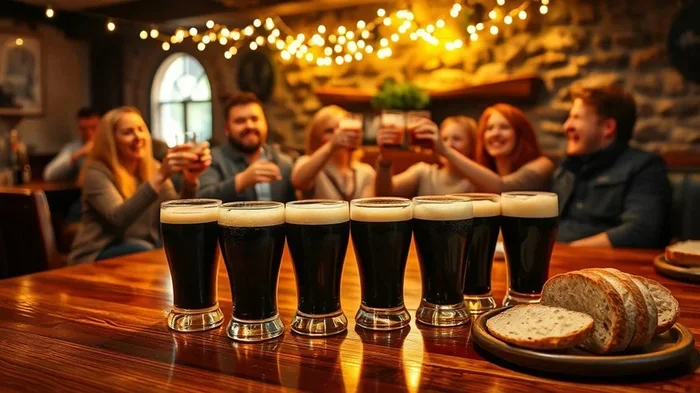
The Irish pub is more than a place to grab a drink. It is a social hub where stories are shared, friendships are forged, and bonds are strengthened. Toasting plays a central role in this experience. When a group of people sits around a wooden bar, someone will often start a toast. Everyone joins in. The atmosphere becomes electric with shared energy.
In many Irish pubs, the person who buys the round of drinks is expected to give a toast. This tradition goes back generations. It is a way of showing generosity and goodwill. Skipping the toast can feel a bit awkward, so always have one ready!
Toasting at Weddings and Celebrations
Irish weddings are famous for their heartfelt toasts. The best man, the father of the bride, or close friends often step up with a speech and a toast. These moments can be funny, touching, or both. A well-crafted Irish wedding toast can bring tears of joy to the couple.
Traditional Irish wedding toasts often include blessings for the couple’s future. They wish love, prosperity, and lasting happiness. Some families have passed down the same toast for decades, making it a cherished family tradition.
Seasonal and Holiday Toasts
Certain times of year call for special Irish toasts. During St. Patrick’s Day, people around the world raise their glasses with Irish blessings. Christmas in Ireland also has its own set of traditional toasts. These seasonal customs connect people to their heritage and to each other.
How to Craft Your Own Irish Toast
You do not need to be Irish to give a great Irish-style toast. The spirit of the toast matters more than the exact words. Here are some tips to help you create a meaningful and memorable toast.
Start with Sincerity
The best Irish toasts come from the heart. Think about the person or people you are toasting. What do you admire about them? What moment are you celebrating? Let those feelings guide your words. Authenticity always resonates more than rehearsed lines.
Keep It Short and Sweet
Irish culture values brevity in toasts. You do not need a long speech. A few heartfelt sentences are often more powerful than a lengthy monologue. Aim for something that takes about 30 seconds to deliver. This keeps the energy high and the attention focused.
Use Rhythmic or Poetic Language
The Irish language has a natural musicality. Even simple phrases can sound poetic when spoken aloud. Try using repetition or parallel structure. For example, you might say, “May your days be bright, may your nights be light, may your heart be full of joy.” This kind of rhythm feels distinctly Irish and adds a touch of magic to your toast.
Add a Personal Touch
Include a specific memory or inside joke if the setting allows it. Personal details make a toast feel unique and special. It shows that you truly know and care about the person you are honoring.
End with a Clear Toast
Always finish your toast by raising your glass and saying Sláinte or another Irish phrase. This signals the moment for everyone to drink together. It creates a sense of unity and shared celebration.
Common Mistakes People Make When Toasting in Irish
Even with good intentions, people sometimes stumble when using Irish toasts. Here are a few common mistakes to avoid.
- Getting the pronunciation completely wrong: While the Irish are forgiving, making an effort shows respect. Practice saying Sláinte a few times before you need to use it.
- Using the wrong context: Some Irish toasts are formal and others are casual. Sláinte works almost everywhere, but a complex blessing might feel out of place at a quick pub visit.
- Forgetting eye contact: This is a big one. In Irish culture, toasting without making eye contact can be seen as bad luck or even disrespectful.
- Overcomplicating things: You do not need to memorize ten different Irish phrases. One or two well-used toasts are better than a dozen mumbled ones.
- Ignoring the tradition of the round: In Ireland, buying rounds is standard practice. If someone toasts you, it is polite to return the gesture.
Quick Tips for Saying Cheers in Irish Like a Local
Here are some fast, practical tips to help you sound like a natural when you toast in Irish:
- Practice saying Sláinte out loud several times before you need it.
- Make eye contact with everyone in the group when you raise your glass.
- Smile genuinely. The warmth in your voice matters as much as the words.
- Keep your toast brief and heartfelt rather than long and elaborate.
- Learn one or two additional phrases beyond Sláinte to impress your friends.
- Listen to how native speakers pronounce Irish toasts on YouTube or in Irish pubs.
- Remember that effort and sincerity matter more than perfection.
Why Learning Irish Toasts Matters
Learning how to say cheers in Irish is about more than just words. It is a way of connecting with a rich cultural heritage. The Irish language carries centuries of history, poetry, and storytelling within its sounds. When you use an Irish toast, you become part of that living tradition.
It also shows respect for the people and the culture. Ireland has worked hard to preserve its language and traditions. When visitors take the time to learn even a simple phrase like Sláinte, it means a great deal to the locals. It shows that you care enough to try.
Beyond cultural respect, Irish toasts simply make moments more special. A gathering feels warmer when someone raises a glass with a heartfelt Irish blessing. The words carry a weight and a beauty that English alone cannot always capture.
Key Takeaways
- Sláinte is the foundation of Irish toasting: It means health and is the go-to Irish way to say cheers in any setting.
- Pronounce it correctly: “SLAWN-chuh” is the standard pronunciation that most Irish people recognize and appreciate.
- Explore other Irish phrases: From Sláinte Mhaith to Éirinn go Brách, there are many beautiful options beyond the basic toast.
- Toasting is a cultural ritual: In Ireland, a toast is a sign of respect, friendship, and goodwill that goes back centuries.
- Eye contact and sincerity are essential: These small gestures transform a simple toast into a meaningful moment.
- Craft your own toast with heart: Personal touches and genuine feelings make any Irish-style toast unforgettable.
- Practice makes progress: The more you use Irish toasts, the more natural and comfortable they will feel.
Conclusion
Learning how to say cheers in Irish is a small effort that brings big rewards. Whether you choose the classic Sláinte or explore deeper Gaelic blessings, each toast connects you to a vibrant and ancient culture. The next time you raise a glass, try saying it the Irish way. Feel the rhythm of the language. Let the warmth of the tradition fill the moment.
Irish toasts are more than words. They are invitations to come together, to celebrate, and to share in something bigger than ourselves. So go ahead. Gather your friends. Raise your glass. And say it like you really mean it. Sláinte!
Frequently Asked Questions
What is the most common way to say cheers in Irish?
The most common Irish toast is Sláinte, which is pronounced “SLAWN-chuh.” It means “good health” and is used in almost every social drinking situation in Ireland. It is simple, heartfelt, and universally understood.
How do you pronounce Sláinte correctly?
Break the word into two parts: “Sláin” sounds like “SLAWN” and “-te” sounds like “chuh.” Put them together and say it with a soft, natural rhythm. The emphasis is on the first syllable, and the ending should be gentle and quiet.
Are there different Irish toasts for different occasions?
Yes, Irish culture has a variety of toasts for different settings. Sláinte works for everyday toasts, while phrases like Éirinn go Brách are better for celebrating Irish heritage. Wedding toasts tend to be more personal and poetic, and casual pub toasts are often short and lively.
Do Irish people still use Gaelic toasts today?
Absolutely. While English is widely spoken in Ireland, Irish Gaelic toasts remain an important part of social gatherings, especially in traditional pubs, family events, and cultural celebrations. Many Irish people use Sláinte and other Gaelic phrases naturally in daily life.
Is it disrespectful to say cheers in Irish if I am not Irish?
Not at all. The Irish people generally appreciate when others make an effort to use their language. Saying Sláinte with sincerity and respect shows that you value Irish culture. The key is to be genuine and not to treat the language as a joke.
Can I create my own Irish-style toast?
Definitely. The spirit of an Irish toast is about sincerity and connection, not rigid rules. You can write your own short toast using heartfelt words, add a personal memory, and finish with Sláinte. The best Irish toasts feel natural and come from the heart.