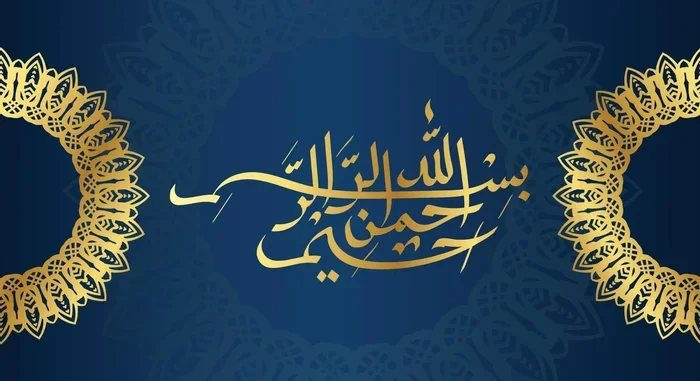

The bismillah meaning is “In the name of God,” a simple yet profound phrase that holds deep spiritual weight in Islam. It is the most commonly recited phrase by Muslims worldwide, used before meals, prayers, and daily tasks. Understanding the bismillah translation opens a door to mindfulness, protection, and a stronger connection with faith.
Have you ever heard someone say “bismillah” and wondered what it really means? This short Arabic phrase carries a world of meaning inside it. It is one of the most spoken words in the Muslim world. Millions of people say it every single day without even thinking twice. But when you stop and explore the bismillah meaning, you discover something truly powerful.
The bismillah translation is simple on the surface. It means “In the name of God.” But beneath those four words lies a rich tapestry of faith, gratitude, and mindfulness. Whether you are a curious learner, a new convert, or just someone who wants to understand Islamic culture better, this guide has you covered. We will walk through the meaning of bismillah in detail, explore how it is used, and share why it still matters so much today.
Key Takeaways
- Bismillah means “In the name of God” and is central to Islamic practice.
- The full phrase includes “ir Rahman ir Rahim,” meaning the Most Gracious and Most Merciful.
- Muslims say bismillah before eating, traveling, praying, and starting any important task.
- The phrase appears over 100 times in the Quran and carries deep spiritual significance.
- Saying bismillah brings mindfulness, blessings, and a sense of protection in daily life.
- Understanding its meaning deepens your appreciation of Islamic culture and faith.
📑 Table of Contents
- What Does Bismillah Mean?
- The Deeper Spiritual Meaning of Bismillah
- Bismillah in the Quran
- Using Bismillah in Daily Life
- Why Bismillah Matters So Much
- Common Mistakes and Misunderstandings
- Bismillah in Different Cultures
- How to Pronounce Bismillah Correctly
- The Benefits of Making Bismillah a Habit
- Key Takeaways
- Conclusion
What Does Bismillah Mean?
The word “bismillah” comes from the Arabic language. It is made up of two parts. The first part is “bi,” which means “in.” The second part is “ism,” which means “name.” And “Allah” is the Arabic word for God. Put them together, and you get “In the name of God.” That is the core bismillah meaning. But there is so much more to it than just a word-for-word translation.
Breaking Down the Words
Let us look at each piece of this phrase. “Bi” is a preposition. It shows direction or association. “Ism” is a noun. It refers to a name or identity. And “Allah” is the proper name of God in Islam. When a Muslim says “bismillah,” they are placing everything they do under the banner of God. It is an act of surrender. It is also an act of trust.
The bismillah translation does not fully capture the depth of the original Arabic. In English, “In the name of God” can sound flat. But in Arabic, the phrase rings with reverence. It carries weight. It carries intention. Every time it is spoken, it is a reminder that nothing happens without God.
The Full Phrase: Bismillah ir Rahman ir Rahim
Often, you will hear the full version of the phrase. It is “Bismillah ir Rahman ir Rahim.” This longer form adds two important names of God. “Rahman” means “The Most Gracious.” “Rahim” means “The Most Merciful.” Together, these names paint a picture of a God who is full of compassion and kindness.
So when you say the full phrase, you are really saying “In the name of God, the Most Gracious, the Most Merciful.” This version is used more often in religious contexts. It is found at the beginning of nearly every chapter in the Quran. The bismillah meaning expands even further when you include these two beautiful names.
| Part of the Phrase | Arabic | Translation | Significance |
|---|---|---|---|
| Bismillah | بسم الله | In the name of God | Sets intention and acknowledges God |
| ir Rahman | الرحمن | The Most Gracious | God’s boundless grace toward all creation |
| ir Rahim | الرحيم | The Most Merciful | God’s constant compassion and forgiveness |
The Deeper Spiritual Meaning of Bismillah
The bismillah meaning goes far beyond a simple translation. In Islamic spirituality, this phrase is a shield. It is a way of inviting God’s blessings into every action. When you say “bismillah” before starting something, you are declaring that you begin this task with God in mind.
Why Muslims Say Bismillah Before Everything
One of the most beautiful things about the bismillah meaning is how it is used in everyday life. Muslims say it before eating. They say it before getting dressed. They say it before entering their homes. They say it before traveling. It has become a natural part of daily routines for over a billion people around the world.
This habit is not about superstition. It is about mindfulness. When you pause to say “bismillah,” you are taking a moment to be present. You are shifting your focus from the task at hand to the One who gives you the strength to do it. The bismillah translation reminds you that you are not alone in anything you do.
The Connection Between Bismillah and Tawheed
Tawheed is the concept of the oneness of God in Islam. Saying “bismillah” is a direct expression of tawheed. By starting anything in the name of God, you are affirming that God is the source of all things. You are recognizing that He is the Creator, the Provider, and the Protector.
This connection makes the bismillah meaning deeply theological. It is not just a habit. It is a declaration of faith. Every time the phrase is spoken, it reinforces the belief that there is only one God, and everything begins with Him.
Bismillah in the Quran
The bismillah meaning has deep roots in the Quran. The holy book of Islam begins with this very phrase. Surah Al-Fatiha, the opening chapter, does not start with “bismillah,” but nearly every other chapter does. In fact, the phrase “bismillah ir Rahman ir Rahim” appears at the beginning of 113 out of 114 chapters.
How Many Times Does Bismillah Appear?
The bismillah meaning shows up in the Quran more than you might expect. It appears as a standalone verse in Surah An-Naml (Chapter 27, Verse 30). In that verse, Prophet Solomon uses the phrase to send a letter to the Queen of Sheba. This is one of the most famous uses of “bismillah” in the entire Quran.
Overall, the phrase and its variations appear well over 100 times throughout the Quran. Each appearance carries its own context and lesson. But the core message remains the same: begin with God, and your efforts will be blessed.
The Role of Bismillah in Surah Al-Fatiha
Surah Al-Fatiha is known as the Opening Chapter. It is recited in every unit of Muslim prayer. While it does not start with “bismillah,” the entire chapter is built around the idea of seeking God’s guidance. The themes of mercy, sovereignty, and worship in Al-Fatiha perfectly mirror the bismillah meaning.
When Muslims say “bismillah” before prayer, they are connecting the act of worship to the broader message of the Quran. It is a beautiful thread that ties the daily practice of faith to the sacred text itself.
Using Bismillah in Daily Life
The beauty of the bismillah meaning is that it is not limited to religious rituals. It is meant to be woven into the fabric of everyday life. Muslims around the world use this phrase in countless situations. Let us explore some of the most common ways it is used.
Before Eating
One of the most well-known uses of “bismillah” is before meals. When a Muslim sits down to eat, the first thing they do is say “bismillah.” This simple act transforms a meal into an act of worship. It is a moment of gratitude for the food on the table.
The bismillah translation reminds the person that the food comes from God. It is a blessing. By saying the phrase, the eater acknowledges the source of sustenance. It also serves as a gentle reminder to eat with moderation and thankfulness.
Before Traveling
Travel can be exciting, but it also comes with uncertainty. That is why Muslims say “bismillah” before stepping into a car, boarding a plane, or starting a journey. The bismillah meaning in this context is a prayer for safety. It is a way of asking God for protection along the way.
The Prophet Muhammad taught his followers to say “bismillah” when traveling. He also taught a specific prayer to recite during journeys. The phrase acts as a spiritual anchor, grounding the traveler in faith no matter how far they go.
Before Prayers and Other Rituals
Of course, “bismillah” is essential in prayer. Every unit of prayer begins with this phrase. It sets the tone for the entire worship experience. Without it, the prayer would feel incomplete to most Muslims.
But it does not stop there. Muslims also say “bismillah” before washing for prayer (wudu), before reading the Quran, and before performing any religious duty. The bismillah meaning acts as a spiritual opening statement for everything sacred.
Quick Tips for Using Bismillah in Your Routine
- Say bismillah before every meal, even snacks. It takes just two seconds and adds mindfulness to your eating.
- Practice saying it before starting work or any important task. It helps shift your focus and intention.
- Say it when you wake up in the morning. It sets a positive, God-centered tone for the entire day.
- Teach children to say bismillah early. It becomes a natural habit that stays with them for life.
- Use the full phrase “bismillah ir Rahman ir Rahim” for deeper spiritual connection during prayers.
Why Bismillah Matters So Much
You might be wondering why such a short phrase holds so much importance. The bismillah meaning is not about the length of the words. It is about the intention behind them. When you say “bismillah,” you are making a conscious choice to invite God into your actions.
Spiritual Protection and Blessings
Many Muslims believe that saying “bismillah” brings spiritual protection. The bismillah meaning includes the idea that saying God’s name before doing something wards off negativity. It is like a shield of blessings that surrounds the action.
This belief is not just cultural. It is rooted in the teachings of the Quran and the Prophet Muhammad. The phrase is considered a form of dhikr, or remembrance of God. And dhikr is one of the most praised acts in Islam.
Mindfulness and Presence
In today’s fast-paced world, mindfulness is more important than ever. The bismillah meaning naturally promotes mindfulness. Every time you say the phrase, you are forced to pause. You are reminded that you are part of something bigger than yourself.
This pause can be transformative. It changes how you approach your work, your relationships, and your responsibilities. The bismillah translation is not just words. It is a mindset. It is a way of living with awareness and gratitude.
Building a Stronger Connection with God
Perhaps the greatest benefit of understanding the bismillah meaning is the deeper connection it builds with God. When you know what you are saying and why, the words come alive. They stop being automatic and start being meaningful.
Even if you are not Muslim, exploring the bismillah meaning can enrich your spiritual life. The core idea — starting everything with God in mind — is universal. It applies to any faith tradition. It reminds us to approach life with humility, gratitude, and purpose.
Common Mistakes and Misunderstandings
There are some common misunderstandings about the bismillah meaning that are worth clearing up. First, some people think “bismillah” is a magic word. They believe that just saying it guarantees success or protection. But the truth is different. The phrase is a tool for mindfulness and faith, not a spell or charm.
Another mistake is thinking that “bismillah” can only be said in Arabic. While the original Arabic form is the most common, the bismillah translation can be said in any language. What matters most is the sincerity of the heart. God understands every language.
Some people also confuse “bismillah” with “Allah.” While both are important in Islam, they are not the same thing. “Allah” is the name of God. “Bismillah” is a phrase that includes God’s name. Understanding this distinction helps clarify the bismillah meaning and deepens your appreciation of Islamic terminology.
Finally, do not underestimate the power of consistency. Saying “bismillah” once will not change your life overnight. But saying it daily, with understanding and sincerity, can reshape your entire outlook. The bismillah meaning grows deeper the more you practice it.
Bismillah in Different Cultures
The bismillah meaning is embraced by Muslims across the globe, but its cultural expressions vary widely. In South Asia, you will hear “bismillah” woven into wedding ceremonies and family gatherings. In the Middle East, it is a common greeting before shared meals. In West Africa, it plays a central role in naming ceremonies and rites of passage.
These cultural differences do not change the core bismillah translation. The meaning remains the same: “In the name of God.” But the way it is expressed reflects the rich diversity of the Muslim world. This diversity is one of the most beautiful aspects of Islamic practice.
For example, in Turkey, “bismillah” is often said before sharing bread with neighbors. In Indonesia, the phrase is recited during the preparation of traditional dishes. In Morocco, it is part of the call to prayer and daily household routines. No matter where you go, the bismillah meaning connects Muslims through a shared language of faith.
How to Pronounce Bismillah Correctly
Pronunciation matters when it comes to the bismillah meaning. The word is pronounced “bis-mil-lah.” The “bi” sounds like “bis” in “basis.” The “mil” sounds like “mill.” And “lah” is a soft, open sound at the back of the throat.
Non-Arabic speakers sometimes struggle with the “ll” sound. It is a deeper, more resonant “l” than in English. The best way to learn is to listen to native speakers. There are many online resources and apps that can help you perfect your pronunciation. Getting it right shows respect for the language and the faith behind it.
Remember, the bismillah translation is about intention more than perfection. Even if your pronunciation is not flawless, the sincerity of your heart is what truly counts. God looks at the intention, not just the words.
The Benefits of Making Bismillah a Habit
Making “bismillah” a regular part of your routine can bring real benefits. Let us look at some of the ways this simple phrase can improve your life.
- It creates a sense of peace. Starting your day with “bismillah” sets a calm and purposeful tone.
- It builds gratitude. Saying the phrase reminds you that every good thing comes from God.
- It improves focus. The pause it creates helps you be more present in whatever you are doing.
- It strengthens your faith. Regular use of the bismillah meaning deepens your spiritual connection.
- It brings mindfulness to routine tasks. Even washing dishes or brushing your teeth can become acts of worship.
- It connects you to a global community. Over a billion people say the same phrase every day.
The bismillah meaning is not just about religion. It is about living with intention. It is about recognizing that every moment is an opportunity to connect with something greater than yourself.
Key Takeaways
- Bismillah means “In the name of God” and is central to Islamic practice.
- The full phrase includes “ir Rahman ir Rahim,” meaning the Most Gracious and Most Merciful.
- Muslims say bismillah before eating, traveling, praying, and starting any important task.
- The phrase appears over 100 times in the Quran and carries deep spiritual significance.
- Saying bismillah brings mindfulness, blessings, and a sense of protection in daily life.
- Understanding its meaning deepens your appreciation of Islamic culture and faith.
Conclusion
The bismillah meaning is much more than a simple translation. It is a doorway to mindfulness, faith, and gratitude. When you say “In the name of God,” you are making a powerful statement. You are declaring that your actions are guided by a higher purpose. You are inviting blessings into everything you do.
Whether you are Muslim or simply curious about Islamic culture, understanding the bismillah meaning enriches your perspective. It shows you how something so short can carry so much weight. The phrase has survived for over 1,400 years, and it continues to shape the lives of billions of people today.
So the next time you hear someone say “bismillah,” you will know exactly what it means. And maybe, you will want to try saying it yourself. It costs nothing. It takes just a second. But the bismillah meaning has the power to transform the way you approach every single day. Start with God, and everything else falls into place.
Frequently Asked Questions
What is the literal translation of bismillah?
The bismillah translation is “In the name of God.” It comes from the Arabic words “bi” (in), “ism” (name), and “Allah” (God). This simple phrase is one of the most commonly spoken words in the Islamic world.
What does bismillah ir Rahman ir Rahim mean?
The full phrase means “In the name of God, the Most Gracious, the Most Merciful.” “Rahman” refers to God’s boundless grace, and “Rahim” refers to His constant mercy. This longer form is used especially in religious contexts and at the start of Quranic chapters.
Why do Muslims say bismillah before eating?
Saying “bismillah” before meals is an act of gratitude and mindfulness. It acknowledges that the food is a blessing from God. The bismillah meaning in this context transforms a simple meal into a moment of worship and thankfulness.
Is bismillah only used by Muslims?
The phrase is primarily used by Muslims as part of their faith practice. However, its core message — starting actions with God in mind — resonates with people of many faiths. The bismillah meaning of intention, gratitude, and humility is universal.
Can non-Arabic speakers say bismillah?
Absolutely. While the Arabic pronunciation is the traditional form, the bismillah meaning transcends language. What matters most is the sincerity of your heart. God understands every language, so saying it in your native tongue is perfectly valid.
How many times does bismillah appear in the Quran?
The phrase and its variations appear well over 100 times in the Quran. It appears as a standalone verse in Surah An-Naml. The bismillah meaning is woven deeply into the fabric of the holy book, appearing at the beginning of nearly every chapter.
===
Bismillah. Two simple words that carry the weight of faith, gratitude, and purpose. The bismillah meaning reminds us to start every action with God in our hearts. Make it a habit. Feel the difference. And let those two words change the way you move through your world.