
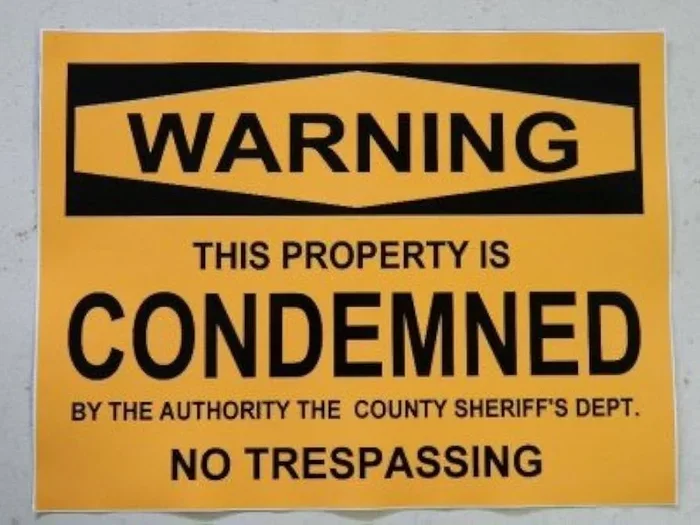

Condemnation meaning refers to the legal process where a government or authority declares a property unsafe, unfit, or necessary for public use. It can happen for building code violations, blight, or through eminent domain for public projects. Understanding condemnation meaning helps property owners protect their rights, navigate the process, and seek fair compensation when their property is affected.
Have you ever heard the word condemnation and wondered what it really means? Maybe you received a letter in the mail about your property, or you heard someone talking about a building being condemned. Either way, understanding condemnation meaning is important, especially if you own property or live in a neighborhood where changes are happening fast.
Condemnation meaning is not just one thing. It can mean a government declares a building unsafe. It can also mean the government takes private land for public use. Both situations carry serious weight. They affect homeowners, businesses, and entire communities. In this article, we will break down everything you need to know about condemnation meaning, how the process works, and what you can do to protect yourself.
Key Takeaways
- Condemnation meaning covers both legal declarations of unsafe property and government seizure for public use.
- Eminent domain is the most common reason for condemnation, allowing governments to take private property with fair payment.
- Condemnation proceedings follow specific legal steps that property owners must understand to protect their rights.
- Inverse condemnation occurs when government actions damage property without formally taking it.
- Property owners have the right to challenge condemnation decisions, negotiate compensation, and appeal unfavorable outcomes.
- Fair market value and just compensation are the legal standards for how much a property owner should receive.
- Acting quickly and hiring a condemnation attorney can make a big difference in the outcome of a condemnation case.
📑 Table of Contents
What Does Condemnation Mean?
At its core, condemnation meaning is a legal term. It describes when a government body or authority officially declares something unfit for use. This can apply to buildings, land, or even entire neighborhoods. The word condemnation comes from the Latin word “condemnare,” which means to sentence or declare guilty. Today, it is used in property law and legal proceedings across the United States and many other countries.
There are two main types of condemnation. The first is when a property is declared unsafe or unfit. Think of an old building with a crumbling foundation or a house that fails multiple inspections. The second type is when the government takes private property for public use. This is called eminent domain. Both types fall under the umbrella of condemnation meaning, but they work very differently.
Condemnation Definition in Simple Terms
A simple condemnation definition is this: a formal declaration that a property is no longer safe, legal, or fit for its intended purpose. When a property is condemned, it means the owner can no longer use it. In some cases, the owner must vacate. In other cases, the property is scheduled for demolition or renovation.
The condemnation definition also covers situations where the government takes private land. In these cases, the owner receives payment, but they lose control of the property. This is a key part of condemnation meaning that many people do not fully understand at first.
Why Does Condemnation Happen?
Understanding why condemnation occurs helps you see the full picture of condemnation meaning. Governments do not take or condemn property lightly. There are specific reasons behind every action. Let us look at the most common causes.
Building Code Violations
The most common reason for condemnation is building code violations. A building must meet certain safety standards. These standards cover things like structural integrity, electrical systems, plumbing, and fire safety. When a building fails to meet these standards, authorities step in. They issue a condemnation notice, which tells the owner the property is no longer safe for occupancy.
Common violations include:
- Structural damage from fires, storms, or age
- Mold or asbestos that poses health risks
- Broken foundations or load-bearing walls
- Faulty wiring or plumbing systems
- Lack of proper exits or fire safety equipment
Eminent Domain and Public Use
Eminent domain is the government’s power to take private property for public use. This is the second major part of condemnation meaning. Public use can mean highways, schools, parks, or utility projects. The Fifth Amendment of the U.S. Constitution allows this, but it requires just compensation. This means the owner must receive fair payment for the property taken.
Eminent domain cases often involve large infrastructure projects. Think of new highways, airports, or public transit lines. These projects need land, and sometimes that land belongs to private owners. The government follows condemnation proceedings to acquire the land legally.
Blight and Neighborhood Decay
Another reason for condemnation is urban blight. Blight refers to areas that have deteriorated significantly. Buildings may be abandoned. Properties may attract crime or health hazards. In these cases, local governments may condemn properties to clean up neighborhoods and protect public safety.
Blight condemnation is common in older cities. It affects both residential and commercial properties. The goal is to improve community health, safety, and property values over time.
How the Condemnation Process Works
The condemnation process follows a clear legal path. It is not something that happens overnight. Property owners usually receive notices and have opportunities to respond. Understanding each step is essential for anyone facing condemnation proceedings.
Step 1: Initial Assessment and Notice
The process usually begins with an assessment. A government agency or inspector evaluates the property. They look for code violations, safety issues, or public need. If they find grounds for action, they issue a condemnation notice to the property owner.
This notice is a formal document. It tells the owner what is wrong and what will happen next. For eminent domain cases, the notice may also include an initial offer for the property’s value.
Step 2: Hearing and Negotiation
After the notice, the property owner usually has a chance to attend a hearing. This is where they can present their case. They might argue that the property is not unsafe. Or they might negotiate a higher fair market value for the property being taken.
Negotiation is a big part of the process. Many condemnation cases are settled before going to court. The government and the property owner agree on compensation and terms. This saves time and money for both sides.
Step 3: Court Proceedings
If negotiations fail, the case goes to court. This is called a condemnation hearing. A judge reviews the evidence from both sides. They decide whether the condemnation is legal and what the proper compensation should be.
Court proceedings can be lengthy. They often involve expert witnesses, property appraisers, and legal arguments. Having a knowledgeable attorney is critical during this stage. A good lawyer can fight for your rights and help you get a better outcome.
Step 4: Final Decision and Compensation
Once the court makes a decision, it is usually final. The property is either condemned or returned to the owner. If taken, the owner receives just compensation. This is typically based on the fair market value of the property at the time of seizure.
In some cases, owners can also seek payment for relocation costs. These additional expenses are sometimes included in the total condemnation valuation.
Condemnation vs. Eminent Domain: What is the Difference?
People often confuse condemnation with eminent domain. While they are related, they are not the same thing. Understanding the difference is key to fully grasping condemnation meaning.
Condemnation is the broader legal process. It can happen for safety reasons, code violations, or public need. Eminent domain is a specific power that allows the government to take private property for public use. All eminent domain cases involve condemnation, but not all condemnation cases involve eminent domain.
Think of it this way. Eminent domain is the reason the government wants your property. Condemnation is the legal process they use to take it. Both fall under condemnation law, but they serve different purposes.
Inverse Condemnation
There is another concept that is important to understand. It is called inverse condemnation. This happens when the government takes or damages your property without going through the formal condemnation process. For example, a new road project might flood your land and reduce its value. You did not sell the land, but your property was still harmed.
In inverse condemnation cases, the property owner sues the government. They seek compensation for the damage or loss. This is a powerful legal tool that protects property owners from unfair government actions. It is a vital part of condemnation law and property rights.
Your Rights as a Property Owner
Knowing your rights is one of the most important things you can do when facing condemnation. The law gives property owners several protections. These rights ensure you are treated fairly throughout the process.
First, you have the right to receive proper notice. The government cannot take your property without telling you. You must receive a formal condemnation notice well before any action is taken.
Second, you have the right to a hearing. You can challenge the condemnation in court. You can argue that the property is not unsafe or that the taking is not for true public use.
Third, you have the right to just compensation. The government must pay you a fair amount for your property. This amount should reflect the fair market value. You should not be shortchanged or pressured into accepting less than your property is worth.
Fourth, you have the right to legal representation. You can hire an attorney who specializes in condemnation cases. They can help you navigate the process, negotiate better terms, and fight for your rights in court.
Common Mistakes Property Owners Make
Many property owners make mistakes during the condemnation process. Avoiding these errors can save you time, money, and stress.
- Ignoring the notice: Do not ignore a condemnation notice. Respond quickly and seek legal advice.
- Accepting the first offer: The initial offer is often lower than what your property is worth. Negotiate or get an independent appraisal.
- Missing deadlines: There are strict deadlines in condemnation cases. Missing them can weaken your position significantly.
- Not hiring a specialist: General lawyers may not understand condemnation law. Hire an attorney who handles these cases regularly.
- Failing to document everything: Keep records of all communications, offers, and property conditions. Documentation is your best friend in court.
Quick Tips for Property Owners Facing Condemnation
Here are some practical tips to keep in mind if you are dealing with condemnation:
- Read every document carefully before signing anything.
- Get your own property appraisal from a licensed professional.
- Consult with a condemnation attorney as soon as possible.
- Attend all hearings and meetings. Your presence matters.
- Keep copies of all correspondence with government agencies.
- Do not make repairs or changes without consulting your lawyer first.
- Stay calm and organized. Emotional decisions can hurt your case.
The Impact of Condemnation on Communities
Condemnation does not just affect individual property owners. It has a broader impact on entire communities. Understanding this side of condemnation meaning gives you a fuller picture of why it matters.
On one hand, condemnation can lead to positive change. New roads, schools, and parks improve neighborhoods. Removing blighted properties can boost safety and property values. Communities can revitalize areas that have been neglected for years.
On the other hand, condemnation can cause hardship. Families may lose their homes. Small businesses may be forced to close. The process can be stressful, expensive, and emotionally draining. Balancing public benefit with individual rights is one of the biggest challenges in condemnation law.
The Role of Fair Market Value
Fair market value plays a central role in condemnation cases. This is the price a willing buyer would pay a willing seller in an open market. It is not based on emotional attachment or sentimental value. It is based on real estate data, comparable sales, and property conditions.
Property owners often disagree with the government’s valuation. This is why independent appraisals are so important. A strong appraisal can show that the property is worth more than what the government initially offers. It strengthens your position in negotiations and in court.
The condemnation valuation process considers several factors:
- The size and location of the property
- Current market conditions in the area
- The property’s condition and any needed repairs
- Income the property generates (for commercial properties)
- The highest and best use of the property
How to Challenge a Condemnation Decision
Not everyone accepts a condemnation decision quietly. Property owners have the right to challenge it. Challenging a condemnation requires careful planning and strong legal support.
The first step is to review the condemnation notice thoroughly. Look for errors or inconsistencies. Maybe the property description is wrong. Maybe the offered compensation does not match the fair market value. These details can form the basis of a challenge.
The next step is to gather evidence. This includes property appraisals, inspection reports, photographs, and any correspondence with government agencies. The stronger your evidence, the better your chances in court.
Working with an experienced condemnation attorney is essential. They know the local laws and procedures. They can identify weaknesses in the government’s case. They can also negotiate better terms on your behalf. Many property owners recover significantly more money when they have professional legal help.
When to File an Appeal
Timing matters when challenging a condemnation decision. Appeals must be filed within specific timeframes. These deadlines vary by state and jurisdiction. Missing the deadline can mean losing your right to challenge the decision.
As a general rule, you should act as soon as you receive the condemnation notice. Do not wait. Consult an attorney right away. They can advise you on the best course of action and help you meet all deadlines.
Conclusion
Condemnation meaning is a complex but important legal concept. Whether it involves unsafe buildings or government land seizures, understanding your rights is essential. The condemnation process can be intimidating, but knowledge is your greatest asset. When you understand how condemnation works, you can make informed decisions and protect your property.
Remember that just compensation and fair market value are your legal entitlements. Do not accept less than what your property is worth. Seek professional help, stay organized, and act quickly. The more you know about condemnation meaning, the better equipped you are to handle whatever comes your way.
Property ownership comes with responsibilities and risks. Condemnation is one of those risks. But with the right information and support, you can face it with confidence. Take control of your situation today and protect what matters most.
Frequently Asked Questions
What is the condemnation meaning in property law?
Condemnation meaning in property law refers to the legal process where a government declares a property unfit for use or takes private property for public purposes. It covers both safety-related condemnations and eminent domain seizures. The process always involves legal procedures and the requirement of fair compensation for the owner.
Can I fight a condemnation notice?
Yes, you can fight a condemnation notice. You have the right to attend hearings, present evidence, and challenge the government’s decision. Hiring a condemnation attorney experienced in condemnation law greatly improves your chances of a favorable outcome. Acting quickly and meeting all deadlines is essential.
How is fair market value determined in condemnation cases?
Fair market value is determined by comparing your property to similar properties in the area. Licensed appraisers evaluate factors like location, size, condition, and income potential. The government also provides its own valuation, but you can hire an independent appraiser to support your claim for higher just compensation.
What is the difference between condemnation and eminent domain?
Condemnation is the broader legal process used to declare property unfit or to take it for public use. Eminent domain is the specific government power to acquire private property for public projects. All eminent domain actions use condemnation proceedings, but condemnation can also happen for safety or code violations without eminent domain.
What happens to a condemned building?
A condemned building is declared unsafe and typically vacated by its occupants. The owner may be required to repair the property, demolish it, or hand it over to the government. In eminent domain cases, the property is acquired by the government and the owner receives compensation based on condemnation valuation.
How long does the condemnation process take?
The timeline varies depending on the complexity of the case. Simple code violation condemnations may resolve in weeks. Eminent domain cases involving court hearings and negotiations can take several months or even years. Working with an experienced attorney helps streamline the process and avoid unnecessary delays.



