
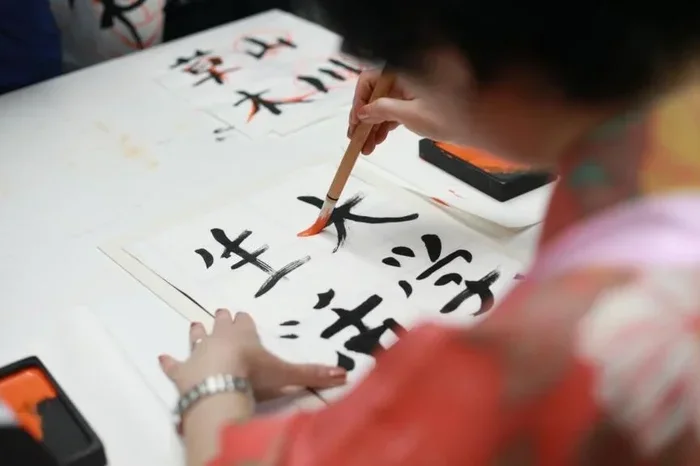

Learning how to say 20 in Japanese is simple and rewarding. The word is “nijuu” (二十), and it follows a clear pattern in the Japanese counting system. This guide covers pronunciation, writing, usage, and fun practice tips so you can confidently use this number every day.
Have you ever found yourself wondering how to say 20 in Japanese? Maybe you are counting items at a market, telling someone your age, or just brushing up on your japanese numbers. Whatever the reason, knowing how to express this number opens a small but satisfying door into the japanese language. In this guide, we walk you through everything you need to know about the number twenty in Japanese, from pronunciation to real-world usage.
The good news is that Japanese counting follows a very logical pattern. Once you understand how the system works, numbers like 20 become easy to grasp. You will learn the basic word, how to write it, how to say it out loud, and how to use it in everyday sentences. Let us get started.
Key Takeaways
- Basic Form: The number 20 in Japanese is “nijuu,” written as 二十 in kanji.
- Pronunciation Is Straightforward: “Nee-joo” is easy to say, even for beginners.
- Pattern-Based System: Japanese counting uses a logical base-ten structure, making 20 easy to build from smaller numbers.
- Multiple Uses: You can use “nijuu” in counting objects, telling time, expressing age, and more.
- Common Mistakes Are Easy to Avoid: Mixing up “nijuu” with similar-sounding numbers is the biggest pitfall, and we show you how to prevent it.
📑 Table of Contents
- What Is “20” in Japanese? The Basic Form
- How to Pronounce 20 in Japanese
- Understanding the Japanese Counting System
- How to Use 20 in Everyday Japanese Sentences
- Fun Ways to Practice Counting to 20 in Japanese
- Common Mistakes When Learning to Say 20 in Japanese
- Expert Insights on Mastering Japanese Numbers
- Conclusion
What Is “20” in Japanese? The Basic Form
The number 20 in Japanese is nijuu (二十). This is the standard way to say and write twenty in the language. The kanji characters used are 二 for “two” and 十 for “ten.” When you put them together, the meaning becomes “two tens,” which equals twenty. This compound-style approach is how the Japanese number system builds larger numbers from smaller building blocks.
In japanese numerals, you will notice that many numbers follow this same logic. For example, 30 is “sanjuu” (三十), meaning “three tens.” Once you grasp this pattern, counting beyond 20 becomes much easier. The system is clean, consistent, and very learner-friendly.
How to Write 20 in Japanese
You can write 20 in Japanese in three ways:
- Kanji: 二十 (nijuu)
- Hiragana: にじゅう (nijuu)
- Arabic numerals: 20
In everyday writing, Japanese people often use Arabic numerals like “20” in casual contexts. However, kanji and hiragana forms appear more often in formal writing, books, and traditional settings. As a learner, being comfortable with all three forms will serve you well.
How to Pronounce 20 in Japanese
Pronouncing nijuu correctly is simpler than it might look at first. Let us break it down into two syllables:
- Ni — pronounced like “knee” in English. Keep the vowel short and clear.
- Juu — pronounced like “joo.” The “j” sound is soft, similar to the “j” in “jam.”
Put them together, and you get “nee-joo.” That is it! The rhythm is smooth and even. Some learners worry about the long vowel sound in “juu,” but in natural speech, it is not held for too long. A quick, clear delivery sounds the most natural.
Listening Tips for Better Pronunciation
Here are a few quick tips to sharpen your pronunciation of how to say 20 in japanese:
- Listen to native speakers saying “nijuu” on language apps or YouTube.
- Record yourself and compare your pronunciation with the original.
- Practice saying the word slowly, then gradually speed up.
- Focus on keeping the “ni” short and the “juu” crisp.
Consistent practice makes a big difference. Even just five minutes a day of repeating the number aloud will build your confidence fast.
Understanding the Japanese Counting System
One of the best things about learning japanese counting is that it follows a logical, repeating pattern. The base-ten structure means that once you know the numbers one through ten, you can build almost any number from there. This makes learning japanese numbers much less overwhelming than it might seem at first.
Here is a quick look at how the pattern works for multiples of ten:
- 10 = juu (十)
- 20 = nijuu (二十)
- 30 = sanjuu (三十)
- 40 = yonjuu (四十)
- 50 = gojuu (五十)
- 60 = rokujuu (六十)
- 70 = nanajuu (七十)
- 80 = hachijuu (八十)
- 90 = kyuujuu (九十)
- 100 = hyaku (百)
As you can see, the pattern is very predictable. The multiplier comes first, followed by “juu” for ten. This same logic extends to numbers like 21, 35, and 47. You simply add the ones digit after the tens digit. For example, 21 is “nijuu ichi” (twenty one), and 35 is “sanjuu go” (thirty five).
Why the System Feels Different from English
In English, we have unique words for numbers like eleven, twelve, and twenty. Japanese takes a more formulaic approach. This means that once you learn the core building blocks, you can generate a wide range of numbers with very few rules. The japanese number system is one of the most straightforward aspects of the language, and that is great news for beginners.
If you enjoy learning about Japanese culture alongside numbers, you might also like exploring Japanese fox names or checking out Japanese cat names for a fun look at how Japanese words come to life in everyday contexts.
How to Use 20 in Everyday Japanese Sentences
Knowing the word “nijuu” is only half the battle. The real skill is using it naturally in conversation. Here are some common situations where you will need to say 20 in Japanese.
Counting Objects
When counting items, Japanese uses counter words. The basic counter for general objects is “hon” (ほん), though the counter changes depending on the type of item. Here is an example:
- 二十冊 (nijuu satsu) — twenty books
- 二十個 (nijuu ko) — twenty items
Notice that the number “nijuu” stays the same, but the counter word changes based on what you are counting. This is a key feature of the japanese counting system that takes a little practice but becomes second nature over time.
Telling Age
In Japanese, you can express age using the word “sai” (歳), which means “years old.”
- 二十歳 (nijuu sai) — twenty years old
This is a very common phrase, especially if you are introducing yourself or asking someone else their age. It is polite and straightforward.
Telling Time
When telling time on a clock, you would say:
- 二十時 (nijuu ji) — 20:00 or 8 PM
Japanese uses a 24-hour clock format in many formal and informal settings. So “nijuu ji” simply means the twentieth hour, which is 8 PM in the evening.
Expressing Price or Quantity
If you are shopping or discussing amounts, “nijuu” can appear in many practical phrases:
- 二十ドル (nijuu doru) — twenty dollars
- 二十人 (nijuu nin) — twenty people
Each of these uses the same base number “nijuu” paired with a different counter or unit. This versatility is one of the reasons the japanese numeric system is so efficient and elegant.
Fun Ways to Practice Counting to 20 in Japanese
Practice does not have to be boring. Here are some enjoyable methods to help you remember how to say 20 in japanese and strengthen your overall japanese vocabulary.
1. Count Everyday Objects
Next time you are at home, try counting items around you in Japanese. Count twenty pencils, twenty books, or twenty pieces of clothing. Saying the numbers out loud while pointing at real objects helps your brain make strong connections.
2. Use Flashcards
Create simple flashcards with the kanji on one side and the pronunciation on the other. Review them daily for just five to ten minutes. Over time, you will start recognizing japanese kanji numbers without even trying.
3. Sing or Chant
Try chanting the numbers from one to twenty in a rhythmic pattern. Some learners find that setting numbers to a simple melody makes them stick in memory much faster. It is a playful way to reinforce what you have learned.
4. Practice with a Language Partner
Find a friend or language exchange partner who is also learning Japanese. Take turns quizzing each other on numbers. Teaching someone else is one of the best ways to solidify your own knowledge.
If you love Japanese culture and animals, you might enjoy learning about Japanese ferret names as a fun side adventure while you build your language skills.
Common Mistakes When Learning to Say 20 in Japanese
Even the most dedicated learners make mistakes. Here are the most common ones and how to avoid them.
Mistake 1: Confusing “Nijuu” with “Niju”
Some learners drop the second “u” sound and say “niju” instead of “nijuu.” This is incorrect. Always include both syllables in “juu” to say the number properly. The long vowel sound is important in Japanese, and dropping it can change the meaning of a word entirely.
Mistake 2: Mixing Up the Kanji Order
The kanji for 20 is 二十, not 二十二 or 二十 in reverse. The “two” (二) comes first, followed by “ten” (十). Remembering this order is essential for writing the number correctly.
Mistake 3: Using the Wrong Counter
As mentioned earlier, Japanese uses different counters for different types of objects. Using the wrong counter can sound awkward or confusing. Take time to learn the most common counters, and you will avoid this pitfall.
Mistake 4: Ignoring Context
The way you say and write numbers can shift slightly depending on the situation. Formal writing, casual conversation, and phone numbers all have their own nuances. Pay attention to context, and your number skills will improve quickly.
Quick Tip: If you are ever unsure about a number, try breaking it down into smaller parts. Twenty is simply “two tens.” This mental shortcut works for many numbers in the japanese counting system and makes learning feel much less intimidating.
Expert Insights on Mastering Japanese Numbers
Language experts agree that the key to mastering how to say 20 in japanese — and numbers in general — is consistent, spaced repetition. Rather than cramming, try reviewing numbers for just a few minutes each day. This approach leverages how your brain naturally retains information over time.
Another expert tip is to connect numbers to real-life experiences. When you buy something for twenty dollars or meet someone who is twenty years old, say the number in Japanese in your head. These small, real-world moments reinforce your learning far more effectively than memorization alone.
Many learners also benefit from understanding the cultural context behind numbers in Japan. For instance, the number 20 holds significance in the Japanese coming-of-age tradition. The Seijin no Hi (Coming of Age Day) celebration honors those who have turned twenty during the year. This cultural connection adds meaning and motivation to your number learning journey.
Similarly, if you are exploring Japanese naming traditions, you might find it interesting to look at in situ meaning and how Japanese words gain depth from their context. Understanding these nuances enriches your overall language experience.
Conclusion
Learning how to say 20 in japanese is a wonderful first step into the broader world of japanese numbers and japanese language basics. The word “nijuu” is easy to pronounce, simple to write, and incredibly useful in daily life. From counting objects to telling age and time, this one number opens up a range of practical conversations.
The Japanese counting system is logical, patterned, and designed to be learned step by step. Once you understand how “nijuu” fits into that system, you will find that larger numbers become just as manageable. Keep practicing, stay curious, and enjoy the process of building your japanese vocabulary one number at a time.
Remember, every number you learn brings you closer to fluency. Twenty might be just one number, but it is a powerful milestone on your language journey. Keep going, and you will be counting all the way to one hundred in no time.
Frequently Asked Questions
How do you write 20 in Japanese kanji?
The kanji for 20 is 二十, which combines the character for two (二) and the character for ten (十). Together, they represent “two tens,” or twenty.
What is the pronunciation of 20 in Japanese?
The pronunciation is “nijuu,” which sounds like “knee-joo.” The first syllable is short and crisp, and the second syllable has a soft “j” sound followed by a long “oo.”
Is the Japanese counting system difficult to learn?
Not at all. The Japanese counting system is highly logical and pattern-based. Once you learn the numbers one through ten, you can build larger numbers using simple rules. This makes it one of the easier aspects of the language to pick up.
Can you use Arabic numerals instead of Japanese words?
Yes, many Japanese people use Arabic numerals like “20” in everyday writing, especially in casual contexts. However, learning the kanji and hiragana forms is important for reading traditional texts and formal documents.
How long does it take to learn Japanese numbers?
With consistent daily practice of just five to ten minutes, most learners can comfortably count to twenty within a few days. The key is repetition and using the numbers in real-life contexts whenever possible.
Why is the number 20 significant in Japanese culture?
The number 20 marks the traditional age of adulthood in Japan. The Coming of Age Day celebration, held every January, honors young people who have turned twenty during the year, making it a culturally important milestone.



