
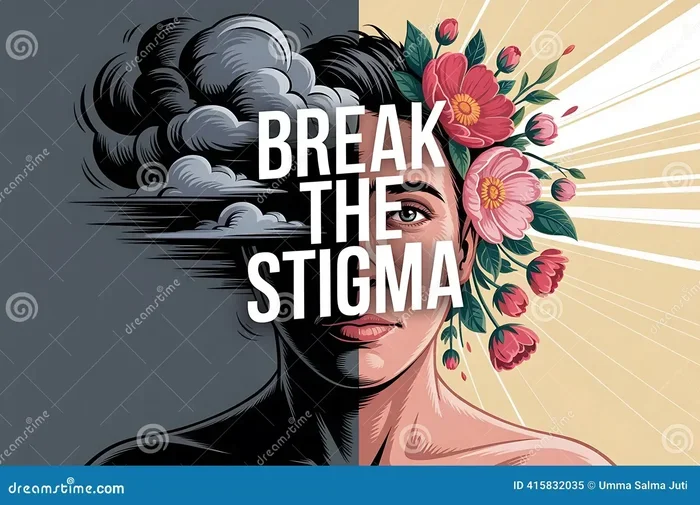

The stigma meaning refers to the mark of disgrace or shame attached to a person or group based on certain traits or circumstances. It creates unfair barriers in mental health, healthcare, and everyday social life. Understanding stigma meaning helps us recognize harmful stereotypes and work toward a more accepting world. This guide breaks down what stigma really is, where it comes from, and how to fight it.
Key Takeaways
- Stigma meaning is the social disgrace attached to certain traits, conditions, or identities that leads to unfair treatment.
- There are three main types of stigma: public stigma, self-stigma, and institutional stigma, each affecting people differently.
- Stigma causes real harm, including social isolation, delayed treatment, and worsened mental health outcomes.
- Stigma often starts from fear, misinformation, and cultural beliefs passed down through generations.
- Overcoming stigma requires education, open conversations, and personal action from all of us.
- Stigma reduction strategies work best when they combine personal stories, research, and community support.
📑 Table of Contents
What Does Stigma Meaning Really Mean?
Let’s start with the basics. The stigma meaning is simple on the surface but deep in its impact. At its core, stigma means a strong feeling of disapproval that society places on a person or group. It is like a label that sticks to someone and changes how others treat them.
When we talk about stigma meaning, we are really talking about shame. Shame that is not earned. Shame that is placed on people for things they cannot control or did not choose. A stigma definition often includes words like disgrace, mark, or stain. But none of those words capture the full weight of what stigma does to real people.
The word “stigma” comes from ancient Greece. Back then, people would brand slaves or criminals with a physical mark. That mark told everyone that the person was different. Today, stigma works in much the same way. Instead of a physical brand, we carry invisible marks. These marks come from labels, stereotypes, and unfair judgments.
Understanding stigma meaning matters because it affects millions of people every single day. It shapes how people see themselves. It changes how doctors treat patients. It even decides who gets a job and who does not. When we understand stigma, we take the first step toward ending it.
Why Stigma Meaning Matters in Everyday Life
You might wonder why stigma meaning deserves so much attention. The answer is simple. Stigma touches almost every part of life. It shows up in schools, workplaces, hospitals, and even in our own homes.
When someone faces stigma, they often feel alone. They may hide who they are. They might avoid seeking help because they fear judgment. This is why stigma meaning is not just an academic concept. It is a real force that shapes real lives every day.
Think about it this way. If someone has a broken arm, everyone rushes to help. But if someone has depression, some people look away. That difference in treatment is stigma in action. It is unfair. And it causes real pain.
The Different Types of Stigma
Now that we understand the stigma meaning, let us look at the different forms it takes. Stigma is not one-size-fits-all. It shows up in many ways, and each type carries its own weight.
Public Stigma
Public stigma is the most visible form. It is the negative attitude that the general public holds toward certain groups. When people believe harmful stereotypes about mental illness, for example, that is public stigma at work.
Here is a quick example. If a person with a mental health condition loses a job, some people might blame the person. They might say the person is “weak” or “crazy.” Those judgments are public stigma. They come from a lack of understanding and deep-rooted prejudice.
Public stigma creates a cycle of harm. It leads to discrimination. It leads to exclusion. And it makes life harder for the people who already face enough challenges.
Self-Stigma
Self-stigma happens inside a person’s own mind. It is when someone starts to believe the negative things society says about them. They begin to shame themselves for something they cannot control.
For example, a person living with HIV might start to feel dirty or worthless. They might pull away from friends and family. This internalized shame is self-stigma, and it can be just as damaging as public stigma. Sometimes, it is even worse.
Self-stigma often leads to social rejection of oneself. A person stops reaching out for support because they believe they do not deserve it. This is one of the most painful parts of living with stigma.
Institutional Stigma
Institutional stigma is built into systems and organizations. It happens when laws, policies, or practices unfairly treat certain groups of people.
For instance, if a healthcare system does not cover mental health treatment the same way it covers physical health, that is institutional stigma. If schools suspend students with behavioral health issues instead of offering support, that is also institutional stigma.
This type of stigma is harder to see because it hides inside rules and structures. But its effects are very real. It limits opportunities. It blocks access to care. And it sends a message that certain people matter less.
Comparison Table: The Three Main Types of Stigma
| Type of Stigma | Where It Comes From | How It Shows Up | Who It Affects |
|---|---|---|---|
| Public Stigma | General public attitudes | Discrimination, avoidance, stereotypes | People with stigmatized conditions or identities |
| Self-Stigma | Internalized negative beliefs | Shame, withdrawal, low self-worth | The individuals carrying the stigma |
| Institutional Stigma | Systemic policies and practices | Unequal access, unfair rules | Groups affected by institutional decisions |
How Stigma Affects People’s Lives
The effects of stigma go far beyond hurt feelings. Stigma creates real, measurable harm in people’s lives. It touches physical health, mental health, relationships, and opportunities.
Mental Health Impact
Stigma and mental health are deeply connected. When people fear being judged, they often stay silent. They hide their struggles. They avoid getting the help they need.
This is one of the biggest reasons people do not seek mental health treatment. They worry about being labeled as “crazy” or “dangerous.” The fear of social rejection keeps them suffering in private. Over time, untreated conditions get worse.
Stigma in mental health also makes recovery harder. A person fighting depression already deals with low energy and hopelessness. Add the weight of shame, and the road to healing becomes even steeper.
Physical Health Impact
Stigma does not just hurt the mind. It hurts the body too. People who face stigma often avoid doctors. They skip checkups. They delay treatment for serious conditions.
For example, stigma in healthcare can stop someone from getting tested for HIV or seeking help for substance use. They fear being judged by medical staff. So they suffer in silence until their condition becomes severe.
Studies show that people who experience stigma have higher rates of chronic stress. This stress leads to heart disease, weakened immune systems, and other physical problems. The harm is real and measurable.
Social and Economic Impact
Stigma also damages a person’s social life and finances. People who face stigma often lose friends. They feel isolated. Some lose jobs or struggle to find work.
Stigma and discrimination go hand in hand. When employers hold stereotypes, they pass over qualified candidates. When landlords believe false ideas, they refuse to rent to certain people. This creates cycles of poverty and exclusion.
Children are especially vulnerable. Kids who face stigma at school may struggle with grades. They may avoid friendships. Some even drop out. The effects of stigma on young people can last a lifetime.
Quick Tips: How Stigma Affects Daily Life
- Avoiding social situations out of fear of judgment or rejection.
- Delaying medical care because of fear of being labeled.
- Struggling at work or school due to stress and isolation.
- Hiding your true self from friends, family, or partners.
- Internalizing negative beliefs about your own worth.
Where Does Stigma Come From?
Understanding the stigma meaning also means understanding where it starts. Stigma does not appear out of nowhere. It grows from fear, ignorance, and cultural norms.
Fear of the Unknown
One of the biggest roots of stigma is fear. People fear what they do not understand. When something is unfamiliar, the brain’s first reaction is often to pull away.
For example, many people do not understand mental health conditions. They see behaviors they cannot explain, and instead of asking questions, they judge. Fear turns into stereotypes. Stereotypes turn into stigma. And stigma turns into real harm.
This fear-based reaction is not a personal failing. It is a human tendency. But it is one we must work hard to overcome.
Misinformation and Stereotypes
Misinformation feeds stigma. When people hear false things about a group, they start to believe them. These false beliefs become stereotypes. And stereotypes become the foundation of stigma.
For instance, many people wrongly believe that substance use disorders are a moral failing. They think people choose to be addicted. This stereotype ignores the science of addiction. It ignores brain chemistry and environmental factors. But the stereotype sticks. And it causes real damage.
Cultural and Historical Factors
Stigma also comes from culture and history. Different societies carry different stigmas. Some cultures stigmatize certain diseases more than others. Some communities hold onto old beliefs that no longer serve anyone.
Historical events have also shaped modern stigma. The way societies treated leprosy in the past, for example, created lasting stereotypes. The way mental illness was handled in asylums decades ago still affects how people see mental health today.
These cultural stigmas do not disappear overnight. They take time, education, and effort to undo.
Expert Insight: The Roots of Stigma
According to researchers, stigma often starts in childhood. Children pick up on differences early. They notice when someone looks different, acts differently, or comes from a different background. Without guidance, these early observations turn into biases that follow people into adulthood.
This is why stigma reduction efforts often start with young people. Teaching children empathy and understanding early can prevent stigma from taking root in the first place.
Ways to Overcome and Reduce Stigma
The good news is that stigma is not permanent. It can be challenged. It can be reduced. And it can be overcome. But it takes work from all of us.
Education and Awareness
The most powerful tool against stigma is education. When people learn the truth about a condition or identity, fear goes down. Understanding goes up.
Schools can teach students about mental health conditions and chronic illnesses from a young age. Workplaces can offer training on diversity and inclusion. Communities can host workshops that share accurate information.
When we replace ignorance with knowledge, stigma loses its power. Facts are stronger than stereotypes.
Open and Honest Conversations
Talking openly about stigma is another key strategy. When people share their stories, it breaks the silence. It shows others that they are not alone.
Personal stories are incredibly powerful. When a public figure speaks about their mental health challenges, it gives others permission to do the same. When a friend shares their experience with substance use, it humanizes the issue.
These conversations do not need to be grand. A simple chat with a coworker or a post on social media can make a difference. Every honest conversation chips away at stigma.
Language Matters
How we talk about stigma matters a great deal. The words we use can either hurt or heal. Using person-first language is one of the simplest ways to reduce stigma.
Instead of saying “a schizophrenic,” say “a person living with schizophrenia.” Instead of “an addict,” say “a person with a substance use disorder.” These small changes remind us that a person is not their condition.
Language shapes perception. When we choose our words carefully, we create a world that is more welcoming and kind.
Building Supportive Communities
Communities play a huge role in stigma reduction. When people feel supported, they are more likely to seek help. They are more likely to speak up. They are more likely to thrive.
Support groups, online communities, and local organizations all help build this sense of belonging. They remind people that they are not alone. They show that overcoming stigma is possible with the right support.
Quick Tips: How You Can Help Reduce Stigma
- Speak up when you hear someone making harmful stereotypes.
- Use respectful language that puts the person first.
- Share your own story if you feel safe doing so.
- Educate yourself about conditions and identities you do not understand.
- Support organizations that work on stigma reduction.
- Listen without judgment when someone opens up to you.
Stigma in Different Areas of Life
Stigma does not just exist in one place. It shows up in many areas of life. Let us look at where stigma meaning plays out most often.
Stigma and Mental Health
Stigma in mental health is one of the most common and damaging forms. People with depression, anxiety, bipolar disorder, and other conditions often face judgment from others and from themselves.
This stigma stops people from getting help. It makes recovery harder. And it keeps the cycle of silence going. Breaking this cycle requires courage, compassion, and a commitment to stigma reduction.
Stigma and Physical Health
Conditions like HIV, cancer, obesity, and even common illnesses can carry stigma. People may blame themselves or others for these conditions. They may face discrimination in healthcare settings.
Stigma in healthcare is a serious problem. When doctors or nurses hold biases, patients receive worse care. They may not be taken seriously. They may not get the treatment they need.
Stigma in the Workplace
Workplace stigma is a growing concern. People may hide their mental health challenges for fear of losing their jobs. They may not disclose a disability or a chronic condition.
This hiding takes a toll. It increases stress. It reduces productivity. It damages morale. Companies that actively fight stigma create healthier, happier, and more productive workplaces.
Stigma in Schools
Schools should be safe places for every child. But stigma and discrimination often show up in classrooms. Kids with learning differences, mental health conditions, or physical disabilities may be bullied or left out.
Teachers and parents play a key role in fighting school stigma. When adults model respect and inclusion, children learn to do the same. Anti-bullying programs and mental health education in schools make a real difference.
Stigma and Identity
Many people face stigma because of their identity. This includes race, gender, sexual orientation, religion, and more. Identity-based stigma can be deeply painful. It tells people that who they are is wrong or less than.
Fighting identity-based stigma requires standing up for fairness and equality. It requires listening to marginalized voices. And it requires challenging the systems that allow discrimination to continue.
Key Takeaways
- The stigma meaning is the social disgrace placed on individuals or groups based on certain traits, conditions, or identities.
- Public stigma, self-stigma, and institutional stigma are the three main types, each with distinct causes and effects.
- Stigma causes serious harm to mental health, physical health, social relationships, and economic opportunities.
- Stigma grows from fear, misinformation, cultural beliefs, and historical patterns of discrimination.
- Education, open conversations, respectful language, and supportive communities are the most effective tools for stigma reduction.
- Overcoming stigma is a shared responsibility that requires effort from individuals, organizations, and entire societies.
Conclusion
The stigma meaning goes far deeper than most people realize. It is not just a word or a concept. It is a force that shapes lives, limits opportunities, and causes real suffering. But understanding stigma is the first step toward changing it.
When we learn what stigma really means, we become better equipped to fight it. We become better friends, coworkers, neighbors, and human beings. We learn to see people for who they are, not for the labels society places on them.
Overcoming stigma is not one person’s job. It belongs to all of us. Every conversation, every act of kindness, and every effort to learn more chips away at the walls that stigma builds. We can create a world where people are judged by their character, not by their conditions.
Start today. Learn more. Speak up. And help spread the word about what stigma really means and how we can end it together.
Frequently Asked Questions
What is the stigma meaning in simple terms?
In simple terms, stigma means a strong feeling of disapproval or shame that society places on a person or group. It is like an unfair label that changes how people are treated. The stigma meaning covers any situation where someone is judged negatively for a trait, condition, or identity they have.
What are the three main types of stigma?
The three main types are public stigma, self-stigma, and institutional stigma. Public stigma comes from the attitudes of the general public. Self-stigma happens when a person starts to believe negative things about themselves. Institutional stigma is built into laws, policies, and systems that unfairly treat certain groups.
How does stigma affect mental health?
Stigma makes people afraid to seek help for mental health conditions. It causes shame, isolation, and delays in treatment. Many people hide their struggles because they fear being judged. This can make mental health conditions worse over time and make recovery much harder.
Can stigma be overcome?
Yes, stigma can be overcome, but it takes effort. Education, open conversations, and respectful language all help reduce stigma. Building supportive communities and sharing personal stories also make a big difference. Overcoming stigma is a shared journey that requires patience and commitment from everyone.
Why does stigma still exist in modern society?
Stigma still exists because of fear, misinformation, and long-held cultural beliefs. People often fear what they do not understand. Stereotypes get passed down through generations, and without intentional effort to challenge them, they continue. Overcoming stigma requires active education and honest conversations at every level of society.
What is the difference between stigma and discrimination?
Stigma is the negative attitude or belief about a person or group. Discrimination is the action that comes from that attitude. For example, stigma is thinking less of someone because of their condition. Discrimination is treating them unfairly because of that belief. Both cause harm, but they operate at different levels. Stigma reduction helps reduce discrimination over time.



