

Ireland has its own unique way of celebrating Christmas, and knowing how to say Merry Christmas in Ireland will help you connect with locals and experience the culture authentically. The traditional Irish phrase Nollaig Shona Duit is the heart of Irish Christmas greetings, and understanding its meaning opens the door to rich Celtic traditions. This guide covers everything from pronunciation to customs you will love.
Key Takeaways
- The Irish greeting for Christmas is “Nollaig Shona Duit,” which means “Happy Christmas to you” in the Irish language.
- Ireland has unique Christmas traditions like Wren Day, Little Christmas, and the Christmas candle in the window.
- Pronouncing Irish Christmas phrases correctly shows respect for the culture and language.
- Irish Christmas celebrations blend old Celtic customs with modern festive fun.
- Knowing these greetings and traditions will make your Irish Christmas experience truly memorable.
📑 Table of Contents
- The Irish Way of Celebrating Christmas
- How to Say Merry Christmas in Ireland the Right Way
- Other Irish Christmas Greetings You Should Know
- Irish Christmas Traditions and Customs
- Modern Irish Christmas Celebrations
- Quick Tips for Using Irish Christmas Greetings
- Common Mistakes to Avoid
- Expert Insights on Irish Christmas Culture
- Key Takeaways
- Conclusion
The Irish Way of Celebrating Christmas
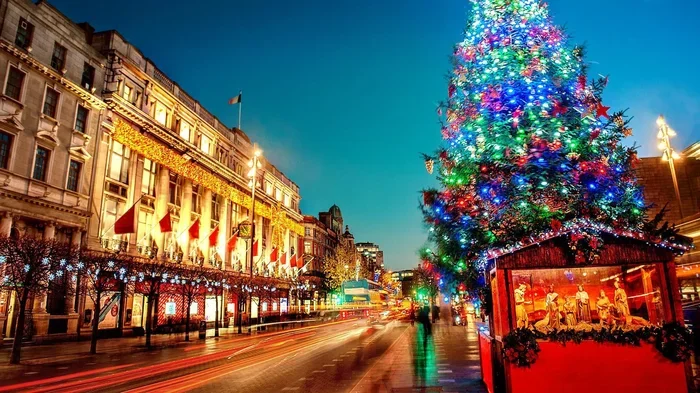
Christmas in Ireland is something special. The country has a deep history of festive celebrations that go back centuries. When you visit during the holiday season, you will feel the magic everywhere. Lights shine brightly on cobblestone streets. Pubs fill with carolers. Families gather around warm fireplaces with plates of rich food.
But there is more to Irish Christmas than meets the eye. The traditions run deep. They connect to the land, the language, and the spirit of community. Understanding these customs makes your visit so much richer. It also shows respect for the culture. So let us dive into how the Irish celebrate the most wonderful time of the year.
One of the first things you will want to know is how to greet people properly. Saying the right greeting in Ireland goes a long way. It shows you care about their heritage. This is where the magic of Irish Christmas greetings begins.
What Makes Christmas in Ireland Unique
Ireland has a blend of old Celtic traditions and Christian customs. This mix creates a Christmas experience unlike any other place. The country celebrates Christmas Day on December 25th. But the festivities often start earlier and last longer than in many other countries.
For example, the Irish celebrate a day called Little Christmas on January 6th. This is also known as Epiphany or Women’s Christmas. On this day, women traditionally take a break from cooking. They enjoy time with friends and family. It is a beautiful tradition that many Irish people still cherish today.
The Christmas candle in the window is another beloved custom. Families place a lit candle in their window on Christmas Eve. It symbolizes welcome for Mary and Joseph. It also represents hope and warmth during the dark winter nights. Seeing these candles glowing from every cottage is truly enchanting.
How to Say Merry Christmas in Ireland the Right Way
The most important greeting you will need is the Irish phrase for Merry Christmas. In the Irish language, it is Nollaig Shona Duit (pronounced null-ig hun-ah gwitch). This phrase literally means “Happy Christmas to you.” It is warm, respectful, and deeply rooted in Irish culture.
If you are speaking to more than one person, you would say Nollaig Shona Daoibh (null-ig hun-ah deev). The pronunciation is slightly different but the meaning is the same. Using these phrases will instantly make you stand out as someone who appreciates Irish culture.
The Traditional Irish Phrase Explained
Let us break down the phrase Nollaig Shona Duit so it is easier to understand. “Nollaig” means Christmas. “Shona” means happy or blessed. “Duit” means to you. When you put it all together, you get “Happy Christmas to you.”
The Irish language, also known as Gaeilge, is an important part of Irish identity. Even though most people in Ireland speak English, the Irish language still holds a special place. Using Irish greetings during the holiday season is a lovely way to honor that heritage. It is also a great conversation starter with locals.
The concept of in situ meaning plays a role here too. When you use the Irish phrase in Ireland, you are speaking the language in its natural cultural setting. The words carry more weight and meaning when used where they belong. This is the in situ meaning of these greetings — they come alive in the context of Irish culture.
Pronunciation Guide for Irish Christmas Greetings
Pronouncing Irish words can feel tricky at first. But do not worry. The Irish people are very welcoming and will appreciate your effort. Here is a simple guide to help you get it right.
- Nollaig — pronounced “null-ig.” The “ll” is a soft sound, almost like an “l.”
- Shona — pronounced “hun-ah.” The “sh” sounds like “huh,” and the “ona” rhymes with “bah.”
- Duit — pronounced “gwitch” or “ditch.” The “ui” combination makes a soft “gwitch” sound.
Practice saying it a few times before your trip. Even a rough attempt will bring smiles to Irish faces. They truly value the effort. And remember, the spirit behind the words matters more than perfect pronunciation.
Other Irish Christmas Greetings You Should Know
While Nollaig Shona Duit is the most common greeting, there are other lovely phrases you can use. These will help you sound even more authentic during your Irish Christmas visit.
- Nollaig Shona — This is a shorter version meaning “Happy Christmas.” Use it with friends or in casual settings.
- Geallaí na Nollag sona duit — This means “Merry Christmas to you” in a more formal way.
- Lá Nollag shona duit — Another variation that means “A happy Christmas Day to you.”
You might also hear people say simple English phrases like “Happy Christmas” instead of “Merry Christmas.” This is common in Ireland. The Irish tend to prefer “Happy Christmas” over “Merry Christmas.” It is a small but meaningful difference. Now you know why you will hear it everywhere during the season.
Using these phrases connects you to the local culture in a meaningful way. It shows that you have taken the time to learn something about Ireland. That effort is always appreciated.
Irish Christmas Traditions and Customs
Christmas greetings are just the beginning. The Irish have a rich tapestry of traditions that make the season truly special. Let us explore some of the most beloved customs.
The Wren Day Tradition
On December 26th, also known as St. Stephen’s Day or Wren Day, Irish people celebrate a unique tradition. In the past, groups of “Wren Boys” would go from house to house. They carried a fake wren on a decorated pole. People would give them money or treats as a sign of good luck.
Today, Wren Day parades still happen in many towns across Ireland. People dress in colorful costumes and masks. They dance through the streets playing music. It is lively, fun, and full of energy. If you are in Ireland on December 26th, do not miss this celebration.
Little Christmas and Women’s Christmas
January 6th marks the end of the Christmas season in Ireland. This day is called Little Christmas or Women’s Christmas. The tradition dates back centuries. On this day, women were finally given a break from all the cooking and cleaning.
Today, Women’s Christmas is celebrated with gatherings among friends. Women enjoy a meal out or share gifts with each other. It is a beautiful way to honor the hard work that goes into the holiday season. Many Irish families still follow this tradition with pride.
The Christmas Dinner Tradition
Irish Christmas dinner is a feast worth mentioning. The centerpiece is usually a roasted turkey or ham. It is served with roast potatoes, stuffing, and vegetables. The meal is hearty and filling — perfect for a cold Irish winter night.
After dinner, families often enjoy Christmas pudding or mince pies. A rich brandy sauce usually accompanies the pudding. The whole family gathers around the table to share stories and laughter. It is a warm and cozy way to end the day.
Modern Irish Christmas Celebrations
While old traditions remain strong, modern Irish Christmas celebrations have their own charm. Cities like Dublin and Cork come alive with festive lights and markets. Shopping districts are decorated beautifully. The streets buzz with holiday energy.
Many families also enjoy watching the Christmas Day radio broadcast from RTE. It has been a tradition since the 1930s. Families gather around the radio or television to listen to music and messages from loved ones. It is a nostalgic and heartwarming way to spend the morning.
Another modern tradition is the Christmas visit to the pub. Irish pubs host special Christmas events with live music and carol singing. People sing traditional Irish Christmas carols together. The atmosphere is joyful and full of good cheer. It is a wonderful way to experience the local culture.
Families also exchange gifts on Christmas morning. Children wake up early to see what Santa has left. The excitement is palpable. Many homes also have a Christmas tree decorated with ornaments and fairy lights. Some families even name their Christmas decorations with fun names, similar to how people choose Christmas teddy bear names for their festive stuffed animals.
Quick Tips for Using Irish Christmas Greetings
Here are some practical tips to help you use Irish Christmas greetings with confidence and charm during your visit.
- Practice before you go. Say “Nollaig Shona Duit” out loud a few times each day before your trip. It will feel more natural when the moment comes.
- Use it with a smile. The Irish love warmth and friendliness. A genuine smile paired with the greeting will make someone’s day.
- Do not worry about perfection. Locals will appreciate your effort even if your pronunciation is not perfect. The intention matters most.
- Pair it with a local custom. Mentioning a tradition like Wren Day or Little Christmas shows you have done your homework. It makes for great conversation.
- Learn a few more phrases. Even basic Irish phrases like “Dia dhuit” (Hello) or “Go raibh maith agat” (Thank you) will earn you goodwill.
Common Mistakes to Avoid
Even with the best intentions, some mistakes can happen when using Irish Christmas greetings. Here are a few to watch out for.
- Do not confuse “Merry Christmas” with “Happy Christmas.” In Ireland, “Happy Christmas” is the preferred phrase. Saying “Merry Christmas” is not wrong, but “Happy Christmas” sounds more natural.
- Do not mispronounce “Nollaig Shona Duit.” Take your time and practice. A sincere attempt is always better than staying silent.
- Do not assume everyone speaks Irish. While the language is important, most daily conversations happen in English. Use Irish greetings when appropriate, but do not force them.
- Do not skip the cultural context. Irish Christmas greetings carry meaning beyond just the words. Understanding the traditions behind them enriches the experience.
Expert Insights on Irish Christmas Culture
According to cultural experts, the Irish approach to Christmas is deeply communal. It is not just about one day. It is about the entire season of connection and togetherness. The Irish value presence over presents. Spending time with loved ones matters more than any gift under the tree.
The language also plays a vital role. Irish Christmas greetings are not just phrases. They are a bridge to a deeper cultural identity. When you say “Nollaig Shona Duit,” you are participating in a tradition that has survived for generations. It is a small but powerful way to honor Ireland’s rich heritage.
Travelers who take the time to learn these greetings often report the warmest welcomes. Irish people are genuinely touched when visitors show interest in their language and customs. It creates a bond that goes beyond the typical tourist experience.
Key Takeaways
- The core Irish greeting is “Nollaig Shona Duit,” meaning “Happy Christmas to you.”
- Ireland prefers “Happy Christmas” over “Merry Christmas” in everyday conversation.
- Unique traditions like Wren Day and Little Christmas add depth to the Irish holiday season.
- Pronunciation matters less than sincerity. The Irish appreciate any effort to speak their language.
- The Christmas candle in the window is a beautiful symbol of welcome and hope.
- Modern Irish Christmas celebrations blend old and new. You will find both traditional and contemporary festivities.
- Learning a few Irish phrases will enrich your holiday experience and earn you genuine smiles.
Conclusion
Now you know how to say Merry Christmas in Ireland the right way. The phrase Nollaig Shona Duit is your key to connecting with Irish culture during the most festive time of the year. It is simple yet powerful. It carries centuries of tradition and warmth in just a few words.
Beyond the greetings, Ireland offers a Christmas experience like no other. From the glowing candles in windows to the lively Wren Day parades, every tradition tells a story. The Irish people welcome visitors with open arms and full hearts. They love sharing their culture with those who show genuine interest.
So whether you are planning a trip to Ireland or simply want to impress your Irish friends, use these greetings and traditions. They will open doors and create moments you will treasure forever. The spirit of an Irish Christmas is all about community, warmth, and joy. Embrace it fully, and you will carry the magic with you long after the season ends.
Remember, the best way to honor any culture is to engage with it respectfully. Learn the language. Understand the traditions. And most importantly, enjoy the moment. A happy Irish Christmas to you!
Frequently Asked Questions
What does “Nollaig Shona Duit” mean in English?
Nollaig Shona Duit translates to “Happy Christmas to you” in English. “Nollaig” means Christmas, “Shona” means happy or blessed, and “Duit” means to you. It is the most traditional Irish Christmas greeting.
Is “Merry Christmas” or “Happy Christmas” more common in Ireland?
“Happy Christmas” is more common in Ireland than “Merry Christmas.” The Irish have traditionally used “Happy Christmas” in everyday conversation. Both are perfectly understood, but “Happy Christmas” sounds more natural to local ears.
How do you pronounce “Nollaig Shona Duit”?
Pronounce it as “null-ig hun-ah gwitch.” The “Nollaig” sounds like “null-ig,” “Shona” sounds like “hun-ah,” and “Duit” sounds like “gwitch” or “ditch.” Do not worry about being perfect — the Irish appreciate the effort.
What other Irish Christmas traditions should I know about?
Ireland has several unique traditions. Wren Day on December 26th features parades and costumes. Little Christmas on January 6th is celebrated as Women’s Christmas. The Christmas candle in the window symbolizes welcome and hope during the dark winter nights.
Can I use Irish Christmas greetings even if I am not Irish?
Absolutely. Irish people love it when visitors make an effort to use their language. Using greetings like “Nollaig Shona Duit” shows respect for their culture. It is a wonderful way to connect with locals during the holiday season.
What is the best way to experience an Irish Christmas?
Visit Ireland during December and January to experience the full festive season. Attend local pub carol singings, explore Christmas markets in Dublin or Cork, and try traditional Irish Christmas dinner. Engage with the customs and greetings to truly immerse yourself in the culture.



