
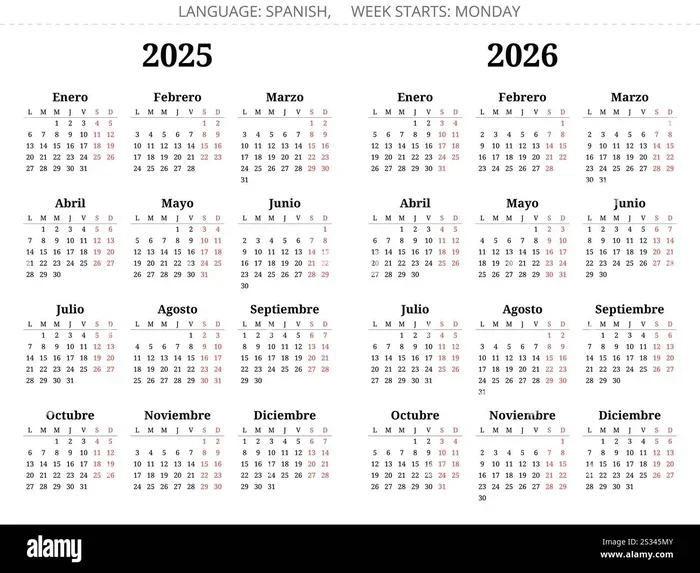

Knowing how to say todays date in spanish is a skill you will use every single day. Whether you are writing a letter, making plans, or just chatting with a friend, getting the date right in Spanish builds trust and shows respect. This guide breaks down the Spanish date format, days of the week, months of the year, and common phrases so you can sound like a local in no time.
Key Takeaways
- The Spanish date order flips from English: day comes before month, which is the opposite of how Americans write dates.
- Ordinal numbers matter: You need words like “primero” and “tercero” to say dates correctly in Spanish.
- Months are not capitalized in Spanish: This is a key difference from English that many learners miss.
- Formal and informal styles exist: Knowing both helps you switch between writing a business letter and texting a friend.
- Common mistakes are easy to avoid: Simple tips can prevent you from mixing up the date order or using the wrong gender for months.
- Pronunciation is straightforward: Most Spanish date words sound exactly how they are spelled, making it easy for beginners.
📑 Table of Contents
How to Say Todays Date in Spanish: A Complete Guide
If you have ever stared at a calendar in a Spanish-speaking country and felt confused, you are not alone. How to say todays date in spanish is one of the first things every language learner wants to master. The good news is that the system is logical and consistent once you understand a few basic rules.
Spanish date formats follow a clear structure that is different from what English speakers are used to. In English, we write the month first, then the day, then the year. In Spanish, the day comes first. This small shift changes everything, and once you get used to it, you will never go back. Let us walk through it together step by step.
Whether you are traveling to Spain, Mexico, or any other Spanish-speaking country, knowing the date is essential. You will need it for appointments, meetings, hotel check-ins, and casual conversations. This guide covers every part of the date so you can feel confident in any situation.
The Basic Spanish Date Structure
The standard way to write and say the date in Spanish follows this pattern: day + month + year. For example, if today is June 15, 2025, in English you would write “June 15, 2025.” In Spanish, you would write “15 de junio de 2025.” Notice how the day leads the sentence. This is the most common format you will see in everyday life.
When you say it out loud, you would say “quince de junio de dos mil veinticinco.” The word “de” appears multiple times, which is a small detail that makes a big difference. Using “de” correctly is what separates a learner from someone who sounds native.
Here is a quick look at how the basic structure works:
- Numeric format: 15/06/2025 or 15-06-2025
- Written format: 15 de junio de 2025
- Spoken format: quince de junio de dos mil veinticinco
The Spanish date format is used across all Spanish-speaking countries. However, some regions may use a dot instead of a slash, like 15.06.2025. Always pay attention to local conventions, especially when filling out official forms.
How to Write the Date in Spanish Formally
Formal date writing has its own set of rules. In official documents, letters, and academic papers, you will often see the full written-out format. This means spelling out the day and month rather than using numbers. The formal style is common in legal documents, contracts, and formal emails.
For formal writing, the structure looks like this: “El quince de junio de dos mil veinticinco.” Notice the article “El” at the beginning. In formal Spanish, you almost always include the definite article before the date. This is a key part of formal date writing Spanish that many people overlook.
Here are some formal date examples you can use as a reference:
- January 1, 2025: El primero de enero de dos mil veinticinco
- March 8, 2025: El ocho de marzo de dos mil veinticinco
- December 25, 2025: El veinticinco de diciembre de dos mil veinticinco
When you use formal date writing Spanish style, always remember to include “El” at the start. Omitting it can make your writing feel informal or incomplete in a professional setting.
Days of the Week in Spanish
Before you can confidently say the date, you need to know the days of the week. The Spanish days of the week are all masculine nouns, which means they all use the article “el” or “los” in plural. This is different from English, where days of the week do not have a gender.
Here are the seven days of the week in Spanish:
- Lunes (Monday)
- Martes (Tuesday)
- Miércoles (Wednesday)
- Jueves (Thursday)
- Viernes (Friday)
- Sábado (Saturday)
- Domingo (Sunday)
One important rule is that days of the week are never capitalized in Spanish, even at the beginning of a sentence. This surprises many English speakers at first. The days also do not take an accent mark except for “Miércoles,” which carries a written accent on the third syllable.
When telling someone what day it is, you simply say “Hoy es lunes” for “Today is Monday.” This phrase is one of the most common common Spanish phrases you will use in daily date conversation Spanish exchanges.
Months of the Year in Spanish
The Spanish months of the year are another essential building block. Unlike in English, months in Spanish are not capitalized. They are all masculine nouns, so they use the article “el” or “un” when needed.
Here is the full list of months:
- Enero (January)
- Febrero (February)
- Marzo (March)
- Abril (April)
- Mayo (May)
- Junio (June)
- Julio (July)
- Agosto (August)
- Septiembre (September)
- Octubre (October)
- Noviembre (November)
- Diciembre (December)
Notice how “Enero” starts with a capital E in English but “enero” starts with a lowercase e in Spanish. This is one of the first habits you should build when learning Spanish calendar words. It shows that you understand the language at a deeper level.
The months also connect directly to date expressions in Spanish. When you combine a day with a month, you always use “de” in between. For example, “el cinco de mayo” means “the fifth of May.” This “de” connector is used every single time.
Some months have interesting cultural ties too. For instance, May is a big month in many Spanish-speaking countries because of celebrations like Día de las Madres. If you are learning about Spanish language basics, knowing the months helps you understand cultural events and holidays.
Ordinal Numbers: The Secret to Saying Dates
Ordinal numbers are the backbone of saying dates in Spanish. You need them to tell someone which day of the month it is. The good news is that you only really need the first fifteen or so, since most months have 31 days at most.
Here are the ordinal numbers you will use most often:
- Primero (First) — shortened to “primer” before a masculine noun
- Segundo (Second)
- Tercero (Third) — shortened to “tercer” before a masculine noun
- Cuarto (Fourth)
- Quinto (Fifth)
- Sexto (Sixth)
- Séptimo (Seventh)
- Octavo (Eighth)
- Noveno (Ninth)
- Décimo (Tenth)
When you say a date, you typically drop the ordinal number and just use the cardinal number. For example, instead of saying “el primero de enero,” many native speakers simply say “el uno de enero.” This is a subtle but important Spanish pronunciation guide tip that makes your speech sound more natural.
However, “primero” is special. You will almost always use “primero” for the first day of the month because “uno” sounds too similar to the number one on its own. So “el primero de enero” is the standard way to say January 1st.
Ordinal numbers in Spanish also change based on gender. If you are referring to a feminine noun, “primero” becomes “primera,” “segundo” becomes “segunda,” and so on. But when talking about dates, the days are masculine, so you stick with the masculine forms.
How Natives Actually Say the Date
Understanding how how natives say dates differs from textbook Spanish is a game changer. In real life, people often shorten phrases and use casual shortcuts. For instance, instead of saying “hoy es el quince de junio,” a native might simply say “hoy es quince de junio” and drop the article “el.”
When you are on the phone or in a hurry, you might hear someone say just the numbers: “quince de junio.” The year often gets dropped in casual date conversation Spanish unless it is specifically relevant to the discussion.
Here is how a native might describe today’s date translation in different settings:
- Casual: “Hoy es quince de junio.” (Today is the fifteenth of June.)
- Semi-formal: “Hoy es el quince de junio de dos mil veinticinco.”
- Very formal: “La fecha de hoy es el quince de junio del año dos mil veinticinco.”
Notice how each level adds more words. The casual version is what you will hear most often on the street, in markets, and among friends. The formal version is for written documents and professional settings.
If you want to go deeper into Spanish naming conventions and cultural wordplay, you might also enjoy exploring Spanish Teddy Bear Names or Spanish Cat Names for a fun look at how the language is used in everyday naming traditions. These topics give you a richer sense of how Spanish works in real life.
Another interesting angle is how certain terms carry specific meanings in their original context. For example, understanding in situ meaning helps you appreciate how Spanish speakers use phrases exactly where they belong, including when they talk about dates and time.
Common Mistakes When Saying the Date in Spanish
Even intermediate learners make mistakes with dates. The good news is that most of these errors are easy to fix once you know what to watch for.
The most common mistake is mixing up the date order. English speakers naturally want to write the month first because that is how they were taught. But in Spanish, the day always comes first. Writing “junio 15” instead of “15 de junio” is a telltale sign of a non-native speaker.
Another frequent error is capitalizing months and days. In English, “June” and “Monday” are always capitalized. In Spanish, “junio” and “lunes” are always lowercase. This is a simple rule, but it trips up many learners.
Some people also forget to use “de” between the day and the month. The phrase “quince junio” sounds incomplete. Always include “de” to connect the parts: “quince de junio.”
Finally, gender agreement errors are common. Months are masculine, so you say “el junio” not “la junio.” Days of the week are also masculine. Keeping track of gender is essential for sounding fluent.
For a lighter look at Spanish naming and cultural traditions, you might also check out Spanish Rabbit Names, which shows how Spanish speakers use the language in creative and playful ways that go beyond just dates and numbers.
Quick Tips for Mastering Spanish Dates
Mastering how to say todays date in spanish does not happen overnight, but these quick tips will speed up your progress significantly.
- Practice every day: Say the date out loud each morning. Make it a habit, just like brushing your teeth.
- Change your phone language: Switch your phone or computer to Spanish. You will see the date in Spanish every time you look at your screen.
- Use a Spanish calendar: Hang a Spanish calendar on your wall or set your digital calendar to Spanish. Visual exposure helps reinforce the months and days.
- Listen to native speakers: Watch Spanish-language shows or listen to Spanish podcasts. Pay attention to how they mention the date in conversation.
- Write dates by hand: Writing the date out by hand helps you remember the format better than typing it ever could.
- Learn the numbers first: If you know your Spanish numbers from one to thirty-one, you can say any date in the month. Focus on building this foundation.
The Spanish numeric dates style is the most common in everyday writing. You will see it on schedules, TV guides, and event listings. Getting comfortable with this format means you can read a Spanish calendar without any confusion.
Remember that Spanish date format DD/MM is the universal standard. When you see “03/05,” it means May 3rd, not March 5th. This is the opposite of the American format and one of the most important things to remember.
Also keep in mind that the Spanish calendar system starts the week on Monday, not Sunday. This is standard across most Spanish-speaking countries and is worth noting if you are used to the American week structure.
Wrapping It Up
Learning how to say todays date in spanish opens the door to smoother conversations, better travel experiences, and deeper connections with Spanish speakers. The format is logical, the rules are consistent, and the pronunciation is straightforward for most learners.
Start with the basic structure of day + month + year. Build your vocabulary around the months and days of the week. Practice ordinal numbers so you can tell someone exactly which day it is. And always remember to use “de” as your connector between the parts of the date.
The more you practice, the more natural it will feel. Within a few weeks of using these tips daily, you will find yourself saying the date in Spanish without even thinking about it. That is when you know you have truly mastered it. So grab a calendar, start practicing today, and watch your Spanish skills grow with every single day.
Frequently Asked Questions
What is the correct way to write the date in Spanish?
The standard format is day + month + year, written as “15 de junio de 2025.” Always use “de” to connect the day and month, and include the year at the end. In formal writing, add the article “El” at the beginning of the phrase.
Do Spanish months get capitalized?
No. Unlike in English, Spanish months are never capitalized. “Enero,” “febrero,” “marzo,” and all other months stay lowercase, even at the start of a sentence. This is one of the first rules to remember when learning Spanish date writing.
What is the difference between formal and informal date formats in Spanish?
The informal format drops the article “El” and sometimes the year. It sounds like “Hoy es quince de junio.” The formal format includes “El,” the full year, and more elaborate phrasing like “El quince de junio de dos mil veinticinco.” Both are correct, but the formal version is used in letters, documents, and professional settings.
How do you say ordinal numbers for dates in Spanish?
You use ordinal numbers like “primero,” “segundo,” and “tercero.” However, in everyday speech, natives often just use the cardinal number instead. So “el primero de enero” is common, but “el uno de enero” is also widely accepted and sounds perfectly natural.
Is the Spanish date format the same in all Spanish-speaking countries?
Yes, the basic day-month-year order is consistent across all Spanish-speaking countries. The only minor differences are in punctuation. Some regions use a slash (/), others use a dot (.), and some use a hyphen (-). The order itself never changes.
What is the easiest way to practice saying the date in Spanish daily?
Change your phone or computer language to Spanish. You will see the date every time you check your device. You can also say the date out loud each morning, write it in a journal, or set a daily reminder to practice. Consistency is the key to building fluency fast.
=== CONCLUSION ===
Mastering how to say todays date in spanish is one of the most practical skills you can build as a language learner. From understanding the Spanish date format to knowing the months, days, and ordinal numbers, each piece fits together like a puzzle. The more you practice, the more confident you will become.
Use the tips and examples in this guide as your starting point. Say the date out loud every day, write it by hand, and expose yourself to native speakers whenever possible. With consistent effort, you will be telling the date in Spanish like a native speaker before you know it.



