
EMP meaning refers to electromagnetic pulse — a sudden burst of energy that can disrupt or destroy electronic devices. Whether you are curious about EMP effects on your gadgets or want to learn EMP protection strategies, this guide covers everything you need to know. Understanding emp meaning helps you prepare for EMP threats and make smarter decisions about your electronics.
You have probably heard the term EMP thrown around in movies, news stories, or survival forums. But what does EMP actually mean? EMP meaning is simpler than most people think, yet the impact of an electromagnetic pulse can be enormous. This guide breaks down everything you need to know in plain, easy-to-understand language.
Whether you are a tech enthusiast, a prepper, or just someone who wants to understand EMP effects on everyday devices, you are in the right place. By the end of this article, you will have a clear picture of what EMP is, how it works, and what you can do to protect your electronics. Let us dive in.
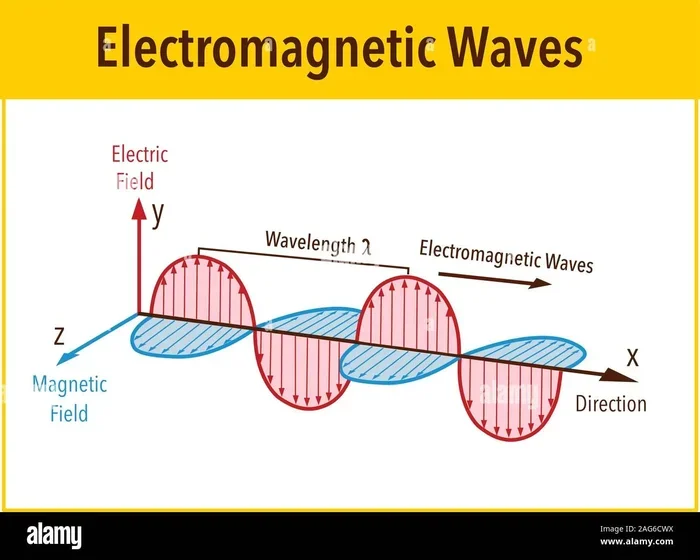
Understanding emp meaning starts with the basics. An electromagnetic pulse is a quick, intense burst of electromagnetic energy. This energy can travel through the air, through wires, and even through the ground. It interacts with electronic circuits in ways that range from mild interference to total destruction. The concept is not new, but the awareness around EMP effects has grown a lot in recent years.
Key Takeaways
- EMP stands for electromagnetic pulse: a powerful burst of electromagnetic energy that affects electronic systems.
- EMP sources include solar flares, nuclear detonations, and EMP devices: each type has different reach and intensity.
- EMP effects can fry circuits and shut down power grids: even small pulses can damage sensitive electronics.
- EMP protection is simple and affordable: Faraday cages and surge protectors offer real defense.
- EMP survival depends on preparation: having backup devices and knowledge gives you a real advantage.
- EMP myths are everywhere: separating fact from fiction helps you take the right steps.
📑 Table of Contents
What Does EMP Mean?
Let us get straight to the point. EMP meaning is electromagnetic pulse. That is it. The term describes a short, powerful release of electromagnetic energy. This energy can come from natural sources or from human-made devices. The pulse spreads out in all directions and interacts with anything that conducts electricity.
The reason EMP effects get so much attention is simple. Modern life runs on electronics. Your phone, laptop, car, refrigerator, and power grid all depend on delicate circuits. A strong enough pulse can shut all of these down. That is why understanding emp meaning matters for everyone, not just engineers or military experts.
The Science Behind EMP
Here is how it works in plain terms. When an EMP wave hits an electronic device, it pushes electrical current through the circuits. This current is not normal. It is a sudden, massive spike. Think of it like a wave hitting a sandcastle. The wave does not need to be big to cause damage. It just needs to hit at the right moment and in the right way.
Electromagnetic energy travels at the speed of light. This means an EMP affects everything in its path almost instantly. There is no warning. There is no time to unplug devices. That is what makes EMP threats so serious. The pulse passes through walls, clothing, and most non-metallic materials without any problem.
Types of EMP Sources
Not all EMPs are the same. There are several sources, and each one behaves differently. Here are the main types you should know about.
- Nuclear EMP (NEMP): This comes from a nuclear explosion. It is the most powerful type and can affect a huge area. A single high-altitude nuclear detonation can generate an EMP that covers hundreds of miles.
- Solar EMP (Geomagnetic Storm): The sun occasionally releases massive bursts of energy. These solar flares can send electromagnetic waves toward Earth. A strong solar storm can disrupt satellites, power grids, and communication systems.
- Non-Nuclear EMP (NNEMP): These are human-made devices designed to create a localized pulse. They are smaller in scale but still dangerous for nearby electronics.
- Lightning EMP: A lightning strike produces a small electromagnetic pulse. While not as powerful as other sources, it can still damage electronics that are not properly protected.
Each of these sources creates different levels of EMP effects. A nuclear EMP at high altitude can cause continental-scale damage. A small NNEMP device might only affect devices within a few meters. Understanding the source helps you understand the level of risk.
How Does an EMP Affect Electronics?
Now that you know emp meaning, let us talk about what actually happens to your devices. When an electromagnetic pulse hits an electronic circuit, it induces a voltage spike. This spike overwhelms the components. The result can be anything from a temporary glitch to permanent destruction.
Think of your electronics like a garden hose. Normal electricity flows through the hose at a steady, controlled rate. An EMP is like suddenly forcing a fire hose through that same hose. The hose cannot handle it. It bursts. That is essentially what happens to the tiny circuits inside your phone, computer, or TV.
The Chain Reaction of an EMP Blast
The damage from an EMP blast does not stop at one device. Here is how the chain reaction works.
- The EMP wave hits the device and induces a voltage spike in the circuits.
- The spike burns out sensitive components like microchips, transistors, and capacitors.
- The device either stops working immediately or becomes unreliable.
- If the device is connected to a power grid or network, the pulse can spread to other connected systems.
- In a worst-case scenario, the damage cascades through power stations, communication networks, and infrastructure.
This is why experts worry about EMP effects on power grids. A single event could knock out electricity across a wide region. No lights, no internet, no refrigeration, no fuel pumps. The ripple effects would touch every part of daily life.
Which Devices Are Most Vulnerable?
Some devices are more vulnerable to EMP damage than others. Here is a quick look at what is most at risk.
- Smartphones and tablets: These have tiny, sensitive microchips that are easy targets for an EMP wave.
- Computers and laptops: The processors and memory chips are highly susceptible to voltage spikes.
- Vehicles with electronic systems: Modern cars rely on dozens of computers. An EMP could disable the engine control unit, ignition system, and more.
- Power grid transformers: These large devices are especially vulnerable. Replacing a damaged transformer can take months or even years.
- Communication systems: Cell towers, satellite dishes, and radio equipment are all at high risk.
- Medical devices: Pacemakers, hospital monitors, and life-support equipment could fail during a strong EMP event.
On the other hand, some devices are naturally more EMP resistant. Simple battery-powered devices with no microchips, like a basic flashlight or a hand-crank radio, tend to survive better. Mechanical watches, manual tools, and analog instruments also hold up well against electromagnetic pulses.
Common Uses and Applications of EMP Technology
EMP technology is not just a threat. It also has practical uses. Understanding emp meaning in different contexts helps you see the full picture.
Military Applications
Militaries around the world study EMP weapons for defense and offense. A EMP device used in a conflict could disable enemy electronics, communication systems, and even vehicles. This is why many countries invest heavily in EMP defense research.
The United States, Russia, China, and several other nations have explored EMP weapons as part of their military strategy. The idea is simple but powerful. If you can disable an enemy’s electronics, you gain a huge tactical advantage without firing a single traditional bullet.
Non-Military Uses
Beyond the military, EMP technology has legitimate applications in other fields.
- Electromagnetic testing: Engineers use controlled EMP generators to test how well devices and systems can withstand electromagnetic interference.
- Law enforcement: Some agencies use EMP devices to disable vehicles during pursuits. These are called vehicle stoppers or engine disabling devices.
- Research and development: Scientists study EMP effects to improve the durability of electronic systems and build better EMP protection methods.
- Medical research: Controlled electromagnetic pulses are used in some medical treatments, such as bone healing and brain stimulation therapy.
So emp meaning is not just about destruction. It is also a tool that, when used carefully, can serve important purposes in science, medicine, and security.
How to Protect Your Devices from EMP
This is the part most people care about. How do you actually protect your electronics from an electromagnetic pulse? The good news is that EMP protection is not as complicated or expensive as you might think.
Building a Faraday Cage
A Faraday cage is the most well-known method of EMP protection. It is essentially a container made of conductive material that blocks electromagnetic waves. When an EMP hits the cage, the energy travels through the metal shell and grounds out, never reaching the devices inside.
You do not need to be an engineer to build one. A simple Faraday cage can be made from a metal trash can, a microwave oven (with the magnetron removed), or even a metal filing cabinet. The key is that the container must fully enclose the device with no gaps or openings.
Here are some quick tips for building an effective Faraday cage.
- Use continuous metal with no large gaps or holes.
- Ground the cage by connecting it to a metal rod driven into the earth.
- Place a layer of insulating material (like cardboard or rubber) inside the cage to prevent direct contact between the device and the metal.
- Test your cage by placing a phone inside and calling it. If the phone rings, the cage has gaps that need to be sealed.
EMP Protection Gear and Products
If building a Faraday cage sounds like too much work, there are ready-made products designed for EMP protection.
- Faraday bags: These are specialized bags lined with conductive material. They are affordable and work well for phones, tablets, and small electronics.
- Surge protectors: High-quality surge protectors can absorb some of the voltage spike from a small EMP event. They are not foolproof against a major pulse, but they add a layer of defense.
- EMP-shielded safes: These are premium containers designed to protect critical electronics. They are more expensive but offer reliable protection.
- Antenna disconnect switches: For radios and communication equipment, disconnecting the antenna during an EMP event reduces the risk of damage.
Quick Tips for Everyday EMP Preparedness
You do not need to go all-out prepper mode to protect your electronics. Here are some simple steps anyone can take.
- Keep a backup of important data on devices stored inside a Faraday bag.
- Own at least one hand-crank or solar-powered radio for emergency communication.
- Store spare batteries and manual tools in a protected location.
- Learn the basics of your car’s mechanical systems so you can troubleshoot if electronics fail.
- Keep printed copies of important documents, maps, and contact lists.
These small steps can make a big difference when it comes to EMP survival. The goal is not to fear electromagnetic pulses but to be prepared for them.
EMP Myths vs. Facts
There is a lot of misinformation floating around about emp meaning and EMP effects. Let us clear up some of the most common myths.
Myth 1: EMPs Only Happen in Movies
This is false. Natural EMPs happen all the time. Solar flares cause geomagnetic disturbances regularly. The 1989 solar storm knocked out power across the entire province of Quebec in Canada. EMPs are real, and they have real effects.
Myth 2: A Small EMP Cannot Do Any Damage
Even a small electromagnetic pulse can damage sensitive electronics. You do not need a nuclear explosion to fry a circuit board. A nearby lightning strike or a poorly shielded electronic device can generate enough EMP to cause problems.
Myth 3: EMPs Only Affect High-Tech Devices
While modern digital devices are most vulnerable, EMP effects can also damage older electronics that contain semiconductors, circuit boards, or even simple transistors. Any device that relies on electrical current is potentially at risk.
Myth 4: You Cannot Protect Your Devices from EMP
This is simply not true. As we covered above, Faraday cages, surge protectors, and Faraday bags offer real, proven protection. You do not need a bunker or a million dollars to shield your electronics from EMP threats.
Myth 5: EMP Protection Is Only for Preppers
Anyone who depends on electronics benefits from EMP protection. Your refrigerator, home security system, medical equipment, and communication devices all need consideration. EMP preparedness is not just for survivalists. It is for anyone who values their electronics and data.
EMP and the Power Grid: What You Should Know
The power grid is one of the biggest concerns when it comes to EMP effects. Our electrical infrastructure was not designed to withstand a major electromagnetic pulse. Transformers, substations, and control systems are all vulnerable to voltage spikes caused by an EMP.
A severe event could take down the grid for weeks or even months. This is not a doomsday fantasy. Studies by the U.S. government and independent researchers have explored this scenario in detail. The results are sobering. A large-scale EMP attack or a major solar storm could cause trillions of dollars in damage and affect millions of people.
The good news is that awareness is growing. Utilities companies are starting to invest in EMP defense measures. Governments around the world are updating regulations to require better protection for critical infrastructure. As emp meaning becomes more mainstream, the steps we take to prepare will continue to improve.
What can you do right now? Start by understanding your personal risk. Do you live near a major substation? Do you have backup power sources? Do you have essential devices stored in EMP protection gear? These questions matter more than most people realize.
Conclusion
Understanding emp meaning is more important than most people think. An electromagnetic pulse is not just a sci-fi concept. It is a real phenomenon with real consequences for our electronics, our infrastructure, and our daily lives. From solar flares to EMP weapons, the sources are varied, and the effects can be devastating.
The good news is that EMP protection is within reach for everyone. A simple Faraday cage, a quality surge protector, or a Faraday bag can save your most important electronics. Taking a few minutes to prepare now can save you from significant loss later.
Do not wait until it is too late. Learn about emp meaning, understand the risks, and take practical steps to protect what matters most. Your electronics, your data, and your peace of mind are worth it.
Frequently Asked Questions
What is the simplest definition of EMP meaning?
EMP stands for electromagnetic pulse. It is a sudden burst of electromagnetic energy that can disrupt or destroy electronic devices and systems. The pulse travels at the speed of light and affects anything that conducts electricity in its path.
Can an EMP really destroy a car?
Yes, a strong enough EMP can disable a modern vehicle. Most cars built after the 1990s rely heavily on electronic control units. An EMP blast could fry these circuits and stop the engine. Older vehicles with fewer electronics are less vulnerable but not completely immune.
How far can an EMP affect electronics?
The range depends on the source. A nuclear EMP detonated at high altitude can affect electronics across hundreds of miles. A non-nuclear EMP device might only affect devices within a few meters. Solar-generated EMPs from geomagnetic storms can impact entire continents.
Is a Faraday cage the best way to protect devices from EMP?
Yes, a properly built Faraday cage is one of the most effective methods of EMP protection. It blocks electromagnetic waves from reaching your devices. Even a simple metal trash can lined with insulation can provide decent protection for small electronics like phones and radios.
Are EMPs dangerous to humans?
Directly, EMPs are not typically harmful to human bodies. The electromagnetic pulse affects electronic circuits, not biological tissue. However, the secondary effects of an EMP event can be dangerous. Loss of power means loss of heating, cooling, medical equipment, and communication systems.
What is the difference between EMP and EMI?
EMP stands for electromagnetic pulse, which is a sudden, short burst of energy. EMI stands for electromagnetic interference, which is a broader term for any disruption caused by electromagnetic energy. All EMPs cause EMI, but not all EMI comes from an EMP. Think of EMP as a specific, intense event, while EMI is a general category of interference.