
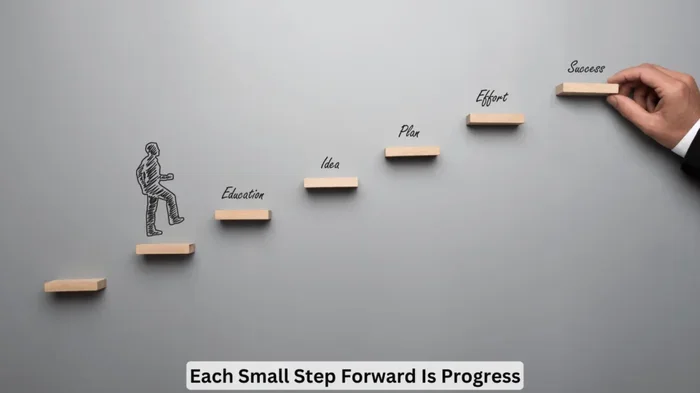

The progressive meaning refers to the idea of moving forward, improving gradually, and embracing change for the better. Whether in politics, education, or personal growth, progressive thinking drives reform, innovation, and continuous improvement. Understanding this concept helps you make smarter decisions in life and society.
Have you ever stopped to think about what progressive meaning really carries? It is more than just a word you see in news headlines or hear in political debates. The progressive meaning touches every part of our lives — from how we learn and pay taxes to how societies evolve over time.
At its heart, the progressive definition is simple. It means moving forward. It means believing that things can get better through thoughtful, step-by-step change. But the full picture is much richer than that. In this article, we will unpack the progressive meaning in plain language. You will learn where it came from, how it shows up in real life, and why it still matters today.
Whether you are a student, a professional, or just someone who wants to understand the world better, this guide has you covered. We will explore progressive thinking, progressive politics, progressive education, and more. By the end, you will see this word in a whole new light.
Key Takeaways
- Core Definition: Progressive meaning centers on forward movement, gradual improvement, and embracing positive change.
- Historical Roots: The progressive movement emerged in the late 1800s and early 1900s to fight corruption and promote social justice.
- Political Use: Progressive politics focuses on reform, equality, and government action to solve public problems.
- Education & Tax: Progressive education and progressive tax are two major real-world applications everyone should know.
- Personal Growth: Adopting a progressive mindset can improve your career, relationships, and daily habits.
- Common Misuse: Many people confuse “progressive” with “liberal” or “radical” — but the progressive definition is broader and more nuanced.
📑 Table of Contents
- What Does Progressive Mean? The Basic Definition
- A Brief History of the Progressive Movement
- Progressive Meaning in Politics
- Progressive Meaning in Education
- Progressive Meaning in Tax and Economics
- Progressive Meaning in Personal Growth and Everyday Life
- Common Mistakes People Make About Progressive Meaning
- Expert Insights on Why Progressive Thinking Matters
- Key Takeaways
- Conclusion
What Does Progressive Mean? The Basic Definition
Let us start with the foundation. The progressive meaning in the dictionary is clear. It describes something that favors or promotes progress, change, and improvement. The word comes from the Latin “progressus,” which means “to move forward.”
Here are some key ways to understand the progressive definition:
- Forward-moving: It always points toward the future, not the past.
- Gradual improvement: Change happens step by step, not overnight.
- Reform-minded: It seeks to fix what is broken rather than tearing things down.
- Open to new ideas: A progressive mindset welcomes innovation and fresh perspectives.
- People-focused: It often prioritizes the well-being of the many, not just the few.
Now, you might wonder how this differs from words like “liberal” or “radical.” That is a great question. A radical wants big, sudden change. A liberal can mean many things depending on context. But the progressive meaning specifically highlights steady, forward-looking improvement. It is about building something better, one step at a time.
Progressive vs. Regressive — What Is the Difference?
To truly grasp the progressive meaning, it helps to look at its opposite. “Regressive” means moving backward or returning to older ways. A regressive tax, for example, takes a larger share from low-income earners. A progressive tax does the opposite — it asks more from those who earn more. This contrast shows how the word shapes real policy and everyday decisions.
Here is a quick comparison:
- Progressive: Moves forward, improves conditions, embraces reform.
- Regressive: Moves backward, worsens inequality, resists change.
Understanding this difference is one of the most practical things you can do. It helps you read the news with a sharper eye and make better choices in your own life.
A Brief History of the Progressive Movement
The progressive movement has deep roots. It gained real momentum in the late 1800s and early 1900s, especially in the United States. During this time, cities were growing fast, factories were booming, and many workers faced harsh conditions. The progressive era was a response to these challenges.
Reformers during this period pushed for:
- Cleaner food and drug safety laws
- Better working conditions and shorter hours
- Women’s right to vote
- Anti-corruption measures in government
- Child labor laws to protect young workers
These were not wild, overnight changes. They were thoughtful, progressive reforms that improved millions of lives. The progressive meaning in this historical context is about using government and community action to create a fairer society.
Why the Progressive Era Still Matters Today
The ideas from that era did not disappear. They live on in modern progressive politics and policy debates. Today, people who identify as progressive often advocate for things like universal healthcare, climate action, and criminal justice reform. The core belief remains the same: society can and should keep getting better.
When you understand this history, the progressive meaning becomes more than just a dictionary definition. It becomes a story of people who refused to accept the world as it was and fought to build something better.
Progressive Meaning in Politics
In politics, the progressive meaning carries a lot of weight. Progressive politics is a broad umbrella. It covers a range of ideas, but they all share one thread: the belief that government can and should help people live better lives.
Here are some key features of progressive political thought:
- Social equality: Fighting for equal rights regardless of race, gender, or background.
- Economic fairness: Pushing for systems that reduce wealth gaps.
- Environmental protection: Supporting policies that protect the planet for future generations.
- Public investment: Believing in strong public schools, healthcare, and infrastructure.
- Reform over revolution: Seeking change through steady, democratic processes.
It is important to note that being progressive does not mean being extreme. In fact, the progressive definition leans toward measured, practical change. The goal is improvement, not destruction of existing systems.
Progressive vs. Conservative — Understanding the Spectrum
People often frame politics as a simple left-right line. But the reality is more nuanced. A progressive wants to move forward with new solutions. A conservative may prefer to preserve what already works. Both can care deeply about their communities. The difference is in the approach to change.
When you see the word “progressive” in a political article, remember the core progressive meaning: forward-thinking reform that aims to expand opportunity and reduce inequality.
Progressive Meaning in Education
Progressive education is one of the most practical applications of this concept. It is a teaching philosophy that has shaped classrooms for over a century. The progressive meaning in education focuses on the whole child — not just test scores.
John Dewey, a famous American philosopher, was a pioneer of progressive education. He believed that learning should be hands-on, relevant, and connected to real life. Today, many schools still follow his ideas.
Key principles of progressive education include:
- Learning by doing, not just memorizing facts
- Encouraging curiosity and independent thinking
- Connecting lessons to students’ real-world experiences
- Fostering collaboration and teamwork
- Adapting teaching methods to meet individual needs
When a school is described as progressive, it usually means they prioritize creativity, critical thinking, and student well-being. The progressive definition in education is all about preparing young people to think for themselves and adapt to a changing world.
How Progressive Teaching Differs from Traditional Methods
Traditional classrooms often center on the teacher as the authority. Students sit, listen, and take notes. Progressive classrooms flip this. The teacher becomes a guide. Students explore, ask questions, and build projects.
Both approaches have value. But the progressive meaning in education reminds us that rigid systems do not always serve every learner. Flexibility and empathy in teaching can make a huge difference.
Progressive Meaning in Tax and Economics
One of the most common places you will hear the word “progressive” is in discussions about taxes. A progressive tax system is one where higher earners pay a larger percentage of their income in taxes. This is based on the idea that those with more resources should contribute more to society.
The progressive meaning here is about fairness. It is not about punishing success. It is about making sure everyone pays their fair share and that public services are funded properly.
Here is how it works in practice:
- Someone earning $30,000 per year might pay 10% in taxes.
- Someone earning $100,000 might pay 20%.
- Someone earning $500,000 might pay 35% or more.
This system reflects the progressive definition of moving toward greater fairness. The opposite, a regressive tax, takes a bigger bite from lower-income people — which most people would agree is less fair.
Why Progressive Tax Policies Spark Debate
Not everyone agrees on progressive tax systems. Some argue they discourage hard work and investment. Others say they are essential for reducing inequality and funding public goods like roads, schools, and hospitals. Understanding the progressive meaning in this context helps you follow these debates with a clearer perspective.
The key is to separate emotion from evidence. A progressive approach to economics is rooted in the belief that systems should work for everyone — not just the wealthiest few.
Progressive Meaning in Personal Growth and Everyday Life
You do not need to be a politician or a teacher to embrace the progressive meaning. It applies to your personal life too. A progressive mindset means always looking for ways to grow, learn, and improve.
Here are some ways to bring progressive thinking into your daily routine:
- Set small, achievable goals. Progress is not about giant leaps. It is about consistent, small steps forward.
- Seek new perspectives. Read books, talk to people who think differently, and challenge your own assumptions.
- Embrace feedback. A progressive attitude welcomes constructive criticism as a tool for growth.
- Stay curious. Ask questions. Never stop learning, no matter your age or experience.
- Adapt to change. The world is always shifting. Being progressive means rolling with it rather than resisting.
When you apply the progressive meaning to yourself, you become more resilient, more open-minded, and more capable of handling life’s challenges. This is not about being perfect. It is about moving forward with intention.
Quick Tips for Developing a Progressive Mindset
- Read widely — expose yourself to ideas outside your comfort zone.
- Practice empathy by listening more than you speak.
- Reflect on your own biases and work to overcome them.
- Celebrate small wins — progress adds up over time.
- Stay informed about local and global issues that affect your community.
Common Mistakes People Make About Progressive Meaning
Even smart people sometimes misunderstand the progressive meaning. Let us clear up a few common mistakes.
Mistake 1: Confusing progressive with radical. Being progressive does not mean being extreme. It means moving forward thoughtfully. Radical change can be sudden and disruptive. Progressive change is deliberate and measured.
Mistake 2: Thinking progressive only applies to politics. The progressive definition is much broader. It applies to education, economics, technology, personal development, and more.
Mistake 3: Assuming progressive always means liberal. In some contexts, “progressive” simply means forward-thinking and improvement-focused. It is not tied to any single political party or ideology.
Mistake 4: Believing progress is automatic. Progress does not happen on its own. It requires effort, awareness, and commitment. The progressive meaning is an active choice, not a passive state.
Expert Insights on Why Progressive Thinking Matters
Scholars and thinkers have long recognized the power of progressive ideas. The philosopher John Dewey wrote that education is not just preparation for life — it is life itself. That progressive philosophy still resonates today.
Modern leaders in social reform, business innovation, and community building all share one trait: they embrace the progressive meaning. They believe in continuous improvement. They understand that the status quo is not good enough.
Here is what experts often say about progressive thinking:
- “Progress is not made by early risers. It is made by lazy men trying to find easier ways to do something.” — This humorous quote from Robert Heinlein captures the progressive spirit of innovation.
- Studies show that organizations with a progressive culture outperform those stuck in old ways of thinking.
- Countries that invest in progressive policies like education and healthcare tend to see stronger, more stable economies over time.
The progressive meaning is not just an academic concept. It is a practical framework for building a better future — one decision, one policy, one habit at a time.
Key Takeaways
- Core Definition: Progressive meaning centers on forward movement, gradual improvement, and embracing positive change.
- Historical Roots: The progressive movement emerged in the late 1800s and early 1900s to fight corruption and promote social justice.
- Political Use: Progressive politics focuses on reform, equality, and government action to solve public problems.
- Education & Tax: Progressive education and progressive tax are two major real-world applications everyone should know.
- Personal Growth: Adopting a progressive mindset can improve your career, relationships, and daily habits.
- Common Misuse: Many people confuse “progressive” with “liberal” or “radical” — but the progressive definition is broader and more nuanced.
Conclusion
The progressive meaning is one of the most powerful ideas in the English language. It is not about being extreme or rebellious. It is about moving forward — thoughtfully, steadily, and with a focus on making things better for everyone.
From the progressive era reforms of the early 1900s to modern progressive politics, from progressive education to progressive tax systems, this concept shapes our world in deep and meaningful ways. And on a personal level, embracing progressive thinking can transform your own life.
Now that you understand the full progressive definition, you can see this word everywhere — in the news, in your workplace, in your classroom, and even in your own goals. The next time you encounter it, you will know exactly what it means and why it matters.
So go forward. Stay curious. Keep improving. That is the true progressive meaning — and it starts with you.
Frequently Asked Questions
What is the simple definition of progressive?
The progressive meaning is straightforward. It describes something that moves forward, promotes improvement, and supports positive change. A progressive person or idea believes in making things better over time through thoughtful action and reform.
How is progressive different from liberal?
While the terms overlap, they are not the same. Progressive meaning focuses on forward movement and gradual improvement. “Liberal” can mean different things depending on context — from political ideology to generosity of spirit. Progressive thinking is specifically about reform and advancement, while “liberal” has a broader range of meanings.
What is a progressive tax?
A progressive tax is a system where higher-income earners pay a larger percentage of their income in taxes. This reflects the progressive meaning of fairness — those with more resources contribute more to public services. It is designed to reduce inequality and fund things like schools, roads, and healthcare.
Can progressive apply to personal development?
Absolutely. The progressive meaning is not limited to politics or policy. In personal development, being progressive means continuously learning, growing, and improving. It is about setting small goals, embracing feedback, and staying open to change. Anyone can adopt a progressive mindset in their daily life.
What was the Progressive Era?
The Progressive Era was a period of widespread social and political reform in the United States, roughly from the 1890s to the 1920s. During this time, activists pushed for progressive reforms like food safety laws, workers’ rights, women’s suffrage, and anti-corruption measures. It is one of the most important examples of progressive meaning in action.
Is progressive always a good thing?
The progressive definition itself is neutral — it simply means forward movement and improvement. However, people may disagree about what counts as “progress” and whether certain changes are beneficial. The progressive meaning is best understood as a commitment to thoughtful, positive change rather than a guarantee that every change will be universally accepted.



