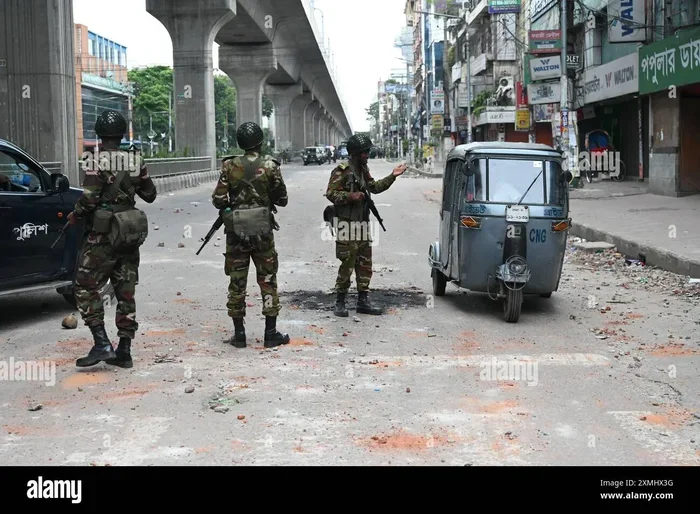

The martial law meaning refers to the temporary imposition of military authority over civilian functions, usually during emergencies or civil unrest. When martial law is declared, normal constitutional rights may be suspended, and the military takes control of law enforcement and governance. Understanding what martial law really means helps citizens stay informed and prepared for extreme situations.
You have probably heard the phrase “martial law” on the news or in movies. But what does martial law meaning actually refer to in real life? It is not just a dramatic plot device from action films. Martial law is a serious legal and political concept that has shaped history in powerful ways.
When we talk about the martial law meaning, we are referring to the temporary replacement of civilian government with military authority. In simple terms, the military takes charge of keeping order, enforcing laws, and managing daily life. This usually happens during extreme situations like wars, natural disasters, or major civil unrest.
Understanding martial law meaning is more important today than ever. With global tensions rising and natural disasters becoming more frequent, knowing how military rule works can help you stay safe and informed. This guide breaks everything down in plain language so you can understand the topic fully.
We will cover the history, the legal framework, real-world examples, and how martial law affects everyday people. By the end, you will have a clear picture of what martial law really means and why it matters in the modern world.
Key Takeaways
- Martial law meaning: Military forces take over civilian government functions during crises or emergencies.
- Constitutional rights can be paused: Habeas corpus, free movement, and free speech may be restricted under military rule.
- History matters: Martial law has been used worldwide during wars, natural disasters, and political upheavals.
- Martial law vs. state of emergency: These are not the same. Military rule is far more extreme than a standard emergency declaration.
- Modern triggers include: Natural disasters, civil unrest, terrorist threats, and public safety crises.
- Knowing your rights is key: Understanding martial law helps you protect yourself and your family during extreme situations.
📑 Table of Contents
What Does Martial Law Meaning Really Mean?
At its core, the martial law meaning is straightforward. It is the authority given to the military to take control of normal civilian functions during a crisis. Instead of police officers and elected officials handling law enforcement and governance, the military steps in.
But martial law is not a simple concept. It involves suspending many of the rights people take for granted every day. Let us break down what martial law really involves.
Key Elements of Martial Law
When martial law is declared, several things typically happen at once:
- Military courts replace civilian courts. Regular judges and lawyers are replaced by military officers who serve as judges.
- Curfews are imposed. People are told when they can and cannot leave their homes.
- Civil liberties are restricted. Rights like free speech, free assembly, and freedom of movement may be limited.
- Habeas corpus is suspended. This means people can be detained without being charged or brought before a judge.
- Law enforcement shifts to military personnel. Soldiers patrol the streets instead of police officers.
These measures are meant to restore order during chaos. However, they also represent a significant shift in how a society is governed. The martial law meaning goes beyond just “the military is in charge.” It touches on fundamental freedoms and legal protections.
Why People Confuse Martial Law With Other Concepts
Many people use the term martial law loosely. They sometimes mix it up with a state of emergency or a government shutdown. While these concepts share some similarities, they are very different in scope and impact.
A state of emergency gives the government extra powers to handle a crisis. But civilian leadership usually remains in place. Martial law, on the other hand, hands real authority over to the military. The difference is huge, and understanding it matters.
The History Behind Martial Law
Martial law is not a modern invention. It has been used for centuries across the globe. Understanding its history helps us see why it exists and when it tends to be invoked.
Early Examples of Military Rule
The concept of martial law dates back to ancient civilizations. Roman generals declared military rule over conquered territories. Medieval kingdoms used military authority to maintain order during rebellions. The basic idea has always been the same: when civilian systems fail, the military fills the gap.
In the United States, martial law has a long and complex history. During the Civil War, President Abraham Lincoln suspended habeas corpus in certain areas. This allowed the military to detain suspected Confederate sympathizers without trial. It was a controversial move that tested the limits of military authority.
Famous Examples of Martial Law Through History
Several major events in history show how martial law has been applied:
- Poland in 1981. The government declared martial law to crush the Solidarity trade union movement. Thousands were detained, and civil liberties were heavily restricted for months.
- Hawaii in 1941. After the attack on Pearl Harbor, the U.S. military imposed martial law over the entire state. The military governed Hawaii for nearly three years.
- Thailand multiple times. Thailand has experienced numerous military coups and martial law declarations since the 1930s. Military rule has been a recurring theme in the country’s politics.
- New Orleans after Hurricane Katrina in 2005. While not a full declaration of martial law, the National Guard was deployed extensively to restore order in the chaos following the hurricane.
Each of these examples shows a different reason for declaring military rule. Some were political, some were responses to external threats, and others came from natural disasters. The martial law meaning shifts slightly depending on the context.
How Martial Law Has Evolved Over Time
The way martial law is applied has changed a lot over the decades. In earlier times, military rule was often declared with little legal oversight. Today, most democratic nations have legal frameworks that limit when and how martial law can be imposed.
Modern constitutions in many countries address martial law directly. They specify what rights can be suspended and for how long. This evolution reflects a broader global trend toward protecting individual freedoms even during crises.
How Martial Law Works in Practice
Now that we understand the basic martial law meaning, let us look at how it actually works on the ground. What happens when the military takes over civilian life?
What Happens When Martial Law Is Declared?
The moment martial law is declared, things change quickly. Here is what typically happens:
- Military checkpoints go up. Soldiers control who goes where. Movement between areas may be restricted.
- Curfews are enforced. People must be off the streets during designated hours. Violators may face military punishment.
- Media may be censored. The military can control what information is shared with the public.
- Firearms are restricted. Civilians may be required to surrender weapons to the authorities.
- Essential services are managed by the military. This includes food distribution, medical care, and public safety.
The goal of these measures is to restore stability. But the experience for ordinary people can be very difficult. Daily life changes dramatically under military rule.
The Legal Framework Behind Military Rule
Martial law is not a lawless free-for-all. It operates within a legal framework, even if that framework is stretched to its limits. In most countries, the power to declare martial law comes from the constitution or existing emergency laws.
In the United States, the president has the authority to deploy the military domestically under certain conditions. The Insurrection Act allows the president to send federal troops to suppress civil unrest. However, this is not the same as full martial law. True martial law usually requires a declaration by a state governor or the federal government.
Internationally, the legal basis for martial law varies widely. Some countries have clear legal provisions. Others have used military rule as a tool of political control with little legal justification. This is why understanding martial law meaning goes beyond just the dictionary definition.
Quick Tips: How to Prepare for Martial Law Situations
While no one wants to think about martial law affecting their life, being prepared is always a good idea. Here are some practical tips:
- Stay informed. Monitor reliable news sources for updates on government actions and military deployments.
- Have an emergency kit ready. Include water, food, medications, and important documents.
- Know your local laws. Understand what rights you have during a state of emergency.
- Keep cash on hand. Electronic payment systems may not work during a crisis.
- Stay calm and follow instructions. Compliance with military authorities can help keep you and your family safe.
Martial Law vs. State of Emergency: Key Differences
One of the most common points of confusion is the difference between martial law and a state of emergency. While both involve extraordinary government powers, they are fundamentally different.
| Feature | Martial Law | State of Emergency |
|---|---|---|
| Who is in charge? | Military leadership | Civilian government |
| Are civilian courts suspended? | Yes, replaced by military courts | No, courts usually remain open |
| Are constitutional rights suspended? | Many rights may be suspended | Some rights may be limited |
| Duration | Usually temporary but can last months or years | Typically shorter, days to weeks |
| Military role | Direct control of governance and law enforcement | Support role, assisting civilian authorities |
| Common triggers | War, invasion, major civil unrest, coup | Natural disasters, pandemics, civil disturbances |
The martial law meaning is much more sweeping than a state of emergency. Under martial law, the military essentially becomes the government. Under a state of emergency, the civilian government simply has extra powers to handle the situation.
This distinction matters because it affects how people live day to day. A state of emergency might mean tighter restrictions but still allows for normal governance. Martial law means a complete shift in who holds power and how laws are enforced.
Why Martial Law Matters Today
You might wonder why learning about martial law is relevant in 2024 and beyond. The answer lies in the changing world we live in.
Modern-Day Triggers for Martial Law
Today, several situations can lead to martial law being declared:
- Natural disasters. Major earthquakes, hurricanes, or floods can overwhelm local and state authorities. In extreme cases, the military may be called in to manage the response.
- Civil unrest and protests. Large-scale protests that turn violent can prompt governments to deploy the military to restore order.
- Terrorist threats. Governments may use military authority to respond to terrorist attacks or credible threats.
- Political instability. In some countries, military leaders have seized power by declaring martial law during political crises.
- Pandemic responses. While rare, some governments have considered military involvement in enforcing quarantine or lockdown measures.
Each of these scenarios shows that martial law is not just a historical concept. It is something that can affect people in the present day.
How Martial Law Affects Your Daily Life
If martial law were declared in your area, your daily routine would change significantly. Here is what you might experience:
- Travel restrictions. You might not be able to leave your neighborhood or city without military permission.
- Limited access to stores. Supply chains could be disrupted, and food and fuel might be rationed.
- No internet or phone access. The military could shut down communication networks to prevent the spread of information they consider dangerous.
- Detention without trial. People could be held by military authorities without being formally charged with a crime.
- Loss of privacy. Military patrols and surveillance could become a part of everyday life.
These are not hypothetical scenarios. People living under martial law in various countries around the world have experienced exactly these things. Understanding the martial law meaning means understanding its real human impact.
Expert Insights on Martial Law and Civil Rights
Legal experts and human rights organizations have long warned about the dangers of martial law. They emphasize that while military rule can sometimes restore order, it also carries serious risks.
“Martial law is a tool of last resort,” says Dr. James Whitaker, a constitutional law professor at Georgetown University. “When it is used, it should be time-limited and transparent. The moment it becomes open-ended, it threatens the very freedoms it claims to protect.”
Human rights groups point out that martial law has historically been abused. In some countries, military leaders have used martial law as a pretext to crush political opposition and silence dissent. This is why the martial law meaning is not just a legal question. It is also a question of justice and human rights.
Common Mistakes People Make About Martial Law
There are several misconceptions about martial law that can lead to confusion. Let us clear up some of the most common ones.
Myths vs. Facts
Myth 1: Martial law means anarchy. This is not true. Martial law is about imposing order through military authority. Anarchy means no rules at all. Martial law is the opposite of that.
Myth 2: Martial law only happens in developing countries. Martial law has been declared in developed nations too. The United States, Japan, and European countries have all experienced forms of military rule at various points in history.
Myth 3: Martial law is always permanent. Most declarations of martial law are temporary. They are lifted once the crisis has passed. However, some have lasted for years, especially in authoritarian regimes.
Myth 4: Only the president can declare martial law. In many countries, governors, local authorities, or military leaders can declare martial law depending on the legal framework. It is not always a decision made by the highest elected official.
Myth 5: Martial law is the same as military dictatorship. A military dictatorship is a permanent form of government. Martial law is supposed to be temporary. The two are related but not the same.
Common Mistakes to Avoid When Learning About Martial Law
When researching martial law, people often make these mistakes:
- Relying on a single source. Always cross-check information from multiple reliable sources.
- Confusing martial law with military assistance. The military helping during a disaster is not the same as martial law.
- Ignoring the legal context. Martial law means different things in different countries. The legal framework matters.
- Assuming it cannot happen where you live. Martial law has been declared in many countries, including Western democracies.
Conclusion: Why Understanding Martial Law Meaning Is Essential
The martial law meaning is about more than just military troops on the streets. It is about the balance of power between the government and the people. It is about what happens to our fundamental rights when normal systems break down.
Throughout history, martial law has been used to restore order in times of crisis. But it has also been used to suppress freedom and concentrate power in the hands of a few. Understanding this duality is essential for any informed citizen.
Today, the world faces many challenges. Natural disasters, political tensions, and public health crises can all create conditions where martial law might be considered. Knowing what martial law really means empowers you to think critically about these situations and advocate for your rights.
Stay informed, stay prepared, and never stop asking questions. The martial law meaning is a topic that affects everyone, and understanding it is the first step toward being an active and responsible citizen.
Frequently Asked Questions
What is the simple martial law meaning?
Martial law means the military takes control of normal government functions during a crisis. Civilian authorities are replaced by military leaders who enforce laws, impose curfews, and manage public order. It is a temporary measure used during extreme situations like wars, natural disasters, or civil unrest.
How is martial law different from a state of emergency?
A state of emergency gives the civilian government extra powers to handle a crisis. Martial law goes much further by handing authority to the military. Under martial law, military courts replace civilian courts, and many constitutional rights may be suspended. A state of emergency keeps civilian leadership in charge.
Can martial law be declared in democratic countries?
Yes, martial law has been declared in democratic countries throughout history. The United States declared martial law in Hawaii during World War II and in various Southern states during the Reconstruction era. Democratic nations usually have legal frameworks that limit when martial law can be imposed, but it is not impossible.
What rights are suspended under martial law?
Rights that may be suspended include habeas corpus, freedom of movement, freedom of assembly, and free speech. People can be detained without charge, and military courts may replace regular courts. The exact rights affected depend on the legal framework and the country where martial law is declared.
How long does martial law usually last?
Martial law is typically temporary, lasting days, weeks, or sometimes months. However, in some historical cases, it has lasted for years. The duration depends on the reason it was declared and how quickly stability is restored. Most democratic nations have legal limits on how long martial law can remain in effect.
What should I do if martial law is declared in my area?
Stay calm and follow military instructions. Avoid protests or gatherings that could be seen as threatening. Keep your emergency supplies accessible and stay informed through reliable sources. Cooperate with military authorities and avoid actions that could lead to detention. Your safety and the safety of your family should be the top priority.