
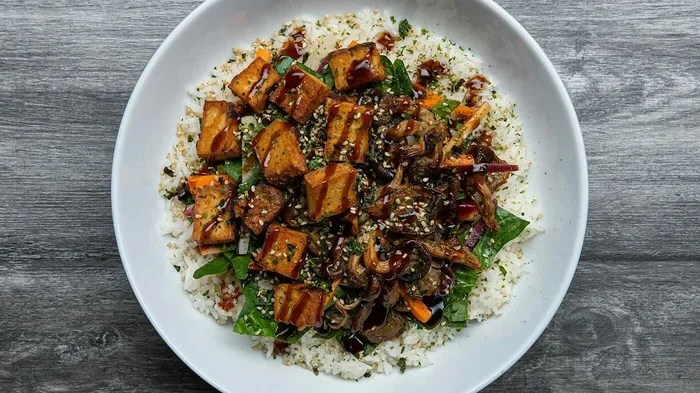

The umami meaning is simple: it is the savory, rich taste that makes food taste deeply satisfying. This fifth basic taste comes from glutamate and other natural compounds found in foods like tomatoes, mushrooms, cheese, and seaweed. Understanding umami helps you cook better meals that your whole family will love.
Have you ever bitten into a perfectly ripe tomato and thought, “This tastes amazing”? Or taken a sip of rich broth and felt complete warmth? That deep, satisfying flavor has a name. It is called umami. The umami meaning is all about that savory, rich taste that makes food feel extra delicious. In this article, we will break down what umami really is, where it comes from, and how you can use it to make your meals taste incredible.
Many people know about sweet, sour, salty, and bitter. But umami is the fifth basic taste that scientists have confirmed. It is not some fancy chef trick or mystery ingredient. It is a real taste that your taste buds can detect. Once you understand umami, you will start tasting it everywhere. And the best part? You can use it to improve almost any dish you cook at home.
The word “umami” comes from Japanese. It means “pleasant savory taste.” A scientist named Kikunae Ikeda first identified this taste in 1908. He noticed that certain foods had a flavor that did not fit into the other four taste categories. That flavor was umami. Today, people all over the world recognize umami as a fundamental part of how we experience food. Whether you love Italian pasta or Japanese ramen, umami plays a big role in what makes those dishes so good.
Key Takeaways
- Umami is the fifth basic taste: Along with sweet, sour, salty, and bitter, umami gives food a deep savory flavor that makes meals more satisfying.
- It comes from natural compounds: Glutamate and nucleotides found in foods like tomatoes, parmesan cheese, and mushrooms create the umami taste.
- Japanese cuisine popularized it: The term was first identified by a Japanese scientist named Kikunae Ikeda in 1908.
- You can boost umami easily: Adding ingredients like soy sauce, fish sauce, or parmesan to dishes enhances the savory flavor naturally.
- It works with other tastes: Umami pairs well with salt and acid to create balanced, complex flavor profiles in cooking.
- It is not just MSG: While monosodium glutamate contains glutamate, many whole foods deliver umami without any processed ingredients.
- It benefits your health: Umami-rich foods can help reduce sodium intake while still making meals taste full and satisfying.
📑 Table of Contents
What Does Umami Mean Exactly?
The umami meaning is straightforward. It refers to a taste that is savory, meaty, and deeply satisfying. When you eat something with strong umami, your mouth feels full and rich. This taste comes from a natural amino acid called glutamate. Glutamate is found in many foods we eat every day. It binds to special receptors on your tongue and sends a signal to your brain. Your brain then recognizes this as the umami taste.
Think of it this way. When you eat a plain cracker, it tastes plain. But add a slice of parmesan cheese on top, and suddenly it tastes amazing. That boost in flavor? That is umami at work. The cheese adds glutamate, which triggers your taste buds and creates that deep savory sensation.
The History of Umami
The story of umami starts in Japan over a hundred years ago. Kikunae Ikeda was a chemistry professor who loved eating a simple seaweed-based soup called dashi. He wanted to understand why this soup tasted so incredibly good. He discovered that a compound in the seaweed, glutamate, was responsible. He coined the term “umami” to describe this taste. It took many years for Western science to accept this fifth taste. But today, researchers around the world agree that umami is a real and distinct taste.
Before Ikeda’s discovery, most people believed there were only four basic tastes. His work changed how we understand food forever. Now, umami is taught in culinary schools and food science programs everywhere. It has become a cornerstone of modern cooking and flavor development.
The Science Behind the Fifth Taste
Understanding the umami meaning gets even more interesting when you look at the science. Your tongue has special taste receptors that detect different flavors. For a long time, scientists only knew about receptors for sweet, sour, salty, and bitter. Then in the early 2000s, researchers found receptors specifically for umami. This confirmed what Ikeda had suspected over a century earlier.
How Glutamate Creates the Savory Flavor
Glutamate is an amino acid. Amino acids are the building blocks of protein. Many foods naturally contain glutamate. When glutamate interacts with your tongue receptors, it creates the umami taste. This is why protein-rich foods often taste so savory. The more glutamate a food has, the stronger the umami flavor.
But here is something really cool. Glutamate works even better when you combine it with something called nucleotides. Nucleotides are another type of compound found in certain foods. When glutamate and nucleotides come together, they create a synergy. This means the umami flavor becomes much stronger than either compound alone. This is called “umami synergy.” It is the secret behind why some food combinations taste so incredibly delicious.
Common Sources of Natural Glutamate
Many everyday foods are packed with natural glutamate. Here are some of the best sources:
- Tomatoes: Especially ripe, sun-dried, or cooked tomatoes are loaded with glutamate.
- Parmesan cheese: This cheese has one of the highest levels of natural glutamate of any food.
- Mushrooms: Shiitake and porcini mushrooms are especially rich in umami compounds.
- Seaweed: Kombu seaweed is one of the oldest known sources of umami.
- Soy sauce: Fermented soy products contain high levels of glutamate.
- Fish and seafood: Anchovies, sardines, and fish sauce are umami powerhouses.
- Meat and poultry: Slow-cooked meats develop more glutamate over time.
- Fermented foods: Miso paste, kimchi, and fermented bean pastes are rich in umami.
Umami-Rich Foods You Need to Try
If you want to experience the true umami meaning in your kitchen, start with these foods. Each one brings a unique depth of flavor that can transform simple meals into something extraordinary.
Tomatoes and Tomato Paste
Tomatoes are one of the most accessible umami-rich foods. Fresh tomatoes have a good amount of glutamate. But when you cook tomatoes down into paste or sauce, the flavor concentrates. This makes tomato paste a secret weapon in many kitchens. A spoonful in soups, stews, and pasta sauces adds a layer of savory depth that is hard to beat. Next time you cook a chili or a bolognese, try adding a tablespoon of tomato paste. You will taste the difference right away.
Mushrooms and Dried Mushrooms
Mushrooms are nature’s umami boosters. Fresh mushrooms like shiitake and porcini have a naturally meaty flavor. But dried mushrooms take it even further. When you rehydrate dried mushrooms, the soaking liquid becomes a concentrated umami broth. Use this liquid in risottos, soups, or sauces. It adds incredible depth without any extra salt or processed ingredients.
Parmesan Cheese and Aged Cheeses
Parmesan is famous for its intense umami flavor. The aging process breaks down proteins into free glutamate. This is why aged, hard cheeses taste so much more savory than fresh, soft cheeses. Grating parmesan over pasta, salads, or roasted vegetables is one of the easiest ways to add umami to any dish. Other aged cheeses like pecorino romano and gruyere also bring strong umami qualities.
Seaweed and Kombu
Kombu is a type of edible seaweed used in Japanese cooking. It is the main ingredient in making dashi, a classic Japanese broth. Dashi is pure umami in liquid form. Even if you do not cook Japanese food, you can use kombu to make simple, flavorful broths at home. Just simmer a piece of kombu in water for 20 minutes, and you have a light, savory base for soups and stews.
Soy Sauce and Fish Sauce
Soy sauce and fish sauce are fermented condiments packed with umami. A few drops of soy sauce can lift the flavor of stir-fries, marinades, and even scrambled eggs. Fish sauce is a staple in Southeast Asian cooking. It adds a complex, salty-savory depth that makes dishes taste authentic and full-bodied. Start with small amounts and adjust to your taste.
How Umami Transforms Your Cooking
Knowing the umami meaning gives you a superpower in the kitchen. When you understand how umami works, you can make food taste better without adding more salt or fat. This is especially helpful if you are trying to eat healthier without sacrificing flavor.
The Umami-Salt Connection
One of the biggest benefits of cooking with umami is that it can reduce your need for salt. When food has strong umami, your brain perceives it as more flavorful overall. This means you can use less sodium and still enjoy a full, satisfying taste. Studies have shown that adding umami-rich ingredients to dishes can lower total salt content by up to 25 to 40 percent. Yet people still rate the food as tasting just as good. This is a game-changer for anyone watching their sodium intake.
Building Depth in Soups and Stews
Umami is the secret to deep, complex soups and stews. A simple vegetable soup can taste flat. But add a handful of mushrooms, a splash of soy sauce, and a parmesan rind, and suddenly it tastes like it has been simmering for hours. These umami boosters create layers of flavor that make even quick weeknight meals taste special.
Making Vegetables More Satisfying
Many people struggle to eat enough vegetables. One reason is that vegetables can taste bland compared to meat. But umami can change that. Roasting tomatoes, sautéing mushrooms, or adding a drizzle of soy sauce to steamed broccoli brings out the natural savory flavors in vegetables. When you cook with umami, you might find yourself reaching for veggies more often.
Perfecting Pasta Sauces and Gravies
Italian cooking relies heavily on umami. Think about a classic marinara sauce. Tomatoes are the base, which are naturally high in glutamate. Add parmesan cheese, and the umami level goes up even more. A rich Bolognese sauce combines meat, tomatoes, and cheese for a triple umami effect. The same principle applies to gravies and pan sauces. Deglazing a pan with a splash of soy sauce or Worcestershire sauce adds instant depth and richness.
Quick Tips for Everyday Cooking
Here are some simple ways to add more umami to your daily cooking:
- Add a splash of soy sauce to scrambled eggs or omelets.
- Stir a tablespoon of tomato paste into soups and sauces.
- Grate parmesan over roasted vegetables or salads.
- Use dried mushroom powder as a seasoning for steaks and roasted potatoes.
- Add a strip of kombu to your rice cooker when making rice.
- Mix a teaspoon of fish sauce into salad dressings or marinades.
- Use miso paste in glazes for grilled fish or roasted chicken.
- Simmer a parmesan rind in your next pot of soup or stew.
Umami vs. Other Basic Tastes
To truly understand the umami meaning, it helps to compare it with the other four basic tastes. Each taste plays a different role in making food enjoyable.
| Taste | What It Is | Common Sources | Role in Cooking |
|---|---|---|---|
| Sweet | Sugar-based flavor | Fruits, honey, sugar, caramel | Adds balance and pleasure |
| Sour | Acidic flavor | Lemon, vinegar, yogurt, tomatoes | Adds brightness and cuts richness |
| Salty | Sodium-based flavor | Salt, soy sauce, olives, cheese | Enhances other flavors and preserves food |
| Bitter | Tannin-based flavor | Coffee, dark chocolate, kale, broccoli | Adds complexity and contrast |
| Umami | Savory, meaty flavor | Tomatoes, parmesan, mushrooms, seaweed | Adds depth, richness, and satisfaction |
What makes umami special is its ability to enhance all the other tastes. When you combine umami with a little salt, the food tastes more flavorful without being overly salty. When you pair umami with acid, like a squeeze of lemon, the dish feels bright yet satisfying. This balancing act is what separates good cooking from great cooking.
Unlike sweet or salty, which can overpower a dish if you use too much, umami tends to blend seamlessly. It supports and rounds out other flavors. This is why chefs often describe umami as the “backbone” of a dish. It gives structure and depth that holds everything together.
How to Boost Umami in Everyday Meals
Now that you know the umami meaning, you probably want to start using it right away. The good news is that adding umami to your meals is simple and does not require fancy ingredients.
The Power of Combining Ingredients
Remember the umami synergy we talked about earlier? This is where it really pays off. When you combine two or more umami-rich foods, the flavor multiplies. For example, a tomato sauce with parmesan cheese is more savory than either ingredient alone. A stir-fry with mushrooms and soy sauce creates a deeper flavor than mushrooms by themselves. This is the magic of umami pairing.
Here are some classic umami combinations to try:
- Tomatoes + parmesan cheese
- Mushrooms + soy sauce
- Anchovies + garlic
- Seaweed + dashi broth
- Miso paste + tofu
- Fish sauce + lime juice
- Tomato paste + Worcestershire sauce
Using Umami Seasonings and Condiments
You do not need a chemistry lab to cook with umami. Many pantry staples are naturally high in this savory flavor. Soy sauce, fish sauce, Worcestershire sauce, and miso paste are all easy to find at any grocery store. A small amount goes a long way. Start by adding a teaspoon or two to dishes and taste as you go. You will be surprised how much flavor these simple additions bring.
Another great option is umami seasoning blends. These are pre-mixed combinations of ingredients like dried mushrooms, parmesan, sea salt, and seaweed. You can sprinkle them on popcorn, roasted vegetables, or grilled meats for an instant flavor boost. They are a quick and easy way to bring more umami into your daily meals.
Cooking Techniques That Enhance Umami
How you cook food matters just as much as what you cook. Certain techniques naturally develop more umami flavor:
- Browning and caramelizing: When you sear meat or roast vegetables at high heat, the Maillard reaction creates new savory compounds. This is why a golden-brown crust on a steak tastes so much better than a pale one.
- Slow cooking: Long, slow braises break down proteins and release more glutamate. This is why pot roasts and stews taste so rich and satisfying.
- Drying and concentrating: Sun-dried tomatoes, dried mushrooms, and aged cheeses all have concentrated umami because the water has been removed, leaving the flavor compounds more intense.
- Fermenting: Fermentation breaks down proteins into free amino acids like glutamate. This is why soy sauce, miso, and fish sauce are so packed with umami.
Common Mistakes People Make with Umami
Even though umami is easy to use, there are a few mistakes that can hold you back. Here is what to watch out for.
Using too much soy sauce: Soy sauce is a great source of umami, but it also contains a lot of salt. If you add too much, you can make a dish overly salty. Use it in small amounts and taste as you go.
Confusing umami with saltiness: Umami is not the same as salty. Salty comes from sodium. Umami comes from glutamate. A food can be low in salt but still taste deeply savory because of its umami content. Understanding this difference helps you cook more balanced meals.
Ignoring plant-based umami sources: You do not need meat to get umami. Many vegetables, mushrooms, and fermented foods are naturally rich in this savory taste. Plant-based eaters can absolutely enjoy the benefits of umami in their cooking.
Overlooking the power of aging: Aged and fermented foods have more umami than their fresh counterparts. This is why a 24-month-old parmesan tastes so much more complex than a young cheese. When shopping, look for aged varieties of cheese, cured meats, and fermented condiments.
Expert Insights on Umami
Professional chefs and food scientists agree that umami is one of the most important flavors in cooking. Chef Massimo Bottura, a world-renowned Italian chef, often talks about how umami-rich ingredients form the foundation of his dishes. He uses aged Parmigiano-Reggiano, ripe tomatoes, and slow-cooked meats to create layers of savory depth that make his food unforgettable.
Food scientists explain that umami is particularly important because it signals protein to our brains. Throughout human evolution, the ability to detect umami helped our ancestors find nutrient-rich foods. This is why savory, umami-packed meals feel so satisfying and filling. It is not just a taste preference. It is deeply rooted in our biology.
Nutrition experts also point out that using umami in cooking can be a helpful strategy for people who need to reduce their sodium intake. Because umami enhances the perception of flavor, you can cut back on salt without feeling like you are eating bland food. This makes umami a win-win for both flavor and health.
Key Takeaways
- Umami is the fifth basic taste: It is the savory, meaty flavor that makes food taste deeply satisfying and rich.
- It comes from natural compounds: Glutamate and nucleotides found in foods like tomatoes, parmesan, and mushrooms create the umami taste.
- Japanese cuisine popularized it: The term was first identified by scientist Kikunae Ikeda in 1908 and has since become a global culinary concept.
- You can boost umami easily: Adding ingredients like soy sauce, fish sauce, parmesan, or tomato paste enhances the savory flavor naturally.
- It works with other tastes: Umami pairs well with salt and acid to create balanced, complex flavor profiles in cooking.
- It is not just MSG: Many whole foods deliver umami without any processed ingredients, making it accessible to everyone.
- It benefits your health: Umami-rich foods can help reduce sodium intake while still making meals taste full and satisfying.
Conclusion
The umami meaning is more than just a fancy food word. It represents a real, scientifically proven taste that has been part of human eating for thousands of years. From a bowl of miso soup to a plate of pasta with parmesan, umami is the flavor that makes food feel complete and satisfying.
Now that you understand what umami is, you can start using it to improve your cooking today. You do not need expensive ingredients or special training. A handful of mushrooms, a sprinkle of parmesan, or a splash of soy sauce can transform a simple meal into something memorable. The beauty of umami is that it works with almost any cuisine and any recipe. Whether you are making a quick weeknight dinner or a weekend feast, umami will help you create food that tastes truly delicious.
So the next time you bite into a ripe tomato or savor a rich broth, remember the umami meaning. That deep, savory satisfaction you feel is one of nature’s greatest gifts to cooking. Embrace it, explore it, and let it make your meals more flavorful and enjoyable.
Frequently Asked Questions
What is the umami meaning in simple terms?
Umami means a deep, savory taste that makes food feel rich and satisfying. It is the fifth basic taste alongside sweet, sour, salty, and bitter. Think of it as the “meaty” or “brothy” flavor you taste in foods like tomatoes, cheese, and mushrooms.
Is umami the same as MSG?
No, umami is not the same as MSG. MSG, or monosodium glutamate, is a processed form of the amino acid glutamate. But many whole foods naturally contain glutamate and deliver pure umami without any processing. Tomatoes, parmesan cheese, and seaweed are all natural sources of this savory taste.
Why does umami make food taste better?
Umami enhances the overall flavor of food by triggering specific receptors on your tongue. It creates a sensation of fullness and richness that makes dishes taste more satisfying. When you combine umami with other tastes like salt or acid, the flavor becomes even more balanced and delicious.
What are the best umami-rich foods for beginners?
If you are new to cooking with umami, start with easy-to-find ingredients. Tomatoes, parmesan cheese, mushrooms, soy sauce, and anchovies are all great options. Even adding a spoonful of tomato paste or a sprinkle of parmesan to a simple dish can noticeably boost the savory flavor.
Can umami help you eat less salt?
Yes, absolutely. Because umami enhances flavor perception, it can help you reduce sodium without sacrificing taste. Studies show that adding umami-rich ingredients to meals can lower salt content by 25 to 40 percent while still tasting just as good. This makes it a helpful strategy for heart health.
How can I add more umami to my cooking at home?
Start small by adding a splash of soy sauce to stir-fries, grating parmesan over vegetables, or stirring tomato paste into soups. You can also use dried mushrooms, miso paste, or a parmesan rind in your next pot of broth. These simple steps will bring out the natural umami in your everyday meals.



